
imagen: Stuartxchange.org
El patchouli (pogostemon patchouli) se popularizó en Occidente a comienzos del siglo XIX, cuando era usado para perfumar los chales indios tan de moda por ese entonces. Las hojas de patchouli mantenían alejadas a las polillas y daban su aroma a los chales mientras éstos eran transportados de la India a Europa. Según Robert Tisserand en su excelente “El Arte de la Aromaterapia“ la gente se negaba a comprar los chales si no estaban perfumados con patchouli. Incluso cuando los chales comenzaron a tejerse en Gran Bretaña, se mantuvo la costumbre de seguir perfumándolos con este aroma. Eventualmente los chales pasaron de moda, pero el patchouli quedó.
En Caoba, Fueguia 1833 intenta replicar el momento en que un exótico chal es sacado de su preciosa caja de madera y el aroma del patchouli flota en el aire. Esta mezcla contiene un porcentaje muy alto (más del 35%) de distintos tipos de patchouli; algunos han sido rectificados para quitarles las partes que huelen sucio. Caoba resulta en una mélange elegante y depurada, lejos de las connotaciones “hipponas” que injustamente suele sufrir el patchouli. La rosa búlgara (otto y absoluto) y el cacao orgánico (absoluto) brindan mullidez y dulzor al cóctel. El absoluto de rosa es un ingrediente por el que siento especial debilidad; tuve la oportunidad de olisquear este en particular en el laboratorio de Fueguia 1833 y lo encontré celestial: rico, profundo y con matices de miel. Caoba se torna más suave y dulce en el fondo con la presencia de sándalo, pero es siempre el patchouli quien domina la escena.
Observo en mi libro de Tisserand -y no quiero dejar de mencionarlo- que tanto el patchouli como la rosa y el sándalo tienen sólida reputación de afrodisíacos. Quizás por este motivo Caoba sería, también, fabuloso en forma de vela.
Caro
Origen de la muestra: Muestra gentileza Fueguia 1833
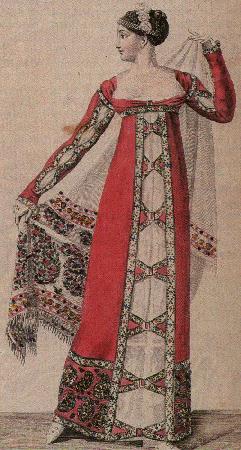
imagen: Locutus.ucr.edu
Fueguia 1833 Caoba – Patchouli cocktail
Patchouli (pogostemon patchouli) became popular in Europe at the beginning of the XIX century. It was then used to scent the Indian shawls which were in vogue at the time. The patchouli leaves would keep moths at bay and lend their aroma to the shawls while they were transported from India to Europe. According to Robert Tisserand in his excellent The Art of Aromatherapy, people wouldn’t buy the shawls if they were not scented with patchouli. Even when the shawls started being woven in Britain, the custom of scenting them in this manner remained. The shawls eventually went out of fashion but patchouli stayed.
In Caoba, Fueguia 1833 intends to replicate the instant when an exotic shawl is taken from its precious wooden box and the aroma of patchouli wafts into the air. The blend contains a very high percentage (above 35%) of several different types of patchouli; some of them have been rectified to remove the dirty-smelling bits. Caoba results in an elegant and streamlined mélange, far from the usual hippy-ish connotations of patchouli. Organic Cacao (absolute) and Bulgarian rose (both otto and absolute) give plushness and sweetness to the cocktail. Rose absolute is a raw material I have a weakness for; I had the chance to smell this particular one at the Fueguia 1833 laboratory and found it heavenly: rich, deep, with honeyed nuances. Caoba gets softer and sweeter in the drydown with the presence of sandalwood, but it is still patchouli who dominates the scene.
I read in my Tisserand book -and I wouldn’t want to leave it out- that patchouli, as well as rose and sandalwood are reputed to have aphrodisiac properties. Maybe because of this Caoba would make, too, a fabulous candle.
Caro
Origin of sample: sample courtesy of Fueguia 1833


 Té de Violetas