Category Archives: Noticias – News

Creadora de perfumes y perfumistas – Entrevista a Mandy Aftel

foto: cortesía de Aftelier.

foto: cortesía de Aftelier.

Creo que “multifacético”no es una cualidad exclusiva de ciertas personas: cada ser humano -alguno más, otro menos- es multifacético. Lo distintivo es cuando sos un maestro en más de uno de esos aspectos y te destacás por ello. Mandy Aftel es esa clase de persona.

Es una pionera y una eminencia en Perfumería Natural, pero no solamente creando fabulosas y galardonadas fragancias, velas y productos comestibles y de belleza. Tal como he mencionado en un post anterior, Mandy también es escritora. Sus libros son una invaluable referencia para estudios académicos sobre el sentido del olfato, su historia y sus implicancias sociales.

Y además es una maestra apasionada. Extiende su amor y profundos conocimientos en las clases que dicta en su Aftelier. Allí, gente de todas partes del mundo vienen a aprender los secretos de este intrincado métier: trabajar sólo con ingredientes naturales.

Calidad, complejidad, intensidad, misterio… son algunas de la palabras con las cuales describís a los ingredientes naturales. ¿Cuándo y cómo te enamoraste de ellos?

Me enamoré de las esencias naturales la primera vez que las olí, en una clase de aromaterapia y perfumes, hace décadas atrás. El impacto fue inmediato, fascinante, como Alicia cayendo por el agujero mientras perseguía al conejo. Pensé que eran un nuevo tipo de belleza con la que nunca había tenido contacto. Y estaba ansiosa por más.

Componer una fragancia no se trata sólo de medidas, proporciones y reacciones químicas. ¿Cómo obtenés inspiración y cómo lográs encauzarla en el proceso creativo?

Existen dos maneras en las que me inspiro para crear una fragancia. Una es a partir de la belleza -a veces, una belleza muy rara- de las esencias en sí. A menudo cuando consigo una materia prima nueva me siento impelida a hacer algo distinto. Otra manera de obtener inspiración es mediante experiencias emocionales intensas que surgen en mi vida, sentimientos que me gustaría expresar sin palabras. Frecuentemente es una mezcla de ambas fuentes: la esencia  provoca ciertas emociones o memorias en mí y yo quiero capturar ese sentimiento mediante la creación de una nueva fragancia.

¿Cómo encontrás nuevos materiales para trabajar? ¿Emprendés una búsqueda específica con algo en mente o simplemente ellos llegan a vos?

De vez en cuando busco una esencia específica, pero desde que tengo una colección tan vasta, en general estoy sólo a la búsqueda de materiales muy raros. Soy muy afortunada de que la gente me envíe muestras de cosas para probar -probablemente sea porque ¡soy una gran compradora!

Enseñás Perfumería Natural en el Aftelier, que es parte de tu propia casa. ¿Qué es lo que te motiva a compartir tu conocimiento -¡y preciosos ingredientes!- con personas que quizás nunca antes hicieron algo similar?

Con el correr de los años descubrí que tengo profundos y apasionados sentimientos por las fragancias y su creación. Quisiera transmitir ese particular conocimiento idiosincrático a través de un muy pequeño grupo de personas. No soy mucho de los aspectos científicos o químicos o cualquier clase de rigidez en el proceso creativo. Pero tengo un fuerte sentido (como bien lo sabés, Virginia) para crear una estructura -una armadura- que brinde una base a las hermosas esencias. Crear desde esencias totalmente naturales un perfume que evolucione bellamente con el tiempo.

¿Cuánto hay de talento y cuánto de entrenamiento en una buena nariz? ¿Podrías darnos algunos consejos para mejorar nuestro sentido del olfato?

Creo que el talento es muy importante en la creación de perfumes, no es algo que pueda ser enseñado. Por otro lado, soy una gran creyente de la formación, desde la cual un perfumista puede desarrollar un entendimiento razonado, con profundos matices, de las capacidades de mezcla de todas y cada una de las esencias disponibles.He diseñado un curso de estudio muy riguroso para conocer los materiales y sus capacidades a la hora de crear un perfume. Pero el aspecto más importante del aprendizaje de cómo entrenar tu nariz es saber cómo editar tus perfumes, encontrar las fallas y ser capaz de corregirlas. Esto es críticamente importante para ser capaz de crear bellos perfumes conscientemente.

Recientemente lanzaste Ylang Organic Face Elixir. Teniendo en cuenta que sólo trabajás con materias primas de origen natural ¿cómo es posible combinar las propiedades de los aceites esenciales con sus perfiles olfativos?

He creado cuidadosamente una lista de aceites esenciales y absolutos que son buenos contra el envejecimiento cutáneo, aquellos que estoy dispuesta a usar en mis elixires faciales. Para mí es un ítem muy personal y particular – es algo que vas a ponerte en el rostro a la hora de dormir y que restaura la piel mientras dormís. Busco cosas que sean relajantes y bonitas, que resulten atractivas, pues está envuelta una actividad tan íntima como la de ir a dormir.

Nos da curiosidad tu faceta de psicoanalista. ¿Creés que un perfume comunica algo sobre su creador, cosas como valores, ideas personales o aspectos de personalidad?

Mis perfumes son expresiones directas de mis ideas personales y valores. Siento un vínculo especial con alguien que le gustan mis perfumes, que los adopta en su vida como una parte de su existencia personal y sus memorias. Siento como si una parte de mí estuviera en esa botella, entrara en la vida de esa persona y así estuviéramos conectados.

Sabemos que estás preparando un nuevo libro. ¿Qué podés compartir sobre él con nosotros?

El título es “Fragrant: The Secret Life of Scent” (Fragante: La vida secreta del aroma). Espero poder publicarlo para octubre o noviembre próximos. El libro se centra en cinco aromáticos épicos: menta, canela, ámbargris, jazmín e incienso. Explora su poderosa conexión con la Historia, la Filosofía y los más esenciales apetitos humanos.

Virginia

foto: cortesía de Aftelier.

foto: cortesía de Aftelier.

A creator of perfumes and perfumers – An Interview with Mandy Aftel

I don’t think that “multifaceted” is a descriptor  that should exclusively be aplied to certain people: every single human being is -someone more, someone less- multifaceted. The distinctive point is when you are a master in more than one aspect and you are renowned because of that. Mandy Aftel belongs to that kind of extraordinary people.

She is a pioneer and an authority in Natural Perfumery, but not only through her creation of award-winning fragrances, candles and beauty and edible goods. As I’ve mentioned in a previous post, Mandy is also a writer. Her books are an invaluable reference for academic studies about the sense of smell, its history and its social implications.

And she is a passionated teacher too. She spreads her love and deep knowledge in her classes at Aftelier where people of different corners of the world come to learn the secrets of this challenging métier: working with natural ingredients only.

Quality, complexity, intensity, mystery… are words with which you describe natural ingredients. When and how did you fall in love with them?

I fell in love with natural essences the first moment I smelled them, at an aromatherapy/perfume class decades ago. The impact was immmediate, spellbinding, and like falling down a rabbit hole. I just thought they were a new kind of beauty that I had never come in contact with. And I was eager for more.

Composing a fragrance is not just about measures, proportions and chemical reactions. How do you find inspiration and how do you lead it into the creative process?

There are two ways I am inspired to create a fragrance: One way is from the beauty — sometimes very strange beauty — of the actual essences. Often when I get a new raw material to work with, it turns me on to make something new. Another way I’m inspired is from the intense emotional experiences that happened in my life, feelings that I would like to express but not with words. Frequently it is a mix of the both of them: the essence brings up certain emotions or memories for me, and I want to capture that feeling by creating a new fragrance.

How do you find new materials with which to work? Do you start a research with something specific in mind or they just come to you?

Every once in a while I look for a specific essence, but since I have such a vast collection, I am usually looking for something that’s very rare. I’m quite fortunate that people send me samples of things to try — probably because I’m such a shopper!

You teach Natural Perfumery in your own place, Aftelier. What motivates you to share your knowledge -and precious ingredients! – with people who maybe never did anything similar before?

I found over the years I have very deep and passionate feelings about fragrance and creating it, and would like to pass that particular idiosyncratic knowledge along to very small group of people. I’m not much about the aspects of science or chemistry or any kind of rigidity in the creative process. But I have a very strong sense (as you would know Virginia) of creating a structure — an armature — to support the beautiful essences, creating from all-natural essences a perfume that evolves beautifully in time.

How much accounts for talent and how much for training in a good nose? Could you give us some tips for improving our sense of smell?

I think talent is very important in creating perfumes, not something that can be taught. On the other hand I’m a great believer in training, from which a perfumer can develop a thoroughly nuanced and very reasoned understanding of the capacities for blending of each and every essence available. I have devised a very rigorous course of study to learn the materials and their capacities for creating perfume. But the most important aspect of learning how to train your nose is knowing how to edit your perfumes, to find the flaws and be able to fix them. This is critically important to being able to consistently create beautiful perfumes.

You have recently launched your Ylang Organic Face Elixir. Since you work exclusively with naturals, how do you match the properties of essential oils and their olfactory profiles?

I have a highly edited list of essential oils and absolutes that are good for aging skin, that I’m willing to use in my face elixirs. It seems to me a most particular and personal item — to have something you wear on your face, that as you go to sleep is also restorative to the skin on your face. I look for things that are relaxing and beautiful, that you are attracted to, since it is involved in such an intimate activity as going to sleep.

We are very curious about your shrink side. Do you think that a perfume communicates something about its creator such as personal ideas, values or personality aspects?

My perfumes are direct expressions of my personal ideas and values. I feel a special kinship with someone who loves my perfumes, who brings them into their life as a part of their personal existence and memories. I feel like some part of me is in that bottle, and going into that person’s life, and that we are connected.

 We know that a new book is coming from you. What you would like to share about it? 

The title is “Fragrant: The Secret Life of Scent.” I am hoping it will be published next October or November. The book focuses on five epic aromatics: mint, cinnamon, ambergris, jasmine, and frankincense. It explores their powerful connection to history, philosophy, and our most essential human appetites.

Virginia

foto: cortesía Aftelier.

foto: cortesía Aftelier.
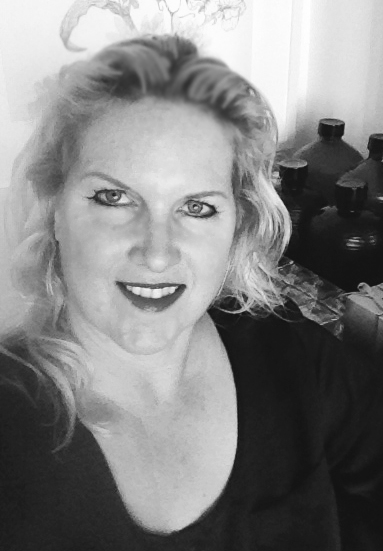
Razón y sensibilidad – Entrevista a Dannielle Sergent

ds b-w rev

Nunca olvidaré aquella sonrisa. Cuando conocí a Dannielle -hace poco más de un año- se la veía fresca y orgullosa de las creaciones que integraban a su flamante marca. Era esa mezcla de certeza y entusiasmo que uno tiene cuando sabe que los resultados obtenidos son aquellos que estaba buscando. Y uno está feliz de mostrárselos al mundo.

Y así era: sus fragancias resultaron ser bellas y originales. En Cognoscenti, las destrezas perfumísticas son ejecutadas por Dannielle Sergent con una perfecta combinación de lógica y emociones. Hoy ella comparte con nosotros un poco de su historia personal y cómo vino a existir el lanzamiento que tiene a las  puertas.

¿Cuándo y cómo comenzó tu interés por la perfumería?

Siempre estuve interesada en los perfumes, pero creo que fue cuando tenía 12 años que se convirtió en una búsqueda definitiva. Fue una pasión con dos vertientes, diseño y fragancias. Mi familia ha coleccionado piezas artísticas de vidrio por generaciones. Mi madre, mi abuela y bisabuela tenían colecciones interesantes.Yo coleccionaba botellas de perfume. Al principio, estaba más interesada en las botellas pero hubo un frasco Art Déco de vidrio rosa recortado que recibí cuando tenía 13 años en cuyo interior había un aroma seductor. Almizclado, apolvado y con una nítida frescura. Me evocó imágenes de una elegancia discreta y enérgica a la vez. Me encantó cómo una simple fragancia podía representar dos lados distintos de un mismo espectro. Continúo sin saber qué era, pero aquello despertó inmensamente mi interés. Al mismo tiempo, también empecé a usar perfumes, creaba los míos propios con aceites de The Body Shop en Berkeley (ahora Body Time) y después me ponía  Babe, y Cristalle de Chanel. Usé Cristalle por casi 20 años pero mezclado con un montón de fragancias masculinas.

Como persona creativa, siempre he querido hacer perfumes pero no fue sino hasta julio del 2010 que me desperté y decidí que era el momento. A la mañana siguiente tomé una clase en el estudio de Yosh y fuí realmente inspirada por su pasión, el proceso y especialmente los ingredientes. Ese día nació COGNOSCENTI.

¿Cómo definirías tu relación con la dimensión olfativa del mundo?

Siempre he tenido una nariz sensitiva. Cuando era joven no comprendía por qué los demás no se percataban de ciertos olores, buenos o malos. Todo tenía olor y parecía que sólo yo me daba cuenta. Aquello me confundió y me sorprendió al mismo tiempo.

Mi carrera siempre ha estado enfocada en mi agudeza visual: dibujo, pintura y diseño; pero el olfato era parte de mí también. No fue sino hasta que me enfoqué conscientemente en este sentido que mi relación con la dimensión olfativa comenzó a desarrollarse.

Los recuerdos están ligados a los aromas para la mayoría de la gente pero para mí son también espaciales. Tengo un banco de aromas en mi cabeza y cuando veo ciertos lugares puedo olerlos. La TV y las películas toman una nueva dimensión. Y cuando sigo aprendiendo más sobre fragancias, el banco crece. Es como aprender un idioma nuevo y un día te encontrás soñando en ese idioma. Encuentro fascinante este universo.

Además de diseñadora y pintora, sos también arquitecta. ¿Cómo impacta todo eso en tu estilo creativo?

Crear cualquier cosa envuelve innovación y ejecución. Si lo nuevo proviene de un solo individuo ésto requiere un cerebro fuerte en los dos hemisferios. Tengo la suerte de tener la capacidad y la pasión por ambos lados del proceso creativo y la mentalidad necesaria para conseguirlo.

Estilísticamente, siempre me atrajo el contraste entre lo duro y lo suave, lo natural y lo hecho por el hombre, lo moderno y lo histórico. Si observás mis pinturas, las flores son sostenidas por clavijas y cables; mis edificios son una composición de nueva tecnología y materiales simples; y mis fragancias son agudas y suaves. Los términos medios no me interesan.

En tus perfumes trabajás tanto con materiales naturales como con sintéticos. ¿Qué es lo que valorás más de cada grupo? ¿Cómo se complementan los unos a los otros en una armonía?

Me encantan los ingredientes naturales por su complejidad, su singularidad basada en lo regional, lo estacional y de procesamiento, y por su capacidad de transformación con el tiempo. Al principio comencé sólo con naturales pero sentí que no obtenía todos los “colores” que necesitaba para “pintar”.

Inicialmente, era un problema conseguir sintéticos porque no sabía cómo obtenerlos en pequeñas cantidades. Una vez resuelto eso, descubrí cómo una simple molécula podía brindar un eje para la danza de los ingredientes naturales en una mezcla. Eso amplió el rango de aromas que podía diseñar. También aprecio la claridad de los sintéticos. Los isolatos naturales aportan claridad también, pero la simplicidad racional de las moléculas y algunos de los acabados más extraños que se logran con los ingredientes sintéticos me resultan muy atrayentes.

Desde que muchos de nuestros ingredientes naturales ahora son no sostenibles o están prohibidos por las normas de la fabricación de perfumes, encontrar sustitutos realistas y compatibles de algunos de mis materiales favoritos resulta más sencillo con los sintéticos. Me gustan ambos tipos de ingredientes y disfruto trabajando con todos los “colores” disponibles.

Tus fragancias son unisex y eso elimina una importante barrera al momento de crear. Con esa total libertad de composición ¿cuáles son los criterios por los cuales te guiás?

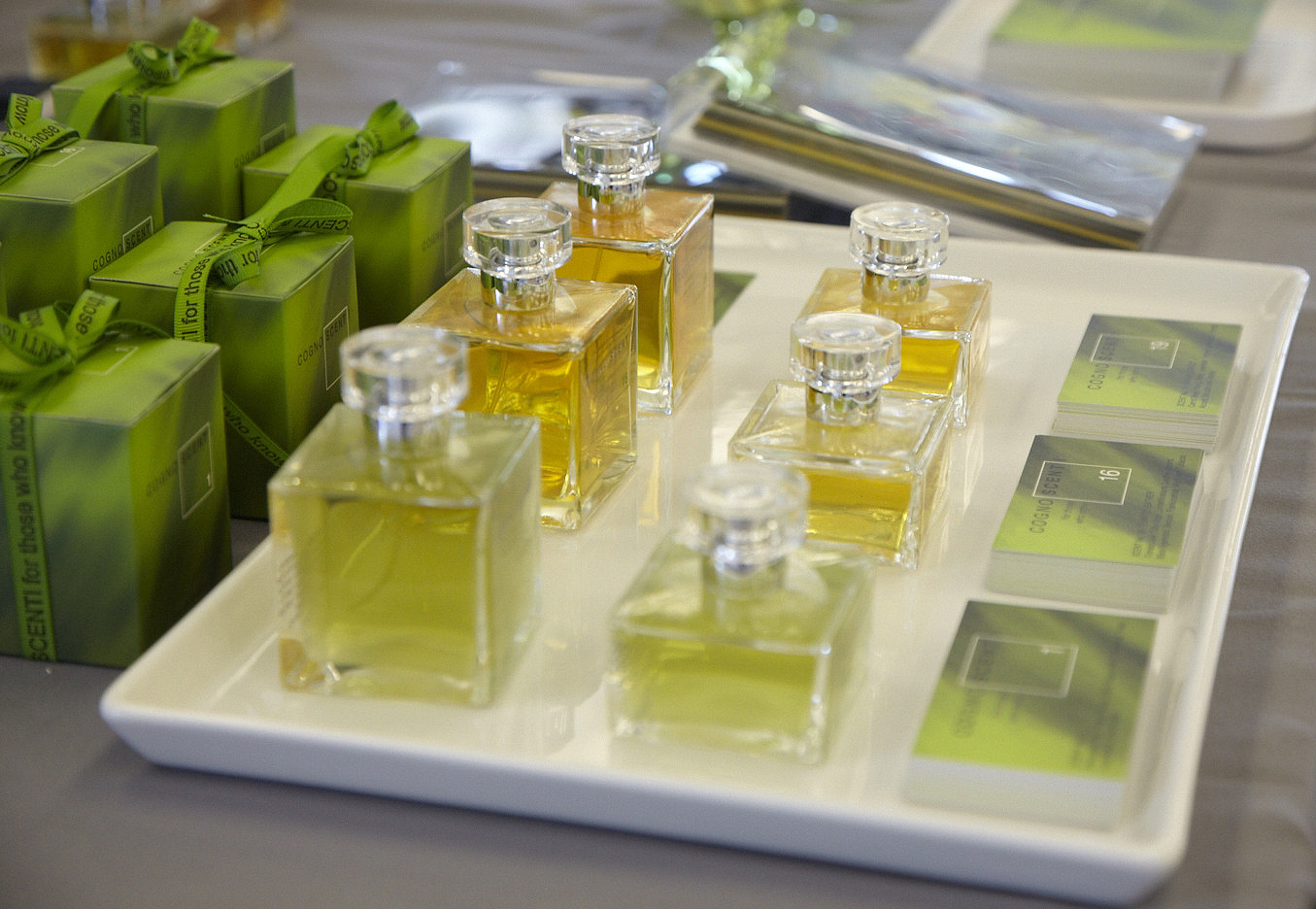
Pienso que crear una verdadera fragancia unisex es mucho más difícil que la elección de tener que optar por los extremos masculinos o femeninos del espectro. Trabajo mucho en cada perfume para apelar a ambos sexos por igual, creando para el individuo y no para el género. Considero que he logrado mi objetivo cuando la gente no puede definir si un perfume es específicamente para hombre o para mujer. Creo fragancias para individuos interesados e interesantes y espero que COGNOSCENTI les resulte atrayente. A veces se requiere una mujer más osada para adoptar un Leather (No.16) o un hombre refinado para entender un suave Ambers and Vanilla (No.19). Constantemente me sorprendo por la manera en que cada composición es llevada por un rango tan amplio de personas.
Sabemos que muy pronto estarás incorporando una nueva fragancia a la línea. ¿Qué podés contarnos al respecto?

No.8 – Aldehydic Oakmoss será lanzado a mediados de noviembre de este año, apenas en un par de semanas. El punto de partida fue un chipre sencillo: bergamota, cedro y musgo de roble. Amo el musgo de roble y quería ponerle mucho al blend.

Todas las variaciones de No.8 fueron extremadamente diferentes. Después de casi un año, éste emergió como mi favorito. Palma de areca, tonka y cacao se añadieron para acentuar y balancear al musgo de roble. El deseo de lograr una “chispa” especial en la salida me hizo probar con los aldehídos. Las notas altas que definen al perfume son el Aldehído C-12 Laurico, pimienta rosa y cedro Atlas.

Es muy diferente y difícil de describir. Estoy ansiosa por saber cómo lo van a definir los demás. En conjunto, es al mismo tiempo especiado y suave. Un veloz latigazo que te toca… no muy fuerte pero brinda un estremecimiento delicioso seguido de una tranquila suavidad. Ha sido un favorito de mis testeadores beta y fue bien recibido en los Artisan Fragrance Salon International Awards, así que espero que a los demás también les guste.

Virginia

foto: Annabelle Breakey

foto: Annabelle Breakey

Reason and sensitivity –  An interview with Dannielle Sergent

I’ll never forget that smile. When I met Dannielle -almost a year ago- she looked fresh and proud of her brand-new creations. It was that kind of certainty mixed with excitement you have when you know your results are what you were looking for. You’re happy to show them to the world.

And she was right: her fragrances are beautiful and original. In Cognoscenti, perfumery skills are executed by Dannielle Sergent with a perfect combination of logic and emotions. Today she shares with us a little of her personal history and how her upcoming release was born.

When and how did your interest in perfumery start?

I have always been interested in perfume, but I think it was when I was 12 that it really became a definitive pursuit. It was a two pronged passion, design and scent. My family has collected Art Glass for generations. My mother, grandmother and great grandmother all had interesting collections. I collected perfume bottles. I was initially more interested in the bottles but there was an Art Deco pink cut glass flacon that I received when I was 13 that had an alluring scent inside. Musky, powdery and a sharp freshness. It conjured images of quiet elegance and spirit at the same time. I loved how a single fragrance could represent two sides of a spectrum. I still don’t know what it is but it piqued my interest immensely. I also started wearing fragrance at that time, mixing my own from oils at The Body Shop in Berkeley (now Body Time) and then wearing Babe, and Chanel – Cristalle. I wore Cristalle for over 20 years but mixed it with a lot of men’s fragrances.

As a creative person I always wanted to make perfume but it wasn’t until July 2010 that I woke up and decided it was time. I took a class at Yosh’s studio the next morning and was truly inspired by her passion, the process and especially the ingredients. That day COGNOSCENTI was born.

How would you define your relationship with the world’s olfactory dimension?

I have always had a sensitive nose. When I was young I didn’t understand why others weren’t aware of certain odors, the good or the bad. Everything was scented and I just seemed to notice it more. This confused and inspired me at the same time.

My career had always focused on my visual acuity: drawing, painting and design; but the nose was part of me too. It wasn’t until I consciously focused on it did my relationship with the olfactory dimension grow.

Memories are tied to scent for most people but they become spatial for me. I have this scent bank in my head and when I see certain places I can smell them. TV and movies take on a new dimension. And as I continue to learn more about fragrance the scent bank grows. Its like learning a new language and then finding one day you are dreaming in that language. I find this infinity fascinating.

You are also an architect, designer and painter. How does it impact on your creative style?

Creating anything involves innovation and execution. If the new thing comes from a single individual it requires a strong left and right brain. I am lucky to have a capacity and a passion for both sides of the creative process and the fully developed brain to pursue them.

Stylistically I have always been drawn to the play of hard and soft, natural and man made, modern and historic. If you look at my paintings, flowers are held by pins and wires, my buildings are a composition of new technology and simple materials, and my fragrances are both sharp and soft. The middle doesn’t interest me.

You work with naturals as well as synthetics. What do you value most of each group? How do they complement each other in a harmony?

I love natural ingredients for their complexity, their uniqueness based on regional, seasonal and processing variations, and for their ability to morph over time. I have stated before that I started with only naturals but felt that I wasn’t given all of the “colors” I needed to “paint’ with.

Synthetics were initially a sourcing problem because I didn’t know where to get them in small quantities. Once acquired, I found that a single molecule could provide a fixed point for the dance of the naturals in a mix. It opened up the range of scents I could design. I also appreciate the clarity of synthetics. Natural Isolates also provide clarity but the rational simplicity of molecules and some of the weirder components available with synthetics appeal to me.

Since many of our natural ingredients are now either unsustainable or outlawed by perfume standards, finding realistic and compliant replacements for some of my favorite ingredients is made easier with synthetics. I love them both and enjoy working with all the “colors” available.

Your fragrances are unisex and that eliminates an important restriction at creation time. With that total freedom in composition, which are your guiding standards?

I think that creating a true uni-sex fragrance is much harder than choosing to go to either end of the male or female spectrum. I work really hard on each scent to appeal to both sexes equally, creating for the individual not their gender. I am successful when people can’t define it as specific for a man or woman. I create fragrances for interesting and interested individuals and hope that COGNOSCENTI appeals to them. Sometimes it calls for a more daring female to embrace a Leather (No.16) or a refined man to understand soft Ambers and Vanilla (No.19). I am constantly surprised by how each scent is worn by such a broad range of people.

We know that you will be incorporating a new fragrance to the line very soon. What can you tell us about it?

No.8 – Aldehydic Oakmoss will be released mid November of this year, just a few weeks away.  The starting point was a simple Chypre: Bergamot, Cedarwood and Oakmoss. I love Oakmoss and wanted to saturate it in a blend.

All the variations on No.8 were extremely different. After about a year this one emerged as my favorite. Betel Leaf, Tonka Bean and Cocoa were added to accent and balance the Oakmoss. The desire for a special “zing” at the front had me testing Aldehydes. The Aldehydic top note blend that defines the scent is Aldehyde C-12 Lauric, Pink Pepper, and Atlas Cedarwood,

It’s very different and hard to describe. Looking forward to hearing how others define it. Overall it’s spicy and soft at the same time. A quick whip that flicks you… not too hard but leaves a delightful tingle and then a quiet softness. It’s been a favorite of my beta testers for a while and was well received in the Artisan Fragrance Salon International Awards so hopefully others will like it too.

Virginia

foto: Annabelle Breakey

foto: Annabelle Breakey

Entrevista: Steven Gontarski – Un artista en un bar (de perfumes)

foto: Virginia Blanco

foto: Virginia Blanco

Sus bigotes -a veces al ras, a veces esculpidos, con los extremos torneados suavemente hacia arriba- y su mirada sonriente son una marca registrada. La imagen del Scent Bar de Luckyscent-una de las perfumerías de nicho más famosas del mundo- está asociada con el rostro del artista plástico Steven Gontarski.

Durante mi visita a la tienda en Los Ángeles, pude observar la dinámica del lugar. Me llamó mucho la atención el trato cuidadoso y a la vez relajado que se les da los clientes. Luego Steven me contó las particularidades del “bar” y aportó, desde su mirada artística, qué es para él la Perfumería como disciplina.

Hemos visto en videos de Luckyscent que te definen como “el Genio del Scent Bar”. ¿Cómo explicarías esa denominación?

Simplemente nos estábamos divirtiendo cuando tratamos de pensar en títulos para nosotros mismos. Somos vendedores asociados, por supuesto, pero todos en el Scent Bar tenemos un amplio conocimiento sobre fragancias -lo tenés cuando estás rodeado por tantas fragancias interesantes y te comunicás con clientes que están extraordinariamente bien informados sobre el mundo de los perfumes. Así que buscamos un título que fuera  la versión pomposa de “vendedor asociado”. En los locales de Apple se llaman a sí mismos “genios” por su conocimiento especializado. Entonces tomamos prestado el título de allí.

Pensando en tu background en artes visuales. ¿Cómo te definirías? ¿Desde qué perspectiva conectás con los perfumes?

Estudié arte y trabajé como escultor durante más de diez años, así que supongo que me identifico como un artists plástico (a pesar de que no esculpo tanto como solía hacerlo). Yo conecto con los perfumes como un fan. No hago perfumes pero me encanta olerlos y aprender sobre ellos.

¿Pensás a la Perfumería como un arte? 

Veo a la Perfumería como arte aplicado, al igual que la moda o la alta cocina. Las Bellas Artes -las que juegan una función diferente en nuestra cultura- no necesariamente tienen que ser placenteras y tienen sus propias historias y tradiciones. La Perfumería es más un hacer con las manos, o con la nariz, para ser más precisos. Un perfume debe oler bien, interesante y debería ser, en última instancia, usable.

Imagináte que estás charlando con alguien que no conoce Luckyscent. ¿Cómo le contarías de qué se trata?

Luckyscent (el sitio web) y el Scent Bar (la tienda física) buscan encontrar y presentar lo mejor de la perfumería independiente y de nicho. Vendemos pequeñas marcas que son más libres para crear aromas únicos, que exploran las posibilidades en perfumería y están menos inclinados a seguir las tendencias que tanto caracterizan a los perfumes de las grandes marcas -masivas y populares- de moda y belleza.

¿Cómo se diferencia el concepto de “Scent Bar” en contraposición con el de las perfumerías clásicas o los counters de fragancias en las grandes tiendas?

Nosotros no trabajamos para una marca en particular, así que no tratamos de influenciar a los clientes para que elijan una marca sobre otra. Todo está presentado por igual en la tienda y buscamos dar con la mejor fragancia que mejor coincida con el gusto del o la cliente, sin importar la marca.

Cada una de las fragancias ha sido curada por ustedes. ¿Cómo es el proceso de selección?

Todas las fragancias son seleccionadas por Franco Wright y Adam Eastwood, los fundadores de Luckyscent. Desde ahí nosotros en el Scent Bar elegimos las que estarán en la tienda. Tratamos de exhibir una amplia variedad, no sólo aquellas fragancias que se venden bien sino también aquellas que son únicas, osadas e interesantes.

¿Cómo delinearías los perfiles de los distintos tipos de sus clientes? ¿De qué manera los acompañana en la búsqueda?

Nuestra clientela es un grupo muy heterogéneo. No hay un “tipo” típico que frecuente la tienda. Hay igual número de hombres que de mujeres provenientes de diferentes ámbitos de la vida. La única cosa que todos tienen en común es el entusiasmo por las fragancias.

Varios lectores de Sudamérica nos consultan sobre su tienda online. ¿Está actualmente disponible el envío de órdenes para esos países?

Lamentablemente, en este momento no estamos en condiciones de realizar envíos para la mayoría de los países de América del Sur. Es una pena y esperamos tenerlo en el futuro. Mientras tanto, disfrutamos de conocer a los clientes oriundos de allí que vienen a visitar la tienda.

Virginia

Scent Bar, Los Angeles - foto: Virginia Blanco

Scent Bar, Los Angeles – foto: Virginia Blanco

Interview: Steven Gontarski – An artist in a (Scent) Bar

His mustache -sometimes cut at skin level, sometimes sculpted with the ends gently turned up- and his smiling eyes are his trademark. The Scent Bar of Luckyscent-one of the most famous niche perfumery in the world- is associated with the face of fine artist Steven Gontarski.

On my visit to the store in L.A., I could observe the dynamics of the place. What caught my attention was the careful yet relaxed treatment given to the customers. Later, Steven told me about the particularities of the “bar” and also contributed from his artistic view, what Perfumery as a discipline means to him.

We have seen you referred as the “Scent Bar Genius” in the Luckyscent video. Could you explain that denomination?

We were just having fun when we tried to think of titles for ourselves. We are sales associates of course, but all of us at Scent Bar have extensive knowledge in fragrance – you have to when you’re surrounded by so many interesting fragrances and communicate with clients who are unusually knowledgable about the world of perfume – so we tried to think of a title that was a plumped-up version of ‘Sales Associate’. At the Apple Store they call themselves geniuses because of their specialized knowledge. So we borrowed the title.

You have a background in visual arts. How would you define yourself? Which from perspective do you connect with perfumes?

I studied art and worked as a sculptor for over ten years so I suppose I identify myself as a fine artist (although I don’t sculpt nearly as much as I used to). I connect with perfume as a fan. I don’t make perfume but I love smelling it and I love learning about it.

Do you think of perfumery as an art? Why?

I see perfume as an applied art, like fashion or fine cuisine. Fine art has its own traditions and histories – it performs a different function in our culture – it doesn’t necessarily have to be pleasing. Perfumery is more hands-on, or nose-on to be more precise. A perfume should smell good and interesting and should, ultimately, be wearable.

Imagine you are talking with a person who doesn’t know Luckyscent. How would you describe your mission to him/her?

Luckyscent (the website) and Scent Bar (the store) seek to find and present the best in niche, independent perfumery. We sell smaller brands that are freer to create unique scents that explore the possibilities in perfumery and are less inclined to follow trends that tend to characterize the large, mainstream, popular cosmetic and fashion brand perfumes.

What is the “scent bar” concept and what is the difference with classical perfumeries or fragrance counters at department stores?

We do not work for a particular brand so we do not try to influence clients to favor one line over another. Everything is presented equally in the store and we try to match a client’s taste with the best fragrance for him or her, despite the brand.

Every fragrance has been curated by you. What is that selection process like?

All the fragrances are chosen by Franco Wright and Adam Eastwood, the founders of Luckyscent. From those, we at Scent Bar choose the ones that will come to the store. We try to showcase a wide variety, not only fragrances that sell well, but those that are unique, edgy and interesting.

Can you describe the different profiles of your customers? How do you accompany them on the search?

Our customers are such a varied group. There’s no typical ‘type’ who frequents the store. Equal numbers of men and women from all walks of life. The only thing they have in common is an enthusiasm for fragrance.

Many Southamerican readers ask us about your online store. Is your international shipping service available for those countries?

Unfortunately at this time we’re not able to ship to most South American countries. This is a shame and hope that in the future we will. In the meanwhile we are so excited to meet visitors from South America when they come into our store.

Virginia

imagen: Stevengontarski.com - Bird 253, 2010  artista: Steven Gontarski

imagen: Stevengontarski.com – Bird 253     artista: Steven Gontarski, 2010

Entrevista: Giovanni Sammarco – Perfumes suizos a la italiana

Giovanni Sammarco

Con una maestría en Leyes bajo el brazo, Giovanni Guercia Sammarco descubrió que quería ser perfumista. Decidió comenzar ese rumbo en su Italia natal y llegó a crear tres fragancias (Vitrum, Alter y Bond-T) antes de dejar su residencia en Leccé y comenzar una nueva etapa -y una nueva marca- en Appenzell, Suiza.

Giovanni, quien hoy se autodefine como un artesano de la perfumería, nos cuenta en esta breve entrevista cómo fueron esos cambios y los desafíos y proyectos que tiene por delante.

Llegaste a la perfumería desde otra disciplina. ¿Cómo fue esa transición? ¿Está completa?

Es una buena pregunta. Tengo un master en Leyes. Me preguntan sobre eso a menudo y no tengo una buena respuesta. Después de finalizar el master desarrollé un fuerte interés en la perfumería, entonces hice diferentes experiencias en este ámbito y encontré que este es mi camino. Ahora que estoy en Suiza puedo decir si está completa. Pero quizás no, este año tendré mi examen final para mi doctorado en Derecho Civil. Entonces ahí sí estará completa.

¿Por qué elegiste trabajar con perfumería natural?

Porque la Naturaleza es la maestra perfumista del mundo. Aunque creo que la respuesta correcta es que yo elegí la perfumería artesanal. Mi idea es que el perfumista tiene que ser un artesano y tiene que controlar cada pequeña cosa en cuanto a sus perfumes. No creo que un perfumista pueda ser solamente el director de su marca, el perfumista tiene que poner sus manos a la obra trabajando con las materias primas. Creo que los ingredientes naturales son más ricos y expresivos que los sintéticos pero no descarto la idea de usarlos en un futuro.

¿Crees que la perfumería es un arte? ¿ Por qué?

No, no creo que sea arte. Para mí la perfumería es una manualidad y esa es la razón por la cual creo en el valor de la perfumería artesanal. Para mí el Arte es mayor que la perfumería. Y no quisiera que me llamen artista. No creo que sea la perspectiva correcta definir a los perfumistas como artistas.

Hemos notado que ponés énfasis en la fotografía. ¿Cómo interpretás el cruce de lo visual y lo olfativo?

Sí, me encanta conectar mis perfumes con imágenes tomadas por mi amiga y experta fotógrafa Viola Cangi. Pienso que su manera de ver el mundo a través de la cámara es similar a mi estilo a la hora de componer perfumes. Creo que un aroma puede ser explicado mejor por una foto que con palabras.

Has lanzado recientemente a Sammarco Perfumes, una marca renovada. ¿Cuáles son las diferencias con su predecesora, Fragrance Scout?

Fragrance Scout es más mi viejo blog que una marca de fragancias. Ahora me mudé a Suiza, reorganicé todo y elegí lanzar mis fragancias con mi nombre. Y también con un nuevo packaging e identidad visual. Además abrí una nueva website suiza (www.giovannisammarco.ch).

Ya has creado varias fragancias y estarás presentando una nueva. ¿Cuál es tu favorita?

Tengo 3 fragancias hasta el momento. ¿Mi favorita? Es una pregunta complicada. No tengo una favorita. Todas son mis criaturas y puedo decir que cada una de ellas es favorita. La nueva que estaré lanzando – todavía estoy trabajando en ello -será un perfume de tabaco y ron. Encontré un extracto natural extraordinario de ron ¡y me enamoré de él!

Sabemos que tenés una conexión especial con nuestro país, Argentina. ¿Cómo lo describirías, en términos olfativos?

Sí, es verdad. El tema de mi tesis de maestría fue Argentina. Mis escritores favoritos son argentinos, Borges y Cortázar. Una de mis bebidas favoritas ¡es el mate! Creo que son un gran país, con estupenda gente y con el poder de cambiar el mundo. Pienso en su poder contra los dictados del FMI, en un contexto de grandes problemas además.

Describir Argentina en términos olfativos no es fácil para mí, porque nunca he estado en su país y sólo puedo imaginarlo en mi mente. Tengo que ir, tan pronto me sea posible. Pero las páginas de Borges huelen a Buenos Aires e imagino que el aroma del Aleph tiene una pincelada de absoluto de yerba mate.

Virginia

Fotos: gentileza de Sammarco Perfumes.

Giovanni SammarcoInterview: Giovanni Sammarco – Swiss perfumes with Italian style

With a Master’s degree in Law, Giovanni Guercia Sammarco realized he wanted to become a perfumer. He decided to follow that path while he was living in his home country, Italy. He has created three fragrances (Vitrum, Alter and Bond-T) before to leaving his town in Leccé and starting a new life -and a new brand- in Appenzell, Switzerland.

Giovanni, who nowadays calls himself an artisan of perfumes, tells us in this brief interview how those changes were and his next challenges and proyects.

You came to perfumery from another discipline. What was that transition like? Is it complete?

This is a good question. I have a master in Law. I was asked about this  often and I don’t have a good answer. After obtaining my master’s degree I developed a strong interest in perfumery, then I made different experiences in this world and I realized that this is my street. Now that I’m in Switzerland, I can say if it’s complete. But perhaps not, this year I will have final exam of my PhD in Civil Law. Then It will be completed.

Why did you choose natural perfumery?

Because Nature is the master perfumer of the world. But I think the correct answer is that I choose artisanal perfumery. My idea is that a perfumer has to be an artisan and has to control every single thing about his perfumes. I don’t think that a perfumer can be only the director of his brand, the perfumer has to put his hand into the raw materials. I think naturals are richer and more expressive than chemicals but I don’t exclude the idea of using chemicals in the future.

Do you believe perfumery is an art? Why?

No, I don’t believe perfumer is an art. For me perfumery is  a craft, and this is the reason I believe in the value of artisanal perfumery. For me Art is greater than perfumery. And I would not like to call me an artist. I think that it’s not the right perspective to define perfumers as artists.

We have noticed that you put emphasis in photography.  How do you interpret the intersection of the visual and olfactory?

Yes, I love to connect my perfumes with images shot by my friend and skilled photographer Viola Cangi. I think her way to see the world trough the camera is very similar to my style of composing perfumes. I think that a smell can be better explained with a photo than with words.

You have recently released Sammarco Perfumes, a renewed fragrance brand. Which are differences with Fragrance Scout, your previous brand?

Fragrance Scout is more my old blog than a fragrance brand. Now I moved to Switzerland and reorganized all and choose to release my fragrances with my name. And also with new packaging and visual identity. And I opened my new Swiss website (www.giovannisammarco.ch)

You have already created several fragrances and are releasing a new one. Which is your favorite?

At the moment I have 3 fragrances. My favourite? Hard question. I don’t have a favourite. All are my creatures and I can say that each one is my favourite. The new one I will realease, I’ m still working on it, will be a rum tobacco perfume. I found an extraordinary natural extract of rum and I fell in love with it!

We know you have an special connection with our country, Argentina. How would you describe it in olfactory terms?

Yes, it’s true. The subject of my master thesis was Argentina.  My favourite writers are  Argentinian, they are Borges and Cortazar. One of my favourite drink is maté! I think you are a great country, with great people and the power to change the world. I think about your power against the diktat of IMF, also in a context of great troubles.

To describe Argentina in olfactory terms is not easy for me, because I have never been to your country and I can only work with my mind. I have to come, as soon as it will be possible. But Borges’s pages smell of Buenos Aires, and I can imagine the smell of Aleph with an hint of maté absolute.

Virginia

Images: Pictures are courtesy of Sammarco Perfumes.

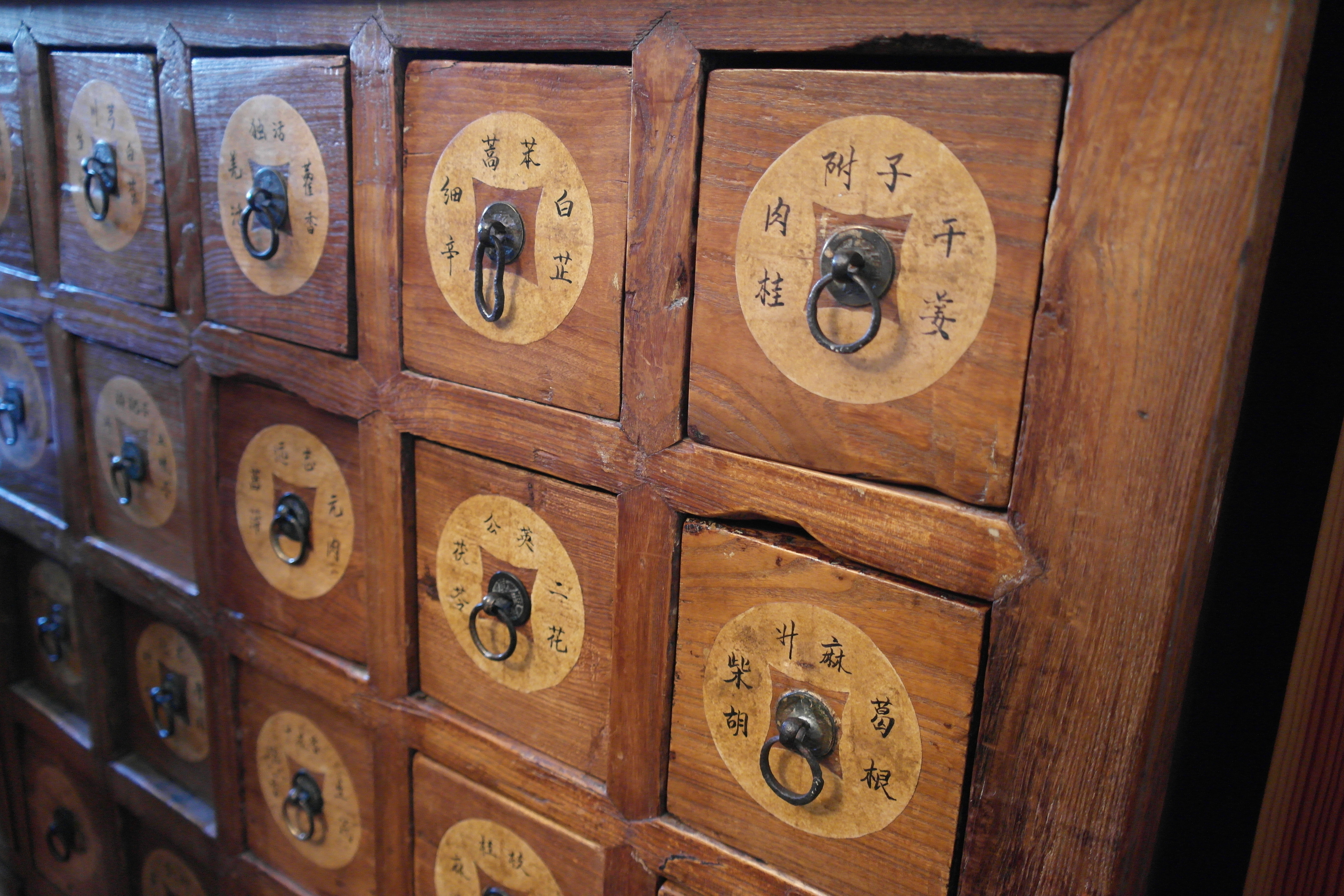
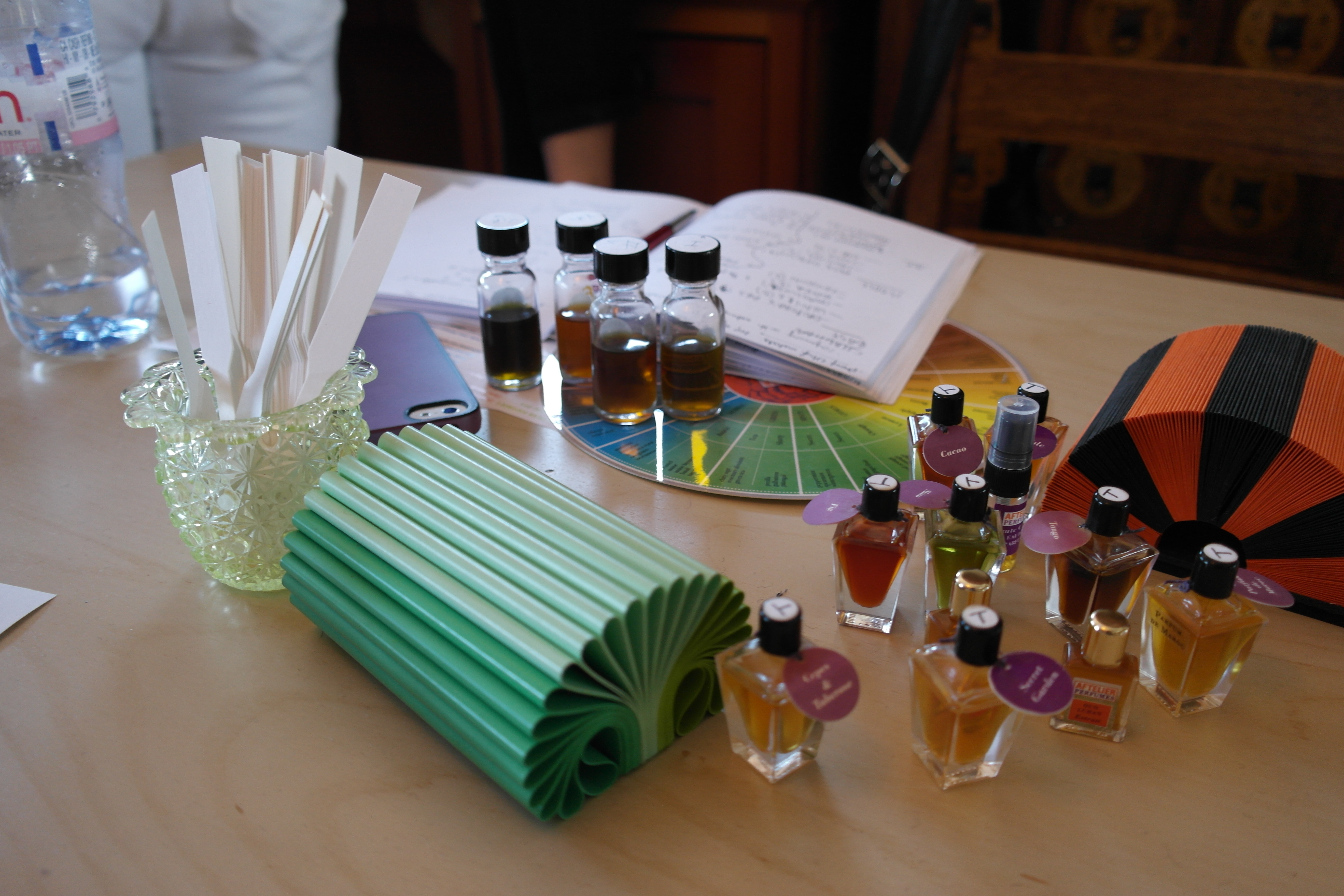
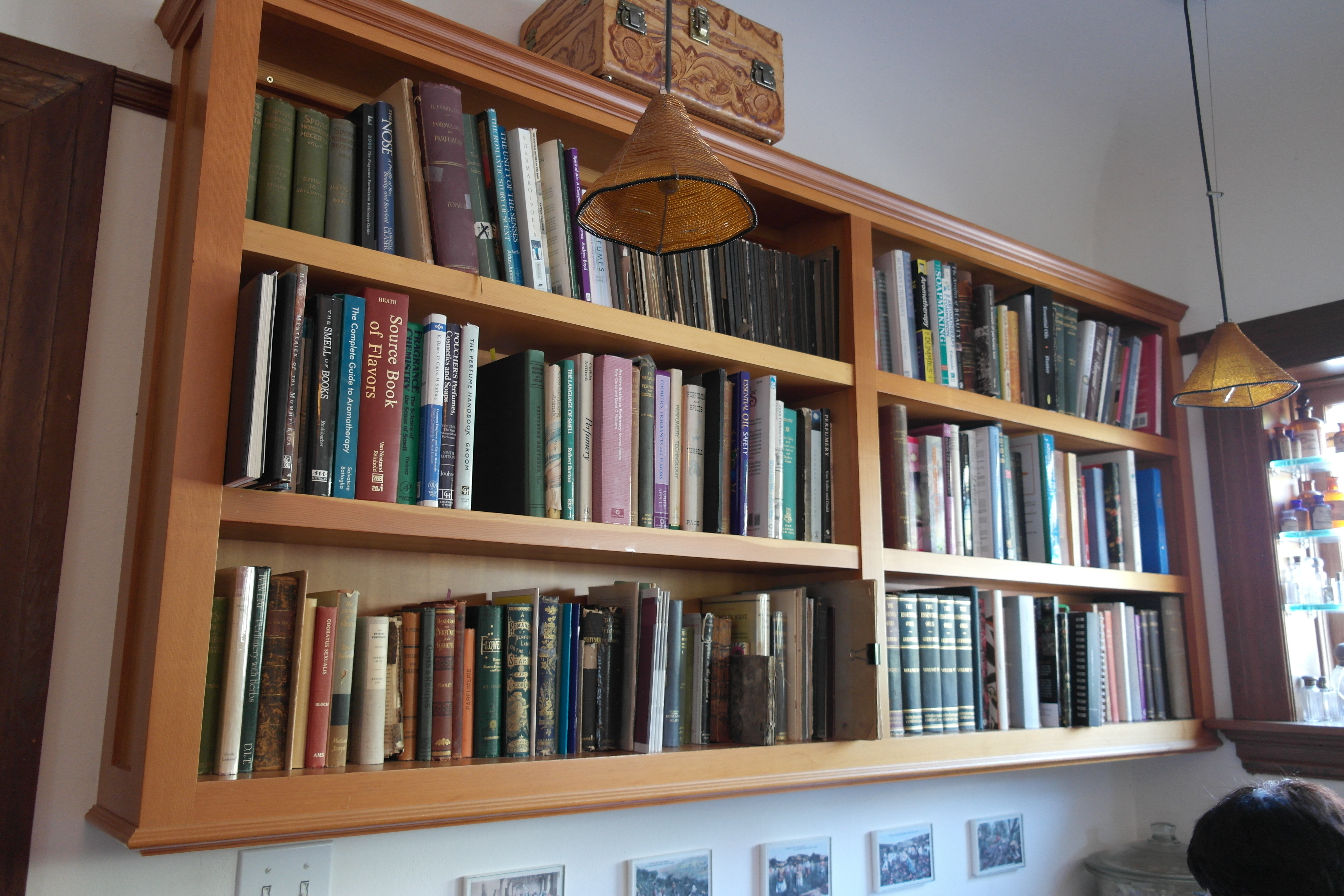
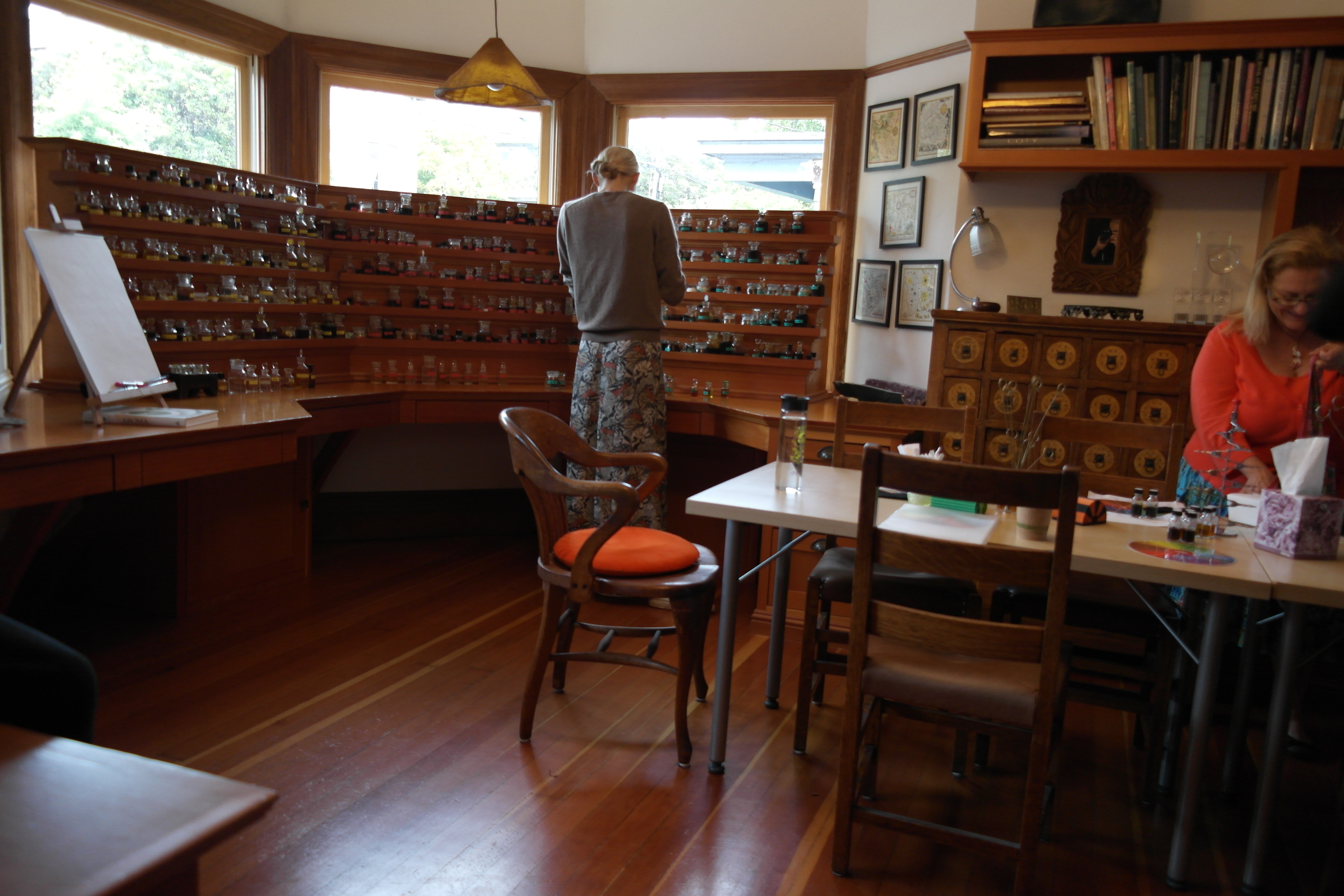
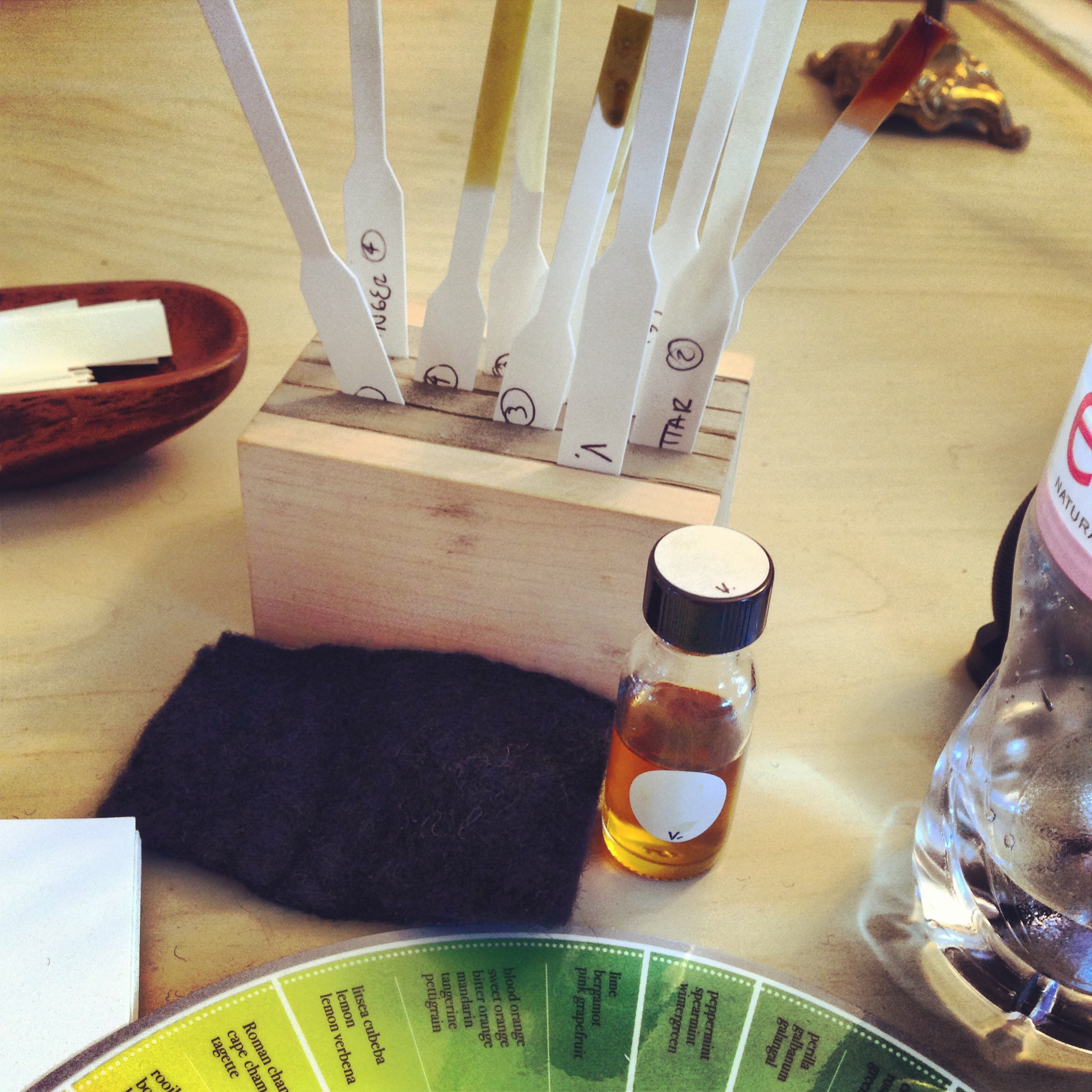
Tour olfativo constante – El estudio de Mandy Aftel

foto: Virginia Blanco

foto: Virginia Blanco

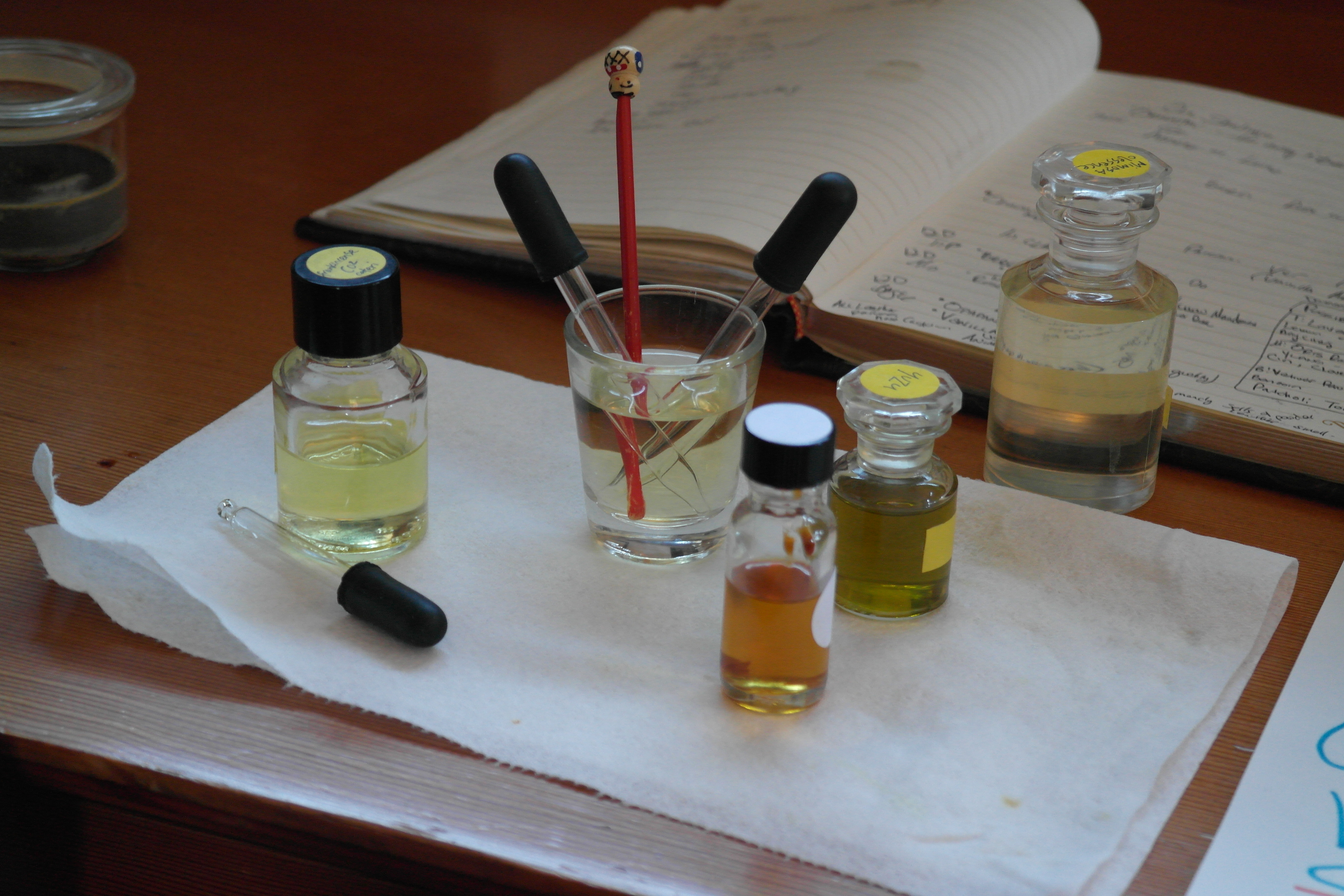
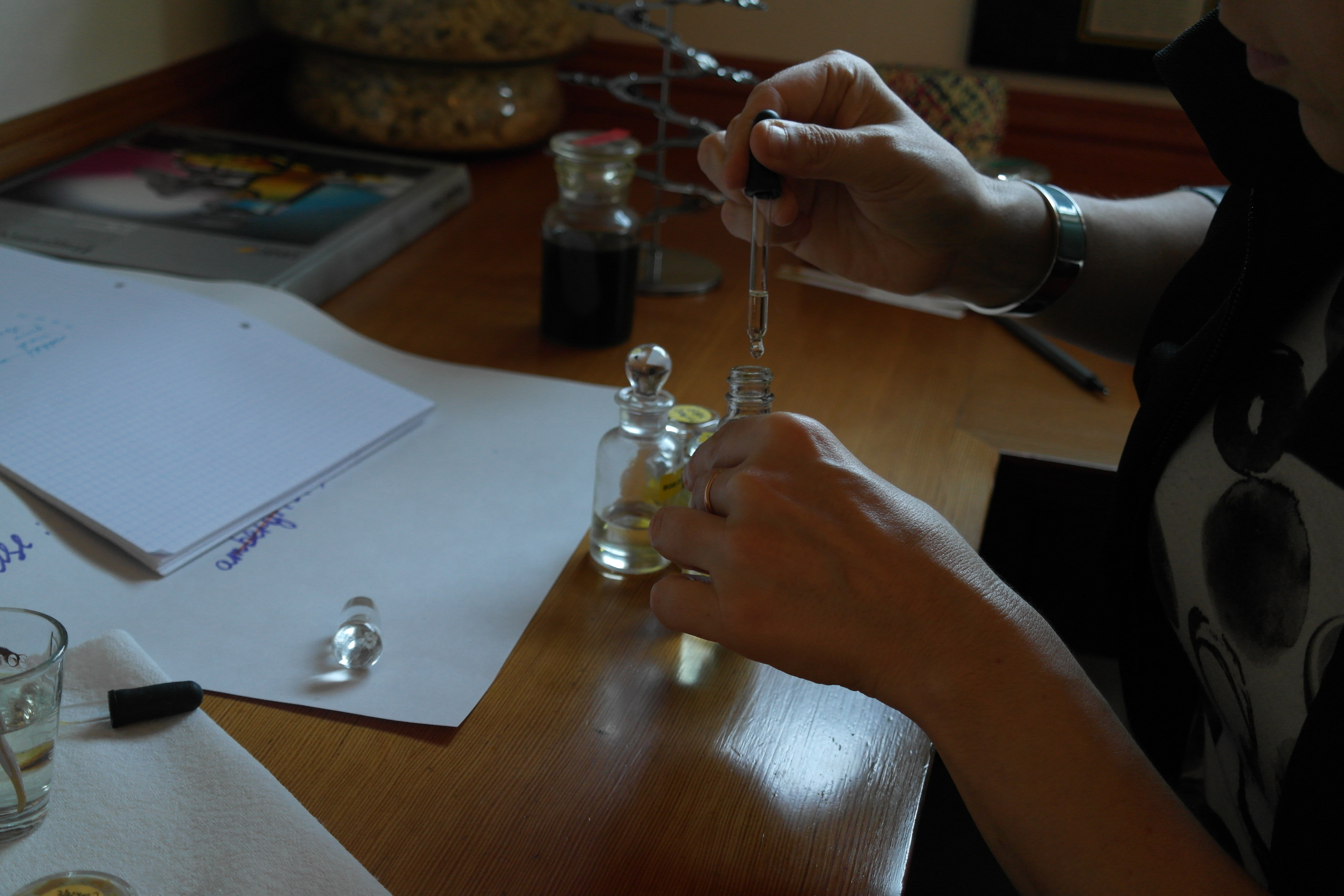
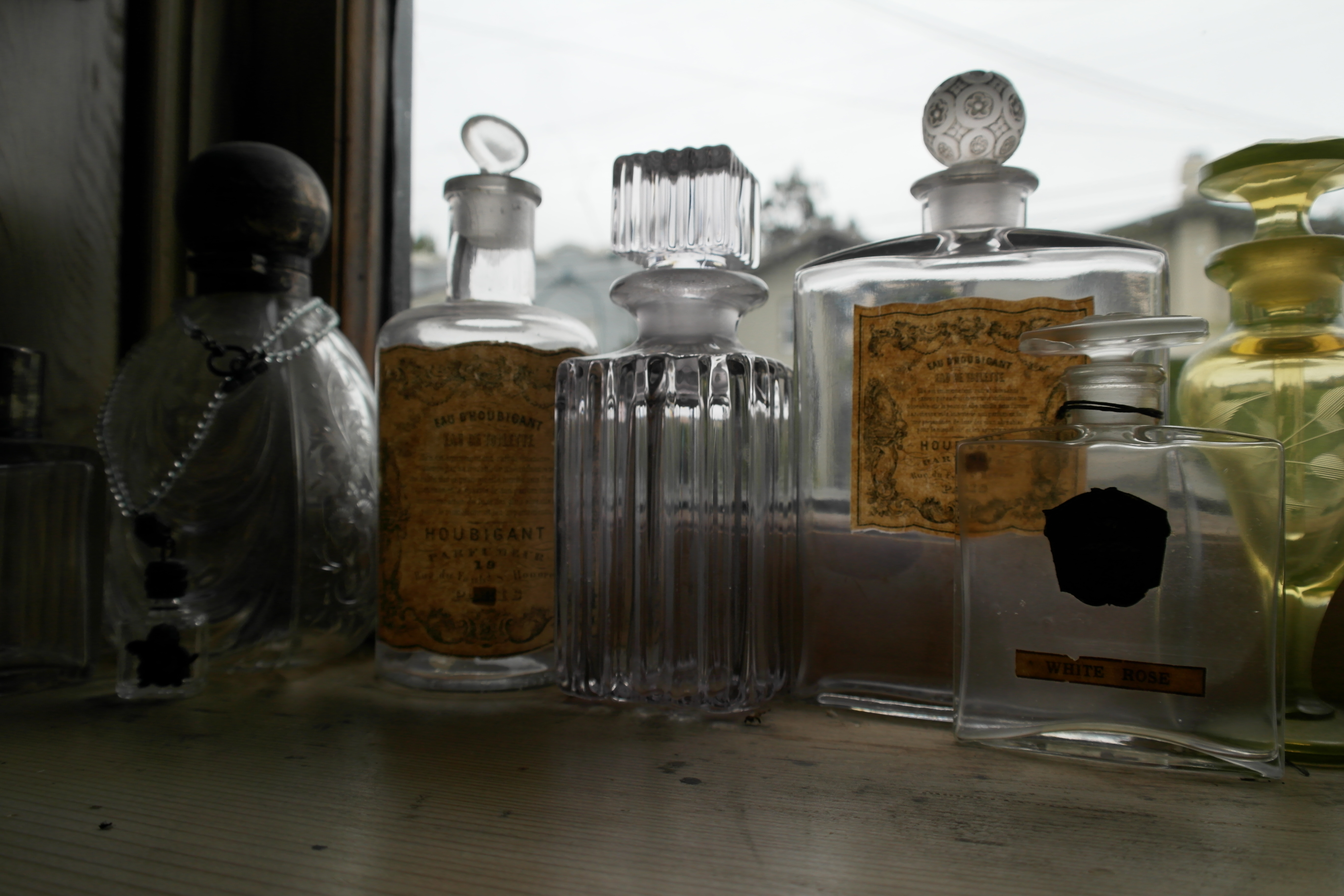
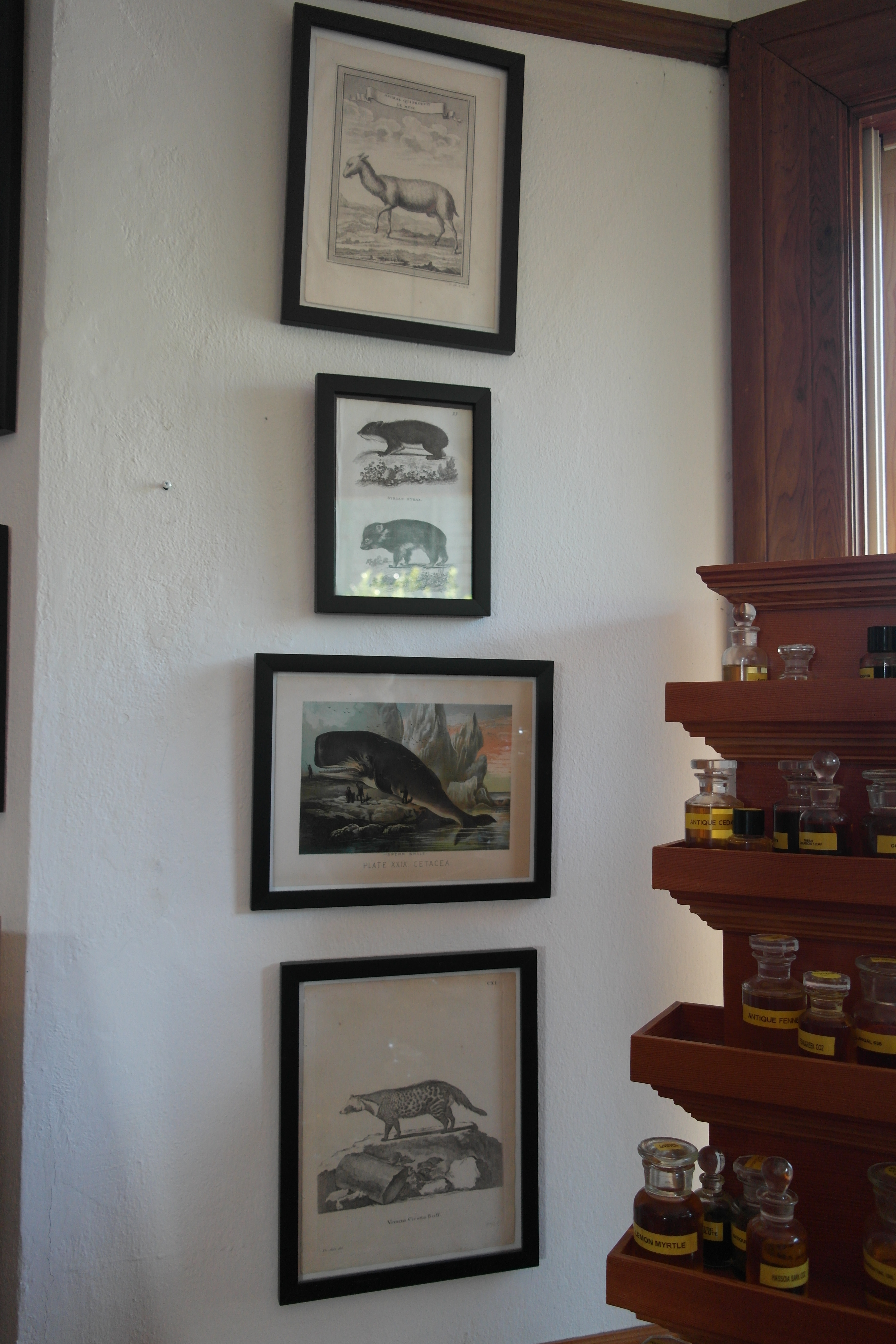
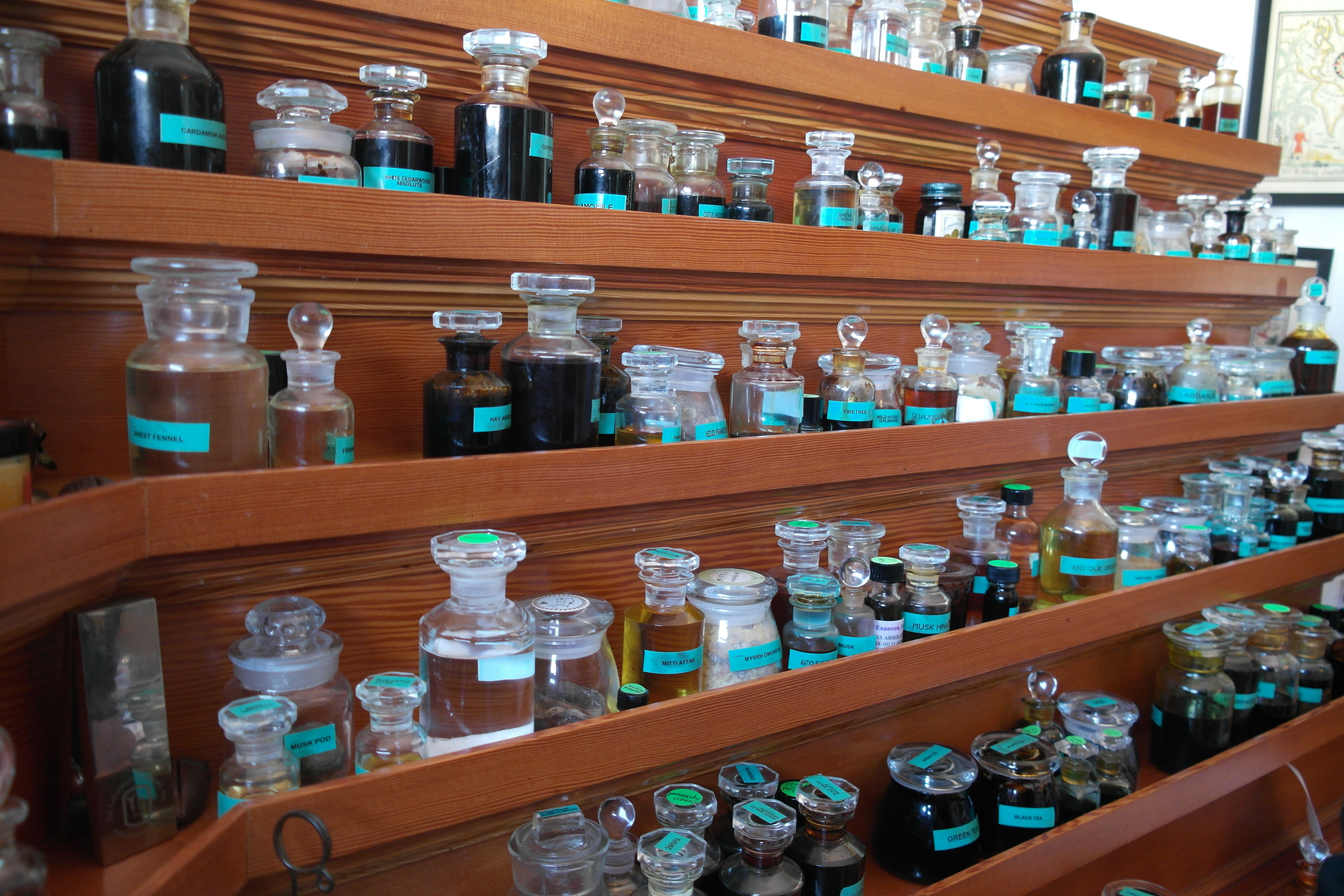
Estoy convencida de que para un verdadero amante de los perfumes pocas cosas hay en el mundo tan paradisíacas como estar en el estudio de un perfumista. La experiencia de encontrarse de pie frente a sus instrumentos de trabajo, el poder ver, tocar y -oh!- oler cada uno de los frasquitos y botellas es un sueño hecho realidad.

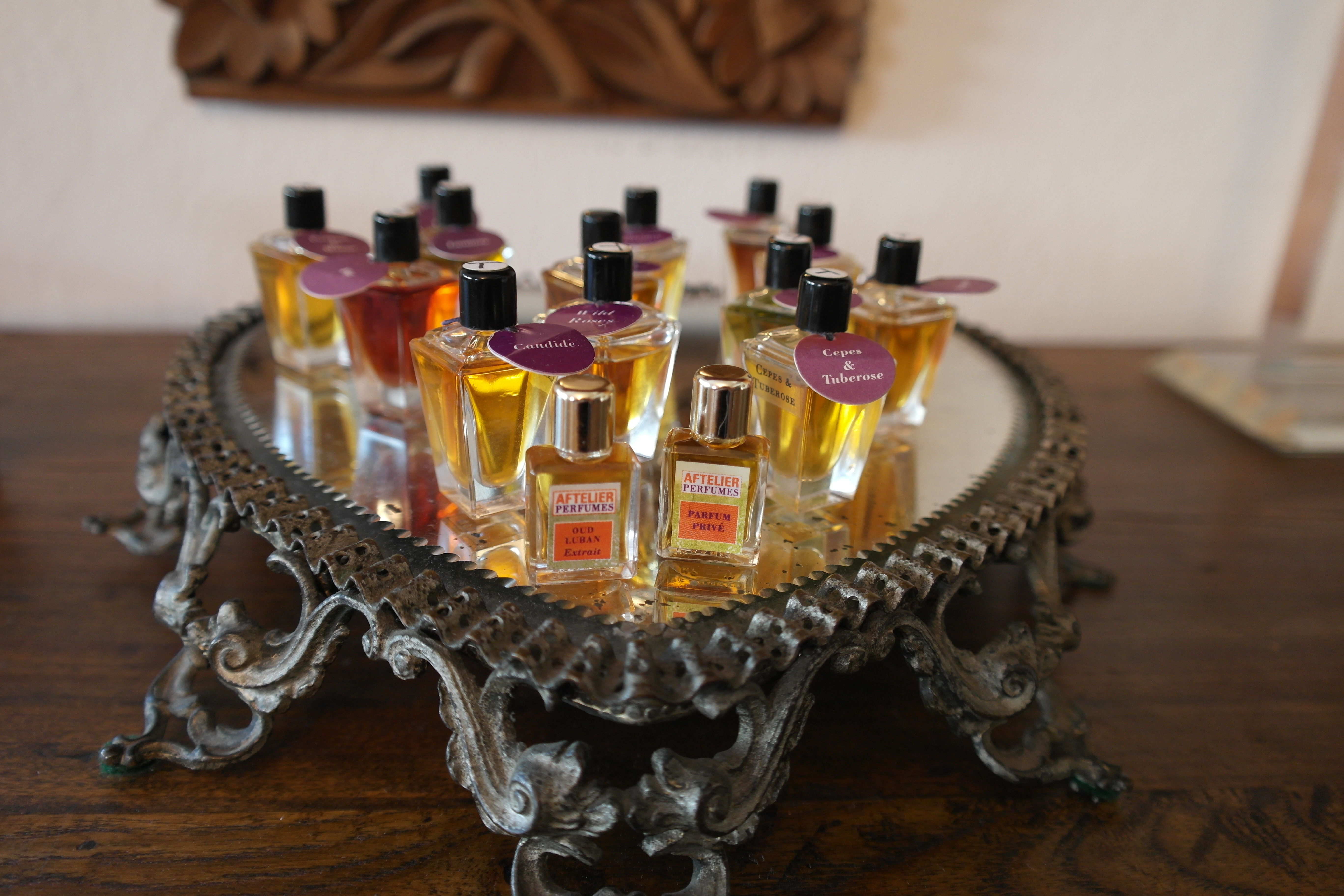
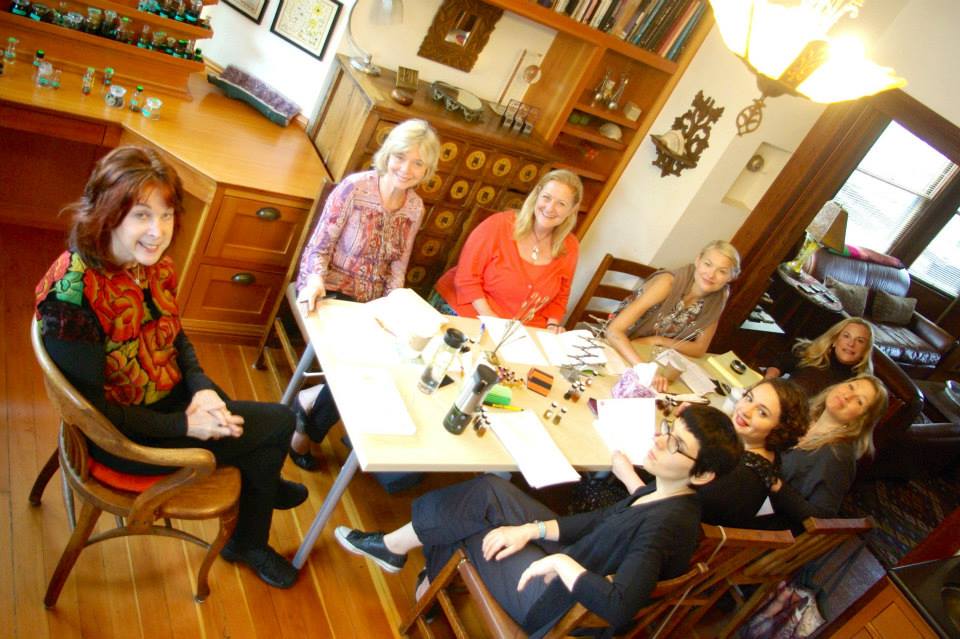
Así me sentí cada día en el que asistí a las clases de perfumería natural de la gran Mandy Aftel, en Berkeley, California. Creadora y nariz de la marca Aftelier, es también autora de varios libros (entre ellos “Essence & Alchemy” y “Scents & Sensibilities”) citados frecuentemente por investigadores académicos en cuestiones sociológicas, antropológicas e históricas sobre el olfato y la cultura.

Las clases fueron inolvidables. Lo único que nos apremiaba a mis compañeras y a mí era el tiempo para terminar las fórmulas: nunca es suficiente. Pero, fuera de ello, no teníamos ninguna presión. Mandy logra el equilibrio entre dejarte trabajar libremente y a la vez estar pendiente del proceso individual de cada estudiante.

No me canso de repetir lo agradecida que estoy por la generosidad que muestra para con sus alumnos. Ejerciendo una profesión con tantos secretos, ella -por el contrario- comparte su estudio, su casa, sus materiales, sus fórmulas, sus experiencias, sus conocimientos y sus fuentes. Es una maestra con todas las letras.

Si quieren saber más sobre ella y sus cursos, pasen por su website en Aftelier Perfumes.

Virginia

foto: Virginia Blanco

foto: Virginia Blanco

Continuous olfactory tour – Mandy Aftel’s Studio

I’m sure that for an authentic perfume lover there are not many places as paradisiac as a perfumer’s studio. The experience of standing up in front of their tools and being able to see, touch and -oh!- smell every little jar and bottle is a dream come true.

That was my feeling during every single day while I attended the great Mandy Aftel‘s natural perfumery classes in Berkeley, California.. She is the creator and nose of the brand Aftelier and also the author of several books (such as “Essence & Alchemy” or “Scents & Sensibilities”) frequently quoted by academic researchers in sociological, anthropological and historical issues about smell and culture.

The classes are unforgettable. Only the time were pushing us -my classmates and me-: time never is enough for finishing a formula. But, except that, we did not feel any pressure. Mandy achieves the balance between letting you work freely and at the same time to being aware of each student’s individual process.

I never tire of repeating how grateful I am for the generosity shown to her students. In a profession with many secrets she -instead of keeping them to herself- shares her studio, home, materials, formulas, experiences, knowledge and sources. She is a master in the full meaning of the word.

If you want to read more about Mandy and her natural perfumery courses, follow this link to Aftelier Perfumes.

Virginia

foto: Virginia Blanco

foto: Virginia Blanco

foto: Virginia Blanco

foto: Virginia Blanco

foto: Virginia Blanco

foto: Virginia Blanco

foto: Virginia Blanco

foto: Virginia Blanco

foto: Virginia Blanco

foto: Virginia Blanco

foto: Virginia Blanco

foto: Virginia Blanco

foto: Virginia Blanco

foto: Virginia Blanco

foto: Virginia Blanco

foto: Virginia Blanco

foto: Virginia Blanco

foto: Virginia Blanco

foto: Virginia Blanco

foto: Virginia Blanco

foto: Virginia Blanco

foto: Virginia Blanco

foto: Virginia Blanco

foto: Virginia Blanco

foto: Virginia Blanco

foto: Virginia Blanco

foto: Virginia Blanco

foto: Virginia Blanco

foto: Virginia Blanco

foto: Virginia Blanco

foto: Virginia Blanco

foto: Virginia Blanco

foto: Virginia Blanco

foto: Virginia Blanco

foto: Virginia Blanco

foto: Virginia Blanco

foto: Virginia Blanco

foto: Virginia Blanco

foto: Virginia Blanco

foto: Virginia Blanco

foto: Virginia Blanco

foto: Virginia Blanco

foto: Virginia Blanco

foto: Virginia Blanco

foto: Facebook.com/AftelierPerfumes  ph: Foster Curry

foto: Facebook.com/AftelierPerfumes        ph: Foster Curry