Category Archives: Perfumes

Entrevista: Terroir Perfumes – Atlas del mundo

foto: gentileza de Richard Lüscher Britos

foto: gentileza de Richard Lüscher Britos

 Que nos gusta viajar es un secreto a voces; cuando no es geográficamente posible, lo hacemos a través del olfato.

Madagascar, Colombia, los Alpes suizos, Calabria, el sur de Francia…la  línea suiza Terroir Perfumes se deja inspirar por los aromas que llenan el aire en distintos puntos alrededor del globo. Sus fragancias, que llevan por nombre las coordenadas de cada lugar, han sido compuestos por los narices Jean-Claude Richard, Jean-Claude Gigodot y también por nuestros ya bien conocidos Vero Kern y Andy Tauer.

Intrigadas por estos promisorios perfumes, mantuvimos una breve conversación con Malvin Richard, uno de los fundadores de Richard Lüscher Britos.

¿Cómo y cuándo nació la idea de Terroir Perfumes?

Desde la niñez Serena, Lukas y yo nos dejamos fascinar por el aroma natural de las plantas. Esto puede tener que ver con el hecho de que el padre de Lukas es  científico de bosques y que mi padre es un perfumista con quien Serena y yo descubrimos muchos bellos aromas de plantas alrededor del mundo. Como apasionados de los perfumes, era claro para nosotros que un perfume es tan bueno como la calidad de sus ingredientes. Por lo tanto, empezamos a buscar materias primas excepcionales.

¿Qué mensaje intentan transmitir a través de sus fragancias?

Lo que nos impulsó fue que la calidad de una materia prima de origen natural siempre depende del lugar en el que crece; también de la temperatura, calidad del suelo e influencias humanas. Basándonos en este entendimiento nació la idea de buscar terroirs donde las plantas pudieran expresarse con belleza y crear un perfume basado en esta ubicación, que transporte en un viaje al más fantástico de los mundos perfumados.

¿Los perfumes están compuestos exclusivamente con materias primas de origen natural y orgánicas?

Estamos trabajando exclusivamente con ingredientes naturales. Esto plantea grandes desafíos que tienen que ver con la duración de un perfume o cuando uno trata de trabajar sobre algunos matices olfativos que no se conocen en la naturaleza  (por ejemplo Iso E Super or Galaxolide). Para nosotros estos desafíos son una importante fuerza motivadora e inspiración para nuestras creaciones. Nos gusta comparar un perfume natural con una orquesta clásica. La calidad del sonido de una orquesta clásica está definida por cuán bien contribuye cada instrumento al sonido general. Ahora puede armarse una orquesta con un sintetizador donde todos los instrumentos pueden tocarse en un solo piano, o puede trabajarse con instrumentos musicales individuales, bellos y complejos. Para nosotros los aceites esenciales naturales, ricos y profundamente complejos, representan a esos instrumentos musicales. Y cuando encontrás un director que está bendecido para convertir estos aceites esenciales en un perfume hermoso, resulta tan rico y complejo como una bella sinfonía de Tchaikovsky que nunca podría lograrse con un sintetizador. Es una aproximación verdaderamente auténtica y con orientación artesanal a la creación de perfumes inspirados por la naturaleza. Con nuestros nombres estamos marcando tres áreas de competencia: Britos es por Serena Britos, una etnobotánica con experiencia en el campo de investigación de plantas alrededor del globo. Yo soy un evaluador de fragancias entrenado y responsable de las creaciones de perfume y Lukas Lüscher es un talentoso director de arte con gran sensibilidad para la naturaleza y la cultura.

¿ Cómo y dónde encuentran la inspiración para cada terroir? ¿Han estado en cada uno de esos lugares o, a la manera de Emilio Salgari, es su imaginación la que hace el trabajo?

Viajamos por el planeta en busca de maravillosos mundos perfumados (terroirs). Nos guían los principios de la investigación etnobotánica, las discusiones con habitantes locales y expertos y el seguir sus pistas acerca de dónde pueden estar situados estos fantásticos mundos de perfume. Una vez que hemos encontrado un lugar que es tan asombroso que no podemos resistirlo, comenzamos a analizar las fuentes olfativas de los perfumes que están en el aire. Como la mayoría de las veces se trata de plantas, las recolectamos en cilindros de vidrio y las traemos de vuelta a casa. Por lo tanto nuestra inspiración para cada terroir está dada puramente por el terroir mismo. Nos damos por contentos con la creación cuando huele tal como la experimentamos en el terroir.

¿Cómo seleccionan al perfumista para cada fragancia?

Como cada terroir es tan único y auténtico, necesitamos perfumistas  que sean  personajes muy auténticos ellos mismos. Por esta razón estamos trabajando juntos más que nada con perfumistas de nicho que tienen un lenguaje de perfume muy genuino. Además se encuentra sólo un puñado de perfumistas modernos que estén deseosos y capaces de trabajar con estos materiales naturales altamente complejos. La selección de un perfumista siempre comienza al enseñarles las muestras y explicarles el fantástico mundo perfumado que experimentamos. Si el perfumista se enamora del terroir, profundizamos el brief juntos. Si cabe la posibilidad, el perfumista también visita el terroir, como sucedió en el caso de Andy.

Si necesitara una manera fácil de memorizar los nombres de sus fragancias ¿cuál sería?

Cada coordenada te guía hasta la ubicación exacta del terroir. Por lo tanto a menudo usamos el nombre del país o región donde está situado el terroir.

¿Cómo definen la excelencia?

Para nosotros la excelencia es cuando el carácter alcanza la perfección. La perfección es nuestra fuerza motriz y luchamos para alcanzarla cada día y en cada actividad que realizamos. El carácter, por otra parte, no puede lograrse; es algo que existe. Se forma por accidente y a lo largo de un período prolongado, como una planta que puede expresarse en un hábitat particular, como nuestros terroirs. Tales plantas crean bellos perfumes.

¿Cuáles son los principales desafíos que una marca joven encuentra hoy en Europa?

Encontrás un mercado muy saturado y los clientes en general pasan muy poco tiempo tratando de entender un producto de perfumería. Por lo tanto, educar al cliente acerca de lo que es un perfume natural lleva mucho esfuerzo.

¿Cuáles son las principales ventajas?

Es difícil de decir en términos generales. Para nosotros es nuestra pasión por los perfumes naturales y nuestra aproximación auténtica a ellos. Con esto vemos un mercado de nicho

¿Les gustaría expandirse o preferirían permanecer como una línea boutique pequeña?

Por ahora hemos empezado con nuestra primera tienda temporaria. Seguiremos con este modelo ya que consideramos que el contacto con el cliente es muy importante para nosotros.

Caro

foto: gentileza de Richard Lüscher Britos

foto: gentileza de Richard Lüscher Britos

Interview: Terroir Perfumes – World atlas

It’s no secret we love to travel; when not geographically possible, we do it through our sense of smell.

Madagascar, Colombia, the Swiss Alps, Calabria, Southern France…Swiss line Terroir Perfumes takes its inspiration from the scent that fills the air in different locations around the globe.The fragrances, which are named after the coordinates of each place, have been composed by noses Jean-Claude Richard, Jean-Claude Gigodot and also by our already well known Vero Kern and Andy Tauer.

Intrigued about these promising perfumes, we had a brief conversation with Malvin Richard, one of the founders of Richard Lüscher Britos.

When and how was the idea of Terroir Perfumes born?

Since our childhood Serena, Lukas and I we were fascinated by natural plant fragrances. This might be due to the fact that Lukas father is a forest scientist and my father is a perfumer with whom Serena and I discovered many beautiful plant fragrances around the world. As perfume-passionate people it was clear for the three of us that a perfume is only as good as the quality of its ingredients. Therefore we started searching for exceptional raw materials.

What message do you try to convey through your fragrances?

What triggered us was that the quality of a natural raw material is always dependent on the location it is grown in; also by the temperature, soil quality and human influences. Based on this understanding the idea was born to search for terroirs where plants could beautifully express themselves and to create  a perfume inspired on this location, able to take you on a journey to the most fantastic fragrance worlds.

Are the perfumes composed exclusively with natural and organic raw materials?

We are exclusively working with natural ingredients. This poses great challenges when it comes to the duration of the perfume or when you are trying to work on some special olfactory nuances that are not known in nature (e.g. Iso E super or Galaxolide). For us these challenges are an important driving force and inspiration to our creations. We like to compare a natural perfume with a classical orchestra. The quality of the sound of a classical orchestra is defined by how well each instrument is contributing to the overall sound. Now you can build an orchestra with a synthesizer where you can play all instruments on a single piano, or you work with individual beautiful and complex musical instruments. For us the rich and deeply complex natural essential oils represent such musical instruments. And when you find now a director who is blessed with composing a wonderful perfume with these essential oils, it becomes so rich and complex like a beautiful Tchaikovsky Symphony which you would never achieve with a synthesizer. It is a truly authentic and craftsmanship-oriented approach to perfume creation entirely inspired by nature. With our name we are standing for three core competences: Britos is standing for Serena Britos, a trained ethnobotanist, experienced in the field of plant researches around the globe. I am a trained perfume evaluator and responsible for the perfume creations and Lukas Lüscher is a very talented art director with a great sensibility for nature and culture.

Where and how do you find inspiration for each terroir? Have you been to each destination or, á la Emilio Salgari, is your imagination that does the work?

We are traveling the globe in search of fantastic perfume worlds (terroirs). We are guided by the principles of the ethnobotanic research, discussing with local people and experts and following their hints where wonderful perfume worlds might be situated. Once we have found places that are so astonishing that we cannot resist, we start analyzing the olfactory sources of the perfumes in the air. As they are in most of the time plant resources, we are collecting them in glass cylinders and bringing them back home. Thus our inspiration for each terroir is purely given by the terroir itself. We are then happy with the creation when it smells like experienced in the terroir.

How do you select the perfumer for each fragrance?

As each terroir is so unique and authentic, we need perfumers who are by themselves very authentic characters. Due to this reason we are working  together mainly with niche perfumers who have a very genuine perfume language. On top of this you will only find a handful of modern perfumers who are willing and able to work with these highly complex natural materials. The selection of a perfumer always starts with showing them the samples and explaining them the fantastic perfume world experienced. If the perfumer falls in love with the terroir, we go in a deeper briefing together. If the possibility exists, the perfumer also visits the terroir as happened in Andy‘s case.

If I needed an easy way to memorise the name of each fragrance, what would it be?

Each coordinate guides you to the exact location of the terroir. Therefore we often use the name of the country or region where the terroir is situated.

How do you define excellence?

For us excellence is when character meets perfection. Perfection is our driving force and we are striving every day and with every activity we do to reach perfection. Character on the other hand can not be achieved; it is something that exists. It is formed by accident and over a long period of time, such as a plant who can express itself in a very particular environment, as in our terroirs. Such plants create beautiful fragrances.

What are the main challenges a young brand meets in Europe today?

You find a very saturated market and customers are, in general, spending very little time understanding a perfume product. Thus educating customers on what a natural perfume is about needs a lot of effort.

What are the main advantages?

Hard to say in general terms. For us it is our passion for natural fragrances and our authentic approach to it. With this we see a niche market.

Would you like to expand or would you rather remain as a small boutique line?

So far we started with our first Temporary Store. We will continue with this model as we believe that customer contact is very important for us.

Caro

Dando gracias por 2013, preparándonos para 2014

imagen: Virginia Blanco

imagen: Virginia Blanco

Mientras 2013 llega a su fin, nos gustaría agradecer a quienes han compartido con nosotras su pasión por las fragancias, alimentando nuestra curiosidad y  haciendo nuestro trabajo aun más placentero.

Sinceras y cálidas gracias a nuestros lectores inquisitivos, solidarios colegas, talentosos directores creativos, exquisitos narices, generosos propietarios de marcas, eficientes agentes de RRPP y vendedores entusiastas. Estamos felices de saber que contamos a algunos de ustedes entre nuestros verdaderos amigos.

Los perfumes son tanto más que un olor agradable: guardan historias, recuerdos, poemas, estados de ánimo, personajes y sueños. Nos alegra saber que ustedes también pueden ver más allá de la botella.

Les deseamos un 2014 hermoso y burbujeante.

Caro y Virginia

Estaremos nuevamente con ustedes a partir del 2 de enero

Foto: Virginia Blanco

Foto: Virginia Blanco

Giving thanks for 2013, getting ready for 2014

As 2013 reaches its end, we would like to thank those who have shared their passion for fragrance, fueling our curiosity and making our task even more enjoyable.

Heartfelt and warm thanks to our inquisitive readers, supportive fellow bloggers, talented creative directors, exquisite noses, generous brand owners, efficient PR agents and enthusiastic salespeople. We are glad to know we count some of you among our true friends.

Perfume condenses so much more than just pleasant smells: they hide stories, memories, poems, moods, characters and dreams. We are glad to know you too can see beyond the bottle.

We wish you a bright sparkling 2014.

Caro & Virginia

We will be with you again after January 2nd

Von Eusersdorff Classic Patchouli – Patchouli supremo

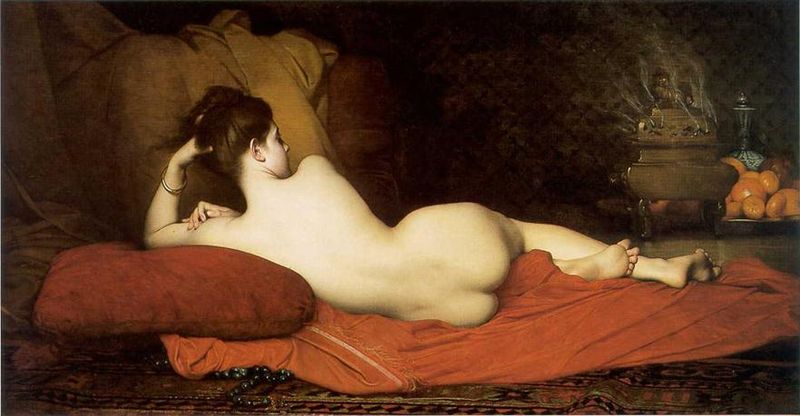
imagen: En.wikipedia.org  artista: Jules Joseph Lefebvre    "Odalisca", 1874

imagen: En.wikipedia.org   artista: Jules Joseph Lefebvre   “Odalisca”, 1874

Tan pronto como recibimos nuestras muestras de Von Eusersdorff, cada una de nosotras –Virginia en California, Caro en Buenos Aires– buscamos primero el mismo perfume: Classic Patchouli. Aunque no somos adoratrices del patchouli, sabíamos que Classic Patchouli es la fragancia insignia de la marca y queríamos comprobar si estaba a la altura del runrún.

El patchouli (pogostemon patchouli) se popularizó en Europa a comienzos del siglo XIX ya que se usaba para perfumar los chales indios que estaban tan de moda en ese entonces. Las hojas de patchouli mantenían alejadas a las polillas y prestaban su aroma a los chales mientras éstos viajaban de India a Europa. El aceite esencial de patchouli es uno de los pocos que mejora con el paso del tiempo; su olor característico es dulce, terroso, almizclado y mohoso.

Las dos pudimos percibir los efluvios de Classic Patchouli al abrir la caja, mientras la botellita estaba aún cerrada. Este es un patchouli que invita a inhalar profundamente, una y otra vez. Su belleza es clásica y depurada y el efecto general, narcótico y adictivo.

En la salida, la bergamota parece explotar mientras prepara el camino para la nota de patchouli; por un breve instante una sutil nube alcanforada evoca la espesura de viejos bosques. Luego, una textura crocante, como hojas secas hechas de chocolate amargo, emerge de la tonka, deliciosamente cumarínica (que también brinda su hermosa cualidad atalcada), realzando la aspereza del patchouli. Durante unos minutos, la terrosidad y el bosque están por todas partes; son la antecámara de la magia cremosa del sándalo. La sensación general es tersa, avainillada, de textura casi mantecosa. La vainilla nunca sofoca y el  sándalo parece actuar como un puente, suavizando la transición de patchouli a vanilla. 

El resultado es muy voluptuoso y un poco exótico. Caro dice que sólo quiere hablar en Italiano  cuando usa Classic Patchouli ya que ningún otro idioma es lo suficientemente sensual para hacerle justicia.

Nos encanta Classic Patchouli en nosotras, pero creemos que en un hombre -¡oh,sí!- sería el equilibrio perfecto entre león rugiente y gatito que ronronea.

Caro y Virginia

Origen de la muestra: Muestra gentileza de Von Eusersdorff

Nota bene: Hemos hablado brevemente acerca de Von Eusersdorff en nuestra reseña de Classic Myrrh

foto: Duoparadigms.com

foto: Duoparadigms.com

Von Eusersdorff Classic Patchouli – Supreme patchouli

As soon as we received our Von Eusersdorff samples, each of us –Virginia in California, Caro in Buenos Aires– reached for the same fragrance first: Classic Patchouli. Although we are not patchouli worshippers, we knew Classic Patchouli was the brand’s flagship fragrance and we wanted to verify whether it would live up to the hype.

Patchouli (pogostemon patchouli) became popular in Europe at the beginning of the XIX century since it was used to scent the Indian shawls which were in vogue at the time. The patchouli leaves would keep moths at bay and lend their aroma to the shawls  while they were transported from India to Europe. Patchouli essential oil is one of the few that improves with age; its characteristic smell is sweet, earthy, musky and musty .

Both of us were able to sniff the emanations of Classic Patchouli as we opened the box, while the tiny bottle was still closed. This is a patchouli that makes one want to inhale deeply, once and again and again. Its beauty is classic and streamlined  and the overall effect, narcotic and addictive.

In the opening bergamot seems to explode as it paves the way for the patchouli note; for a brief moment, a subtle camphorous cloud evokes ancient woods and forests. Then, a crispy texture like dried leaves made of dark chocolate emerges from the deliciously coumarinic tonka (which also lends its beautiful powderiness), highlighting the roughness of patchouli. For a few minutes, earthiness and woods are everywhere; they are the antechamber of the creamy magic of sandalwood. The overall feel is sleek, vanillic, almost buttery in texture. The vanilla never overpowers and  sandalwood seems to act like a bridge, smoothing out the transition from patchouli to vanilla. 

The result is very voluptuous and just a bit exotic. Caro says she only wants to speak in Italian  when she wears Classic Patchouli as no other language would be sensual enough to do it justice.

We love Classic Patchouli on ourselves, but  we think on a man -¡oh, yes!- it would be the perfect balance between roaring lion and purring kitten.

Caro & Virginia

Origin of sample: sample courtesy of Von Eusersdorff

Nota bene: We have talked briefly about Von Eusersdorff on our Classic Myrrh review 

foto: Voneusersdorff.com

foto: Voneusersdorff.com

Oriza L. Legrand Jardins d’Armide – Entre tules y flores

imagen: Wga.hu artista: Louis-Jean-François Lagrenée  Rinaldo y Armida, 1766

imagen: Wga.hu     artista: Louis-Jean-François Lagrenée       Rinaldo y Armida, 1766

Armida, la hechicera sarracena, era un motivo recurrente en las artes de los siglos XVII y XVIII. Ópera, ballet y pintura rindieron tributo a su belleza.  Cuenta la historia que Armida llevó a Rinaldo -su querido cruzado- a un jardín encantado para mantenerlo prisionero.  Existen distintos finales dependiendo de la versión:  La Jerusalén Libertada, el poema épico de Torquato Tasso, concluye con Armida y Rinaldo juntos, reinando felices por siempre.

Aunque ya había intercambiado unas palabras con Monsieur Lambert (pueden leer nuestra entrevista con él aquí) y conocía sobre el patrimonio histórico de la casa, no había probado ninguno de sus perfumes. Cuando nuestra colega bloguera Kafka celebró un generoso sorteo de Oriza L. Legrand el mes pasado, me zambullí con ansias y resulté una de las ganadoras. Unas semanas después, chillaba de emoción (y no exagero) mientras abría la caja recién llegada de París.

Jardins d’Armide es un floral seriamente atalcado. Originalmente compuesto en 1909, ha sido reorquestado recientemente con materias primas modernas. La atmósfera de la Belle Époque está definitivamente presente y sin embargo no resulta anticuado. Au debouché, percibo las violetas atalcadas que estaban tan en boga a principios del 900, pero al rociarlo, oigo cantar a los ángeles, veo flores cayendo del cielo y siento tules de tonos pastel envolviéndome. Y no, no estoy alucinando.

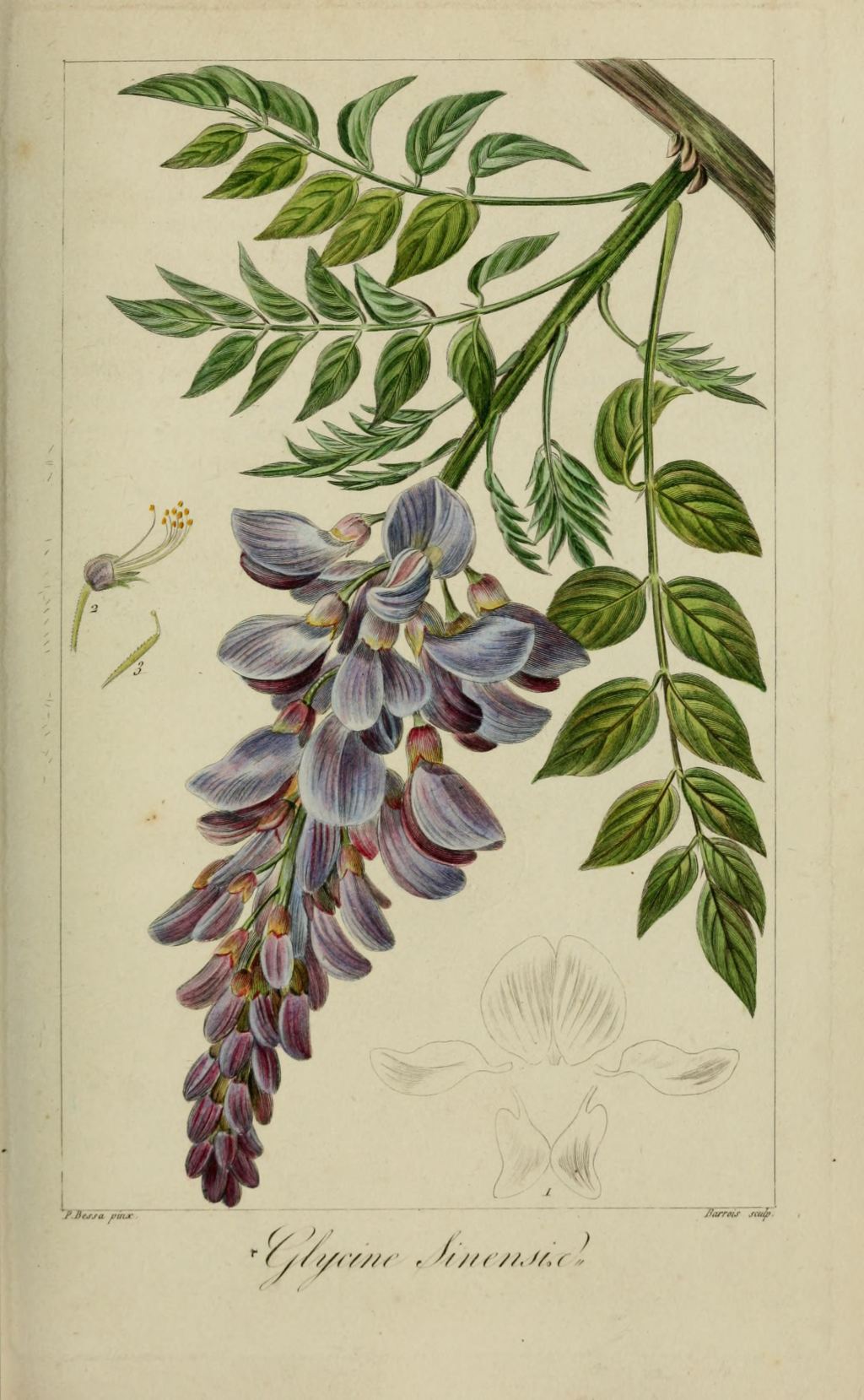
Los aspectos rosados-verdes-cítricos del  geranio se funden en una nítida nota de rosa que se torna, progresivamente, meliflua y cremosa. Armide ahora adquiere el dulzor de los bombones; para ser precisa, me recuerda vívidamente al loukoum  (rosa, almendras, miel, azúcar impalpable) pero nunca cruza la línea gourmand. Sigue siendo un magnífico floral atalcado en el que rosas, azahares y glicinas descansan sobre una base de almizcle blanco.  Se manifiesta una leve sensación cosmética debido a la cremosidad, al polvo y a la jabonosidad transmitida por la combinación de  flor de naranjo y almizcles blancos. Lo encuentro reconfortante pero no relajado en exceso y en modo alguno casual. Si los jardines de Armida olían de esta forma, puede entenderse el deseo de quedar prisionero allí.

Un solo spritz basta para quedar envuelta en una nube fragante por buena parte del día. Escala posiciones hacia mi top 5.

Caro

Origen de la muestra:  sorteo de Oriza L. Legrand realizado en Kafkaesque

foto: Orizaparfums.com

foto: Orizaparfums.com

Oriza L. Legrand Jardins d’Armide –  Amidst tulle and flowers

Armida, the Saracen sorceress, was a recurring motif in the arts of the XVII and XVIII centuries. Painting, opera and ballet paid tribute to her beauty. The story goes that Armida took Rinaldo -her beloved crusader- to an enchanted garden in order to keep him captive. There are different endings depending on the version:  Jerusalem Delivered, the epic poem by Torquato Tasso, concludes with both Armida and Rinaldo together, reigning happily ever after.

Although I had already exchanged a few words with Monsieur Lambert (you may read our interview with him here) and knew about the historical heritage of the house, I had not tried any of their fragrances. When fellow blogger Kafka hosted a generous Oriza L. Legrand last month, I eagerly  jumped in and became one of the lucky winners. A few weeks later, I was shrieking with excitement (no exaggeration) as I tore open the box which had just arrived from Paris.

Jardins d’Armide is a seriously powdery floral.Originally composed in 1909, it has been recently reorchestrated employing modern raw materials. The Belle Époque atmosphere is clearly present, nonetheless it doesn’t feel dated. Au debouché, I perceive the powdery violets that were so in vogue at the turn of the century but when I spritz it on, I hear angels sing, see flowers falling from the skies and feel pastel colored tulle wrapping around me. And no, I am not hallucinating.

The rosy-green-citrusy aspects of geranium fade into a clear rose note which becomes progressively honeyed and creamy. Armide now acquires the sweetness of bonbons; to be precise, it strongly reminds me of Turkish delight (rose, almond, honey, icing sugar) but never crosses the gourmand line. It remains a magnificent powdery floral in which roses, orange blossom and wisteria rest on a white musk base. A slight cosmetic feel manifests itself due to the creaminess, the powder and the soapiness conveyed by the orange blossom and white musks pairing. I find it comforting but not excessively relaxed and definitely not casual. If Armida‘s gardens smelled like this, one could understand the wish to remain captive there.

Just one spritz suffices to become wrapped in a fragrant cloud for the best part of the day. Straight to my top 5 it goes.

Caro

Origin of sample: Oriza L. Legrand draw hosted at Kafkaesque

imagen: Environnement.ecole.free.fr

imagen: Environnement.ecole.free.fr

Roja Parfums Scandal – Nardos rosados

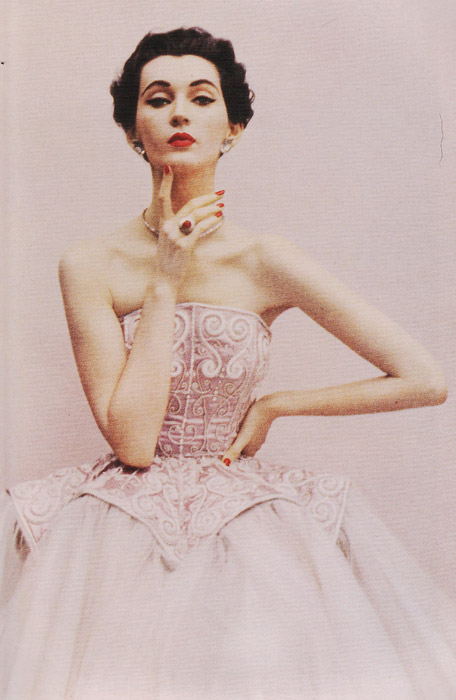
foto: Arttattler.com fotógrafo: Richard Avedon   Dovima, Harper's Bazaar, 1950

foto: Arttattler.com    fotógrafo: Richard Avedon     Dovima,   Harper’s Bazaar, 1950

Las creaciones de Roja Dove huelen descaradamente a perfume. De composición clásica, es su rica calidad lo que las hace excepcionales. A principios de este año el Sr. Dove fue elegido embajador internacional de la campaña GREAT,que celebra la creatividad británica. Algún tiempo atrás, nuestra buena amiga Gaba escribió un guest post para Té de Violetas luego de su visita a la Roja Dove Haute Parfumerie en Londres;  un poco más tarde, tuvimos el placer de entrevistar al mismísimo Sr. Dove .

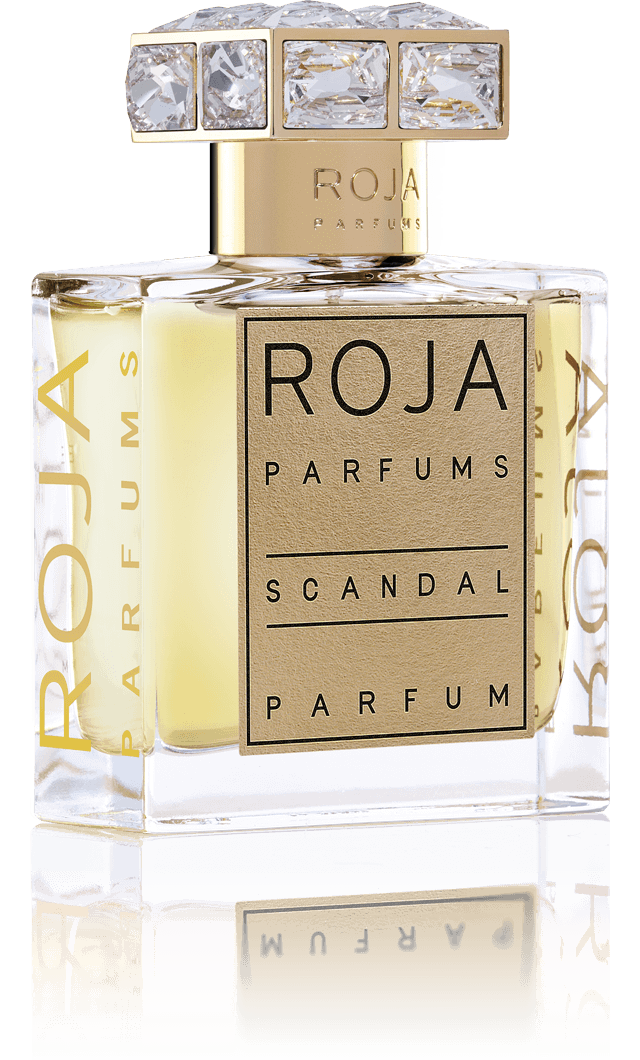
Scandal fue una de las tres primeras fragancias de la ahora extensa línea de Roja Parfums. No tan escandaloso como su nombre afirma, es un gran floral blanco que, pese a su blancura, me transmite la impresión de cremosos pétalos rosados. Maduro pero jamás acartonado, Scandal exalta los poderes narcóticos de la tuberosa sin perder ni pizca de refinamiento. Si bien la tuberosa es aquí la estrella indiscutida, la rosa y la flor de naranjo brillan en sus roles secundarios. La mezcla logra conservar una cierta frescura en vez de ahogar al usuario bajo una nube de polvo (sí, eau de parfum Fracas, te estoy mirando a vos). La proyección y longevidad son irreprochables.

Tan femenino y exuberante como un vestido de noche de Cristóbal Balenciaga, Scandal logra infundir su glamour a las actividades más pedestres. Al rociarlo,  mi postura se acomoda instantáneamente y me paro más derecha. Aunque no lo definiría precisamente como un perfume para uso casual, prefiero combinarlo con ropa de entrecasa porque siempre, siempre me hace sentir fabulosa, mis queridos.

Caro

Origen de la muestra: botella de eau de parfum comprada en Roja Dove Haute Parfumerie, Londres

foto: Rojaparfums.com

foto: Rojaparfums.com

Roja Dove Scandal – Pink tuberoses

Roja Dove‘s creations smell, unapologetically, like perfume. Classic in composition, they are rendered exceptional by their rich quality. Earlier this year Mr. Dove was appointed as International Ambassador for Britain‘s GREAT campaign, which celebrates British creativity. Some time ago our good friend Gaba wrote a guest post for Té de Violetas after her visit to the Roja Dove Haute Parfumerie in London; a bit later we had the pleasure of interviewing Mr. Dove himself.

Scandal was one of the first three fragrances of the now more extensive Roja Parfums line.  Not as scandalous as its name states, this is a big white floral that despite its whiteness gives me the impression of creamy pink petals. Grown up but never stuffy, Scandal exalts the narcotic powers of tuberose without losing an ounce of refinement. Although tuberose is the undisputed star here, rose and orange blossom shine in their supporting roles.  The blend manages to retain a certain freshness instead of smothering the wearer under a powder cloud (yes, Fracas eau de parfum, I am looking at you). Longevity and projection are beyond repproach.

As feminine and luxuriant as a Cristóbal Balenciaga evening gown, Scandal can instill glamour into the most pedestrian of activities. Upon spraying, I instantly change my posture and stand taller. Although I wouldn’t precisely describe it as a fragrance for casual wear, I pair it most often with sweats, because it never ever fails to make me feel fabulous, dahlings.

Caro

Origin of sample: eau de parfum bottle purchased at Roja Dove Haute Parfumerie, London