
Tag Archives: neroli

House of Matriarch oM – Una paz muy familiar

foto: Gatti.hubpages.com

Cuando conectamos instantáneamente con una fragancia, no sabemos la razón, al menos durante los primeros 5 segundos de sentirla. El proceso intelectual de encontrar las razones es mucho más lento que el de experimentar sensaciones y sentimientos. Lo que me sucedió con oM es un ejemplo de lo antedicho.

Al conocer las fragancias de House of Matriarch en una exposición de perfumería artesanal en Santa Mónica (LA Artisan Fragrance Salon) me sentí atraída por varias de sus composiciones pero especialmente por oM. No sabía por qué pero algo me resultaba muy familiar.

Semanas después, al volver a olerlo, empecé a decantar conexiones emocionales con los ingredientes principales y con el aura que irradia el perfume en su conjunto. Para empezar, tiene una importante cuota de neroli, el cual siempre me recuerda a la colonia que me ponía mi madre cuando yo era muy pequeña.

La dulzura suave de este ingrediente es envuelta por el verdor del petitgrain, pero luego sale a fusionarse con la dulzura apolvada y cremosa del sándalo. Es entonces cuando aparece el incienso, pero no uno solemne de iglesia, sino uno más cálido y hogareño. Un toque cuasi-amargo de oud Bouya da contención y firmeza a tan etérea composición.

Develé el misterio. La perfumista Christi Meshell recrea con oM la sensación de estar rodeada por un delicado capullo aromático y pacífico. De alguna manera me recuerda a las varillas de incienso y sándalo que yo prendía en mi habitación a la hora de estudiar cuando comencé la universidad. Fue una época de la que guardo hermosos recuerdos.

Virginia

Origen de la muestra: gentileza de House of Matriarch
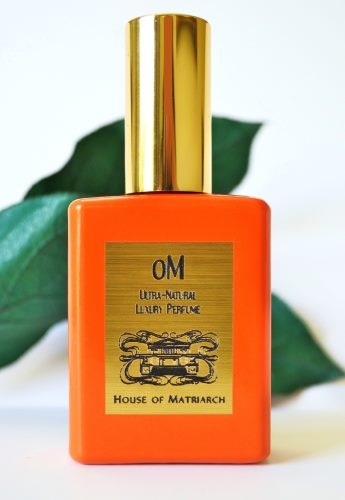
foto: cortesía de Christi Meshell

House of Matriarch oM – A familiar kind of peace

When we instantly connect with a fragrance, we don’t know the reason, at least for the first 5 seconds after having sniffed it. The intellectual process of finding the reasons is much slower than sensations and feelings. This is exactly what happened to me with oM is an example of the above.

When I met the House of Matriarch fragrances in an artisan perfumery exhibition in Santa Monica (LA Artisan Salon Fragrance) I felt attracted to several of their compositions but especially by oM. I didn’t know why but something in it smelled very familiar.

A few weeks later, returning to smell it, I began to decant emotional connections with the main ingredients and the aura that radiates from the fragrance as a whole. To begin, it has a significant share of neroli, which always reminds me of the cologne that my mother used to scent me with when I was a little child.

The mild sweetness of this ingredient is surrounded by the greenery of petitgrain, but then fades and merges with the powdery and creamy sweetness of the sandalwood. It’s at that moment when the incense appears, it’s not a solemn church incense, but a warmer and cozy one. A quasi-bitter touch of Bouya oud gives structure and firmness to such an ethereal composition.

Mystery unveiled. With oM the perfumer Christi Meshell recreates the feeling of being surrounded by a delicate peaceful and aromatic cocoon. It somehow reminds me of the sandalwood and incense sticks that I used to burn in my room at the studying time when I began the university. It was a time from which I keep beautiful memories.

Virginia

Origin of sample: courtesy of House of Matriarch

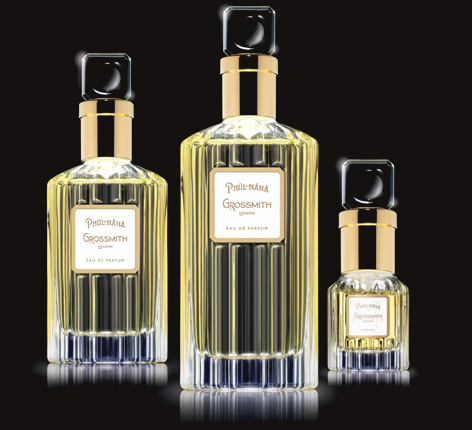
Grossmith Phul-Nana – El aroma de la discreción

imagen: gentileza Grossmith

Siendo nostálgica por el gusto de la nostalgia misma, es natural que cuente a  Grossmith entre  mis casas favoritas. Ya hablé un poco sobre su historia  en mis reseñas de Betrothal y Hasu-no-Hana

La fragancia que estoy probando hoy, Phul-Nana (“linda flor” en Hindi) fue compuesta originalmente en 1891 y, durante años, se consideró la creación insignia de la marca. Fue promocionada como “un bouquet de las flores más selectas de la India” y, luego, como “el perfume más romántico del mundo”.  Pero Phul-Nana no es floral -no al menos en un sentido estricto- ni tampoco  especialmente romántico. Es, en cambio, discreto, apropiado y tradicional. Me recuerda a la mezcla (casera y secreta) con que mi impecable abuelo solía perfumar sus pañuelos.

La salida chispea con el amargor hesperidado de la naranja y los matices igualmente hesperidados, aunque más delicados, de la bergamota. La presencia limpia y jabonosa del neroli  preside el bouquet, permeando la mezcla. La tuberosa, prominente en la cultura y mitología de India, presta  su redondez, pero no transmite un carácter particularmente femenino.  Estoy segura de que hay algo de rosa allí también (era, eso seguro, parte de la mezcla  que usaba mi abuelo). Vanilla, opopanax, sándalo y tonka ayudan a lograr un fondo cálido y sensual. Unos años después de la creación de Phul-Nana, esta base se popularizaría junto con la creciente tendencia de los perfumes orientales. 

Phul-Nana es ligero y fresco en un sentido tradicional. Huele familiar y a la vez fascinante con sus facetas florales-orientales-fougères. Imagino un caballero (o dama, claro) elegante y conservador luciéndolo con aplomo. La pulcritud,  buenos modales y discreción no pasan de moda.

Origen de la muestra: Gentileza de Perfumerías Nadia, Madrid

foto: Grossmithlondon.com

Grossmith Phul-Nana – The scent of discretion

Being nostalgic for the sake of nostalgia itself, it was expected that Grossmith  would become one of my favorite houses. I have already talked a bit about their history in my reviews of Betrothal and Hasu-no-Hana . 

The fragrance I am sampling today, Phul-Nana (“lovely flower” in Hindi), originally composed in 1891, was for years  Grossmith‘s most celebrated creation. It was touted as “a bouquet of India‘s choicest flowers” and, later, as “the world’s most romantic perfume”. But Phul-Nana is neither floral -not in a strict sense at least- nor especially romantic. It is instead discreet, tasteful and traditional. It reminds me of the (homemade and secret) blend my impeccable  grandfather used to scent his handkerchiefs with.

The opening sparkles with bitter hesperidic notes of orange and  equally hesperidic but more delicate nuances of bergamot. The clean and soapy presence of neroli  presides the bouquet, pervading the blend. Tuberose, prominent in Indian culture and mythology, lends its roundness, but doesn’t convey a particularly feminine character. I am sure there is some rose in there too (it was, for sure, in my grandfather’s blend). Vanilla, opopanax, sandalwood and tonka contribute towards a warm  and sensual drydown. A few years after the creation of Phul-Nana this drydown would become popular with the increasing trend of oriental perfumes. 

Phul-Nana is light and fresh in an old-school sense. It smells familiar yet fascinating with its floral-oriental-fougère aspects. I can picture an elegant and conservative gentleman (or lady, of course) wearing this with aplomb. Cleanliness, good manners and discretion are always in fashion.

Origin of sample: Courtesy of Perfumerías Nadia, Madrid

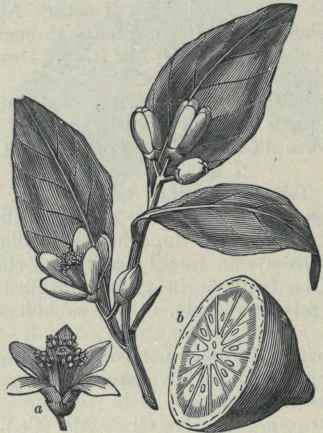
Heeley St. Clement’s – Rimando cítricos y flores

imagen: Chestofbooks.com

“Naranjas y limones dicen las campanas de St. Clement’s” canta la vieja rima inglesa que inspiró a Heeley para bautizar su creación.

Este eau de parfum delicado y refrescante encuentra su origen en las eaux de cologne tradicionales y está infundido con sus mismas propiedades benéficas.  Las naranjas y limones que comienzan la rima aparecen  acompañados  por  bergamota y mandarina, pero las marcados matices florales (notablemente neroli e ylang-ylang) son lo que convierte a St. Clement’s en algo especial y diferente de otras pócimas similares.  Sorprendentemente liso y redondeado para una composición cítrica, St. Clement’s apenas se ve perforado por el amargo verdor del petitgrain y una sutil nota de té Earl Grey

Más suave que otros favoritos de verano, como Eau d’Hadrien u Eau d’Orange Verte, es igualmente clásico en espíritu. Esta mezcla es tan atemporal que podría igualmente haber sido compuesta hace 200 años o apenas ayer (fue creada en 2010).

Aunque está rotulada como un eau de parfum, basándome en su carácter y longevidad (moderada) la considero más próxima a un eau de cologne.

Caro

Origen de la muestra: muestra gentileza de Perfumería Nadia, Madrid

foto: Luckyscent.com

Heeley St Clement’s – Rhyming citrus and flowers

“Oranges and lemons say the bells of St. Clement’s” goes the old English rhyme that inspired Heeley for naming his creation. This delicate and refreshing eau de parfum clearly finds its origin in traditional eaux de cologne and is infused with the same beneficial properties.

The oranges and lemons that start the rhyme are paired with bergamot and mandarin, but marked floral nuances (most notably neroli and ylang-ylang) are what make St. Clement’s truly special and different from other similar concoctions.  Surprisingly smooth and rounded for a citrus composition, St. Clement’s is only slightly pierced by the bitter greenness of petitgrain and a subtle note of Earl Grey tea

Milder than other Summer favorites, like Eau d’Hadrien or Eau d’Orange Verte, it is equally classic in spirit. This blend is so atemporal it could have been composed 200 years ago or just yesterday (for the record, it was created in 2010).

Although it is labeled as an eau de parfum, based on its character and (moderate) longevity I find it much closer to an eau de cologne.

Caro

Origin of sample: sample courtesy of Perfumería Nadia, Madrid

Grossmith Betrothal – Amor eterno

foto: En.wikipedia.org

Grossmith, una de las casas de perfumería más antiguas de Inglaterra, fue fundada en Londres en 1835 por John Grossmith. La empresa fue dirigida por la familia durante tres generaciones hasta 1924. Cambió de manos en 1970 y cesó sus actividades por completo alrededor de 1980.

Simon Brooke -tataranieto del fundador-  inició el revival de Grossmith  hace unos pocos años con el objetivo de reestablecer la reputación de la Casa como elaboradora de algunos de los perfumes de mejor calidad del mundo. Para esto, trabajó estrechamente con el experto en fragancias Roja Dove.

En 2009 la Casa relanzó tres perfumes ingleses clásicos – Hasu-no-Hana, Phul-Nana y Shem-el-Nessim – que huelen fabulosamente a otra era, mucho más espléndida (escribiré acerca de ellos en futuros posts).  La primera de sus fragancias modernas, Betrothal, fue lanzada el día de la Boda Real en Londres, el 29 de abril de 2011.

La versión original de Betrothal fue producida para celebrar la boda de la Princesa May de Teck y el Príncipe Jorge (más tarde Reina Mary y Rey George V) en 1893, quienes luego disfrutarían de un matrimonio lleno de amor y respeto. El nuevo Betrothal es una fragancia contemporánea inspirada por la fórmula original; un bouquet floral y romántico en el que el aroma transparente y dulce de la Rose de Mai –la rosa que le da fama a Grasse- reina suprema.

Después de una salida encantadora y chispeante con neroli y bergamota (también percibo geranio),  la nota amielada de la Rose de Mai se entreteje con  jazmín ylang ylang. La rosa parece entrar y salir de la composición. Aun cuando definitivamente este no es un solifloral, hay momentos en los que al usarlo me pregunto qué es lo que irradia ese mágico aroma a rosa…hasta que me doy cuenta de que soy yo misma. Las flores descansan sobre un mullido lecho de cálidas maderas (cedro, sándalo), vainilla almizcle.

Betrothal es discreto y grácil y, sin embargo, suavemente sensual. Es clásico en carácter, pero también chispeante y en absoluto anticuado. Su bella composición hace añorar una época en que las muchachas no andaban por ahí oliendo a chocolate, azúcar y frutas.

Me encantaría probar una versión más concentrada de Betrothal: el parfum es el próximo en mi lista.

Caro

Origen de la muestra: muestra gentileza de Perfumerías Nadia, Madrid

foto: Grossmithlondon.com

Grossmith Betrothal – Eternal love

Grossmith, one of England’s oldest perfume houses, was founded in London in 1835 by John Grossmith. The business was family run for three generations until 1924. It went out of family ownership in 1970 and stopped its activities completely around 1980.

Simon Brooke -great, great grandson of the founder-  began the revival of Grossmith a few years ago with the objective of re-establishing the House’s reputation as makers of some of the finest fragrances in the world.  For this, he worked closely with fragrance expert Roja Dove.

In 2009 the House relaunched three classic English perfumes – Hasu-no-Hana, Phul-Nana and Shem-el-Nessim – that smell fabulously of another, more splendid, era (I will write about them in a future post). Betrothal, the first of their modern fragrances, was launched on the day of the Royal Wedding in London on 29 April 2011.

The original Betrothal was produced to celebrate the wedding of Princess May of Teck and Prince George (later Queen Mary and King George V) in 1893, who would enjoy a loving and respectful marriage. The new Betrothal is a contemporary fragrance inspired by the original formula; aa romantic, floral bouquet in which the clear sweet scent of Rose de Mai –the rose that gives fame to Grasse- reigns supreme.

After a charming bright opening of neroli and bergamot (I get  geranium too),  the honeyed note of Rose de Mai is tightly interwoven with jasmine and ylang ylang. The rose wafts in and out of the composition. While this is definitely not a soliflore, sometimes when I wear it I wonder where that beautiful rose aroma  radiates from…until I realise it’s me. The florals rest on a soft bed of  warm woods (cedarwood, sandalwood), vanilla and musk.

Betrothal is ladylike and graceful yet softly sensual. It is classic in character  but sparkling, not at all dated. Its beautiful composition makes me long for a time when young girls didn’t run around smelling of chocolate, sugar and fruit.

I would love to try a more concentrated version of Betrothal: the parfum is next in my list.

Caro

Origin of sample: sample courtesy of Perfumerías Nadia, Madrid