Category Archives: Entrevistas – Interviews

Entrevista: Giovanni Sammarco – Perfumes suizos a la italiana

Giovanni Sammarco

Con una maestría en Leyes bajo el brazo, Giovanni Guercia Sammarco descubrió que quería ser perfumista. Decidió comenzar ese rumbo en su Italia natal y llegó a crear tres fragancias (Vitrum, Alter y Bond-T) antes de dejar su residencia en Leccé y comenzar una nueva etapa -y una nueva marca- en Appenzell, Suiza.

Giovanni, quien hoy se autodefine como un artesano de la perfumería, nos cuenta en esta breve entrevista cómo fueron esos cambios y los desafíos y proyectos que tiene por delante.

Llegaste a la perfumería desde otra disciplina. ¿Cómo fue esa transición? ¿Está completa?

Es una buena pregunta. Tengo un master en Leyes. Me preguntan sobre eso a menudo y no tengo una buena respuesta. Después de finalizar el master desarrollé un fuerte interés en la perfumería, entonces hice diferentes experiencias en este ámbito y encontré que este es mi camino. Ahora que estoy en Suiza puedo decir si está completa. Pero quizás no, este año tendré mi examen final para mi doctorado en Derecho Civil. Entonces ahí sí estará completa.

¿Por qué elegiste trabajar con perfumería natural?

Porque la Naturaleza es la maestra perfumista del mundo. Aunque creo que la respuesta correcta es que yo elegí la perfumería artesanal. Mi idea es que el perfumista tiene que ser un artesano y tiene que controlar cada pequeña cosa en cuanto a sus perfumes. No creo que un perfumista pueda ser solamente el director de su marca, el perfumista tiene que poner sus manos a la obra trabajando con las materias primas. Creo que los ingredientes naturales son más ricos y expresivos que los sintéticos pero no descarto la idea de usarlos en un futuro.

¿Crees que la perfumería es un arte? ¿ Por qué?

No, no creo que sea arte. Para mí la perfumería es una manualidad y esa es la razón por la cual creo en el valor de la perfumería artesanal. Para mí el Arte es mayor que la perfumería. Y no quisiera que me llamen artista. No creo que sea la perspectiva correcta definir a los perfumistas como artistas.

Hemos notado que ponés énfasis en la fotografía. ¿Cómo interpretás el cruce de lo visual y lo olfativo?

Sí, me encanta conectar mis perfumes con imágenes tomadas por mi amiga y experta fotógrafa Viola Cangi. Pienso que su manera de ver el mundo a través de la cámara es similar a mi estilo a la hora de componer perfumes. Creo que un aroma puede ser explicado mejor por una foto que con palabras.

Has lanzado recientemente a Sammarco Perfumes, una marca renovada. ¿Cuáles son las diferencias con su predecesora, Fragrance Scout?

Fragrance Scout es más mi viejo blog que una marca de fragancias. Ahora me mudé a Suiza, reorganicé todo y elegí lanzar mis fragancias con mi nombre. Y también con un nuevo packaging e identidad visual. Además abrí una nueva website suiza (www.giovannisammarco.ch).

Ya has creado varias fragancias y estarás presentando una nueva. ¿Cuál es tu favorita?

Tengo 3 fragancias hasta el momento. ¿Mi favorita? Es una pregunta complicada. No tengo una favorita. Todas son mis criaturas y puedo decir que cada una de ellas es favorita. La nueva que estaré lanzando – todavía estoy trabajando en ello -será un perfume de tabaco y ron. Encontré un extracto natural extraordinario de ron ¡y me enamoré de él!

Sabemos que tenés una conexión especial con nuestro país, Argentina. ¿Cómo lo describirías, en términos olfativos?

Sí, es verdad. El tema de mi tesis de maestría fue Argentina. Mis escritores favoritos son argentinos, Borges y Cortázar. Una de mis bebidas favoritas ¡es el mate! Creo que son un gran país, con estupenda gente y con el poder de cambiar el mundo. Pienso en su poder contra los dictados del FMI, en un contexto de grandes problemas además.

Describir Argentina en términos olfativos no es fácil para mí, porque nunca he estado en su país y sólo puedo imaginarlo en mi mente. Tengo que ir, tan pronto me sea posible. Pero las páginas de Borges huelen a Buenos Aires e imagino que el aroma del Aleph tiene una pincelada de absoluto de yerba mate.

Virginia

Fotos: gentileza de Sammarco Perfumes.

Giovanni SammarcoInterview: Giovanni Sammarco – Swiss perfumes with Italian style

With a Master’s degree in Law, Giovanni Guercia Sammarco realized he wanted to become a perfumer. He decided to follow that path while he was living in his home country, Italy. He has created three fragrances (Vitrum, Alter and Bond-T) before to leaving his town in Leccé and starting a new life -and a new brand- in Appenzell, Switzerland.

Giovanni, who nowadays calls himself an artisan of perfumes, tells us in this brief interview how those changes were and his next challenges and proyects.

You came to perfumery from another discipline. What was that transition like? Is it complete?

This is a good question. I have a master in Law. I was asked about this  often and I don’t have a good answer. After obtaining my master’s degree I developed a strong interest in perfumery, then I made different experiences in this world and I realized that this is my street. Now that I’m in Switzerland, I can say if it’s complete. But perhaps not, this year I will have final exam of my PhD in Civil Law. Then It will be completed.

Why did you choose natural perfumery?

Because Nature is the master perfumer of the world. But I think the correct answer is that I choose artisanal perfumery. My idea is that a perfumer has to be an artisan and has to control every single thing about his perfumes. I don’t think that a perfumer can be only the director of his brand, the perfumer has to put his hand into the raw materials. I think naturals are richer and more expressive than chemicals but I don’t exclude the idea of using chemicals in the future.

Do you believe perfumery is an art? Why?

No, I don’t believe perfumer is an art. For me perfumery is  a craft, and this is the reason I believe in the value of artisanal perfumery. For me Art is greater than perfumery. And I would not like to call me an artist. I think that it’s not the right perspective to define perfumers as artists.

We have noticed that you put emphasis in photography.  How do you interpret the intersection of the visual and olfactory?

Yes, I love to connect my perfumes with images shot by my friend and skilled photographer Viola Cangi. I think her way to see the world trough the camera is very similar to my style of composing perfumes. I think that a smell can be better explained with a photo than with words.

You have recently released Sammarco Perfumes, a renewed fragrance brand. Which are differences with Fragrance Scout, your previous brand?

Fragrance Scout is more my old blog than a fragrance brand. Now I moved to Switzerland and reorganized all and choose to release my fragrances with my name. And also with new packaging and visual identity. And I opened my new Swiss website (www.giovannisammarco.ch)

You have already created several fragrances and are releasing a new one. Which is your favorite?

At the moment I have 3 fragrances. My favourite? Hard question. I don’t have a favourite. All are my creatures and I can say that each one is my favourite. The new one I will realease, I’ m still working on it, will be a rum tobacco perfume. I found an extraordinary natural extract of rum and I fell in love with it!

We know you have an special connection with our country, Argentina. How would you describe it in olfactory terms?

Yes, it’s true. The subject of my master thesis was Argentina.  My favourite writers are  Argentinian, they are Borges and Cortazar. One of my favourite drink is maté! I think you are a great country, with great people and the power to change the world. I think about your power against the diktat of IMF, also in a context of great troubles.

To describe Argentina in olfactory terms is not easy for me, because I have never been to your country and I can only work with my mind. I have to come, as soon as it will be possible. But Borges’s pages smell of Buenos Aires, and I can imagine the smell of Aleph with an hint of maté absolute.

Virginia

Images: Pictures are courtesy of Sammarco Perfumes.

Entrevista: Vero Kern – Nuestra Señora de las Flores

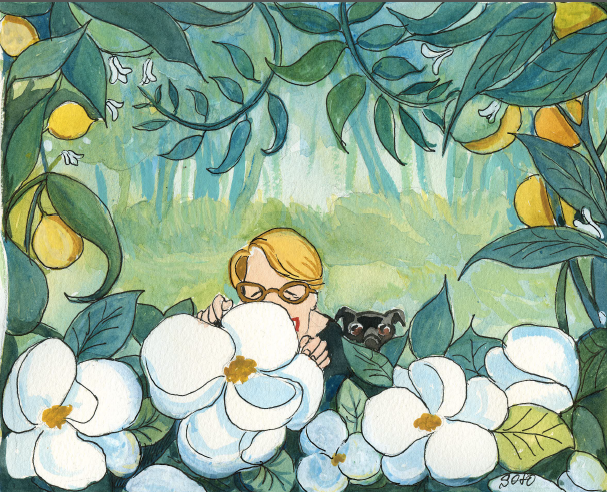
ilustración: gentileza Vero Kern  artista: Sofo Berd

ilustración: gentileza Vero Kern     artista: Sofo Berd

Vero Profumo se cuenta entre mis descubrimientos favoritos de los últimos años. La línea -pequeña pero trabajada con meticulosidad- es creación de Vero Kern, una inspiradora dama que se convirtió en perfumista a la tierna edad de 60.

Ricos, complejos, originales (mi delirio por Kiki es un secreto a voces), los perfumes de Vero -al igual que su autora- nunca dejan de asombrar.

La energía, calidez y estilo personal de Vero me sorprendieron por primera vez en Pitti Fragranze 2012. El mes pasado la encontré nuevamente -esta vez escoltada por Isi,  su adorable perrito negro- en Zurich. Café y helado de por medio, intercambiamos puntos de vista acerca del mundo de la perfumería.

¿Cómo y cuándo decidiste hacerte perfumista?

Nunca decidí ser perfumista explícitamente: fui convirtiéndome en eso. Luego de varios años de trabajar con materias primas para perfumería, tuve el deseo de hacer mezclas más complejas, en este caso perfume.

¿Cuál fue tu primera creación?

Comencé con Kiki.

Siempre he sido fan de la casa Guerlain. He usado Jicky por largo tiempo, este perfume de lavanda tan especial que me ha encantado e inspirado desde entonces. Quería crear un perfume elegante, de estilo francés, sofisticado y andrógino para homenajear especialmente a la ciudad de París y la herencia de la Perfumería francesa.

En un negocio en el que prácticamente cualquiera puede hacerse llamar perfumista ¿qué diferencia tu trabajo del de otros creadores?

Creo mis perfumes en el clásico método francés, como solían crearse antes de la globalización. No estoy interesada en crear fragancias simples, como las que están de moda ahora. Quiero que mis perfumes sean muy complejos y generosos. No transijo en la elección de ingredientes y los mezclo de manera poco convencional. No busco una armonía total. Trato de “desintegrar” la composición, lo que la vuelve irritante y erótica…

Opulencia, originalidad, erotismo: esto es lo que busco expresar en mis perfumes.

¿Cómo es tu proceso creativo?

Me tomo el tiempo necesario para crear. Soy muy exigente; me encanta el trabajo detallado y las muchas maneras de combinar las materias primas. Hace falta mucha paciencia para crear complejidad…

¿Qué es lo que inspira tus creaciones?

Encuentro mi inspiración en los diseños clásicos: Guerlain, Chanel o Caron representan para mí lo más alto del arte de la Perfumería, gradualmente en declive. La mayoría de las creaciones de estas casas fueron diseñadas como obras de arte totales: con mezclas exquisitas y botellas y packaging preciosos; representaban el espíritu de las eras de gloria de la perfumería.

El sentido del olfato es muy emocional y yo me inspiro por todo lo que me toca a nivel emocional. Entonces tengo un gran deseo de transformar este sentimiento en un perfume. Puede ser un ingrediente o un determinado lugar, una película o incluso una personalidad destacada que me fascina…

Encuentro todos tus perfumes muy seductores y eróticos (aunque cada uno de manera distinta) ¿Es ésto consciente? ¿Cuál es la relación entre el perfume y la seducción?

Los aromas en general -y por lo tanto los perfumes- siempre se perciben de manera individual. Lo que es tentador para algunos puede tener una actividad repulsiva en otros.

Las fragancias -en mi opinión- sólo funcionan de manera seductora cuando coinciden con el tipo de quien las usa. Entonces sí se convierten en total sofisticación.

¿Cuál es tu sello personal o un elemento que sea común a todas tus fragancias?

La pasión con la que creo mis perfumes y cómo esto puede sentirse en ellos.

¿Cómo definirías la calidad?

Incluyendo todos los criterios necesarios para una buena creación, tales como emplear las mejores materias primas, construir una buena estructura, adherir a las regulaciones sobre seguridad, un etiquetado claro y preciso…

Mencionaste que has estado trabajando en  un perfume de rosas ¿Qué podés contarnos sobre él?

En efecto, estoy trabajando sobre una fragancia con un motivo de rosas que se muestra muy abstracto. Aún es un trabajo en curso, pero ya está claro que será muy original, único, sobresaliente…

No creo que nunca llegue al top 10…¡es demasiado insólito!

Caro

Si desean leer nuestras reseñas de Kiki, Mito, Onda y Rubj, por favor hagan click sobre los nombres

foto: Gentileza Vero Kern

foto: gentileza Vero Kern

Interview: Vero Kern – Our Lady of the Flowers

Vero Profumo is one of my favourite discoveries -fragrant or otherwise- of the last few years. This small but meticulously crafted line is the brainchild of Vero Kern, an inspiring lady who became a perfumer at the tender age of 60.

Rich, complex, original (it is no secret I am delirious about her Kiki), Vero‘s fragrances -much like their creator- never cease to amaze.

Vero‘s energy, warmth and stylishness first took me by surprise at Pitti Fragranze 2012. Last month I met Vero again in Zurich; this time escorted by her adorable black pooch Isi. Over coffee and ice cream we exchanged our views on the subject of perfumery.

How and when did you decide to become a perfumer?

I never decided to be explicitly a perfumer, I just grew into it. After several years working with scent raw material I wished to make complex mixtures, in this case perfume.

What was your first creation?

I started with Kiki.

I’ve always been a total fan of the house of Guerlain. I’ve been wearing Jicky for a long time, this special lavender scent who has enchanted and inspired me since ever. I wanted to create an elegant, French like, sophisticated, androgynous scent to honour specially the city of Paris and the French perfume heritage.

In a business where practically anyone can call himself or herself a perfumer, what sets you apart from other creators?

I create my perfumes in the classical French method like they have been created before globalisation. I’m not interested to create the all over simple fragrances, as they are fashionable today. I want my perfumes very complex and rich. I do not compromise in the choice of ingredients and mix them quite unconventionally. I don’t look for a total harmony. I try to “break down” the composition, which makes it irritating and erotic…

Opulence, originality, eroticism – this is what I want to express in my scents.

What is your creative process like?

I take the time it needs for creating. I am very picky; love the detail work and the many ways of combining the raw materials. It needs a lot of patience to create complexity…

What inspires your creations?

I find my inspiration in the classic designs: Guerlain, Chanel or Caron represent for me the top of the art in perfumery, gradually on the decline. Most creations of these houses were designed as total works of art: with exquisite mixtures and precious bottles and packaging, they represented the spirit of glorious perfume eras.

The sense of smell is an emotional one and I am inspired by everything that touches me emotionally. I then feel a great desire to transform this feeling into a perfume. It can be a raw material or a certain place, a movie or even an outstanding personality who is fascinating me…

I find all of your fragrances very seductive and erotic (though each of them in a different way). Is this conscious? What is the relation between fragrance and seduction?

Scents in general and so also perfumes are always perceived individually. What is tempting for some may well have a repulsive activity in others.

Fragrances in my opinion work only seductively when they match the type of the wearer. Then they will become total sophistication.

What is your personal trademark or an element common to all of your fragrances?

The passion with which I create my scents and how this can be felt in them.

How would you define quality?

By including all the necessary criteria for a good creation such as the use of perfect best raw material, building a good structure, to adhere to safety regulations, secure accurate and clear labelling…

You mentioned you have been working on a rose fragrance. What can you tell us about it?

I’m indeed working on a fragrance with a rose theme that shows very abstract. It’s still a work in progress but it’s already clear that it will be quite original, unique, outstanding…

I don’t think it will ever make it into the top 10…too offbeat!

Caro

If you wish to read our reviews of Kiki, Mito, Onda and Rubj, please click on the names

Estrella de la India – Una entrevista con Neela Vermeire

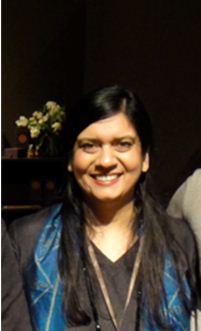
foto: gentileza Neela Vermeire

foto: gentileza Neela Vermeire

Neela Vermeire Creations es una de las líneas más interesantes y sólidas con las que me he encontrado en los últimos años. Sus perfumes son caleidoscópicos y de una calidad asombrosa. Creados por Neela Vermeire y el nariz Bertrand Duchaufour, estos eaux de parfum son emotivos homenajes a la India natal de Neela.

El amor de Neela por el perfume es genuino y contagioso. Sus palabras transmiten la candidez de alguien verdaderamente apasionada por su métier.

¿Por qué decidiste armar equipo con Bertrand Duchaufour?

Hay un número de buenos narices con quienes podía haber trabajado, pero la visión de Bertrand y la mía coincidieron y creo que establecimos un gran  rapport basado en nuestras propias visiones olfativas de India.  Por esto también es que con frecuencia hablamos de co-desarrollo. Estoy muy satisfecha con nuestra cooperación y espero que los tres (próximamente cuatro) productos terminados demuestren esta excelencia.

Además del motivo de India ¿cuáles son las diferencias entre NVC y otras líneas de nicho?

No hay realmente un motivo indio, porque a mi entender eso daría la idea de que estas son fragancias “indias”, que yo realmente opino que no son.  Los tres perfumes (y el cuarto, que lanzaremos durante el otoño de 2013) están “inspirados por India”.  Son verdaderamente perfumes franceses porque todo está hecho en Francia, basado en recuerdos de lo que es India, míos y de Bertrand.  Para responder tu pregunta acerca de los factores diferenciales… la marca no negocia y usa simplemente las mejores materias primas para crear una experiencia coherente y consistentemente rica para los amantes de las fragancias.  No tenemos interés en “hacer bombo”, queremos construir sólidamente. Yo estoy 100% detrás de la marca y me involucro mucho en la creación de cada uno de los perfumes. Cada día aprendo muchísimo de los demás.

¿Cuál es la importancia de las materias primas en una composición?

Esta es para mí una de las cosas más importantes.  Por supuesto, mezclar al azar materiales nobles no logra un buen perfume, pero las materias primas de excelente calidad son condición necesaria para desarrollar perfumes que le hablen a la pasión de las personas y que despierten recuerdos olfativos felices. Mientras trabajaba con Bertrand, no le impuse restricciones con el precio de las materias primas y espero que esto se note en las fragancias que hemos creado.

¿Cuán importante es la capacidad de emocionar de un perfume?

La capacidad de emocionar es crucial.  Un perfume le habla a nuestra memoria olfativa y nuestra emoción está cercanamente vinculada a esta memoria.  Un perfume puede hacerte atravesar todo un abanico de emociones, que no son las mismas para todo el mundo.  Distintas personas reaccionan de manera muy diferente al mismo olor.  Por ejemplo, tengo un amigo que es un fanático absoluto de los autos y le encantan los olores del cuero y de la nafta.  Para mí, esa combinación no significa nada, pero hay perfumes construidos alrededor de ese tema.  Dentro de mis perfumes, varias personas han llamado a NVC Bombay Bling “felicidad en una botella” o “antidepresivo”.  Es sólo para mostrar que las emociones juegan un rol muy importante. Trayee hace que muchos clientes se sientan en paz, y así.

¿Cómo definirías el lujo?

El lujo es difícile de definir, pero aquí hay algunas citas e ideas que he recolectado a lo largo de los años y con las que estoy de acuerdo:

“La cosa más triste que puedo imaginar es acostumbrarse al lujo.” Charlie Chaplin

Creo que tres factores definen al lujo; deseabilidad, acceso limitado y el hecho de que no es necesario.

Lo que yo llamo lujo tiene que ver con cada una de las partes del proceso para obtener un producto que sea el mejor posible. Debería ser una idea interesante, diseñada con pensamiento y marcando el tono sin la presión de lo que está de moda

El acabado debe ser perfecto (no necesariamente tiene que ser a a mano, un corte láser puede ser tan preciso como una puntada prolija). Finalmente, la manera en que está presentado al cliente, y cómo se satisfacen las necesidades del cliente.

A lo largo del camino, la democratización del “lujo” ha llevado a una erosión de lo que la palabra “lujo” verdaderamente representa en el mercado de hoy día.  A medida que las marcas de lujo se diversifican, lo que se percibía como lujo ya no es tan exclusivo puesto que ahora es accesible a todos.

¿Cómo definirías la belleza?

Para usar una frase gastada “la belleza está en el ojo de quien contempla”… Realmente creo que definir la belleza es muy difícil.  A veces la gente dice que mis fragancias son bellas, pero esta palabra significa cosas distintas para diferentes personas.

¿Cuál parte de ser independiente es la más dura?

Es hacer las cosas uno mismo… y darse cuenta de que a veces es necesario soltar las propias creaciones y permitir que alguien ayude con la parte de marketing.  Esa decisión es difícil porque uno quiere asegurarse de que las fragancias y la marca estén representadas de la mejor manera posible.  También hay mucha historia detrás de mi (joven) marca y para que las personas entiendan mis valores y las razones de las creaciones, a menudo siento que debo explicarlas a cada cliente, lo que por supuesto no es posible.

Finalmente, está la ecuación financiera. No tengo grandes inversores detrás, como la mayoría de las compañías, lo que significa que el crecimiento debe ser mesurado.  Entonces, un concepto de nicho quizás implica un crecimiento más lento.

¿Cuál es la mejor parte de serlo?

Es hacer las cosas uno mismo… la independencia de todo.  Tomar tus propias decisiones.  No queríamos buscar una solución “llave en mano” en la cual entregaríamos un concepto y tercerizaríamos el desarrollo, obteniendo un producto terminado que luego yo debería posicionar en el mercado y vender.  Quiero estar involucrada en cada aspecto y asegurarme de que tengo un producto consistente y coherente.  Por ejemplo, Pierre Dinand y yo trabajamos muy juntos en el desarrollo de mi (nueva) botella – yo no quería una botella standard – aunque esto podía haber acortado los tiempos para salir al mercado.

¿Qué podés contarnos de tu nueva creación?

Ashoka es una fragancia hermosa, compleja y única como tributo a un famoso emperador de India que fue adelantado para su época. El perfume tiene una salida bastante poderosa y la base es bella y compleja. Vos vas a poder describir Ashoka mejor.

¿Cuáles serán tus próximos pasos?
 

Estamos trabajando en unos pocos proyectos. Iremos compartiendo a medida que avancemos.

No estamos tan apurados como para correr antes de caminar.  Como sabrás para esta altura y a través de nuestros perfumes, soy “anti-bombo” y quiero crear fragancias con un significado.  Esta es la forma en que quiero que seamos diferentes. (Se encuentra demasiada exageración en este negocio). Es también un negocio competitivo, pero como no distribuimos aún de manera mundial somos incluso más selectivos; trabajamos directamente con la tienda. Estamos planeando trabajar con algunos agentes y distribuidores, pero esperamos crecer con el tiempo.

Mi meta es asegurarme de que todos los clientes y entusiastas de NVC puedan tener perfumes memorables y de calidad, que crearán una impresión duradera en sus memorias.

Caro

foto: gentileza Neela Vermeire

foto: gentileza Neela Vermeire

Star of India – An interview with Neela Vermeire

Neela Vermeire Creations is one of the most interesting and solid lines  I have come across in the past years. Their fragrances are kaleidoscopic and of astounding quality. Created by Neela Vermeire and nose Bertrand Duchaufour, these eaux de parfum are emotive homages to Neela‘s native India.

Neela‘s love for fragrance is genuine and contagious. Her words convey the candor of someone who’s truly passionate about her métier.

Why did you decide to team-up with Bertrand Duchaufour?

There are a number of good noses that I could have worked with, but Bertrand’s vision and mine – just coincided and I believe we established a great rapport based on our very own olfactory visions of India.  This is also why we talk often about co-development. I am very pleased with our cooperation and I hope that the three (soon to be four) end products demonstrate this excellence.

Besides the Indian motif, what are the differences between NVC and other niche lines?

There is not really an Indian motif, because to me this gives the idea to people that these are “Indian” fragrances, which I think they are not really.  The three fragrances (and the fourth which we’ll launch in autumn 2013) are “inspired by India”.  They are truly French perfumes because everything is done in France, based on recollections of what is India – mine and Bertrand’s.  To answer your question about differentiating factors… the brand makes no compromises and uses simply the best raw materials to create a coherent and consistently rich experience for fragrance lovers.  We are not interested in creating a “hype” – we want to build everything steadily. I stand behind the brand 100% and I am very involved in the creation of each of the perfumes. There is so much I learn each day from others.

What is the importance of raw materials in a composition?

This is to me one of the most important things.  Of course, just randomly throwing together noble materials does not create a great perfume but excellent raw materials are a necessary condition to develop perfumes that will speak to people’s passion and awaken happy olfactory memories. While working with Bertrand, I did not impose constraints on him for the price of raw materials and I hope this shows in the fragrances that were created.

How important is a fragrance’s ability to emote?

The ability to emote is crucial.  A fragrance speaks to our olfactory memory and our emotion is closely linked to this memory.  A fragrance can make you go through a whole range of emotions and they are not the same for everyone.  Different people react very differently to the same smell.  For example, I have a friend who is a real car fanatic and he loves leathery smells and the smell of gasoline.  For me, that combination just does not do it, but there are fragrances out there that build on that theme.  In my fragrances, some people have called NVC Bombay Bling “happiness in a bottle” or “anti depressant”.  It just goes to show that emotion plays a very big role. Trayee makes many clients feel at peace and so on.

How would you define luxury?

Luxury is difficult to define, but here are some quotes, ideas and thoughts I’ve collected over the years and which I agree with:

“The saddest thing I can imagine is to get used to luxury.” Charlie Chaplin

I think three factors define luxury; desirability, limited accessibility, and the fact that it is not necessary.

What I call luxury – it has to do with every single part of the process of making the product the best possible. It should be an interesting idea, designed with thought and setting the tone without the pressure of what’s in and current.

The finish should be perfect (I don’t necessarily mean by hand, a laser cut could be just as precise as a really neat stitch). Finally, the way it’s presented to the customer, and how the customer’s needs are met.

Along the way, the democratization of “luxury” has lead to an erosion of what the word “luxury” truly represents in today’s marketplace.  As luxury brands diversify, what was perceived as luxury is no longer all that exclusive as it’s now accessible to all.

How would you define beauty?

To use a tired phrase “beauty is in the eye of the beholder”… I really think that defining beauty is very difficult.  Sometimes people say my fragrances are beautiful – but this word means different things to different people.

What is the hardest part about being independent?

It is doing things yourself… and realizing that sometimes you need to let go of your creations and let someone help with the marketing side.  That decision is difficult because you want to be sure that the fragrances and the brand are represented in the best light.  Also, there is a lot of history to my (young) brand and, for people to understand my values and the reasons for the creations, I often feel I need to explain to each and every individual customer – which of course is not possible.

Finally, of course there is the financial equation – I am not backed by big investors like most companies, which means growth, must be measured.  But then, a niche concept perhaps means slower growth?

What is the best part of it?

It is doing things yourself… the independence of it all.  You make your own decisions.  We did not want to go for a “turnkey” solution where we would just deliver a concept and source out the development, getting a finalized product delivered that I would then sell and market.  I wanted to be involved in all aspects and ensure that I had a consistent and coherent product.  For example, Pierre Dinand and I worked very closely on the development of my (new) bottle – I did not want to go for a standard bottle – although this may have shortened time to market.

What can you tell us about your new creation?

Ashoka is a beautiful, complex and unique fragrance as it is a tribute to a famous Indian emperor who was ahead of his times. The perfume has a rather powerful start and the dry down is complex and beautiful. You will be able to describe Ashoka better.

What will your next steps be?
 

We are working on a few projects. Will share as we go along.

We are not in a hurry to run before we can walk.  As you may know by now and from our perfumes – I am anti-hype and want to create fragrances with meaning.  This is how we want to be different. (There is too much of hype easily available in this business.) It is also a competitive business but as we do not distribute all over the world yet we are more selective –we work directly with store. We are planning to work with some agents and distributors but we hope to grow with time.

My aim is to make sure that all NVC clients and supporters get amazing quality and memorable perfumes that will create a lasting impression in their memories.

Caro

Eau d’Italie Acqua Decima – Una entrevista

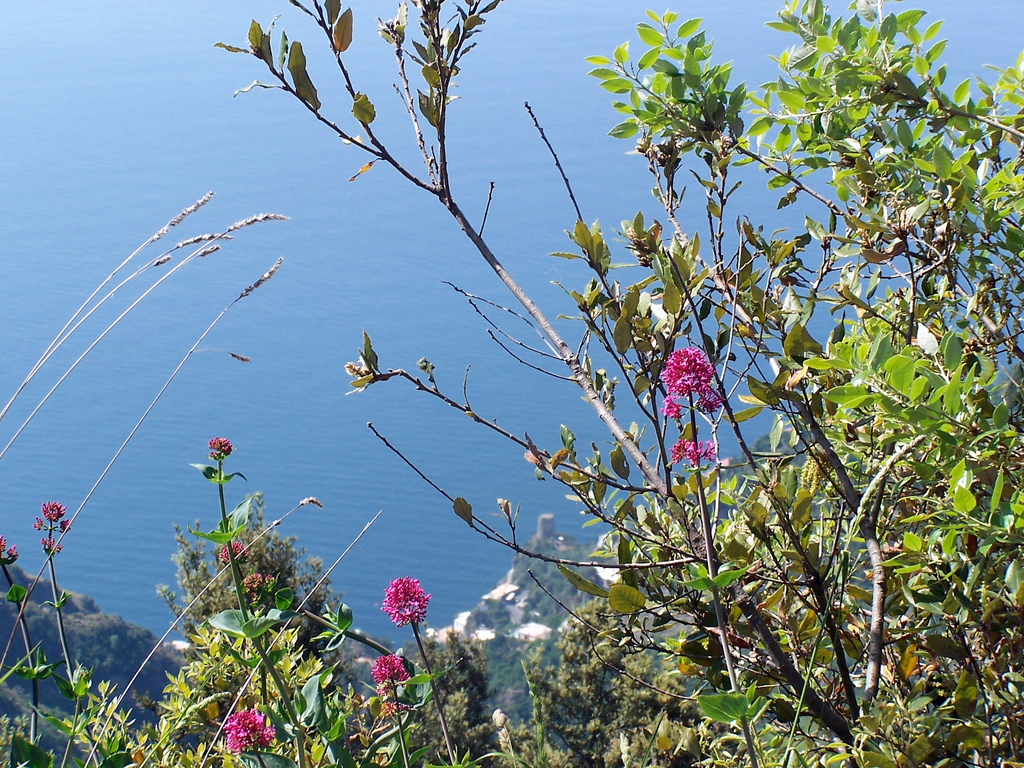
foto: It.wikipedia.org fotógrafo: Porfirio

foto: It.wikipedia.org      fotógrafo: Porfirio

La flamante Acqua Decima es el eau de toilette más reciente de Eau d’Italie. Como su nombre permite suponer, es la décima creación de la marca.

Inspirado en los aromas mediterráneos de la soleada Costa Amalfitana, más específicamente del ”Sendero-camino de los dioses” este perfume fresco y vivaz aúna notas de cítricos, flores y menta

Conversamos con Sebastián Álvarez Murena, quien junto a su mujer, Marina Sersale, es creador de la marca.

¿Cuál es la inspiración detrás de Acqua Decima?

En realidad para nosotros la cosa tiene una cierta gracia, porque hace más de diez años, cuando empezamos a trabajar en lo que después se convirtió en Eau d’Italie Eau de Toilette, nuestro primer perfume, entre las varias cosas que nos propusimos estaba la de no hacer un perfume a base cítrica. En su momento, porque no queríamos caer en la “obligación” de lo que es un clásico italiano.

Y henos aquí hoy, lanzando un perfume a base cítrica…

Pero la verdad es que si uno cierra los ojos y permite que los elementos del paisaje sugieran ideas para un perfume, en el Sur de Italia los limones son un elemento realmente imposible de no considerar, y extremamente seductor.

Lo que los franceses llamarían un elemento incontournable.

Decía Goethe: “¿Conoces el país donde florece el limonero y centellean las naranjas entre el follaje oscuro?”, ¡y aparentemente ésto se le ocurrió estando todavía en el Norte de Italia!

O sea que, volviendo a tu pregunta, la inspiración real fueron los maravillosos limones del Sur. Vos has estado en Positano y sabés que,de hecho, los olores cítricos, hesperidados, son una realidad cotidiana: puestos a lo largo de la ruta que venden limones maravillosos, con hojas de un verde profundo y cáscara espesa y cargada de aceites. Los limones están por todos lados, la gente los compra, los cultiva, se los regala para hacer Limoncello casero.

Y si uno piensa en “Il sentiero degli dei“, “La senda de los dioses”, un recorrido en las montañas sobre Positano, los elementos de Acqua Decima están todos ahí. Limones, menta, aire…

Por encima de todo esto, la verdad es también que…teníamos muchas, muchas ganas de tener un cítrico clásico en la colección, un cítrico irresistible…

-Morillas, el nariz detrás de esta creación,  es el rey indiscutido de las fragancias limpias ¿Cómo fue el brief que recibió?

 Acqua Decima nació ante todo a raíz de una conversación en la cual hablábamos de sensaciones del Sur de Italia. De una cosa fuimos yendo a otra, y antes de que nos diéramos cuenta estábamos trabajando en lo que se convirtió en Acqua Decima.  Fue un trabajo muy certero, estaba todo muy claro desde el principio.

-¿Qué suma Acqua Decima a la colección Eau d’Italie?

Buena pregunta, porque lleva a lo que suele ser el punto de salida de todos nuestros nuevos perfumes, o sea el ver qué le puede agregar a la colección Eau d’Italie. En este caso lo que buscábamos era agregar un elemento para el cual pensamos que la línea está hoy madura, o sea un clásico.

Un clásico ejecutado “a regola d’arte“, como se dice en italiano.

Acqua Decima es un perfume de esa categoría que habla por sí misma: es casi imposible olerlo y no sonreir. Hay perfumes que nos intrigan, perfumes que incitan a la reflexión, perfumes que nos hacen viajar, o que nos transportan en el tiempo. Y hay perfumes que nos hacen sonreir,  que nos hacen sentir bien, nos ponen de buen humor, incluso sin que nos demos cuenta de por qué. Acqua Decima pertenece a ésta categoría.

-Las últimas fragancias de Eau d’Italie son notablemente más frescas que las primeras ¿Hay una decisión consciente detrás de este giro?

 No sé si necesariamente las calificaría a todas como más frescas, pero sí, entiendo lo que querés decir. Incluso Un Bateau pour Capri, que no es un perfume fresco en el sentido clásico de la palabra, tiene una cierta vibración que lo vuelve, más allá de todas sus características, un perfume con también una capacidad de aparecer como fresco. En todo caso nunca como un perfume no-fresco, aún siendo profundo y floral.

Decisión consciente no hay. Pero si me pongo a pensar en la cosa se me ocurre que tal vez esta “frescura”, por así definirla, tenga que ver por un lado con los temas tratados, pero por otro también, supongo, con una búsqueda de equilibrio. Marina y yo a veces volvemos a oler perfumes en los que trabajamos años atrás, perfumes que sacamos y algunos que en cambio no sacamos, y nos preguntamos si hay algo que cambiaríamos. En general la conclusión es que no, porque cada perfume que lanzamos es exactamente lo que buscábamos.

Este es un trabajo importante para nosotros, porque con el pasar de los años creo que lo que más nos importa para Eau d’Italie es que tenga coherencia con nuestro plan general: hacer perfumes que en nuestra opinión son lo más cercano a la perfección del tema que estamos tratando. Probablemente en la búsqueda de armonía y coherencia para Eau d’Italie la colección, estos perfumes más frescos pueden completar los perfumes más cálidos, más llenos que hacen parte de la línea.

-Seré cruel. Si tuvieras que elegir una fragancia -una sola- para usar por el resto de tus días ¿cuál sería y por qué?

 Contesto sinceramente: siempre hay un amor muy especial por el perfume en el cual uno ha trabajado recientemente, el recién nacido. Pero después pasa el tiempo y uno vuelve a acercarse a perfumes en los que ha trabajado antes, y vuelve a fascinarse.

Desgraciadamente hace ya muchos años que ni Marina ni yo podemos usar perfumes por el gusto de usarlos, porque necesitamos tener la piel “limpia” para el trabajo, probar y probar. Pero un lujo que me doy, ya que no implica comprometer piel que necesitamos para el trabajo, es el de perfumar todos los días el pañuelo. Que desde el bolsillo del saco, de vez en cuando deja subir alguna nota.

Esta es mi manera de usar perfume hoy en día, y tiene la ventaja de permitir una gran variedad.

Pero, si tuviera que elegir un perfume para siempre, ¿cuál sería?

Dependería del día en que tuviera que hacer la elección…

Caro

foto: gentileza Eau d'Italie

foto: gentileza Eau d’Italie

Eau d’Italie Acqua Decima – An interview

The very recently released Acqua Decima is the newest eau de toilette from Eau d’Italie. Like its name suggests, it is the tenth fragrance in the collection.

Inspired by the Mediterranean scents of the sunny  Amalfi Coast, more specifically of the ”Path of the Gods”, this fresh and lively fragrance blends notes of citrus, flowers and mint.

We had a few words with Sebastián Álvarez Murena who, alongside his wife, Marina Sersale, is the creator of the brand .

What is the inspiration behind Acqua Decima?

Actually it is sort of funny for us because more than ten years ago, when we began working on what later became Eau d’Italie Eau de Toilette, our first fragrance, we decided – among many things- not to create a citrus-based fragrance. At that time we didn’t want to feel the “duty” of what an Italian classic should be.

And here we are today, launching a citrus-based fragrance…

But in all truth, if one closes his eyes and lets the elements of the landscape suggest ideas for a fragrance, in the south of Italy lemons are an element which is impossible to ignore, and extremely seductive. What the French would call an incontournable element.

Goethe said: ‘Do you know the country where the lemon tree blooms and oranges sparkle among the dark foliage?’, and apparently he wrote this while he was in the  North of Italy!

So, going back to your question, the actual inspiration were the wonderful lemons from the South. You have been to Positano and know that, in fact, the citrusy hesperidic scents are a quotidian reality: stands along the road where wonderful lemons are sold, with their deep green leaves and a thick peel, reeking with oils. Lemons are eveywhere, people buy them, plant them, gives them away to prepare homemade  Limoncello.

And if one thinks of “Il sentiero degli dei“, “The pathway of the Gods”, a footpath on the mountains over Positano, the elements of  Acqua Decima are all there. Lemons, mint, air…

Above all this, truth is…we really, really wanted to have a classic citrus in the collection, an irresistible citrus…

-Morillas, the nose behind this creation,  is the undisputed king of clean fragrances. What was the brief he received like?

 Acqua Decima was born after a conversation in which we talked about sensations of the south of Italy. One thing led to another and before we could even realize, we were working in what became Acqua Decima.  It was a very precise job, everything was clear from the beginning.

-What does Acqua Decima add to the Eau d’Italie collection?

Good question,  because it leads to the starting point of all our new fragrances, seeing what can be added to the Eau d’Italie collection. In this case what we were looking to add an element for which we think the line is -now- mature enough: a classic.

A classic executed -as the Italians say-  ‘a regola d’arte’.

Acqua Decima is a fragrance of that category that speaks for itself: it is almost impossible not to smile upon smelling it. There are fragrances that intrigue, fragrances that invite reflection, fragrances that make us travel, or that take us back in time. And there are fragrances that make us smile,  that make us feel good, that improve our mood, even without us knowing why. Acqua Decima belongs to this category.

-The latest creations from Eau d’Italie are notoriously fresher than the first ones. Is there a conscious decision behind this turn?

 I don’t know if I would classify all of them as ‘fresher’ but I see your point. Even Un Bateau pour Capri, which is not a fresh fragrance in the traditional sense of the word, has a certain vibe that turns it, beyond all its other traits, a fragrance with an ability to appear as fresh. In any case, never as un-fresh, even being deep and floral.

There is no conscious decision. But come to think of it maybe this ‘freshness’ might have to do with the motifs we have already touched, but also with a search for balance. Marina and I sometimes smell again fragrances on which we worked a few years ago, fragrances we released and some others we didn’t release and we wonder if there’s anything we would change. We generally agree that we wouldn’t change anything, because each fragrance we launched is exactly what we were looking for at that time.

This is an important task for us, because as years go by I think what we care most about Eau d’Italie is that it is coherent with our main plan: creating fragrances that, in our opinion, are as closest to perfection as possible regarding the theme that inspires us. Probably in the search for harmony and coherence in the Eau d’Italie collection, these fresher fragrances can complete the warmer, fuller fragrances we have in the line.

-I’ll be cruel. If you had to choose a fragrance -just one- to wear for the rest of your life, which would it be and why?

I will answer in all sincerity: there is always a very special love for the fragrance in which one has recently worked, the newborn. But after time elapses, one returns to the previous creations and becomes fascinated by them again.

Unfortunately neither Marina nor me can wear any fragrance just for the pleasure of it, because we need to have our skin ‘clean’ for our work: trying fragrances once and again. But one of my little luxuries is to scent my handkerchief every day. Then the scent wafts from the pocket in my jacket.

This is how I wear fragrance nowadays, and it has the advantage of allowing for a great variety.

But, if I had to choose a fragrance for ever, what would it be?

That would depend on the day I have to take the decision…

Caro

Ramón Monegal – El heredero

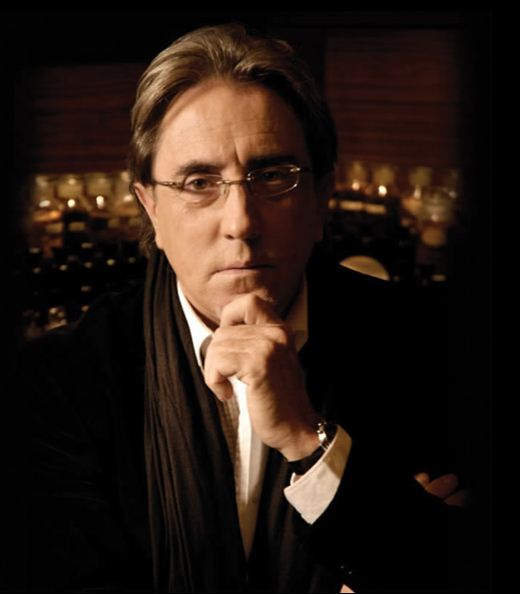
foto: Ramonmonegal.com

foto: Ramonmonegal.com

Ramón Monegal proviene de una prolífica dinastía de perfumistas. Muchos guardamos en la memoria  perfumes como Maja, Maderas de Oriente o Embrujo de Sevilla de la emblemática y hoy desaparecida casa Myrurgia, propiedad de su familia.

El Sr. Monegal se entrenó como nariz dentro de la empresa familiar y, sucesivamente,  con los maestros perfumistas Artur Jordi PeyMarcel Carles  y Pierre Bourdon. Compuso perfumes para Myrurgia y también para distintas marcas y diseñadores (Mango, Adolfo Domínguez, Inés de la Fressange, Massimo Dutti). También incursionó en la literatura con una novela, La Perfumista (Editorial Planeta), que pude leer gracias a la generosidad de Alicia, propietaria de Perfumerías Nadia.

Hoy es creador y nariz de Ramón Monegal Perfumes, su propia línea de autor.

Me causó especial placer tener esta entrevista debido a los recuerdos y  emociones que despiertan en mí los viejos perfumes de Myrurgia, especialmente Maja.

Usted pertenece a una dinastía de perfumistas con relevancia histórica en España y el mundo hispanoamericano ¿lo vive como un honor, una herencia pesada o como una ventaja?

Para mí es un honor pertenecer a la 4ª generación de la principal saga de perfumistas que ha habido en España. Sería diseñador y arquitecto por vocación pero soy perfumista por herencia y tradición. Desde que tengo uso de razón el perfume y sus ingredientes forman parte de mi vida y esto creo que es una gran ventaja, pero también es una gran responsabilidad y por supuesto mi gran desafío.

¿Cuáles son sus recuerdos más tempranos asociados con los aromas?

Es difícil olvidar el olor de mandarina en el colegio, o el de lápiz de cedro en la boca, el olor de mar que cada año aparecía en el pueblo costero donde pasaba mis vacaciones de verano en la costa brava, el de brea del calafateado que el maestro de hacha utilizaba para las embarcaciones de pesca del pueblo que me hipnotizaba, el ahumado del fuego de leña en invierno, el del algodón de azúcar de las ferias, el de la biblioteca de mis abuelos… y un interminable etcétera.

¿Cuáles son sus memorias más tempranas asociadas con la industria del perfume?

La más intensa y sorprendente que recuerdo, siendo yo muy pequeño, fue viajando con mi padre (perfumista) en coche, bajábamos de Ginebra en verano y estábamos llegando a Grasse en época de floración del jazmín, las ventanillas abiertas (porque no existía el aire acondicionado), cuando la carretera empezó a sortear y atravesar campos de jazmines en flor…el olor que entraba en el coche pasó de sorprendente a intenso acabando por convertirse en sofocante e inolvidable a pesar de haber cerrado todas las ventanillas. Llegamos a Grasse y pasé toda la semana acompañando a mi padre visitando a los principales productores del mundo de esencias para perfumes. Fue una experiencia extraordinaria, distinta y olfativa que debió marcarme para siempre.

¿Qué parte del proceso creativo disfruta más?

El proceso de creación de un perfume es complejo y lo componen diferentes fases, unas más intelectuales y otras más ejecutivas de laboratorio. Yo disfruto explorando, descubriendo, o encontrando ingredientes, con su relación olor/actitud, disfruto componiendo acordes que sugieren irradian o emocionan, disfruto imaginando narraciones o imágenes olfativas, y me aburro haciendo los ensayos en el laboratorio.

¿De cuál de sus creaciones se siente más orgulloso?

Yo sinceramente no puedo elegir una de entre todas mis composiciones, todas tuvieron su razón de ser en su momento y todas tienen sus virtudes y sus defectos, al final es el usuario el que hace las preferencias. De lo que sí puedo decir que estoy muy orgulloso es de haber tomado la decisión de iniciar un proyecto totalmente nuevo, un proyecto libre, de autor, que me permite defender el arte en el perfume y me permite también seguir evolucionando como perfumista libre e independiente.
¿Qué características comparten las creaciones de su marca?

Son intemporales, no siguen la tendencia marcada por la industria, no tienen género por eso están contenidas en un frasco tintero, combinan ingredientes naturales míticos, extraídos con técnicas de destilación molecular fraccionada, con moléculas de última generación, la presencia del Mediterráneo como fuente de inspiración olfativa y energía vital creativa, la tradición en los procesos de elaboración y maduración fruto de la experiencia heredada desde 1916, la elegancia del iris, la presencia del cuero, la opulencia de la tuberosa, la fuerza del cedro, la nobleza del ámbar, la caricia de la rosa, la dulzura de la vainilla, la energía del yuzu, la pasión del clavel, la sensualidad del almizcle y el jazmín….

¿Usa perfume? Si es así, ¿cuál?

¡¡¡Siempre!!! Me siento incompleto, medio desnudo, sin mi imagen olfativa. La verdad es que ando todo el día dándole vueltas al maridaje de la imagen personal con la olfativa, así es que voy haciendo pruebas con distintas composiciones o haciendo algún mix dependiendo de mis momentos o actitudes. El ideal sería: frescor vital verde, ozónico, frutal para dar continuidad al placer de la ducha matinal; maderas, especias y flores para comunicar fuerza seguridad y empatía durante el día; y envolverte de cuero poderoso, nobleza ambarada y sensuales acariciantes acorde de almizcle y vainilla para la noche.

¿Cómo se sintió en el rol de novelista?

Como un pez fuera del agua, sobre todo en el inicio del largo proceso de gestación que es parir una novela. Solo cuando el protagonista era el perfume, sus ingredientes o la imagen que reflejaba, me podía relajar y disfrutar plasmando todo aquello que siempre había imaginado.
 ¿Cómo desearía ser recordado?

Me gustaría que mis obras hablasen por mi por mucho, mucho tiempo… ya que esto querría decir que como siempre he defendido y a pesar de todo y de todos el perfume puede ser arte!

Caro

foto: Ramonmonegal.com

foto: Ramonmonegal.com

Ramón Monegal – The heir

Ramón Monegal comes from prolific dynasty of perfumers. Many of us cherish memories of fragrances such as Maja, Maderas de Oriente or Embrujo de Sevilla, created by the emblematic and now defunct house of Myrurgia, which belonged to his family.

Mr. Monegal was trained as a nose at the family company and then, successively, under  master perfumers Artur Jordi PeyMarcel Carles and Pierre Bourdon. He composed fragrances for Myrurgia and also for other labels and designers (Mango, Adolfo Domínguez, Inés de la Fressange, Massimo Dutti). He also ventured into Literature with a novel, La Perfumista (Editorial Planeta), which I was able to read thanks to the generosity of Alicia, owner of Perfumerías Nadia.

Today he is the creator and nose of Ramón Monegal Perfumes, his signature line.

I was especially pleased to write this interview due to the memories and emotions awakened in me by the old  Myrurgia fragrances, most especially Maja.

You belong to a dinasty of perfumers with strong relevance in Spain and Spanish America. Do you see it as an honor, a heavy heritage or and advantage?

I feel honored to belong to the 4th generation of the main perfumers dynasty that has existed in Spain. I would be a designer or an architect due to my vocation but I am a perfumer due to heritage and tradition. Since I can remember, fragrance and its raw materials have been part of my life and I think this is a big advantage, but it is also conveys great responsibility and, of course, a great challenge.

What are your earliest scent-related memories?

I find it difficult to forget the smell of mandarine oranges in school, or the cedarwood pencil in my mouth, Summer holidays in the costa brava, the smell of pitch for caulking the fishing boats which mesmerized me, the smokiness of the wood fire in Winter, the cotton candy at the fairs, my grandparents’ bookcase… and an endless et cetera.

What are your earliest memories associated with the fragrance industry?

The most intense and surprising I can remember is, being very young, I was traveling with my father (a perfumer) by car, we were coming down from Geneva in Summer and were arrived in Grasse at the time of the blooming of jasmine, our windows were open (air conditioning didn’t exist then), when the road started to go around and through jasmine fields in full bloom…the smell that wafted into the car went from surprising and intense to suffocating and unforgettable, despite our having closed all the windows. We arrived in   Grasse and I spent all the week with my father, visiting the main world producers of perfumery essences. It was an extraordinary experience, olfactory and different which must have left its mark forever.

What part of the creative process do you enjoy the most?

The creative process used to make a fragrance is complex and formed by different stages, some of them more intelllectual and others more executive at the laboratory. I enjoy myself exploring, discovering or finding raw materials, with their relationship smell/attitude, I enjoy composing accords which suggest, radiate or move, I enjoy myself imagining stories or olfactory images and I get bored when I do the trials at the laboratory.

Which of your creations makes you feel proudest?

In all honesty I can’t choose one from all my creations, each one had a reason to be at a time and each one has its virtues and defects, in the end it is the consumer who makes his/her preferences. What I can say is I am very proud of having taken the decision of starting a completely new project, a free project, a signature project, which allows me to defend the art in perfume and allows me to continue evolving as a free and independent perfumer.

What traits do your creations share?

They are timeless, they don’t follow the trend set by the industry, they are genderless -that’s why they are bottled in an inkwell bottle-, they combine natural mythical ingredients, extracted through techniques of molecular fractional distillation. The presence of the Mediterranean as a source of olfactory inspiration and vital creative energy,the tradition in the elaboration processes and the maduration, fruit of the inherited experience since 1916, the elegance of iris,the presence of leather, the opulence of tuberose, the strength of cedarwood, the nobility of amber, the caress of rose, the sweetness of vanilla, the energy of yuzu, the passion of carnation, the sensuality of musk and jasmine

Do you wear fragrance? If so, which one?

Always!!! I feel incomplete, half naked, without my olfactory image. Truth is I spend the whole day going around the matching of paeronal and olfactory image, so I make trials with different compositions or I mix depending of my moments or attitudes. The ideal one would be: vital freshness green-ozonic-fruity to prolong the pleasure of the morning shower; woods, spices and flowers to convey strength, assurance and empathy during the day; and to feel enveloped by powerful leather, ambery nobility and a sensual caressing accord of musk and vanilla for evening.

How did you feel in your role as a novel writer?

Like a fish out of the water, especially at the start of this long gestation process that is giving birth to a novel. Only when the main character was fragrance, its raw materials or the image it reflected, I could relax and enjoy myself putting into words all those things I had always imagined. 

How do you wish to be remembered?

I would like my work to speak for me for a long, long time… since this would mean I have always defended -in spite of everyting and everyone- that perfumery can be an art!

Caro

foto: Ramonmonegal.com

foto: Ramonmonegal.com