Category Archives: Notas & Acordes fragrance blog

Derribando Mitos I

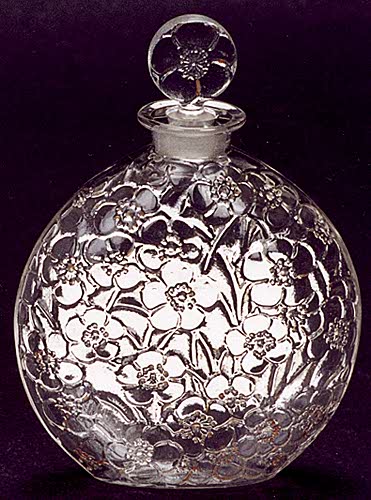
foto: Ogallerie.com            botella: René Lalique

La diferencia entre eau de toilette, eau de parfum y parfum es la concentración Sí y no. No es la única diferencia: en la mayoría de los casos las tres versiones tienen distintas pirámides olfativas (la EdT puede destacar el aspecto frutado y la EdP el floral, por ej) y además la calidad de los ingredientes suele ser diferente. Muchas compañías, por supuesto, reservan sus materias primas premium para los extractos. Para complicar las cosas un poco más, una EdT de una casa puede ser más potente que la EdP de otra. Esto es especialmente notorio en los productos que tienen ya algunos años: las EdTs son más fuertes que las EdPs actuales de las mismas casas.

Eau de toilette es más barata que parfum Puede ser más accesible a la hora de comprar, pero muchas veces el parfum será una mejor opción a largo plazo, ya que se utiliza mucha menor cantidad. El parfum también se percibe más pleno, así que uno tiende a sentirse más satisfecho cuando lo porta, aunque sea en cantidad mínima. Sería el equivalente a una cucharada de un postre deliciosamente calórico.

El Parfum tiene más sillage que la EdP o EdT porque es más concentrado ¿No? Aunque el parfum permanece más tiempo sobre la piel, también se mantiene más cerca de ella. Las eaux de toilette y eaux de parfum contienen más alcohol que el parfum. El alcohol se evapora y dispersa el aroma alrededor de la persona que lo porta, creando así el  sillage (la estela fragante que un perfume deja detrás)

El No.5 que usaba tu abuela es el mismo No.5 que compraste el mes pasado en la perfumería Los perfumes que han existido por tanto tiempo han atravesado varias reformulaciones aunque no todas las compañías hablen abiertamente sobre ello. Algunos ingredientes se encuentran restringidos (por presentar posibles riesgos para la salud o por estar reñidos con los derechos de los animales), otros ya  no están disponibles, algunas fórmulas se han alterado para estar más a tono con los gustos actuales y/o para que su producción resulte menos costosa. Muchos clásicos aún huelen maravillosamente, a pesar de las reformulaciones; otros son sólo pálidas sombras de lo que solían ser.

El perfume indicado te convertirá en alguien irresistible Sólo si te hace sentir fabuloso/a y actuás en consecuencia. Las distintas personas tienen distintos gustos: mientras algunos hombres enloquecen al olisquear vainillas ahumadas, otros aúllan como  lobos si se topan con un chipre verde. Un perfume no va a convertirte en alguien atractivo si no lo sos: cultivá tus encantos y tratá de oler bien mientras lo hacés.

Virginia y Caro
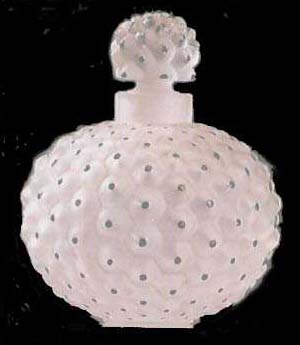
foto: Djllalique.com          botella: René Lalique

Busting myths

The difference between eau de toilette, eau de parfum and parfum is concentration   Yes and no. It is not the only difference: in most cases the three versions have different olfactory pyramids (the EdT might highlight the fruity aspects and the EdP, the florals) and also the quality of the ingredients is different. Many companies, of course, keep the premium stuff for their parfums. To make matters less simple, an EdT from one house can be stronger than an EdP from another. This is especially notorious with products that are a few years old: the EdTs are stronger than the current EdPs from those same houses.

Eau de Toilette is cheaper than parfum It might be cheaper to buy, but sometimes parfum will be a better purchase in the long term as you will be applying less of it. Parfum also feels richer, so you might be more satisfied when you wear it, even if it’s just a tiny amount. It would be the equivalent to a spoonful of a deliciously decadent dessert.

Parfum has more sillage than EdP or EdT because it is more concentrated, right? While parfum lasts longer on the skin, it also tends to stay closer to it. Eau de toilette and Eau de parfum contain more alcohol than parfum. Alcohol evaporates and disperses the scent around the person who’s wearing it, thus creating sillage (the trail of scent left behind by a perfume)

The No.5 your grandmother wore is the same No.5 you bought last month at the store Fragrances that have been around for such a long time have undergone several reformulations although not all companies talk openly about it. Some ingredients have been restricted (due to health concerns or to animal rights), others are no longer available, some formulas have been tweaked in order to appeal more to the current tastes and/or to become less costly to produce. Many classics still smell wonderful despite the reformulations; others are just pale shadows of what they used to be.

The right fragrance will turn you into someone irresistible Only if it makes you feel great and you act accordingly. Different people have different tastes: while some guys go mad upon smelling smoky vanillas, others turn into wolves when the sniff a green chypre. Fragrance will not make you attractive if you are not: cultivate your charms and try to smell nice while you are at it.

Virginia & Caro

Amouage Honour Woman – Alas de mariposa

imagen: Art.com

No es un secreto para quienes me conocen que  Amouage se cuenta dentro de mis casas favoritas: una inteligente dirección creativa, varios de los mejores narices del mundo y materias primas de primera calidad dan como resultado exquisitos perfumes de gran complejidad, proyección y longevidad.

Honour Woman fue lanzado en junio de 2011. Este floral blanco -inspirado por Mme. Butterfly, de Puccini– fue compuesto por Alexandra Carlin y Violaine Collas bajo la dirección creativa de Christopher Chong.

Los florales blancos pueden ser enormes, desmesurados y a veces…bueno…demasiado florales. He tenido pesadillas en las que tuberosas carnívoras y gardenias monstruosas me perseguían incansablemente para devorarme, así que tiendo a desconfiar un poco de esta familia.

Me aproximé cautelosamente a Honour Woman y sentí alivio al ser saludada por una apertura ligeramente verde, con una pizca de pimienta, acidulada por el ruibarbo y un poco fría. El corazón es un radiante bouquet de flores blancas –gardenia, jazmín, tuberosa y delicado lirio del valle – que logra mantener algo de verdor y humedad de rocío. Este bouquet es luego envuelto por una niebla resinosa de incienso, ámbar y opopanax. El fondo es suave, cálido y seco. Es en este punto donde la fragancia pierde su inocencia previa.

Aunque quizás esta fragancia no  les siente a los minimalistas, apuesto a que tendrá aún más seguidores que los pesos pesados de Amouage: Gold y Jubilation 25.

A pesar de su opulencia y complejidad, Honour  Woman es sorprendentemente aireado para un Amouage y conserva un aura de fragilidad. Creo que sería un perfume fabuloso para una novia.

Caro

Origen de la muestra: muestra cortesía de Amouage

foto: Amouage.com

Amouage Honour Woman – Butterfly wings

It is no secret to those who know me that Amouage is among my favorite houses: smart creative direction, many of the world’s best noses and top quality raw materials give as a result exquisite fragrances of great complexity, projection and longevity.

Honour Woman was launched in June 2011. This white floral -inspired by Puccini’s Mme. Butterfly- was composed by noses Alexandra Carlin and Violaine Collas under the creative direction of Christopher Chong.

White florals can be huge, overpowering and sometimes just…well…just too floral. I have had nightmares in which I was relentlessly chased by carnivorous tuberoses and monster gardenias that intended to devour me, so I tend to be a bit wary of that family.

I approached Honour Woman with caution and was relieved to be greeted by a greenish and peppery opening, tart with rhubarb and somewhat chilly. The heart is a radiant bouquet of white flowers –gardenia, jasmine, tuberose and delicate lily of the valley – that manages to retain a slight dewy greenness. That bouquet is later wrapped in a resinous haze of frankincense, amber and opopanax. This drydown is smooth, warm and dry. It is here where the scent loses much of its previous innocence.

Although this fragrance will most likely not suit minimalists, I’d bet it will appeal to a much wider audience than the Amouage heavyweights: Gold and Jubilation 25.

Despite its opulence and complexity, Honour Woman is surprisingly airy for an Amouage and keeps a certain aura of fragility. I think it would make a fabulous bridal perfume.

Caro

Origin of sample: sample courtesy of Amouage

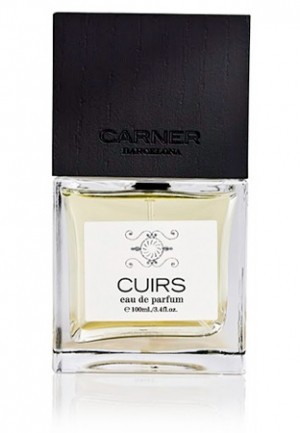
Carner Barcelona Cuirs – Maderas, humo de pipa y cuero

foto: Massif-central.fr

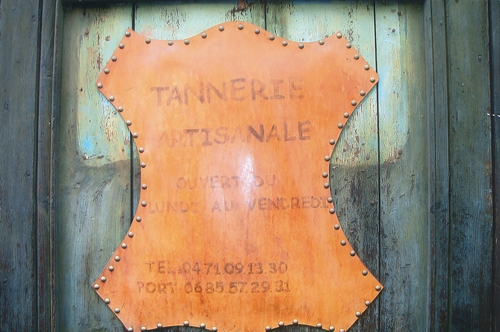
La casa Carner Barcelona  fue fundada en 2009 por Sara Carner. No resulta sorprendente que Carner -quien desciende de una larga línea de artesanos del cuero- quisiera crear una fragancia que evocara los ateliers donde trabajaban estos artesanos. 

La fragancia, convenientemente bautizada Cuirs, fue compuesta por la nariz Sonia Constant, quien también creó Guerlain Aqua Allegoria Tiaré Mimosa (2009), Tocca Brigitte (2009) y Van Cleef & Arpels First Premier Bouquet (2008)

No soy gran fanática del cuero a menos que de perfumes se trate; en tal caso, me convierto en ansiosa sommelier.  

Cuirs abre amargo y especiado con comino y azafrán. A no temer: el comino se comporta bien y no remite al sudor.  Apenas unos instantes más tarde la mezcla rebosa de maderas. Las distintas notas amaderadas son fácilmente identificables en esta etapa. La madera es una presencia constante en las creaciones de Carner  (cedro en D600; cedropalo de rosa en Tardes) pero en Cuirs aparece en una asombrosa sucesión de cedro, amyris, guayacosándalo australiano y oud, el equivalente olfativo a un estallido de fuegos de artificio (de madera).

Cuirs se torna ligeramente ahumado y dulzón, con matices de heno y tabaco que buscan evocar el humo de las pipas que llena el aire del atelier.  Encuentro especialmente interesante este pasaje de heno/tabaco a humo, como ilustración perfecta del gesto de encender una pipa. El acorde de cuero llega mucho, mucho más tarde y está redondeado por una suave nota de oud y la apacibilidad del haba tonka. Este es cuero que ya ha sido curtido y acariciado por las manos de los artesanos, quedando suave y flexible como una segunda piel.

Pese a la profusión de  maderascuero y tabaco, Cuirs logra retener la cualidad aireada e inmaterial del humo y nunca se torna pesado u opresivo. Su longevidad es excelente.

Caro

foto: Minnewyork.com

Origen de la muestra: Muestra cortesía de Perfumería Nadia, Madrid

Carner Barcelona Cuirs – Woods, pipesmoke and leather

Perfume houseCarner Barcelona  was founded in 2009 by Sara Carner. It only seemed fitting that Carner -who comes from a long line of leather artisans- wanted to create a fragrance that evokes the ateliers where these artisans worked.

The fragrance was aptly named Cuirs and was composed by nose Sonia Constant, who also created Guerlain Aqua Allegoria Tiaré Mimosa (2009), Tocca Brigitte (2009) and Van Cleef & Arpels First Premier Bouquet (2008)

I am not the biggest fan of leather except when it comes to fragrance; in that case, I turn into an eager sommelier.  

Cuirs opens bitter and spicy with cumin and saffron. Fear not: the cumin is well behaved, not redolent of sweat.  Just a few instants later the blend is brimming over with woods. The different woody notes are easily identifiable at this stage. Wood is a constant presence in every Carner creation (cedarwood in D600; cedar and rosewood in Tardes) but in Cuirs it appears in an amazing succession of  cedar, amyris, guaiacAustralian sandalwood and oud, the olfactory equivalent of (wood) fireworks.

Cuirs becomes slightly smoky and sweeter with nuances of hay and tobacco, which are meant to evoke the pipesmoke filling the air of the atelier. I find the passage from hay/tobacco to smoke especially interesting, as a perfect illustration of the gesture of lighting a pipe. The leather accord arrives much, much later and is rounded by a soft oud note and the gentleness of tonka. This is leather that has already been tanned and caressed by the hands of the artisans, rendered soft and pliable like a second skin.

Despite the profusion of woods, leather and tobacco, Cuirs manages to retain the airy, immaterial quality of smoke and never becomes oppressive or heavy. Its longevity is excellent.

Caro

Origin of sample: Sample obtained at Perfumería Nadia, Madrid

Eau d’Italie Magnolia Romana – La fuerza de la fragilidad

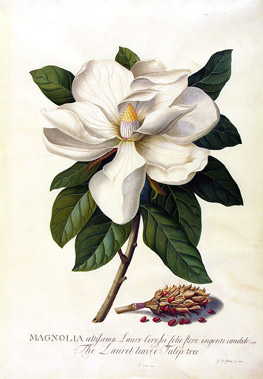
imagen: Vam.ac.uk     Georg Dionysius Ehret, 1743

Si tuviera que enumerar los árboles más bellos que adornan nuestra Buenos Aires; junto con el jacarandá y el palo borracho, la magnolia seguramente tendría un lugar de preferencia. Sus raíces serpentinas, tronco corpulento y hojas oscuras se ven hermoseados por flores grandes y robustas que esconden un aroma delicado y elusivo.

Hace mucho mucho tiempo emprendí la búsqueda de un verdadero perfume de magnolia, uno que capturara la fragancia real de la flor: quería que mi magnolia fuera alimonada, crujiente, ligeramente amarga; soleada y sombría a la vez, pero -¡Ay!- sólo logré toparme con  impostores jazmines, gardenias y tuberosas. Desilusionada, abandoné mi esfuerzo vano y busqué consuelo en los brazos de ámbares especiados y rosas oscuras.

Los años siguientes me encontraron evitando los florales ligeros como si fueran la peste misma. Hasta el día en que tropecé con Magnolia Romana.

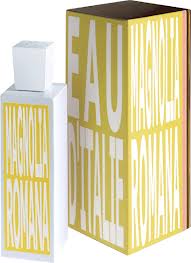
Creada por Bertrand Duchaufour para Eau d’Italie, esta agua de toilette resulta una sutil obra maestra que susurra en vez de gritar. La fortaleza mayor de Magnolia Romana reside en su aparente fragilidad. De la misma manera en que el sutil aroma de la magnolia viene en la naturaleza acompañado por un árbol robusto, esta eau de toilette es respaldada por una sólida composición donde nada es demasiado literal: el limón no se presenta bajo la forma de jugo y lo limpio retiene una pizca de suciedad.

La salida atrapa la atención: fresca y picante, con reminiscencias de hojas de limón y albahaca morada. Casi inmediatamente, una magnolia a la que llamaría acuosa más que acuática se torna corpórea gracias a la adición de nuez moscada y una insinuación de tuberosa.  Luego trueca algo de su transparencia por la tibieza de las notas de heno y un suave almizcle blanco; un almizcle que encuentro consistentemente en casi toda la línea Eau d’Italie.

Magnolia Romana mantiene un sutil verdor a lo largo de toda su evolución y nunca se vuelve demasiado dulce. No proyecta muy lejos, eligiendo ser un íntimo parfum de peau con una longevidad sorprendente.

Caro

Origen de la muestra: muestra gentileza de Eau d’Italie

foto: Eauditalie.com

Eau d’Italie Magnolia Romana – The strength of fragility

If I were to name the most beautiful trees that grace our Buenos Aires;  alongside jacarandá and palo borracho,  magnolia would definitely have a preferential place. Its serpentine roots, robust trunk and dark leaves are beautified by big sturdy flowers that hide a delicate and elusive scent.

Long long ago, I searched for a true magnolia fragrance, one that managed to capture the true scent of the flower: I wanted my magnolia to be lemony, crisp, sligthly bitter; sunny and shady at a time but, alas, I only suceeded in meeting jasmine, gardenia and  tuberose imposters. Disappointed, I abandoned my futile effort and threw myself in the consoling arms of spicy ambers and dark roses.

The following years found me avoiding soft florals like the plague. That is until the day I stumbled upon Magnolia Romana.

Created by Bertrand Duchaufour for Eau d’Italie, this eau de toilette happens to be an understated masterpiece, one that whispers instead of shouting. Magnolia Romana’s strongest asset is its apparent fragility. In the same way the subtle scent of magnolia is -in nature- accompanied by such a robust tree, this seemingly shy and inoffensive eau de toilette is backed up by a balanced composition where nothing is too literal: lemony doesn’t translate as lemon juice and cleanliness retains a bit of dirt.

The opening is attention-grabbing: fresh and spicy, redolent of lemon leaves and purple basil.  Almost immediately, a magnolia note I would call watery rather than aquatic becomes more corporeal thanks to the addition of nutmeg and the slightest hint of tuberose.  It later trades some  transparency for the warmer notes of hay and soft white musk; a musk I consistenly find in most of the Eau d’Italie line.

Magnolia Romana never becomes too sweet and  retains a subtle verdancy throughout its evolution. It never projects too far, choosing instead to be an intimate parfum de peau with  surprisingly good longevity.

Caro

Origin of sample: sample courtesy of Eau d’Italie

L’Artisan Parfumeur Timbuktu – Duchaufour golpea otra vez

foto: Nationalgeographic.com              fotógrafo: Rémi Bénali

El maestro Bertrand Duchaufour, Señor del Deconstructivismo, Rey del Incienso, golpea otra vez. A no temer: no nos lleva a una iglesia donde pesadas nubes de incienso asfixian nuestros pecados, sino a Mali, en el oeste de África, donde las mujeres perfuman su piel a través de un rito antiguo y sensual llamado wusulan.

El incienso en Timbuktu es translúcido y ligero, como un velo. Ni austero y conceptual como en su Avignon (Comme des Garçons) ni suculento como en el maravillosamente barroco Jubilation XXV (Amouage). 

En la salida, un cosquilleo de pimienta rosa y cardamomo, se fusiona armoniosamente con la nota afrutada del mango verde. El Karo Karoundé, una flor de África Occidental que posee un aroma cremoso a menudo comparado con el del jazmín, añade una hermosa nota floral. La composición, sin embargo, mantiene siempre un ligero amargor. El cipriol (aceite esencial de nagarmotha, una hierba emparentada con el papiro y que se usa tradicionalmente en la India para perfumar la ropa de las mujeres) y el patchouli, prestan sus notas amaderadas y terrosas.

La evolución es bastante lineal. La longevidad es standard para un eau de toilette, dándonos así una buena excusa para aplicarlo con más frecuencia.

Timbuktu es elegante, muy fácil de llevar y absolutamente libre de etiquetas de género. Merece su justo lugar entre las mejores obras de Duchaufour.

Caro

Origen de la muestra: Muestra obtenida en Olfattorio Roma

foto: Artisanparfumeur.com

L’Artisan Parfumeur Timbuktu – Duchaufour strikes again

Master Bertrand Duchaufour, Lord of Deconstructivism, King of Incense, strikes again. Fear not: you are not being taken to  a church where heavy clouds of incense will suffocate  your sins, but to Mali, in West Africa, where women scent their  skin through a sensual and ancient rite called wusulan.

The incense in Timbuktu is sheer and light, like a veil, and never becomes opaque or dense. Neither as austere and conceptual as in his Avignon (Comme des Garçons) nor as luscious as in the wonderfully baroque Jubilation XXV (Amouage) 

Its opening, somewhat tingly with pink pepper and cardamom, is harmoniously blended with a fruity note of green mango. Karo Karoundé, a West African flower with a creamy smell often compared to jasmine, adds a beautiful floral note. The composition, however always retains a slight bitterness. Cypriol (the essential oil of nagarmotha a grass closely related to papyrus that has been traditionally used in India to perfume women’s clothing) and patchouli lend their woody, earthy notes.

The evolution is quite linear. Longevity is standard for an eau de toilette, thus giving us a good excuse for reapplying.

Timbuktu is elegant, extremely wearable and absolutely free from gender constrictions.  It rightly deserves a place among Duchaufour’s best.

Caro

Origin of sample: Sample obtained at Olfattorio Roma