Tag Archives: mandarina – tangerine

Carthusia Ligea – El canto de las sirenas

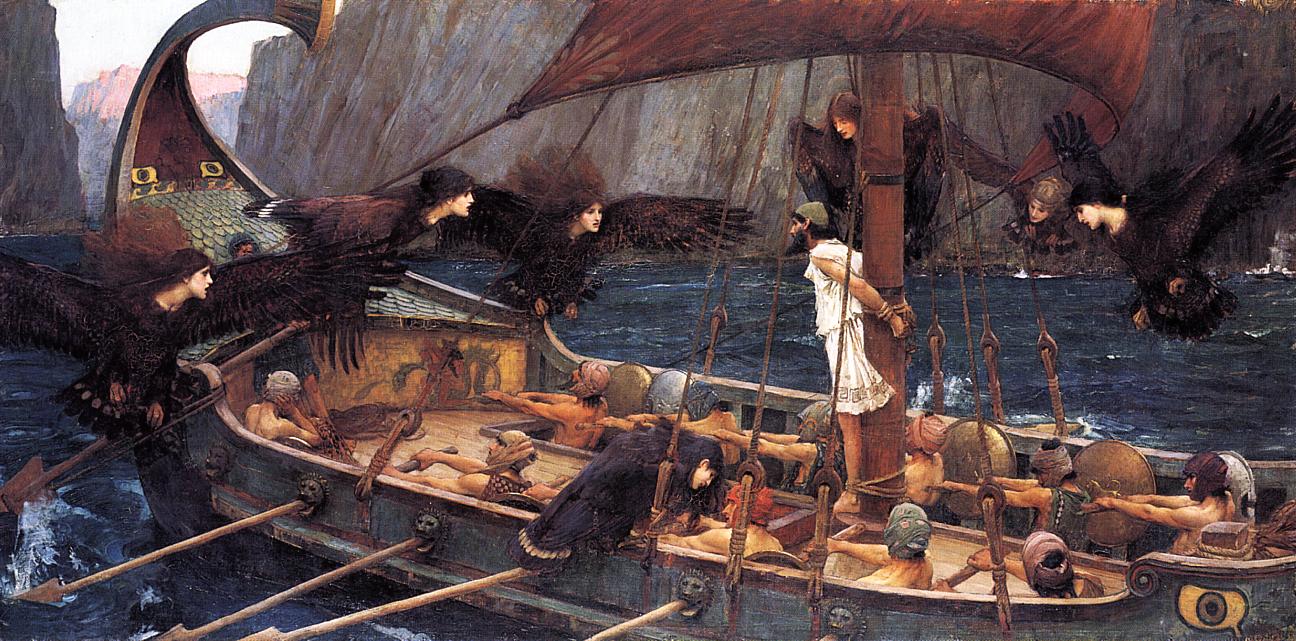
imagen: Wikipaintings.org artista: John William Waterhouse “Ulysses and the Sirens”

En la mitología clásica las sirenas eran demonios marinos: mitad mujeres, mitad pájaros. Atraían a los marinos con su encantadora e irresistible música, haciéndolos encallar en las rocas para luego devorarlos. Eran tres: Parténope (quien dio su nombre a la ciudad de Nápoles), Leucosia y Ligea (de quien este perfume toma el nombre).

Al toparme con esta fragancia en la tienda Carthusia en Positano, al instante se convirtió en una de mis favoritas de la línea (las otras dos fueron Mediterraneo y Corallium). En un principio la creí demasiado potente, pero con el correr de las horas fue ganándome poco a poco: la longevidad era fabulosa y su fondo atalcado me hipnotizó. No podía dejar de olerme la muñeca.

Diseñado por la créatrice extraordinaire Laura TonattoLigea es un perfume que parece suspendido en el tiempo. Posee  una riqueza que rara vez se  encuentra (huele?) en estos días. No resulta anticuado en absoluto, sino que su encanto es atemporal.

La salida es hesperidada con mandarinanaranja y bergamota. No es fresca y jugosa, sino seca y ligeramente amarga; más sustancial, como la corteza de estas frutas. Es esta salida la que había juzgado como disonante al olerla por primera vez.  Luego, las notas de Ligea se funden entre sí sin fisuras: patchouli, el maravilloso picor de los clavos de olor (tengo una debilidad por esta nota en perfumería) y una pincelada rosada, probablemente brindada por el geranio. La base, donde la vainilla y el benjuí vuelcan su resplandor dorado sobre el atalcado opopanax, es tan gloriosa que me deja en trance y sin poder pronunciar palabra.

Si bien no tengo objeción hacia los sintéticos (y prácticamente no podría tenerla), me desagradan los perfumes que huelen artificiales. El aroma de Ligea  es increíblemente natural y lo aprecio incluso más por ello. Se convirtió también una de mis fragancias preferidas para la hora de dormir ya que, cada vez que la elijo, me recompensa con dulces sueños.

No puedo resistirme al canto de esta sirena y tampoco quiero hacerlo.

Caro

Nota Bene: Imagino que los amantes de Shalimar que no están felices con la encarnación actual, definitivamente deberían probar suerte con Ligea.

Origen de la muestra: Botella comprada en la boutique Carthusia, Positano
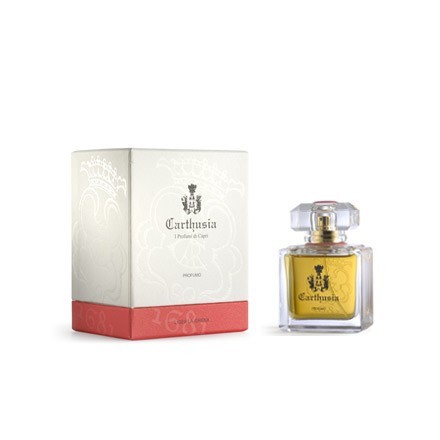
foto: Carthusia.it

Carthusia Ligea – The song of the sirens

In classical mythology sirens were sea demons: half women, half birds. They lured sailors with their enchanting and irresistible music provoking their ships to be wrecked  on the rocky coast. They would then devour the unfortunate men. There were three of them: Parthenope (who gave her name to Naples), Leucosia and Ligea (from whom this perfume borrows its name).

When I tried this fragrance at the Carthusia store in Positano, it instantly became one of my three favourites from the line (the other two were Mediterraneo and Corallium). I thought it a bit too powerful at first, but over the course of hours it won me over: the lasting power was fabulous and its powdery drydown got me hooked. I just couldn’t stop sniffing my wrists.

Designed by créatrice extraordinaire Laura TonattoLigea is a fragrance that seems  suspended in time. It possesses a rich quality that is rarely seen (sniffed?) these days. It is not, however, old fashioned but has a timeless appeal.

The opening is hesperidic with mandarin, orange and bergamot. Not fresh and juicy, but drier and with a hint of bitterness; more substantial, like the rind of these fruits. It was this opening which I had thought dissonant when I first sniffed it.  Afterward, the notes in Ligea blend seamlessly: patchouli, the wonderful spiciness of cloves (I have a soft spot for this note in fragrance) and a rosy hint, most likely provided by geranium. The drydown, where vanilla and benjoin cast their golden glow over powdery opopanax, is so glorious that it leaves me entranced and at a loss for words.

While I don’t (and practically can’t) object to the use of synthetics, I dislike fragrances that overtly reek of them. Ligea smells incredibly natural and I appreciate it even more for it.  It has become one of the fragrances I enjoy wearing to bed as, every time I do so, I am rewarded with sweet dreams.

I cannot resist this siren’s song and I don’t want to.

Caro

Nota Bene: I think lovers of  Shalimar who are not happy with its current incarnation should definitely give Ligea a try.

Origin of sample: Bottle bought at the Carthusia boutique, Positano

Annick Goutal Les Nuits d’Hadrien – El aroma del crepúsculo

foto: Hy.bestpicturesof.com

Siguiendo los pasos del best seller de la casa, el maravilloso Eau d’Hadrien, Annick Goutal lanzó Les Nuits d’Hadrien en 2003. En este caso, las notas estructurales de limón y ciprés persisten, pero truecan su vigorizante frescura por un carácter más dulzón y sensual.

Esta original fragancia abre con notas cítricas (limón, bergamota, mandarina) que tienen el propósito de evocar las tonalidades doradas de una puesta del sol en la Toscana. Su salida chispeante es seguida por comino y patchouli, que realzan la identidad ligeramente masculina de Les Nuits d’Hadrien, sugiriendo el olor de un cuerpo glorificado.  El ámbar y almizcle de la base subliman el calor de la piel de quien lo porta; encuentro esta etapa devastadoramente sexy.

Les Nuits d’Hadrien parece funcionar de maravillas en el clima húmedo de Buenos Aires y logra, paradójicamente, mantener la calidez sin perder frescura. Disfruto particularmente de aplicarlo luego del gimnasio.  

Su longevidad es excelente para un eau de toilette. La versión eau de parfum, que no he probado, enfatiza la faceta oriental especiada de esta fragancia.

Caro

Origen de la muestra: Regalo de una amiga

foto: Annickgoutal.com

Annick Goutal Les Nuits d’Hadrien – The scent of dusk

Following in the steps of the house’s best seller, the wonderful Eau d’Hadrien, Annick Goutal launched Les Nuits d’Hadrien in 2003. In this case, the structural lemon and cypress notes persist, but trade their uplifting freshness for a sweeter, more sensual character.

This original fragrance opens with citrus notes (lemon, bergamot, tangerine) which are meant to evoke the golden hues of sunset in Tuscany. Its sparkling opening is followed by cumin and patchouli, which enhance Les Nuits d’Hadrien‘s slightly masculine identity, suggesting the smell of a glorified body.  The amber and musk in the drydown sublimate the warmth of the wearer’s skin; I find this stage arrestingly sexy.

Les Nuits d’Hadrien seems to work wonderfully in the humid Buenos Aires climate and manages, paradoxically, to be warm without losing freshness. I particularly enjoy applying it after the gym.

It has fairly good longevity for an eau de toilette. The eau de parfum version, which I haven’t tried, emphasises the spicy oriental facet of this fragrance.

Caro

Origin of sample: Gift from a friend

Heeley St. Clement’s – Rimando cítricos y flores

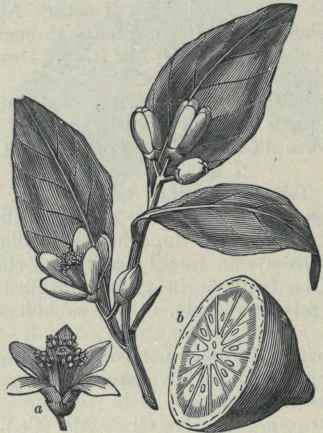
imagen: Chestofbooks.com

“Naranjas y limones dicen las campanas de St. Clement’s” canta la vieja rima inglesa que inspiró a Heeley para bautizar su creación.

Este eau de parfum delicado y refrescante encuentra su origen en las eaux de cologne tradicionales y está infundido con sus mismas propiedades benéficas.  Las naranjas y limones que comienzan la rima aparecen  acompañados  por  bergamota y mandarina, pero las marcados matices florales (notablemente neroli e ylang-ylang) son lo que convierte a St. Clement’s en algo especial y diferente de otras pócimas similares.  Sorprendentemente liso y redondeado para una composición cítrica, St. Clement’s apenas se ve perforado por el amargo verdor del petitgrain y una sutil nota de té Earl Grey

Más suave que otros favoritos de verano, como Eau d’Hadrien u Eau d’Orange Verte, es igualmente clásico en espíritu. Esta mezcla es tan atemporal que podría igualmente haber sido compuesta hace 200 años o apenas ayer (fue creada en 2010).

Aunque está rotulada como un eau de parfum, basándome en su carácter y longevidad (moderada) la considero más próxima a un eau de cologne.

Caro

Origen de la muestra: muestra gentileza de Perfumería Nadia, Madrid

foto: Luckyscent.com

Heeley St Clement’s – Rhyming citrus and flowers

“Oranges and lemons say the bells of St. Clement’s” goes the old English rhyme that inspired Heeley for naming his creation. This delicate and refreshing eau de parfum clearly finds its origin in traditional eaux de cologne and is infused with the same beneficial properties.

The oranges and lemons that start the rhyme are paired with bergamot and mandarin, but marked floral nuances (most notably neroli and ylang-ylang) are what make St. Clement’s truly special and different from other similar concoctions.  Surprisingly smooth and rounded for a citrus composition, St. Clement’s is only slightly pierced by the bitter greenness of petitgrain and a subtle note of Earl Grey tea

Milder than other Summer favorites, like Eau d’Hadrien or Eau d’Orange Verte, it is equally classic in spirit. This blend is so atemporal it could have been composed 200 years ago or just yesterday (for the record, it was created in 2010).

Although it is labeled as an eau de parfum, based on its character and (moderate) longevity I find it much closer to an eau de cologne.

Caro

Origin of sample: sample courtesy of Perfumería Nadia, Madrid

Annick Goutal Eau d’Hadrien – El sol del Mediterráneo embotellado

foto: Winecountry.it

Considero la casa Annick Goutal  como verdaderamente noble. Sus fragancias contienen generosas dosis de materias primas naturales y logran una delicada complejidad a la vez que mantienen la transparencia. Las notas resultan más fácilmente identificables que en otros perfumes, como si estuvieran más definidas y fáciles de señalar.

Eau d’Hadrien -la fragancia insignia de Annick Goutal– fue inspirada por las “Memorias de Adriano”, de Marguerite Yourcenar. De esta inspiración resultó un agua de colonia tradicional con una vuelta de tuerca, una receta aromaterapéutica, un perfume que huele tan cercano a la naturaleza como es posible. Su aroma, universalmente agradable, nos remite a las recetas contra la melancolía de los antiguos Herbarios isabelinos.

El frescor del limón de Sicilia, el pomelo y la mandarina verde otorgan una salida chispeante a esta luminosa mezcla; el ciprés y el ylang-ylang brindan su aporte para que Hadrien sea menos efímero que otras eaux de toilette cítricas.

Eau d’Hadrien se encuentra entre las mejores opciones para llevar en un día de calor tórrido o hacer soportable una interminable jornada de trabajo, ya que es capaz de disipar el humor más sombrío.

Caro

Origen de la muestra: Botella comprada en Perfumerías Rouge, Buenos Aires

foto: Annickgoutal.com

Eau d’Hadrien, Mediterranean sun in a bottle

I regard Annick Goutal as a truly noble perfume house. Their fragrances contain generous doses of raw materials and achieve a delicate refinement while managing to remain quite transparent. Their notes are more easily identifiable than those of other perfumes; it is as if they were more defined, easier to pinpoint.

Eau d’HadrienAnnick Goutal’s most iconic scent- takes its inspiration from Marguerite Yourcenar’s “Memoirs of Hadrian“. This inspiration gave birth to a traditional eau de cologne with a twist, an aromatherapeutic blend, a fragrance as reminiscent of Nature as possible. Its universally pleasing scent evokes the recipes for curing melancholy found in old Elizabethan Herbals.

The freshness of Sicilian lemon, grapefruit and green tangerine provide a sparkling opening; while cypress and ylang ylang make Hadrien a lot less ephemeral than other citrus-based eaux de toilette.

Eau d’Hadrien is among the best options for the dog days of Summer or to make a long workday bearable since it is able to dissipate the most somber of moods.

Caro

Origin of sample: purchased at Perfumerías Rouge, Buenos Aires

Amouage Opus IV – Rebelde con causa

imagen: Botanical.com

La Library Collection de Amouage es un homenaje poético al arte de vivir. Las fragancias (bautizadas Opus I a Opus VI) están inspiradas “por los recuerdos y fragmentos que cada uno de nosotros adquiere en su viaje; los fragmentos que colectivamente representan un tomo de memorias”

Los perfumes de la Library Collection están compuestos con las mismas materias primas de calidad que todas las fragancias Amouage y -aunque mezcladas de una suerte igualmente artística- son mucho menos tradicionales y convencionales. Trascienden las modas y desafían los rótulos de género.
Cada Opus se presenta en una hermosa caja forrada en seda blanca evocando un libro.

Opus IV fue creado por el nariz Jacques Flori bajo la supervisión del talentoso Director Creativo de Amouage, Christopher Chong.
Un generoso 50% de la recaudación de las ventas mundiales (sí, 50%) se destina a prevención y control del HIV en Oman, tierra natal de Amouage.

Au debouché, las notas que se perciben inmediatamente son rosa, comino e incienso. Al rociarlo sobre la piel, la salida es dulcemente frutal, con mandarina y pomelo. Algunas veces el pomelo toma protagonismo y otras prevalece la mandarina. Pimienta rosa, rosa y hojas de violeta agregan un dulzor que nos recuerda lejanamente a la goma de mascar. Ese dulzor es pronto atemperado por especiadas notas de cardamomo y comino.
El comino es reconfortante más que perturbador, pero no deja de tener fuerte presencia, especialmente en días calurosos. El fondo, donde un incienso bello y puro (uno de los sellos de Amouage) se entreteje con cistus y almizcle es, en mi opinión, el mejor momento en la evolución de Opus IV.

Encuentro a Opus IV , junto a Opus VI, como el exponente de carácter más medio-oriental de toda la colección.

Al igual que la mayoría de las fragancias Amouage, Opus IV tiene una presencia fuerte y su evolución es maravillosamente compleja, multidimensional aunque equilibrada. Su longevidad es más que excelente y el aroma aún perdura en la ropa unos cuantos días más tarde.

Caro

Origen de la fragancia: frasco ganado en un sorteo

foto: Sacrocuoreprofumi.it

Amouage Opus IV – Rebel with a cause

The Library Collection by Amouage is a poetic homage to the art of living. The fragrances (named Opus I to Opus VI) were inspired by “the recollections and fragments we each acquire on our journey; the fragments that collectively represent a tome of memories”.

The fragrances in the Library Collection are composed with the same high quality raw materials that all Amouage fragrances and -although blended in an equally artistic way- they are a lot less traditional and conventional. They transcend fashions and defy gender labels.
Each Opus comes in a beautiful box lined in white silk, evoking a book.

Opus IV was created by nose Jacques Flori under the supervision of the talented Creative Director of Amouage, Christopher Chong.
A generous 50% of its worldwide sales proceedings (yes, 50%) go to HIV prevention and control in Oman, homeland of Amouage.

Au debouché the notes I immediately perceive are rose, cumin and frankincense. Upon spraying on the skin, the opening is sweetly fruity, with notes of mandarin and grapefruit. Sometimes the grapefruit takes center stage; at other times, the mandarin prevails. Pink pepper, rose and violet leaf add a sweetness that loosely reminds me of bubble-gum.  That sweetness is soon tempered by spicy notes of cardamom and cumin. The cumin is comforting rather than disturbing but it is strong nonetheless and gets more evident on hot weather. The drydown, where a pure and beautiful silver frankincense (one of Amouage’s trademark notes) gets interwoven with labdanum and musk is, in my opinion, the best moment in Opus IV’s development.

Together with Opus VI, I find Opus IV to be the most Mid Eastern in feel of the whole Library Collection.

As with most Amouage fragrances, Opus IV has a strong presence and the evolution is wonderfully complex, multidimensional yet balanced. Its staying power is beyond excellent and it lingers on clothes many days afterwards.

Caro

Origin of sample: Bottle won in a draw