Tag Archives: ambargris – ambergris

Ann Gerard Parfum Perle de Mousse – Hiedra cítrica

imagen: Fineartamerica.com  artista: Anne Weirich

imagen: Fineartamerica.com     artista: Anne Weirich

Desde que probé  Ciel d’Opale  el año pasado, no veía la hora de conocer a los otros dos integrantes de la colección de fragancias de Ann Gerard Parfum (compuesta por Bertrand Duchaufour)Perle de Mousse y Cuir de Nacre. Hace poco lo hice. ¿Qué puedo decir? ¡Ah, ya sé!: Por favor ¡no me obliguen a elegir sólo un favorito de entre ellos!

No puedo comprender qué sucede con mi lado racional cuando se trata de oler las composiciones del  Sr. Duchaufour. Hasta ahora, no he probado una sola fragancia de él que no me haya gustado. Siempre hay algo de su estilo que sorprende, es atemporal y moderno a la vez. En el caso de este particular eau de parfum (Perle de Mousse) puede apreciarse en una asombrosa y singular fusión de cítricos con notas verdes y florales.

Al oler desde la botella, la percepción inicial es de frescura, dulzura y sombras. Es una fría solemnidad, como el denso y profundo cobijo que el follaje abundante brinda en verano. La generosa dosis de mandarina verde y aldehídos agrega algunas vibraciones a la oscuridad de las notas de hiedra y gálbano, al igual que los rayos de sol abriéndose paso tímidamente a través de la espesura.

Ya sobre la piel, Perle de Mousse se vuelve más floral. El limpio lirio del valle rocía su jabonosidad sobre un  bouquet de gardeniasjazmines y rosas búlgarasClavo y espino blanco agregan un suave, dulce y especial toque que hace las veces de puente con las notas base. En este momento hace su aparición un matiz amaderado, justo antes de que el ambargris,el almizcle y la vainilla entibien y sellen la composición.

Este perfume pertenece a la familia chipre verde. Ciertamente, porque a pesar de tener una alegre -cítrica, dulce, floral- apariencia lleva también la marca distintiva de sus parientes: una -fría, verde, distante- misteriosa actitud. Y sí, incluso ¡sin musgo de roble! *

Virginia

(*) Pueden leer más sobre la familia de los chipre y las restricciones al uso de musgo de roble aquí.

Origin of sample: Discovery Kit No1 purchased from LuckyScent.
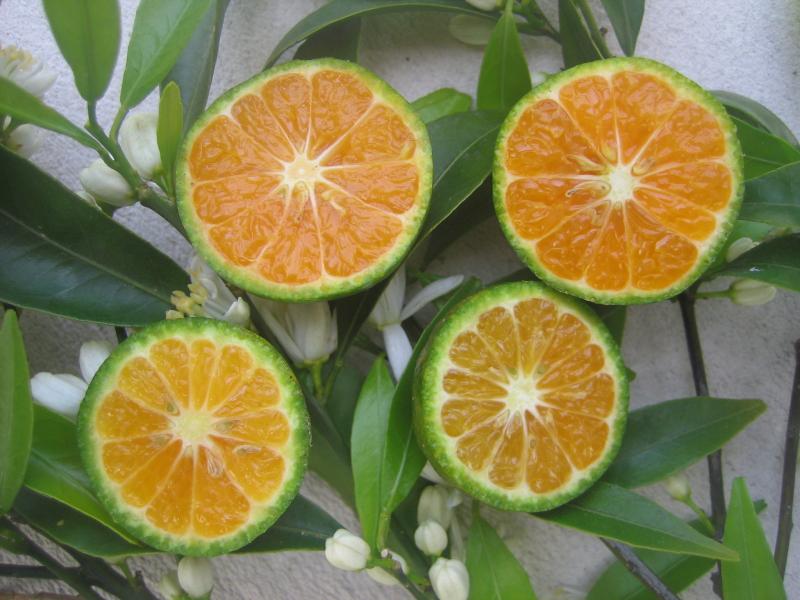
foto: Cadima.com

foto: Cadima.com

Ann Gerard Parfum Perle de Mousse – Citrus ivy

Since I first sampled  Ciel d’Opale last year, I kept looking forward to try the other two integrants of the Ann Gerard Parfum fragrance collection (composed by Bertrand Duchaufour): Perle de Mousse and Cuir de Nacre. I did it recently. What can I say? Oh, I got it: Please, don’t force me to choose only one favorite of them!

I can’t understand what happen with my rational side when it comes to Mr. Duchaufour‘s compositions. So far, I have not smelled a single fragrance from him that I didn’t like.There is always something surprising, timeless and modern at the same time about his style. For example, in this particular eau de parfum (Perle de Mousse) it is possible to appreciate an amazing and singular fusion of citrus, floral and green notes.

Sniffing from the bottle the initial perception is one of freshness, sweetness and shadows. It is a cold solemnity, like the deep and dense shelter that abundant foliage gives in summer. The generous dose of green mandarine and aldehydes adds some vibrations to the darkness of ivy and galbanum notes, similar to rays of sunshine timidly making their way through the thicket.

Upon applying on skin, Perle de Mousse becomes more floral. A clear lily of the valley sprays its soapiness on a bouquet of gardenia, jasmine and Bulgarian rose. Clove and hawthorn brings a sweet and soft spicy hint that acts like a bridge whit the base notes. In this moment a woody hue makes its apparition just before ambergris, musk and vanilla warm up and seal the composition.

This perfume belongs to the green chypre family. Truly, because despite having a cheerful -citrus, sweet, floral- appearance it has the trademark of its relatives: a -cold, green, distant- mysterious attitude. And yes, even without oakmoss!*

Virginia

(*) You can read more about chypre family and oakmoss restrictions here.

Origin of sample: Discovery Kit No1 purchased from LuckyScent.
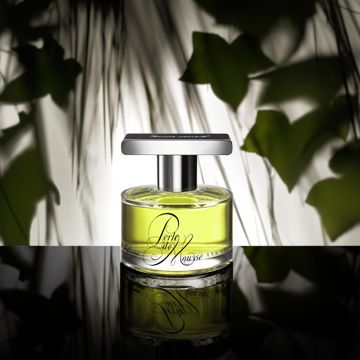
foto: Anngerard.com

foto: Anngerard.com

Una receta perfumada: Sirop de lavande

foto: Imagines-plantarum.de fotógrafo: Leo Michels

foto: Imagines-plantarum.de fotógrafo: Leo Michels

El sirop de lavande (jarabe de lavanda) es uno de nuestros placeres favoritos. Resulta delicioso agregando una cucharada a una copa de agua gasificada, limonada o champagne. También lo disfrutamos rociado sobre queso de cabra grillado o helado de vainilla.

Este jarabe es muy simple de preparar:

Hacer hervir 1 taza de agua y 1 taza de azúcar (a veces usamos mascabado).  Mantener el hervor a fuego mínimo por 20 minutos. Agregar 2 Cdas. de flores de lavanda (preferentemente frescas, aunque por lo general usamos secas) y seguir hirviendo 10 minutos más. Dejar que la mezcla se enfríe durante un par de horas, colar y verter en botellas. Se conserva alrededor de un mes en heladera.

Con frecuencia añadimos unas gotas de esencia natural de vainilla a fin de realzar el dulzor natural de la flor y minimizar sus matices herbáceos.

La combinación de lavanda y vainilla inevitablemente recuerda al icónico Caron Pour Un Homme, creado por Ernest Daltroff en 1934. Este perfume aromático con rasgos de fougère  (tiene lavanda y cumarina pero no musgo de roble) ha cambiado un poco a través de los años. La versión actual es más suave y mucho más avainillada; su salida es menos vigorizante, pero por suerte no ha perdido identidad en absoluto. La belleza de Pour Un Homme  -que a pesar de su nombre puede perfectamente ser llevado por una mujer- radica en su aparente simpleza y equilibrio perfecto. En 2008 Caron renovó la imagen clásica de Pour Une Homme con la cara del rugbier Sebastien Chabal en sus publicidades. Aplaudimos esta jugada audaz mientras brindamos con nuestros cócteles de sirop de lavande.

¡Tengan un buen fin de semana!

Caro y Virginia

imagen: Hprints.com

imagen: Hprints.com

A fragrant recipe: Sirop de lavande

Sirop de lavande (lavender syrup) is one of our favorite treats. We enjoy adding one spoonful to a glass of sparkling water, lemonade or champagne. It is also delicious drizzled over grilled goat cheese or vanilla ice cream.

This syrup is very easy to make:

Bring 1 cup water and 1 cup sugar (we use muscovado sometimes) to a boil. Let simmer for 20 minutes. Add 2 Tbsp lavender flowers (preferably fresh, though we generally use dried) and simmer another 10 minutes. Let the mix cool for a couple hours, strain and pour into bottles. It keeps for about a month in the fridge.

We often add a few drops of natural vanilla essence in order to enhance the natural sweetness of the flower and downplay its herbaceousness.

The lavender-vanilla pairing inevitably brings to mind the iconic Caron Pour Un Homme, created by Ernest Daltroff in 1934. This aromatic fragrance with fougère traits (there is lavender and coumarin but no oakmoss), has changed a bit through the years. The current version is softer, much more vanillic; its opening is less bracing but it thankfully hasn’t lost its identity at all. The beauty of Pour Un Homme  -which despite its name can perfectly be worn by a woman- lies in its apparent simplicity and perfect balance. In 2008 Caron revamped the classic image of Pour Une Homme with the face of rugbier Sebastien Chabal in its ads. We applaud this bold move while we toast with our sirop de lavande cocktails.

Have a lovely weekend!

Caro & Virginia

Creed Fantasia de Fleurs – Tributo a la belleza

foto: Dorotheum.at  artista: Franz Schrotzberg

foto: Dorotheum.at    artista: Franz Schrotzberg

La figura de la emperatriz Elisabeth de Austria (1837-1898) se popularizó a través de la trilogía de filmes de Sissí, con Romy Schneider; edulcoradas películas que no hacen justicia a la memoria de la exquisita emperatriz ni al inmenso talento actoral de  Schneider.

La mayoría de las crónicas de la época afirman que las constantes migrañas que aquejaban a la emperatriz, la llevaban a elegir los perfumes más ligeros o a evitarlos por completo. Ninguna de las biografías de referencia (Corti, HamannHaslip, Christomanos) da detalles acerca de su perfume, aunque un libro de 1904 menciona que usaba jabones de Lubin y, en los últimos años,  de Roger & Gallet en su aroma Vera Violetta (Vera Violetta fue una de las primeras fragancias en usar ionona para imitar el olor de las violetas, las flores preferidas de Elisabeth).

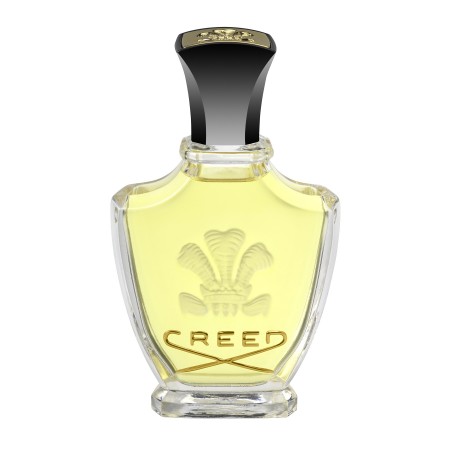
Se dice que Creed Fantasia de Fleurs fue creado para la emperatriz Elisabeth; hasta tanto encuentre más evidencia, prefiero verlo sólo como inspirado por una soberana tan bella como narcisista. Este perfume -uno de mis básicos a lo largo de casi quince años- ostenta los rasgos generales de los florales de la década de 1980.

Un floral cremoso y opulento de belleza clásica, Fantasia de Fleurs es dulce y algo anticuado (en el buen sentido). Iris, violeta y un jazmín indólico son las primeras notas que percibo en este enorme bouquet. Luego emerge la rosa: una rosa que no es fresca sino intensamente aterciopelada. Aunque varios aluden a Fantasia de Fleurs como un perfume compuesto en torno a la rosa, es un multifloral y el jazmín ocupa un lugar igualmente protagónico en la mezcla. Unos veinte minutos más tarde, la presencia animal del ambargris y el almizcle afloran prestando a la composición una profundidad encantadora. La fragancia es persistente y tiene sillage amplio.

Caro

Origen de la muestra: Regalo de una amiga
foto: Creedboutique.com

foto: Creedboutique.com

Creed Fantasia de Fleurs – A tribute to beauty

The figure of empress Elisabeth of Austria (1837-1898) was popularised through the Sissi film trilogy starring Romy Schneider,  saccharine-sweet movies which don’t do justice to the memory of the exquisite empress or to Schneider‘s immense acting talent.

Most chronicles of the time state that  constant migraines made the empress  favor only the lightest perfumes or shun them altogether. None of the authoritative biographies (Corti, Hamann, Haslip, Christomanos) give any details about her perfume, though a book from 1904 mentions she used soaps by Lubin and, in her later years, by Roger & Gallet in their Vera Violetta  scent (Vera Violetta was one of the first fragrances to use ionone to mimic the smell of natural violets, which were Elisabeth‘s favorite flower)

Creed Fantasia de Fleurs is said to have been created for Empress Elisabeth, although, until I find further evidence, I prefer to see it solely as inspired by the beautiful and narcissistic sovereign. This fragrance -which has been a staple in my wardrobe for almost fifteen years- boasts the overall traits of florals from the 1980‘s.

An opulent creamy floral of classic beauty, Fantasia de Fleurs is sweet and somewhat old fashioned (in a good way). Iris, violet and an indolic jasmine are the first notes I perceive in this big bouquet. Then rose emerges: a rose that is not fresh but intensely velvety. Although many allude to Fantasia de Fleurs as a fragrance composed around rose, it is a multifloral and  jasmine has as much of a starring role in the blend.  Some twenty minutes later, the animalic presence of ambergris and musk surface lending the composition an enchanting depth. The fragrance is persistent and has ample sillage.

Caro

Origin of sample: gift from a friend

foto: Wikimedia.org fotógrafo: Emil Rabending, 1867

foto: Wikimedia.org     fotógrafo: Emil Rabending, 1867

The Party The Party in Manhattan – Burbujas de champagne

imagen: Onewed.com  Jean Harlow

imagen: Onewed.com      Jean Harlow

Un día del último septiembre, visité Farmacia Centrale, en Milán. Allí -bajo la guía de la atenta Jelly– pasé cerca de una hora olisqueando cada perfume que tenía a mi alcance.

En la búsqueda de un floral glamoroso, me topé con el delicioso nardo verde de  Mona di Orio Tubereuse, me sorprendí con la belleza clásica de Oha y quedé estupefacta ante el potente Bruno Acampora Blu. Luego de probar (casi por casualidad, ya que no es un floral) The Party in Manhattan, mi elección estaba hecha.

The Party in Manhattan es una creación del empresario Paolo Borgomanero, antiguo propietario de Acqua di Parma. De hecho, algunas personas dicen notar similitudes entre The Party y el Acqua di Parma Profumo original (ahora reformulado). Como solamente conozco la versión actual de Acqua di Parma Profumo, no puedo dar fe de esto. Encuentro, sí, que comparte un aire de familia con los más gloriosos chipres frutados: Mitsouko, Femme  (vintage) y Jubilation 25. Esta elegante belleza no es tan severa como Mitsouko ni tan obviamente erótica como el aduraznado Femme. También se siente menos barroca que  Jubilation 25, que está espolvoreado con una dosis generosa de comino, empapado con matices licorosos de davana y cubierto con pétalos de rosa.

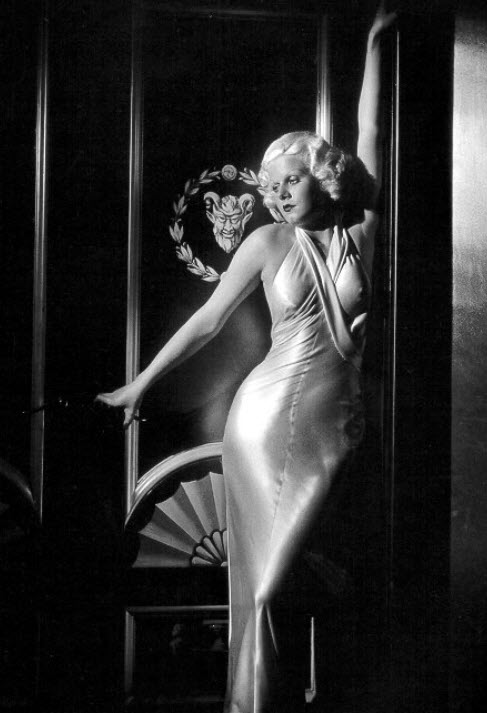
The Party in Manhattan huele a perfume en serio, no como un día en la playa o el rocío de la mañana. Su aroma es adulto y reminiscente de días pasados, mucho antes del advenimiento del spandex y de las botas que parecen pantuflas; de aquellos días en que Hortensia, Cosme o Adelina eran nombres frecuentes en los bebés. Inspirada en el ambiente de las sofisticadas fiestas de la alta sociedad neoyorquina durante la década de 1930The Party presenta una salida especiada y ligeramente amarga con bergamotamandarina y una exuberante nota de clavel. El clavel, si bien enorme, es realista.  Un corazón floral, rico en jazmín, ylang ylang y rosa evoluciona hacia una base más cálida y ambarada mientras mantiene apuntalada la clásica estructura de chipre (bergamota, musgo de roble, patchouli).

Puede no ser revolucionario, pero la calidad y ejecución son irreprochables.  Suma puntos extra por la hermosa caja, hecha a mano en papel veneciano.

Caro

Origen de la muestra: Botella comprada en Farmacia Centrale, Milán

Si quieren, también pueden leer nuestra reseña de The Ten Party,  la contraparte masculina de The Party in Manhattan

foto: Thepartyfragrancestore.com

foto: Thepartyfragrancestore.com

The Party   The Party in Manhattan – Champagne bubbles

One day last September, I visited Farmacia Centrale, in Milan. There -under the guidance of the helpful Jelly– I spent the best part of an hour sniffing every fragrance that was within my reach.

While looking for a glamorous floral I met the delicious green tuberose of Mona di Orio Tubereuse, I was surprised by the beautiful rose in Oha and was stunned by the powerful Bruno Acampora Blu. After I tried (almost by chance, since it is not a floral) The Party in Manhattan, the choice was made.

The Party in Manhattan is a creation of businessman Paolo Borgomanero, former owner of Acqua di Parma. In fact, a few people say to have noticed a  similarity between The Party and the original Acqua di Parma Profumo (now reformulated). Since I have only sniffed the current version of Acqua di Parma Profumo, I cannot attest to this. I find it shares, though, a family resemblance to the most glorious fruity chypres: Mitsouko, (vintage) Femme and Jubilation 25. This elegant beauty is neither as stern as Mitsouko nor as obviously erotic as the peachy Femme. It also feels less baroque than Jubilation 25, which is generouly sprinkled with cumin, doused with the liqueur-like hints of davana and showered with rose petals.

The Party in Manhattan smells like real perfume, not like a day on the beach or like the dew of the morning. Its scent is grown up, reminiscent of days long before the advent of spandex and boots that look like slippers; of days when  Mildred, Howard and Eleanor were popular baby names. Inspired by the ambience of sophisticated high society parties in New York during the 1930s, The Party opens spicy and slightly bitter with bergamot, tangerine and a lush carnation note. The carnation, though enormous, smells realistic.  A floral heart rich in jasmine, ylang ylang and rose evolves into a  warmer, ambery drydown all while maintaining the classic chypre structure (bergamot, oakmoss, patchouli).

It may not be revolutionary but quality and execution are beyond reproach. It earns Brownie points for the beautiful box, handmade in Venetian paper.

Caro

Origin of sample: Bottle purchased at Farmacia Centrale, Milan

If you wish, you can also read our review of The Ten Party, the masculine counterpart to The Party in Manhattan.

Agua de miel – Receta de una seductora

imagen: Portrait.gov.au  artista: Friedrich Durck,  Lola Montes  1848

imagen: Portrait.gov.au artista: Friedrich Durck, Lola Montes 1848

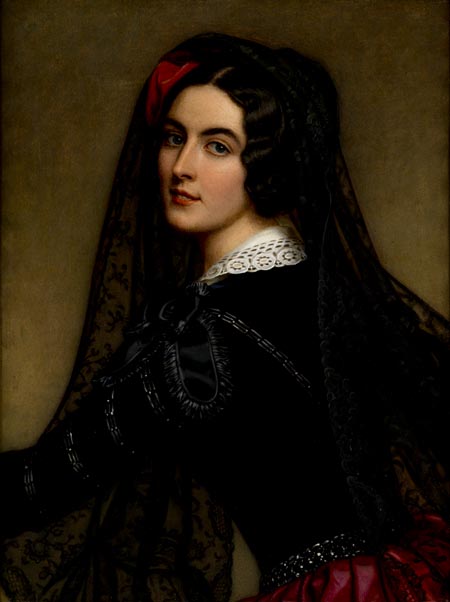
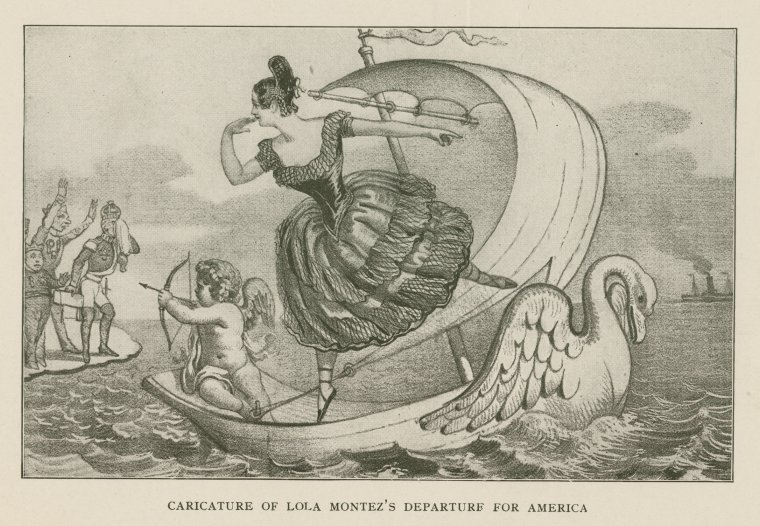
La bailarina “española” Lola Montez (1821-1861), neé Eliza Gilbert, embrujó por completo al rey Luis I de Baviera quien, al verla en un escenario de Munich, la tomó como amante y colmó de joyas y honores.

Más famosa por su belleza y temperamento que por su arte, Lola influyó de manera creciente sobre las decisiones políticas del soberano hasta que éste cayó en desgracia y se vio forzado a abdicar.

Lola huyó de Munich y, años más tarde, decidió mudarse a los Estados Unidos donde ofreció algunos shows y conferencias. Allí también publicó su autobiografía y un libro –“El Arte de la Belleza”con recetas y consejos.

Entre esas recetas encontramos este enjuague para embellecer y perfumar el cabello. Curiosamente, a pesar de su nombre, la miel no se cuenta entre los ingredientes.

Esencia de ambargris……………………1,75g

Esencia de almizcle………………………1,75g

Esencia de bergamota…………………..3,50g

Aceite de oliva…………………………….15 gotas

Agua de azahar……………………………120g

Espíritu de vino (alcohol etílico)……150g

Agua destilada…………………………….120g

Se mezclan todos los ingredientes. Se deja reposar el líquido obtenido unos 14 días, se filtra a través de un papel poroso y se embotella para poder usarse cuando sea necesario.

¡Les deseamos un buen fin de semana!

Caro y Virginia

Hemos encontrado dos versiones de esta receta: una que requiere el uso de aceite de oliva y otra que usa aceite de clavo de olor. Elegimos la primera por razones de seguridad.

foto: Beadinggem.com

foto: Beadinggem.com

Honey water – Recipe from a seductress

“Spanish” dancer Lola Montez (1821-1861) , neé Eliza Gilbert, bewitched King Ludwig I of Bavaria who, upon seeing her onstage in Munich, took her as a mistress and lavished her with jewels and honors.

More famed for her beauty and temper than for her art, Lola increasingly influenced the king’s political decisions until the ensuing scandal ended with the sovereign’s abdication.

Lola had to flee Munich and, in later years, decided to move to the United States where she gave some shows and lectures. There, she also published her autobiography and a book –The Arts of Beauty– with recipes and advice.

Among those recipes we found this wash, meant to beautify and scent the hair. Despite its name, honey is not among the ingredients.

Essence of ambergris……………………1 dram

Essence of musk…………………………..1 dram

Essence of bergamot…………………..2 dram

Olive oil…………………………………….15 drops

Orange flower water…………………….4 oz

Spirits of wine (ethyl alcohol)……….5 oz

Distilled water…………………………….4 0z

All the ingredients should be mixed together and left to rest for some 14 days. Then the whole must be filtered through porous paper and bottled for use.

We wish you a lovely weekend!

Caro & Virginia

We have found two versions of this recipe: one of them calls for the use of olive oil, the other uses clove oil. Due to safety concerns, we have chosen the first option.

imagen: En.wikipedia.org

imagen: En.wikipedia.org