Tag Archives: iris

Juliette Has a Gun Romantina – Deliciosa simpleza

foto: Teacosy.fr

Romantina, creado en 2011, llegó a las perfumerías locales este mes. Juliette Has a Gun es una línea que me merece mucho respeto, ya que sus creaciones son consistentes en estilo y olfativamente accesibles, desprovistas de complejidades innecesarias. La marca demuestra que se puede atraer a un público joven -a través de packaging e imagen- sin condescender a producir frutichoulis baratos.

La historia detrás de este perfume narra un romance efímero aunque apasionado en Roma. Romantina, aunque joven, no es pueril y resulta inteligente a pesar de su simpleza. Sus notas de flor de naranjo, vainilla y almizcle blanco -infaliblemente agradables- se funden suavemente con la piel de quien lo porta en vez de permanecer sobre la superficie. La fragancia se siente muy cremosa y limpia (la flor de naranjo y almizcle blanco añaden una jabonosidad deliciosa). El sutil osmanto presta su aroma frutado -reminiscente de damascos- y el jazmín realza la cremosidad de la mezcla.

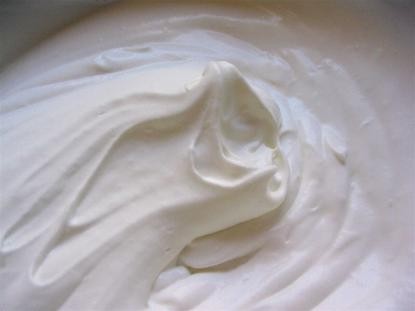
¿Probaron alguna vez crema batida, saborizada con unas gotas de agua de azahar? Sabe tan simple y sustanciosa como Romantina. El sabor de la flor de naranjo es apenas perceptible, pero su delicada cualidad floral hace que  la crema batida se torne más decadente, logrando algo mucho más grande que la suma de sus partes. Romantina finge ser inocente, pero es en realidad una seductora cabal.

Aquellos que estén deseosos de amplificar la presencia casi invisible de Not a Perfume pero que aún no se sientan listos para la complejidad retro de Citizen Queen, pueden encontrar la compañía indicada en Romantina.

Caro

Origen de la muestra: Kit de prensa

foto: gentileza de Diffupar

Juliette Has a Gun Romantina – Delicious simplicity

Romantina, created in 2011, hit  the local counters this month. Juliette Has a Gun is a line I have a lot of respect for because their creations are consistent in style  and olfactorily accesible, devoid of unnecesary complexities. The brand proves it is possible to attract a  young customer -via packaging and image- without condescending to producing cheap fruitchoulis.

The story behind this perfume tells an ephemeral but passionate love affair in Rome. Romantina, although young, is not puerile and seems smart despite its simplicity. Its notes of orange blossom, vanilla and white musk -infallible crowd pleasers- fuse softly with the wearer’s skin instead of just sitting on top. The fragrance feels very creamy and clean (the orange blossom and white musk add a delightful soapiness). Subtle osmanthus lends its fruity scent -reminiscent of apricots- and jasmine enhances the creaminess of the blend.

Have you ever tried whipped cream flavored with orange blossom water? It tastes as simple and rich as Romantina. The orange blossom flavor is barely perceptible but its delicate floralcy makes the whipped cream even more decadent, a lot greater than the sum of its parts. Romantina  pretends to be innocent but is an accomplished seductress. 

Those who would like to go up a notch from the barely-there presence of Not a Perfume but are not yet ready for the retro complexity of Citizen Queen,  might find the right companion in Romantina.

Caro

Origin of sample: Press kit

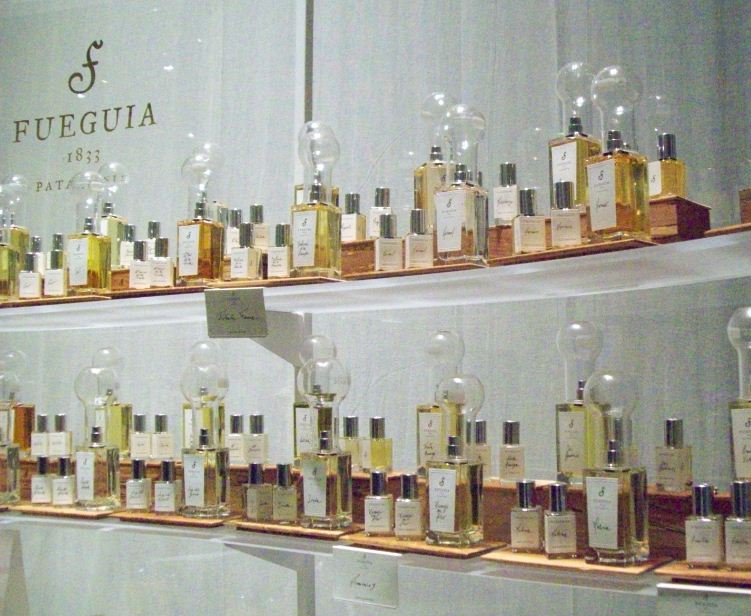
Los aromas de Patagonia en Florencia – Fueguia 1833 en Pitti Fragranze

foto: Caro Fernandez

Tal como conté en mis primeras impresiones sobre Pitti Fragranze, me dio enorme gusto ver a nuestro país presente en la feria, notar que el stand de Fueguia 1833 fue uno de los más concurridos y saber que la marca fue nombrada por la organización como una de 10 marcas de excelencia .

Pocos días después del evento, pude hacerle unas preguntas a Julián Bedel, fundador de la casa.

– Me consta que Fueguia despertó gran interés entre los asistentes a Pitti Fragranze ¿A qué cualidades lo atribuís?

A dos cosas que se dan sinérgicamente:

1- Somos la única marca surgida en las últimas décadas que formula, elabora, envasa y vende sus productos de forma vertical. Esto era la norma a principios del siglo XX, pero en la actual era de la tercerización, se perdió completamente. Ahora, ni el dueño de la marca ni el perfumista terminan sabiendo qué es lo que utiliza el laboratorio elaborador y ninguno de los tres sabe bajo qué condiciones se envasó y preservó el producto. 

2- La otra es el fuerte uso de materias primas naturales, que otras marcas no se permiten usar, pero que el consumidor cada vez busca más.

-¿Qué perfumes o familia de perfumes encontraron más eco entre los visitantes a la feria?

¡Todas! Y es lo que me sigue dando ganas de seguir expandiendo las familias. La gente está abierta y se deja fascinar.

-Ahora que tienen distribuidor en Italia (Campomarzio) ¿Cuáles son los siguientes pasos en la expansión?

Muy tranquilos, queremos que el distribuidor en Italia pueda trabajar codo a codo con nosotros, que los consumidores estén bien atendidos y puedan viajar por nuestras historias. Tenemos una propuesta para abrir un local propio en París que también nos tienta y considero que se puede dar en sinergía con Italia, pero paso a paso.

Nuestro principal desafío es poder seguir fabricando en la Argentina que eso, desagraciadamente, es más difícil que una expansión internacional!

-¿Qué busca el público local (argentino) en Fueguia?

Todos los clientes buscan lo mismo, magia y calidad. Un balance entre lograr la fascinación y seducción de un perfume con toda la durabilidad y poder de sillage.

-Hace poquísimo lanzaron Huemul (un almizcle animálico y dulzón, inspirado en un ciervo patagónico) ¿Cuál será la próxima creación?

Dos creaciones: Una es un trío entre mimosas y acacias (todas vienen de la misma especie) con iris. La otra es una en la que vengo trabajando hace mucho y cuyos resultados siguen sin convencerme: Vanilla planifolia. Desde fin de siglo XIX las grandes marcas francesas usan la vainillina y los otros derivados sintéticos de la familia, pero falta un soliflore puro, la versión natural, super carnal con su propio carácter de orquídea.

Caro

foto: Fueguia.com

The scents of Patagonia in Florence – Fueguia 1833 goes to Pitti Fragranze

As I told in my  first impressions about Pitti Fragranze, I felt glad to see our country present at the fair, observe that  Fueguia 1833 ‘s display was one of the most visited and know that the brand was recognized by the organization as one of  10 ten brands of excellence .

A few days after the event, I was able to ask Julián Bedel, founder of the house, a few questions.

-I know for a fact that Fueguia arose great interest among the concurrents to Pitti Fragranze. What characteristics do you atribute this to?

There are two factors that act sinergically:

1- We are the only brand -among those born in the last decades- that formulates, elaborates, bottles and sells their products vertically. That was the norm at the beginning of the XX century, but in these times of outsourcing, it is completely lost. Now, neither the company owner nor the nose ends up knowing what the laboratory actually uses and none of them knows exactly under which conditions the product is bottled and stored. 

2- The other one is a strong use of natural raw materials that other brands do not allow themselves to work with, but that the consumer is demanding more and more.

-What fragrance (or fragrance family) was the most celebrated among the visitors to the fair?

All of them! And that is what makes me more excited to continue the expansion of the families. People are open to new things and they allow themselves to become fascinated.

-Now that you have a distributor in Italy (Campomarzio). Which are the next steps for expansion?

Very calm, we want our  Italian distributor to be able to work closely with us; we want our customers to find excellent service and also to find that they can travel through our stories. There’s also the prospective opening of a store in  Paris, which is also very tempting and I consider it can happen sinergically with  Italy, but we are going step by step.

Our main challenge is to be able to continue to elaborate our products in Argentina which is, unfortunately,  more difficult than an international expansion!

-What does the local (Argentinian) customer look for in Fueguia?

All of our customers are looking for the same: magic and quality. A balance between the fascination and seduction inherent to a perfume with the added value of excellent longevity and sillage.

-You launched Huemul (a sweetish and animalic musk, inspired by a Patagonian deer) shortly ago. What will the next creation be?

We have two creations in the works: one is a trio of mimosa and acacia (which are related between them) with iris. As for the other one, I have been working on it for a long time and I am still not satisfied with the results: Vanilla planifolia. Since the end of the XIX century, big French houses have been using vanillin and other synthetical derivatives, but I feel what’s missing is a pure soliflore, the natural version, very carnal, with its own orchid character.

Caro

Juliette Has a Gun Calamity J.- Sutil androginia

imagen: Movieart.net

Calamity J. de Juliette Has a Gun  toma su nombre de Calamity Jane  (1852-1903), legendaria exploradora y aventurera del Oeste. La conducta de Calamity Jane  era claramente diferente a la de la mayoría de las mujeres de su tiempo: maldecía, bebía y vestía ropas de hombre. Era famosa también por su cabalgar temerario y sus proezas de tiro. 

Presentada como ”una fragancia masculina dedicada exclusivamente a las mujeres”,  Calamity J. desafía las distinciones de género de la misma manera en que Calamity Jane las desafió en su época. A la distancia no sabríamos distinguir si estamos olisqueando a Calamity Jane o a Calamity John.

El eau de parfum abre de forma clásicamente masculina con una nota de patchouli  maravillosamente natural, como aceite esencial añejado, ligeramente sucio mas no estridente.  El patchouli pronto se ve acompañado por una bella nota de iris, que presta elegancia a la mezcla. Existe una delicada tensión entre ellos, pero ninguno opaca al otro.

La mezcla se torna luego más cálida y se endulza ligeramente con ámbar y vainilla. El fondo es almizclado, no demasiado distinto al de Citizen Queen y Miss Charming.

Calamity J. conserva su suavidad -el lado femenino- durante toda la evolución, convirtiéndose así en una buena elección para quienes prefieren sus fragancias discretas pero no genéricas. Posee una cualidad andrógina que no es insulsa sino provocativa (piensen en David Bowie o Annie Lennox).

Los adoradores de  Dior Homme probablemente disfruten de Calamity J., que ostenta una nota similar de iris pero ve su carácter masculino reforzado por la adición de patchouli y por la ausencia del acorde de lápiz labial presente en el Dior. Calamity J. es también menos complejo y, de alguna manera, más fácil de llevar.

Caro

Origen de la muestra: Kit de prensa

foto: Perfumeriasrouge.com

Juliette has a Gun Calamity J. – Subtle androgyny

Juliette Has a Gun Calamity J.  borrows its name from the legendary western scout and adventuress Calamity Jane (1852-1903). Her behavior was clearly different from that of most women in her time: she swore, drank and wore men’s clothing. She was also famous for her fearless riding and shooting prowess.

Introduced as “a masculine fragrance exclusively dedicated to women” Calamity J. bends gender distinctions in the same way Calamity Jane bent them in her time. From a distance, we wouldn’t know for sure if it is Calamity Jane or Calamity John we are sniffing.

The eau de parfum opens in a classically masculine way with a patchouli note that smells wonderfully natural, like aged essential oil, dirty but not loud. The patchouli is soon paired with a beautiful iris, which lends elegance to the mix. There is a delicate tension between them and none overshadows the other.

The blend then gets warmer and is slightly sweetened by amber and vanilla. The drydown is musky, not unlike that of Citizen Queen and Miss Charming.

Calamity J. retains its softness -its feminine side- all through its evolution, making it a good option for those who prefer their fragrances discreet but far from cookie-cutter type. It has an androgynous quality that is not bland but provocative (think David Bowie or Annie Lennox).

Lovers of Dior Homme might enjoy Calamity J., which boasts a similar iris note but has its masculine character reinforced by the addition of patchouli and by the absence of the waxy lipstick accord. Calamity J. is also less complex and, somehow, easier to wear.

Caro

Origin of sample: Press kit

Editions de Parfums Iris Poudre – Un floral aldehídico neoclásico

foto: Black.co.uk

El notable Pierre Bourdon creó Iris Poudre para Editions de Parfums, una marca tan reconocida por la excelente calidad de sus fragancias como por darles merecido protagonismo a los narices que las componen.

Interpretación moderna de una estructura clásica, Iris Poudre abre con un suave y cremoso estallido aldehídico. Se adivina aquí un guiño a los mejores clásicos de Chanel, una similaridad que se ve reforzada por la cualidad lujosa del líquido. 

El iris que se presenta a continuación no es impresionista como Iris Ukiyo-e o terroso como Hiris; tampoco narra una historia compleja como Sienne l’Hiver. En cambio, redondea la belleza y elegancia de la flor con la discreta sensualidad de las maderas (en este caso sándalo y ébano) y el almizcle.

Iris Poudre envuelve como una manta de  cashmere que se torna más suave, cálida y reconfortante con el correr de las horas. Esta manta imaginaria es de tonalidad malva pálido, rosa viejo o gris perla. A medida que el tiempo pasa la fragancia se endulza ligeramente gracias a una vainilla no gourmand, pero nunca se torna tan polvorosa como el “poudre” de su nombre podría sugerir. Su longevidad y proyección son intachables. 

Me resulta tan pleno y satisfactorio que en seguida le di un lugar en mi propio Olimpo de los iris e incluso lo elegí para el día de mi boda.

Caro

Nota Bene: Ferré Eau de Parfum (2005) fue también compuesto por Bourdon y muestra muchas similitudes con Iris Poudre. Es también más económico y fácil de conseguir, aunque lamentablemente no tan rico y profundo.

Origen de la muestra: Regalo de una amiga

foto: Editionsdeparfums.com

Editions de Parfums Iris Poudre – Neoclassic aldehydic floral

Ilustrious nose Pierre Bourdon created Iris Poudre for Editions de Parfums, a brand as renowned for the excellent quality of their fragrances as for giving well deserved protagonism to the perfumers behind them.

A modern interpretation of a classical structure, Iris Poudre opens with a soft creamy aldehydic burst. I guess here a nod to the best Chanel classics, the similarity reinforced by the plushness of the juice. 

This iris that follows is not impressionistic like Iris Ukiyo-e, or earthy like Hiris nor tells a complex story like Sienne l’Hiver, but instead rounds up the beauty and elegance of the flower with the discreet sensuality of woods (sandalwood and ebony) and musk.

Iris Poudre wraps the wearer like a cashmere blanket that gets softer, warmer and more comforting as time progresses. This imaginary blanket is tinted in the palest mauve, rose fané or pearl grey. The fragrance gets slightly sweeter as it develops (courtesy of a non-foody vanilla) though never as powdery as its name might suggest. Longevity and projection are faultless.

I find it so full and satisfying that it soon earned a place in my own iris-Olympus. I even wore it to my own wedding.

Caro

Nota Bene: Ferré Eau de Parfum (2005) was also composed by Bourdon and bears many similarities with Iris Poudre. It is also more easily available and affordable but, alas, not as rich and rounded.

Origin of sample: Gift from a friend

Oscar de la Renta Esprit d’Oscar – Nueva Belle Époque

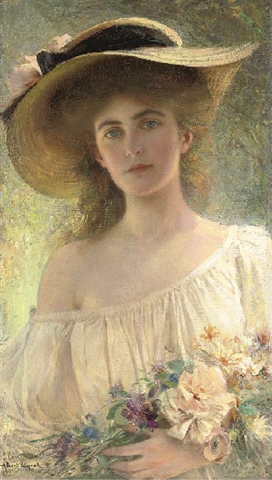
imagen: En.wikipedia.org    artista: Albert Lynch “Soleil Eternel”

Es un poco inusual en mí reseñar una fragancia de distribución masiva. Esto no sucede por esnobismo, sino porque la mayoría de los perfumes comerciales hoy día me resultan vulgares y faltos de inspiración. Algunas casas intentan aferrarse a glorias pasadas a la vez que contradictoriamente infantilizan sus nuevas creaciones. Añoro los tiempos en que los perfumes hacían oler a las mujeres como mujeres y no como caramelos.

Esprit d’Oscar (2011) es una interpretación más fresca de Oscar (1977), la fragancia insignia de De La Renta, y fue compuesto por Frank Völkl y Ann Gottlieb, de Firmenich. Olí el perfume por primera vez en una amiga joven, una modelo. Su sillage era envolvente y sofisticado, tan diferente de lo que suele llevar la mayoría de las chicas de su edad que me tomó por sorpresa.

Esprit d’Oscar me recuerda más a L’Heure Bleue que a Oscar. Octavian Coifan menciona las similaridades entre el Oscar original y Coty L’Origan (1905), así que el hecho de que la nueva creación me remita a Shem el Nessim y L’Heure Bleue tiene algo de sentido (fueron creados entre 1906-1912 y reflejan el zeitgeist de la Belle Époque).

Adoro L’Heure Bleue y apenas puedo mencionarlo sin crisparme al pensar en el líquido reformulado. Esprit d’Oscar parece una versión moderna de L’Heure Bleue, más alegre y luminosa  y que no requiere de un humor particularmente melancólico para disfrutarse. Si L’Heure Bleue es el crepúsculo, Esprit perfectamente podría ser el amanecer. Puede despertar nostalgia, pero no es melancólico. 

El limón da a la salida un carácter fresco y brillante y una cierta acidez que se disipa luego de un rato. Un rico corazón floral (jazmín, flor de naranjo, violeta, tuberosa) domina la mezcla. Encuentro acentuado el parecido con L’Heure Bleue por una ligera cualidad medicinal y, especialmente, por lo polvoroso del iris y  heliotropo. La base, cálida y dulce con  haba tonka y vanilla, deviene en un velo suave y cremoso que persiste por horas.

Caro

Origen de la muestra: Botella comprada en Perfumerías Normy, Buenos Aires

foto: Oscardelarenta.com

Oscar de la Renta Esprit d’Oscar – New Belle Époque 

It is a bit unusual for me to review a mainstream release. This happens not out of snobbery but because most commercial fragrances seem uninspired and vulgar to me. Some houses try to cling to their former glory while, at the same time, they contradictorily infantilise their new creations. I yearn for the days when perfumes made women smell like women and not like candy.

Esprit d’Oscar (2011) is a fresher interpretation of De La Renta‘s signature fragrance, Oscar (1977) and was composed by Frank Völkl and Ann Gottlieb, from Firmenich. I smelled this perfume for the first time on a young friend, a model. Her sillage was enveloping and sophisticated, so different from what most girls her age wear that it took me by surprise.

Esprit d’Oscar reminds me more of L’Heure Bleue than of Oscar. Octavian Coifan mentions the similarities between  the original Oscar fragrance and Coty L’Origan (1905), so the fact that I find the new creation reminiscent of both Shem el Nessim and L’Heure Bleue makes sense (they were created between 1906-1912 and reflect the zeitgeist of the Belle Époque).

I adore L’Heure Bleue and I can barely mention it without cringing at the thought of the reformulated juice. Esprit d’Oscar seems like a joyous, brighter, modern interpretation of L’Heure Bleue that doesn’t require a particularly melancholy mood to be enjoyed. If L’Heure Bleue is twilight, Esprit could perfectly be dawn. It might arise nostalgia but it is not melancholic.

Lemon gives the opening a fresh, bright character and a certain sourness that fades after a while. A rich floral heart (jasmine, orange flower, violet, tuberose) dominates the blend. I find the resemblance to L’Heure Bleue acentuated by a slight medicinal quality and, especially, by the powderiness lent by the iris and heliotrope. The base, warm  and sweet with  tonka bean and vanilla, later evolves into a soft creamy veil that lasts for hours.

Caro

Origin of sample: Bottle bought at Perfumerías Normy, Buenos Aires