Category Archives: Notas & Acordes fragrance blog

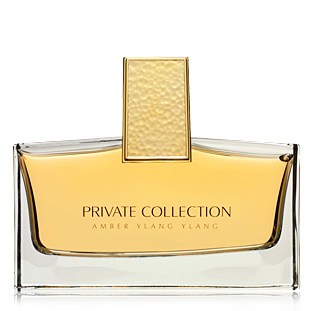
Estee Lauder Private Collection Amber Ylang Ylang – Belleza convencional

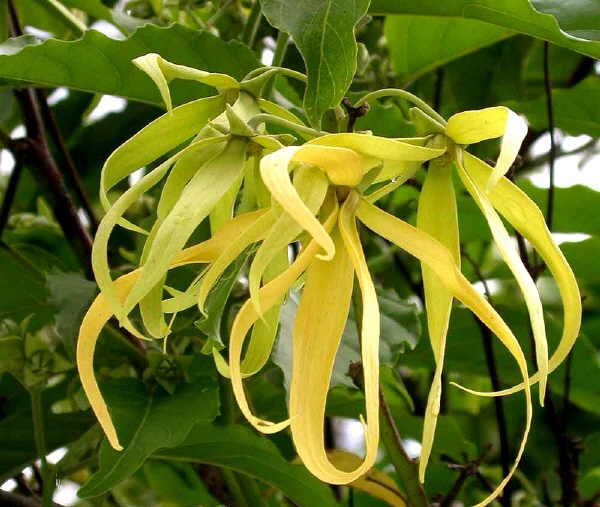
foto: Madagascar-services.biz

El enamoramiento fue inmediato apenas lo probé en la tienda  Estee Lauder.  Me resultó dulzón, reconfortante como una manta de cachemir y no desprovisto de una cierta luminosidad. 

Amber Ylang Ylang abre con ylang-ylang (era de esperarse) y una notoria rosa búlgara,que es realzada aún más por una nota de geranio. Luego se convierte en un fondo algo compacto de sándalo-vainilla-ámbar que me recordó a Dior Addict, aunque mucho más delicado.

Su encanto, sin embargo, me resulta convencional y -de la misma manera en que la belleza de un rostro perfectamente simétrico puede aburrir después de un rato- me dejó con ganas de algo más. No pasó demasiado tiempo antes de que me arrojara en los brazos de Annick Goutal Myrrhe Ardente y Ambre Fetiche e incluso de Hermes Elixir des Merveilles,  fragrancias que encuentro menos bonitas pero igualmente reconfortantes y un poco más interesantes. A veces, una se enamora y desenamora con la misma rapidez.

He optado por usar mi botella de Amber-Ylang Ylang a modo de (costoso) spray para ambientes y blanquería y -aunque suene sacrílego- lo prefiero así: me gusta  sentirme  rodeada por su delicioso aroma.  La casa ahora huele cien veces más bella.

Caro

Origen de la muestra: botella  comprada en un stand Estee Lauder en Buenos Aires

foto: Esteelauder.com

Estee Lauder Private Collection Amber Ylang Ylang – Conventional beauty

I fell in love with this at once upon trying it at the Estee Lauder counter. I found it sweetish, comforting like a cashmere blanket and not devoid of a certain luminosity.

Amber Ylang Ylang opens with ylang-ylang (as it was, somehow, expected) and a noticeable Bulgarian rose note, brightened by geranium. Then it morphs into a somewhat compact sandalwood-vanilla-amber drydown that reminded me of Dior Addict, although much more delicate.

Its charm, nevertheless, is conventional and -much in the same way  the beauty of a perfectly symmetrical  face might become boring after some time- it left me wanting something else.  It wasn’t long before I was throwing myself in the arms of Annick Goutal Myrrhe Ardente and Ambre Fetiche and even Hermes Elixir des Merveilles, fragrances I find less pretty but equally comforting and a bit more interesting. Sometimes one fells in and out of love equally soon.

I have resorted to using my Amber-Ylang Ylang bottle as (expensive) room and linen spray and -sacrilegious as it may sound- I like it best that way: it is a lovely scent to surround myself with. My house now smells a hundred times more beautiful.

Caro

Origin of sample:  bottle bought at an Estee Lauder counter in Buenos Aires

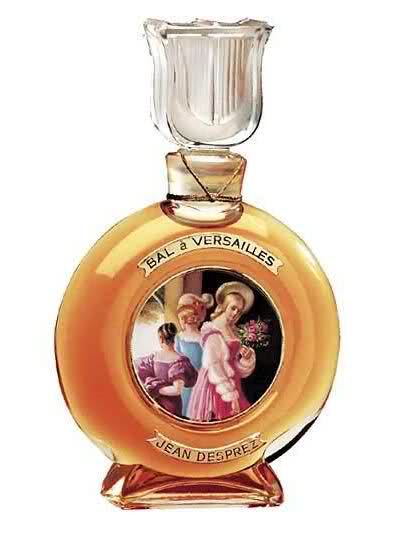
Jean Desprez Bal a Versailles – Una fiera dorada

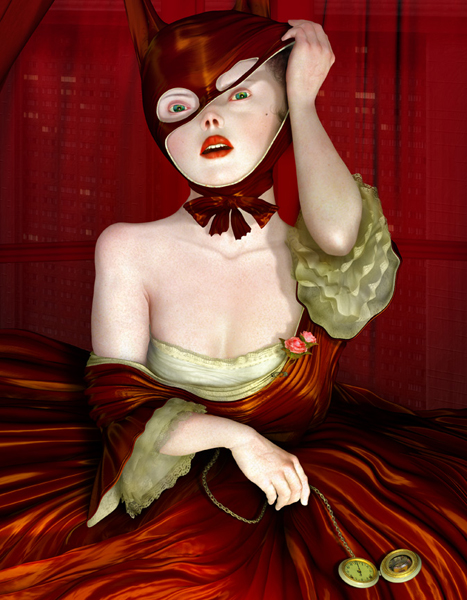
imagen: Jonathanlevinegallery.com      artista: Ray Caesar     “Day Break” (detalle)

Bal a Versailles fue creado por la casa Jean Desprez en 1962. Durante una de mis expediciones, encontré una botella de eau de cologne vintage, que luego decanté en un frasquito con vaporizador.  Como sucede con muchas fragancias de cierta antigüedad, esta eau de cologne tiene una intensidad similar a la de cualquier eau de parfum actual. Bal a Versailles es una belleza decadente y excesiva que probablemente no deleite a las masas en esta era de “frutichoulis” y aromas símil detergente. 

No bien lo rocié sobre la piel percibí un olor muy punzante, indólico y animal que me recordó a una jaula sucia. Empecé a cuestionarme si lacompra había sido acertada pero mi paciencia pronto encontró su recompensa y, apenas se atenuó el “acorde de jaula”, una densa flor de naranjo, un jazmín oscuro e indólico,  miel almizcle tomaron protagonismo. El aroma se fundió conmigo dejando un glorioso halo dorado, reconfortante y sexy a la vez. El neroli almizcle florecieron maravillosamente al calor de la piel. El sándalo y vainilla endulzaron la mezcla, pero fueron la miel y civeta quienes prestaron el toque animal ligeramente perturbador que tornó las cosas verdaderamente interesantes.

Su nombre es más que adecuado: cada vez que lo rocío, conjura empolvadas damas con pelucas igualmente empolvadas y mejillas cargadas de carmín, jugueteando con sus amantes tras pesadas cortinas de brocado. Los perfumes me gustan traviesos y un poco sucios. Este es digno de mi adoración. Óiganme rugir.

Bal a Versailles podría fácilmente ser llevada por un hombre y, de hecho, era uno de los favoritos de Michael Jackson. Se contaba también dentro de los preferidos de Elizabeth Taylor y Jackie Onassis.

Caro

Origen de la muestra: Botella comprada en Perfumería Togat’s

foto: Balaversailles.com

 Jean Desprez Bal a Versailles – A golden wild beast

Bal a Versailles was created by the house of Jean Desprez in 1962. During one of my expeditions, I found a bottle of vintage eau de cologne, which I later decanted into a little spray bottle.  As it happens with many older fragrances, this eau de cologne has a strength similar to that of any current eau de parfum.

Bal a Versailles is a decadent, over the top beauty that will probably not appeal to the masses in this era of fruitchoulis and detergent smell-alikes. 

Upon first spray, it smells very pungent, indolic and animalic: it reminded me of a dirty cage and made me wonder if my purchase had been wise. But good things come to those who wait and, as soon as the ”cage accord” calmed down, rich orange flower,a dark and indolic jasminehoney and musk took stage. The scent melted into my skin and I was left with a gorgeous golden halo, comforting yet sexy at the same time. The orange blossom and musk bloomed wonderfully with the warmth of the skin. Sandalwood and vanilla  sweetened the mix, but it was honey and civet that lent the slightly disturbing animal touch that made matters truly interesting.

Its name is more than fitting: every time I spray it on, it conjures powdered ladies with equally powdered wigs and heavily rouged cheeks, frolicking with their lovers behind heavy brocade curtains. I like my scents naughty and a bit dirty. This one is worthy of my adoration. Hear me roar.

Bal a Versailles could easily be worn by a man too and, in fact, it is reported to have been worn by the late Michael Jackson. It was also a favorite of Elizabeth Taylor and Jackie Onassis.

Caro

Origin of sample: Bottle purchased at Perfumería Togat’s

Eau d’Italie Un Bateau pour Capri – Una entrevista

foto: Ilsecoloxix.it

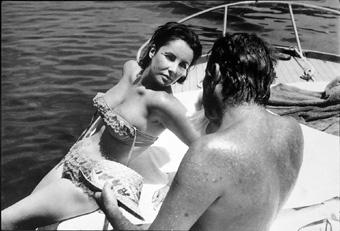
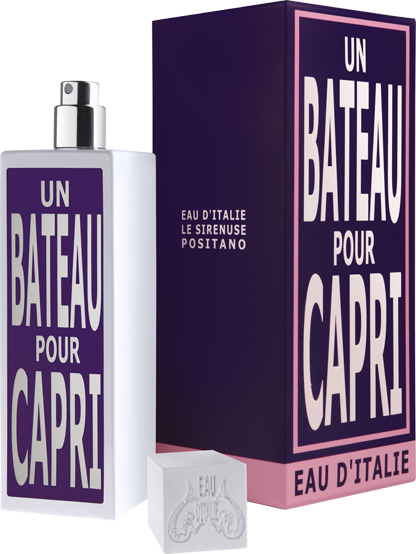
La inspiración para Un Bateau pour Capri les llegó a  Marina Sersale y Sebastián Álvarez Murena – creadores de la línea Eau d’Italie  mientras revisaban viejas fotos de glamorosos huéspedes enel hotel Le Sirenuse.

Algunas de estas criaturas tan chic eran famosas (Liz Taylor y Grace Kelly solían visitar Le Sirenuse), algunas no; pero todas ellas disfrutaban plenamente de la dolce vita en esta ubicación paradisíaca, sin perder ni una pizca de glamour.

La fragancia ostenta notas de peonía, fresia, durazno, jazmín sambac, rosa centifolia, heliotropo, maderas solares, cedro y almizcle.

Conversamos con el Sr. Álvarez Murena acerca de la creación más reciente de Eau d’Italie.

El hotel Le Sirenuse encarna a nuestro entender el verdadero lujo moderno (exclusividad, calidad impecable desprovista de ostentación, ambiente relajado) ¿De qué manera se ven reflejados esos aspectos en Un Bateau Pour Capri?

Gracias. No quisiera robarles las palabras, pero esa descripción del lujo del hotel coincide precisamente con lo que buscamos para Eau d’Italie en todos sus perfumes. La idea es justamente la de ofrecer una calidad impecable desprovista de ostentación, palabra por palabra, con una exclusividad que surge de una distribución muy esmerada. Sus palabras describen precisamente lo que de hecho es nuestra manera de trabajar.

De qué manera difiere Un Bateau Pour Capri de otros perfumes que evocan el glamour de la década de los años 1950s y que en su mayoría destacan notas de cosméticos (polvos, lápiz labial, aroma a violetas)? 

 Si tengo que ser franco, no sabría bien qué contestar, porque la verdad es que cuando empezamos un proyecto nunca lo hacemos comparándolo a lo que ya hay en el mercado. Me explico mejor: nuestro perfume anterior, Jardin du Poète, pertenece a una categoría en la cual ya hay muchos perfumes muy bien hechos, muy agradables y bien construidos, pero que por sus características (notas muy volátiles), tienden a durar poco sobre la piel. Por lo cual si hubo comparación, fue en relación a que lo que buscábamos era un cítrico/verde perfecto, efervescente, luminoso, pero con duración. En el caso de Un Bateau pour Capri lo que buscábamos era evocar las características de un período, pero en clave contemporánea. O sea, evocar, más que replicar.

La construcción de los perfumes de Eau d’Italie es eminentemente moderna ¿Cómo logran compatibilizar esa característica con un glamour retro?

Eso es lo que quería explicar en la pregunta anterior: en nuestra opinión la clave es evocar, más que replicar.

 Hace meses, cuando el nuevo perfume era sólo un proyecto, nos contaste que incluiría una particular nota de peonía ¿Alguna razón especial por la que hayan elegido esa flor?

Espero que esta contestación no los desilusione pero…el motivo es que la peonia nos gusta mucho… Lo que nos intrigaba de las peonías (las que tienen perfume, quiero decir) es esa capacidad de emanar un perfume exquisito de manera constante pero discreta.

 La gran mayoría de vuestros perfumes fueron compuestos por (el genio del incienso) Bertrand Duchaufour, excepto Au Lac (orquestado por el maestro de la pulcritud Alberto Morillas). El talento y nariz detrás de Un Bateau pour Capri es Jacques Cavallier, quien tiene un historial pródigo en perfumes de carácter más carnal  ¿Por qué pensaron que él sería el indicado para esta creación?

Creo que la verdad es que fue un encuentro perfecto entre el perfumista y el proyecto: desde la primeras pruebas Cavallier estaba en el buen camino, sin duda.

Los perfumes de la línea Eau d’Italie no se ajustan demasiado a restricciones de género, pero Un Bateau pour Capri –a priori- parecería ser eminentemente femenino ¿Lo es? ¿Existe algún motivo para esta elección?

Sí, eso es verdad: en general hemos tratado de evitar algo que no nos convence del todo, lo de predeterminar el género de los perfumes. Sobre todo porque a veces el hacerlo nos dió sorpresas: Bois d’Ombrie, que son cueros y maderas, en nuestra opinión iba a ser un perfume más bien masculino, pero rápidamente se convirtió en un best seller entre las mujeres. Pero en el caso de Un Bateau pour Capri creo que no hay dudas: es un femenino, super femenino. Después podemos debatir ad eternam qué es femenino y qué es masculino, nosotros seríamos los primeros en ponerlo en cuestión, pero creo que en este caso no caben demasiadas dudas. ¡Lo cual no implica que no sea exquisito usado por hombres! Pero sin duda menos habitual.

¿Por qué la elección de concentración eau de parfum?

La explicación es simple: generalmente cuando terminamos un perfume lo probamos también en concentraciones diferentes a la que usamos durante la creación, más bajas y más altas, para ver cual es más adecuada para ese perfume. En base al resultado de estas pruebas decidimos la concentración final, que en este caso resultó ser una concentración alta, de eau de parfum.

Aunque Eau d’Italie aún no está presente en el mercado local (Argentina), sabemos que tiene sus fieles seguidores ¿Qué características creés que el público argentino apreciará particularmente en Un Bateau Pour Capri?

Tal vez  pueda parecer raro lo que les digo, sobre todo en el ámbito de una entrevista, pero mi opinión personal es que más allá de todo lo que podamos decir y explicar acerca de un perfume, la opinión final es la que se obtiene probándolo. En el caso de Un Bateau pour Capri, creo que lo que el público argentino puede apreciar es un impecable clásico femenino que no cansa nunca.

Caro
foto: Eauditalie.com

Eau d’Italie Un Bateau pour Capri – An interview

The inspiration for Un Bateau pour Capri came to Marina Sersale and Sebastián Álvarez Murena –creators of the Eau d’Italie line- as they were rummaging through old photos of glamorous guests at Le Sirenuse.

Some of these über chic individuals were famous (both Liz Taylor and Grace Kelly used to visit Le Sirenuse), some were not, but all of them enjoyed la dolce vita to the fullest in this paradisiacal setting without losing an ounce of glamour.

The fragrance boasts notes of peony, freesia, peach, sambac jasmine, rosa centifolia, heliotrope, solar wood, cedarwood and musk

We talked to Mr. Álvarez Murena about Eau d’Italie‘s latest creation.

The Hotel Le Sirenuse embodies true modern luxury (exclusivity, flawless quality devoid of ostentation, relaxed environment). How are those aspects reflected in Un Bateau Pour Capri?

 Thank you. I wouldn’t like to steal your words, but your description of the hotel’s luxury coincides precisely with what we try to achieve in each Eau d’Italie fragrance. The idea is to offer flawless quality devoid of ostentation, word by word, with an exclusivity that arises from a very careful distribution. Your words describe precisely what in fact is our way of working.

How does Un Bateau Pour Capri differ from other fragrances that evoke the glamour of the 1950s and which, in most cases, have dominant notes of cosmetics (face powder, lipstick, violets)?

If I must be honest, I wouldn’t really know what to answer, because when we start a project we never do it comparing it to what already exists on the market. To put it more clearly: our previous fragrance, Jardin du Poète, belongs to a category  of very  good, pleasant and well executed fragrances, but  which due to their characteristics (very volatile notes), tend to have poor longevity on the skin. Therefore, if there ever was a comparison it was in relation to what we were looking for:  a perfect green/citrus with efervescence and luminosity, but with lasting power. In the case of Un Bateau pour Capri we were looking to evoke the characteristics of a certain period but on a contemporary note. We were more interested in evoking than replicating.

 The construction of Eau d’Italie‘s fragrances is eminently modern. How did you manage to make that trait compatible with retro glamour?

There, that’s what I was trying to explain in the previous question: in our opinion the key is to evoke rather than replicate.

Months ago,when the new fragrance was still a project, you told me it would include a particular peony note. Is there any special reason why you chose that flower?

I hope the answer doesn’t disappoint you but…the reason is that we like peony very much. What keeps us intrigued about peonies (the fragrant ones, I mean)  is their ability to emanate their exquisite aroma in a constant yet discreet way.

Most Eau d’Italie fragrances have been composed by (incense genius) Bertrand Duchaufour, except Au Lac (orchestrated by master of pulchritude Alberto Morillas). The talent and nose behind Un Bateau pour Capri is Jacques Cavallier, who has a prolific background in fragrances of a more carnal character. Why did you think he would be the best choice for this creation?

I think it was a perfect match between the nose and the project: since the first trials Cavallier was on the right path, without a doubt.

Eau d’Italie fragrances are not too bound by gender restriction, but Un Bateau pour Capri –a priori– seems to be eminently feminine in character. Is it? Is there any conscious decision behind this? 

What you say is true, in general we have tried to avoid something we are unconvinced about: predeterminating the gender of our fragrance. Especially because on a few occasions when we did it proved surprising: Bois d’Ombrie, which boasts leather and wood notes, was going to be a mainly masculine fragrance in our opinion, but soon proved to be a best seller among women.  However in the case of Un Bateau pour Capri I think it is no doubt feminine. We could in fact go on about what is feminine and what is masculine, we would be the first to question this, but I think in this case there is no room for doubt.  Which doesn’t mean that it wouldn’t be exquisite on a man! Yet less customary.

Why did you choose an eau de parfum formula ?

The explanation is simple: usually when we finish a fragrance we try it in varying concentrations  – more or less –  to see which is best suited for this fragrance.  Based on the results of these tests we then decide the final concentration, which in this case was a high concentration of eau de parfum.

Although Eau d’Italie does not have a presence yet in the local market (Argentina), we know it has a loyal cult following. What traits do you think your Argentinian customers will particularly appreciate in Un Bateau Pour Capri?

This may sound strange to you particularly within the context of an interview, but my personal opinion is that beyond everything we can say and explain about a fragrance, the opinion that matters the most will be what comes to you when you try it. In the case of Un Bateau pour Capri, I think what the Argentinian public may appreciate the most is an impeccable feminine classic that one can never get tired of.

Caro

Carthusia – Una grata sorpresa

imagen: Carthusia.it

Cuenta la leyenda que en 1380 el padre prior del monasterio de la Cartuja de San Giacomo, sorprendido por la inesperada llegada a Capri de la soberana Giovanna d’Angiò recogió las flores más bellas de la isla; esas flores permanecieron durante tres días en la misma agua y, cuando fue a tirarlas, el prior notó que el agua había adquirido una fragancia desconocida para él. Sorprendido, acudió al padre experto en alquimia, quien identificó el aroma como proveniente del clavel silvestre de Capri. Esa agua se convirtió en el primer perfume de Capri. En 1948 el prior del monasterio descubrió las antiguas fórmulas y, con permiso del Papa, se las reveló a un químico de Turín quien creó el laboratorio más pequeño del mundo y lo llamó Carthusia.

La tradición hoy continúa y en la producción limitada se utilizan los mismos métodos que empleaban los monjes de la Cartuja. Varios de los perfumes originales han sido reconstruidos con ayuda de la nariz Laura Tonatto.

Debo confesar que tiendo a desconfiar de las presentaciones intrincadas: los perfumes que se encuentran rodeados por el mito no son necesariamente mejores que sus pares que ostentan menos pedigree y las leyendas no son más o menos hermosas por el hecho de ser verídicas. Esto dicho, la casualidad me hizo pasar por la puerta de la boutique de Carthusia en Positano y la tentación fue demasiado fuerte como para resistirla. No podía doler.

Sabe Dios que no me dolió: la boutique era pequeña y encantadora; sus estantes cubiertos con eaux de toilette, fragancias ambientales y bálsamos para labios. Ya que me encontraba allí, decidí probar los aromas aunque no sabía bien qué estaba buscando. Nota a mí misma: evitar los prejuicios aunque sólo sea en lo referente a perfumes.

Monica, la vendedora, me ayudó pacientemente a probar las fragancias. Encontré la calidad sorprendentemente buena y todos los perfumes, fáciles de llevar:

Mediterraneo era vibrante y alegre con notas de hoja de limón, verbena y té verde. Evocaba la visión de los rayos del sol pasando entre las hojas oscuras de un bosquecito de cítricos. Olía soleado, fresco y limpio y su longevidad me resultó más que decente para una fragancia cítrica. Corallium poseía una sensualidad contenida y era suavemente atrayente. Al instante conjuró imágenes de piel dorada por el sol, casi dulce y salada a un tiempo. Bergamota, laurel, cedro, sándalo, ámbar y almizcle le brindan una sutil tibieza. Io Capri, con notas de higo, menta y hojas de té; Fiori di Capri, un refinado floral blanco; Ligea, una dulce y atalcada mélange de mandarina y opopanax; Aria di Capri, que suma a los cítricos las aterciopeladas notas de la mimosa y el durazno…cada uno de ellos fue una grata sorpresa.

Probé todos ellos en blotters y, los que más me gustaron, sobre la piel. Tomé el resto del día para darles tiempo a evolucionar y para oler mis muñecas a intervalos regulares.

Al día siguiente me encaminé resuelta a la tiendita de Carthusia y compré un frasco del perfume que había atrapado mi corazón. La suave Filomena envolvió mi pequeño tesoro de manera tan primorosa que, al desenvolverlo horas más tarde, sentí que estaba cometiendo un pecado capital.

Caro

foto: Caro Fernandez

Carthusia – A pleasant surprise

The legend goes that in 1380 the father prior of the Carthusian Monastery of St. Giacomo, taken unaware by  the arrival on Capri of the Queen Giovanna D’ Angiò, made a flower arrangement with the most beautiful flowers of the island. The water was not changed for three days and, when the flowers were thrown away, the prior noticed that the water had acquired a fragrance unknown to him. He went to the father alchemist who traced the origin of this scent back to the wild carnation of Capri. That water became the first perfume of Capri. In 1948 the prior of the monastery discovered the old formulas and, with permission of the Pope, revealed them to a chemist of Torino, who created the smallest laboratory in the world and called it Carthusia.
The tradition is now being continued and the limited production means being able to use the same methods as the Carthusian monks. Many of the original scents have been reconstructed with the help of nose Laura Tonatto.

I must confess that I tend to be wary of intricate introductions: fragrances surrounded by myth are not necessarily better than their pedigree-less counterparts and legends aren’t more or less beautiful by the fact of being true.
That said, I happened to walk past the door of the Carthusia boutique in Positano and the temptation was too strong to be resisted. It couldn’t hurt.

God knows it didn’t hurt: the boutique was small and cute, its shelves covered with eaux de toilette, room fragrances and lip balms. Provided that I was there, I decided to sample the scents, even though I didn’t know what I was looking for.
Note to self: avoid prejudice, if only when it comes to perfume.

Monica, the saleslady, patiently helped me try their fragrances. I found the quality surprisingly good and all of the scents easy to wear:

Mediterraneo was bright and cheerful with notes of lemon leaves, verbena and green tea. It evoked sun rays going through the dark leaves of a citrus grove. It smelled sunny, fresh and clean and I found its lasting power more than decent for a citrus fragrance. Corallium possessed a restrained sensuality and was softly inviting. It instantly conjured visions of sunkissed skin, almost sweet and salty at the same time. Bergamot, bay, cedarwood, sandalwood, amber and musk lend a subtle warmth. Io Capri, with notes of fig, mint and tea leaves; Fiori di Capri, a refined white floral; Ligea, a sweet powdery blend of mandarin and opopanax; Aria di Capri, which added the velvety notes of mimosa and peach to citrus…each of them was a pleasant surprise.

I tried them all on blotting papers and, the ones I liked best, on my skin. I took the rest of the day to give them time to develop and to sniff my wrist at regular intervals.

The following day, I headed straight to the tiny Carthusia boutique and purchased a bottle of the perfume that had captured my heart. The soft-mannered Filomena wrapped my little gem it in such a darling way that unwrapping it a few hours later felt like a capital sin.

Caro

Annick Goutal Eau d’Hadrien – El sol del Mediterráneo embotellado

foto: Winecountry.it

Considero la casa Annick Goutal  como verdaderamente noble. Sus fragancias contienen generosas dosis de materias primas naturales y logran una delicada complejidad a la vez que mantienen la transparencia. Las notas resultan más fácilmente identificables que en otros perfumes, como si estuvieran más definidas y fáciles de señalar.

Eau d’Hadrien -la fragancia insignia de Annick Goutal– fue inspirada por las “Memorias de Adriano”, de Marguerite Yourcenar. De esta inspiración resultó un agua de colonia tradicional con una vuelta de tuerca, una receta aromaterapéutica, un perfume que huele tan cercano a la naturaleza como es posible. Su aroma, universalmente agradable, nos remite a las recetas contra la melancolía de los antiguos Herbarios isabelinos.

El frescor del limón de Sicilia, el pomelo y la mandarina verde otorgan una salida chispeante a esta luminosa mezcla; el ciprés y el ylang-ylang brindan su aporte para que Hadrien sea menos efímero que otras eaux de toilette cítricas.

Eau d’Hadrien se encuentra entre las mejores opciones para llevar en un día de calor tórrido o hacer soportable una interminable jornada de trabajo, ya que es capaz de disipar el humor más sombrío.

Caro

Origen de la muestra: Botella comprada en Perfumerías Rouge, Buenos Aires

foto: Annickgoutal.com

Eau d’Hadrien, Mediterranean sun in a bottle

I regard Annick Goutal as a truly noble perfume house. Their fragrances contain generous doses of raw materials and achieve a delicate refinement while managing to remain quite transparent. Their notes are more easily identifiable than those of other perfumes; it is as if they were more defined, easier to pinpoint.

Eau d’HadrienAnnick Goutal’s most iconic scent- takes its inspiration from Marguerite Yourcenar’s “Memoirs of Hadrian“. This inspiration gave birth to a traditional eau de cologne with a twist, an aromatherapeutic blend, a fragrance as reminiscent of Nature as possible. Its universally pleasing scent evokes the recipes for curing melancholy found in old Elizabethan Herbals.

The freshness of Sicilian lemon, grapefruit and green tangerine provide a sparkling opening; while cypress and ylang ylang make Hadrien a lot less ephemeral than other citrus-based eaux de toilette.

Eau d’Hadrien is among the best options for the dog days of Summer or to make a long workday bearable since it is able to dissipate the most somber of moods.

Caro

Origin of sample: purchased at Perfumerías Rouge, Buenos Aires