Tag Archives: iris

Les Parfums de Rosine La Rose de Rosine – Belleza platónica

foto: Commons.wikimedia.org autor: JM Suarez

foto: Commons.wikimedia.org     autor: JM Suarez

¿Qué podría no gustar de una línea de fragancias orquestada exclusivamente alrededor de la reina de las flores? Les Parfums de Rosine es una casa creada (o, mejor dicho,  re-creada) por Marie Helene Rogeon, quien decidió unir sus dos pasiones: el perfume y las rosas. La Srta. Rogeon revivió la casa que había sido originalmente   fundada por el legendario modisto Paul Poiret a comienzos de 1900s.

Hoy la marca explora y exalta todos los aspectos de esta flor: desde la brisa salina de Une Rose au bord de la Mer al frutado Rose d’Eté pasando por las maderas de Poussière de Rose y sus matices de té y frutas secas. La casa ofrece también algunas creaciones dirigidas específicamente al público masculino (Rose d’Homme, Twill Rose, Rosissimo). Los perfumes son bonitos, sin complicaciones y de calidad noble.

La fragancia más emblemática de Les Parfums de Rosine es La Rose de Rosine, una rosa arquetípica y de proporciones clásicas. Fue compuesta por Francois Robert en 1991, quien se basó en un perfume original de 1912. La Rose de Rosine es innegablemente femenina y refinada: no es una flor para exteriores, sino una rosa civilizada que se siente cómoda en los salones más elegantes y luce mejor con perlas y maquillaje. Si bien podría ser descripta como madura por algunos, su belleza es evidente e innegable.

La Rose de Rosine se presenta bajo la apariencia de un enorme e insolente ramo de rosas en flor; un poco jabonoso, un poco atalcado -gracias al haba tonka– y acompañado por la marcada presencia de la violeta. Las rosas son aterciopeladas, de color rosado y casi táctiles. No puede evitarse notar una semejanza con (la versión pre-reformulación de) Paris, pero en términos generales el Rosine se percibe como más cálido y cremoso. La longevidad es muy buena y el sillage, bastante amplio.

Caro

Origen de la muestra: Botella comprada en Aedes de Venustas, New York

foto: Manufactum.de

foto: Manufactum.de

Les Parfums de Rosine La Rose de Rosine – Platonic beauty

What’s not to love about a fragrance line orchestrated exclusively around the queen of flowers? Les Parfums de Rosine is a house created (or re-created) by Marie Helene Rogeon who decided to unite her two passions: perfume and roses. Ms Rogeon resurrected the house that had been originally founded by legendary couturier Paul Poiret in the early 1900s.

Today the brand explores and exalts all the aspects of the flower: from the salty breeze of Une Rose au bord de la Mer to the fruity Rose d’Eté to the woody Poussière de Rose, with its hints of tea and dried fruits. The house also offers a few creations targeted specifically towards the male audience (Rose d’Homme, Twill Rose, Rosissimo). The fragrances are pretty, uncomplicated and of noble quality.

The most emblematic creation from Les Parfums de Rosine is La Rose de Rosine, an archetypal rose of classic proportions. It was composed by Francois Robert in 1991, based on an original fragrance from 1912. La Rose de Rosine is feminine and refined: this is not a flower for the outdoors but a civilized rose that feels at ease in the most elegant  rooms and should be worn with pearls and makeup. While it might be described as mature by some, its beauty is evident and undeniable.

La Rose de Rosine appears under the guise of a big unabashed bouquet of roses in full bloom; a bit soapy, a bit powdery -thanks to tonka bean– and paired with the marked presence of violet. The roses seem pink, velvety and almost tactile. One cannot ignore its resemblance with (pre-reformulation) Paris but in general terms the Rosine is perceived as creamier and warmer. Its longevity is very good and the sillage, quite ample.

Caro

Origin of sample: Bottle purchased from Aedes de Venustas, New York City
foto: Vintag.es

foto: Vintag.es

Téo Cabanel Alahine – Flores de oro

foto: Theanglocatholic.com

foto: Theanglocatholic.com

Para fines del siglo XIX, las esencias y extraits de mouchoirs (perfumes para pañuelo) de Théodore Cabanel ya tenían una clientela leal entre los sectores más elegantes de Argel. En 1908 Cabanel se mudó nuevamente a París donde su reputación continuó creciendo. Unos años más tarde, la casa -ahora bajo la guía de la hija de Cabanel– se convirtió en la preferida de Wallis Simpson.

En 2003, una muy joven Carolina Ilacqua -ahijada de la hija de Théodore Cabanel decidió revivir la casa con la colaboración del nariz Jean-Francois Latty (creador entre otros de Eau Dynamisante, Jazz, Tsar y Drakkar Noir). La marca emplea hoy un alto porcentaje de materias primas naturales a la vez que mantiene sus perfumes dentro de un estilo clásico y muy elegante.

Cuando nuestra amiga bloguera Kafka se ofreció a enviarme una muestra de Alahine, no pude rehusarme.  Mi única aproximación a Téo Cabanel hasta el momento había sido un olisqueo veloz de Oha (un hermoso chipre de rosa) en Farmacia Centrale, en Milán.

Alahine me resultó extrañamente familiar al principio hasta que me di cuenta por qué…me recordaba a Bal a Versailles, sólo que sin la incivilizada nota animal que a veces lo vuelve difícil de usar. Kafka me había dicho que tuviera paciencia con Alahine y le diera tiempo, lo que hice obedientemente. Cada vez que lo usaba, Alahine se volvía más y más irresistible. El que me había parecido un ámbar clásico y monolítico más, empezó a desplegar sus misterios.

Ámbar licoroso con chispeante bergamota en la salida, Alahine es cálido y envolvente, un perfume generoso.  Notas luminosas de azahar, rosa búlgara, jazmín  e ylang ylang brillan como las piedras de una corona, la sensación es como si estas flores flotaran en un líquido dorado y dulzón (el azahar, que suma frescura al atalcado ámbar, es especialmente bello). El fondo aterciopelado, por momentos casi ahumado -donde notas amaderadas de sándalo y patchouli se entremezclan con vainilla y benjuí– es verdaderamente de ensueño.

Caro

Origen de la muestra: Muestra gentileza de nuestra colega bloguera Kafka

foto: Teo-cabanel.com

foto: Teo-cabanel.com

Téo Cabanel Alahine – Gold flowers

By the end of the XIXth century, Théodore Cabanel‘s essences and extraits de mouchoirs (handkerchief’s scents) already had a loyal following among the fashionable set in Algiers. In 1908 Cabanel moved back to Paris where his reputation continued to grow. Some years later the house -now under the guidance of Cabanel‘s daughter- became the favorite of Wallis Simpson.

In 2003, a very young Carolina Ilacqua -goddaughter of Théodore Cabanel‘s daughter- decided to resurrect the house with the collaboration of nose Jean-Francois Latty (creator among others of Eau Dynamisante, Jazz, Tsar and Drakkar Noir). The brand today uses a high percentage of natural raw materials while keeping their fragrances classic in style and very elegant.

When fellow blogger Kafka offered to send me a sample of Alahine a few weeks ago, I couldn’t refuse.  My only approach to Téo Cabanel had, so far, been a brief sniffing of Oha (a beautiful rosy chypre) at Farmacia Centrale in Milan.

Alahine seemed strangely familiar at first until it dawned on me…it reminded me of Bal a Versailles, only lacking the impolite animalic notes that sometimes render BaV so difficult to wear. Kafka had told me to be patient with Alahine it and give it time, which I obediently did. With each successive wearing, Alahine became more and more compelling. What had appeared like yet another classic and monolythic amber started to unfold its mysteries before me.

A boozy amber with sparkling bergamot in the opening, Alahine is warm and enveloping, a generous perfume.  Luminous notes of  orange blossom, Bulgarian rose, jasmine and ylang ylang shine like gems in a crown; it feels as if the flowers floated in a golden sweetish liquid (the orange blossom which adds freshness to the powdery amber is especially beautiful). The velvety  drydown, at times almost smoky -where woody notes of sandalwood and patchouli mingle with vanilla and benzoin– is truly dreamy.

Caro

Origin of sample: Sample courtesy of fellow blogger Kafka

The Party The Party in Manhattan – Burbujas de champagne

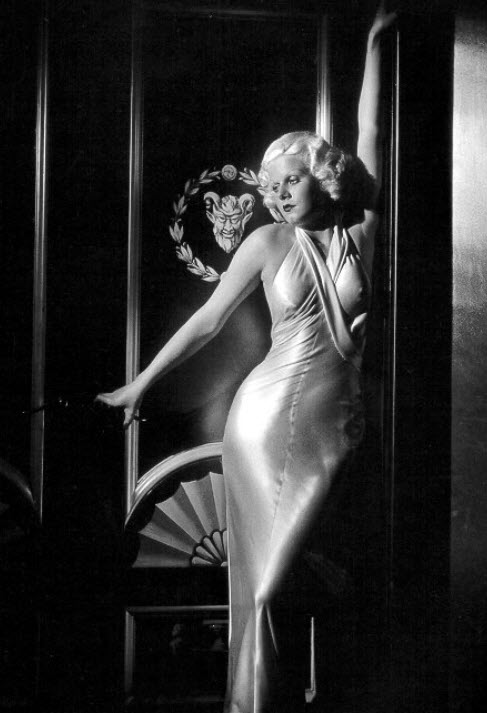
imagen: Onewed.com  Jean Harlow

imagen: Onewed.com      Jean Harlow

Un día del último septiembre, visité Farmacia Centrale, en Milán. Allí -bajo la guía de la atenta Jelly– pasé cerca de una hora olisqueando cada perfume que tenía a mi alcance.

En la búsqueda de un floral glamoroso, me topé con el delicioso nardo verde de  Mona di Orio Tubereuse, me sorprendí con la belleza clásica de Oha y quedé estupefacta ante el potente Bruno Acampora Blu. Luego de probar (casi por casualidad, ya que no es un floral) The Party in Manhattan, mi elección estaba hecha.

The Party in Manhattan es una creación del empresario Paolo Borgomanero, antiguo propietario de Acqua di Parma. De hecho, algunas personas dicen notar similitudes entre The Party y el Acqua di Parma Profumo original (ahora reformulado). Como solamente conozco la versión actual de Acqua di Parma Profumo, no puedo dar fe de esto. Encuentro, sí, que comparte un aire de familia con los más gloriosos chipres frutados: Mitsouko, Femme  (vintage) y Jubilation 25. Esta elegante belleza no es tan severa como Mitsouko ni tan obviamente erótica como el aduraznado Femme. También se siente menos barroca que  Jubilation 25, que está espolvoreado con una dosis generosa de comino, empapado con matices licorosos de davana y cubierto con pétalos de rosa.

The Party in Manhattan huele a perfume en serio, no como un día en la playa o el rocío de la mañana. Su aroma es adulto y reminiscente de días pasados, mucho antes del advenimiento del spandex y de las botas que parecen pantuflas; de aquellos días en que Hortensia, Cosme o Adelina eran nombres frecuentes en los bebés. Inspirada en el ambiente de las sofisticadas fiestas de la alta sociedad neoyorquina durante la década de 1930The Party presenta una salida especiada y ligeramente amarga con bergamotamandarina y una exuberante nota de clavel. El clavel, si bien enorme, es realista.  Un corazón floral, rico en jazmín, ylang ylang y rosa evoluciona hacia una base más cálida y ambarada mientras mantiene apuntalada la clásica estructura de chipre (bergamota, musgo de roble, patchouli).

Puede no ser revolucionario, pero la calidad y ejecución son irreprochables.  Suma puntos extra por la hermosa caja, hecha a mano en papel veneciano.

Caro

Origen de la muestra: Botella comprada en Farmacia Centrale, Milán

Si quieren, también pueden leer nuestra reseña de The Ten Party,  la contraparte masculina de The Party in Manhattan

foto: Thepartyfragrancestore.com

foto: Thepartyfragrancestore.com

The Party   The Party in Manhattan – Champagne bubbles

One day last September, I visited Farmacia Centrale, in Milan. There -under the guidance of the helpful Jelly– I spent the best part of an hour sniffing every fragrance that was within my reach.

While looking for a glamorous floral I met the delicious green tuberose of Mona di Orio Tubereuse, I was surprised by the beautiful rose in Oha and was stunned by the powerful Bruno Acampora Blu. After I tried (almost by chance, since it is not a floral) The Party in Manhattan, the choice was made.

The Party in Manhattan is a creation of businessman Paolo Borgomanero, former owner of Acqua di Parma. In fact, a few people say to have noticed a  similarity between The Party and the original Acqua di Parma Profumo (now reformulated). Since I have only sniffed the current version of Acqua di Parma Profumo, I cannot attest to this. I find it shares, though, a family resemblance to the most glorious fruity chypres: Mitsouko, (vintage) Femme and Jubilation 25. This elegant beauty is neither as stern as Mitsouko nor as obviously erotic as the peachy Femme. It also feels less baroque than Jubilation 25, which is generouly sprinkled with cumin, doused with the liqueur-like hints of davana and showered with rose petals.

The Party in Manhattan smells like real perfume, not like a day on the beach or like the dew of the morning. Its scent is grown up, reminiscent of days long before the advent of spandex and boots that look like slippers; of days when  Mildred, Howard and Eleanor were popular baby names. Inspired by the ambience of sophisticated high society parties in New York during the 1930s, The Party opens spicy and slightly bitter with bergamot, tangerine and a lush carnation note. The carnation, though enormous, smells realistic.  A floral heart rich in jasmine, ylang ylang and rose evolves into a  warmer, ambery drydown all while maintaining the classic chypre structure (bergamot, oakmoss, patchouli).

It may not be revolutionary but quality and execution are beyond reproach. It earns Brownie points for the beautiful box, handmade in Venetian paper.

Caro

Origin of sample: Bottle purchased at Farmacia Centrale, Milan

If you wish, you can also read our review of The Ten Party, the masculine counterpart to The Party in Manhattan.

Ramón Monegal Kiss my Name – Bomba de sol y tuberosa

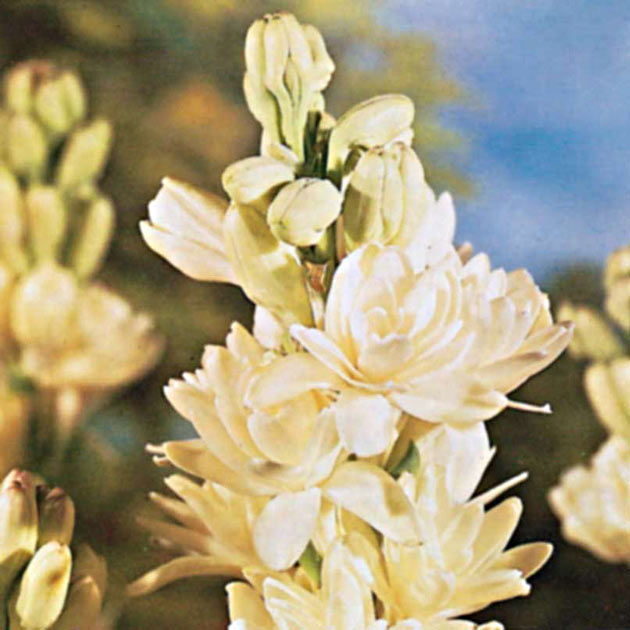
foto: Botanus.com

foto: Botanus.com

No apta para tímidas, Kiss my Name es una tuberosa enorme que podrá recordar a más de uno el perfume original de Carolina Herrera. Resueltamente más moderno y depurado que cualquier fragancia de los ’80s -aunque igualmente extrovertida- esta creación de Ramón Monegal irradia energía.

Kiss my Name no retrata a la tuberosa de manera hiperrealista ni ubica a la flor en un escenario natural. Monegal nos brinda una visión contemporánea y urbana donde la flor se halla más a gusto en una gran metrópolis -entre cristales y metal- que en el campo. Aunque este perfume me hace pensar en nardos frescos, acomodados con cuidado en un florero de acero lustroso, la condición citadina no va en detrimento de su carácter soleado.

La salida -un poco metálica, un poco frutal-  es vibrante y algo estridente. Luego de unos minutos, el volumen se atenúa y la mezcla se torna mucho más suave, cálida y balsámica. Hipnotizada por el aroma narcótico de la tuberosa, al usarlo me cuesta alejar la nariz de las muñecas.

No puedo identificar aquí las notas con demasiada claridad, excepto por la tuberosa, neroli y el almizcle blanco presente en la base de la mayoría de las creaciones de Ramón Monegal. La marca menciona también absoluto de jazmín egipcio, iris y bálsamo de Tolu.

El luminoso Kiss my Name resulta tanto un perfume de bienestar como una declaración de alegría. Su longevidad es excelente y el aroma persiste en la ropa por varios días. Uno de mis favoritos de esta casa, junto con Ambra di Luna y Cuirelle.

Caro

Origen de la muestra: Gentileza de Ramón Monegal Perfumes

foto: Ramonmonegal.com

foto: Ramonmonegal.com

Ramón Monegal Kiss my Name – Sunny tuberose bomb

Not for the shy, Kiss my Name is a big tuberose that may remind some of the original Carolina Herrera perfume. Resolutely more modern and streamlined than any fragrance from the ’80s -although no less extroverted- this Ramón Monegal creation radiates energy.

Kiss my Name is not an hyperrealistic rendition of tuberose  and does not place the flower in a natural setting. Monegal gives us a contemporary, urban take where the flower seems more at ease in a big metropoli -among glass and metal- than in the countryside. Although this fragrance makes me think of freshly cut tuberoses carefully arranged in a polished steel vase, the big city character doesn’t detract from its sunniness.

The opening -a bit metallic, a bit fruity-  is bright and somewhat strident. After a few minutes, any possible loudness subsides and the blend becomes much softer, warm and balsamic. Entranced by the narcotic scent of tuberose, when I wear it I have a hard time keeping my nose away from my wrists,

I cannot pick apart the notes very clearly here except for tuberose, neroli and the white musks  present in the base of most Ramón Monegal fragrances. The brand also lists Egyptian jasmine absolute, iris and Tolu balsam.

The luminous Kiss my Name is both a feel-good fragrance and a declaration of joy.  Its longevity is excellent and the scent still pervades clothes many days after wearing. One of my favorites from this house alongside Ambra di Luna and Cuirelle.

Caro

Origin of sample: Courtesy of Ramón Monegal Perfumes

Grossmith Shem-el-Nessim – Armonía en tonos pastel

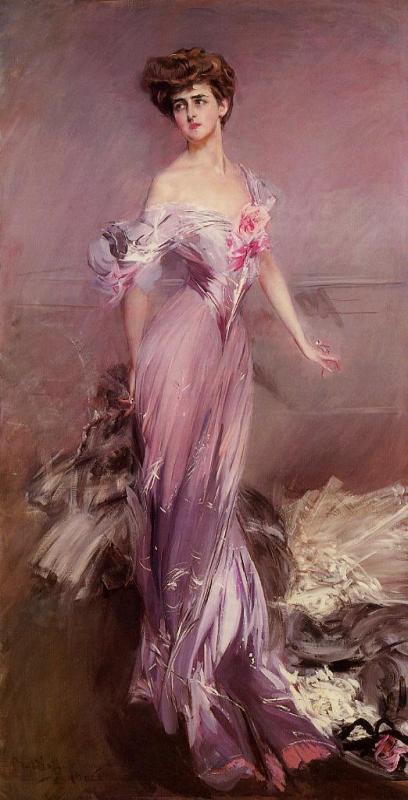
imagen: Jssgallery.org artista: Giovanni Boldini  Retrato de Mrs. Howard Johnston, 1906

imagen: Jssgallery.org     artista: Giovanni Boldini     Retrato de Mrs. Howard Johnston, 1906

Mientras Hasu-no-Hana capitalizó el furor de la moda japonista que influenció el arte y cultura europeos durante los últimos años del siglo XIX, Shem-el-Nessim prefirió un motivo orientalista y debe su nombre a una festividad egipcia que tiene lugar durante la primavera (Shem el Nessim  quiere decir oliendo el céfiro). En la misma manera que Hasu-no-Hana, su perfil se corresponde con una visión occidental idealizada de tierras lejanas. El aroma de este céfiro, sin dudas exquisito, encontraría su lugar apropiado en alcobas o salones de baile eduardianos más que en los alrededores de la Gran Pirámide.

Cuando Simon Brooke decidió revivir Grossmith -la casa de perfumes que alguna vez había pertenecido a su familia- buscó la ayuda de Roja Dove. Juntos reconstruyeron las fragancias, que luego fueron elaboradas por Robertet. Una alianza entre Dove y Robertet podía significar una sola cosa para mí: calidad impoluta. Siendo, además, una nostálgica irredimible de la Belle Époque, hace un par de años decidí correr el riesgo y comprar una botella de Shem el Nessim sin haberlo probado antes.

Shem-el-Nessim, creado originalmente en 1906, le dio alas a mi melancolía. Nostálgico y reconfortante a la vez, me recordó a otro perfume que solía ser bellísimo hasta que la reformulación aniquiló todas sus sutilezas y contradicciones: L’Heure Bleue. Esto no resulta sorprendente, ya que L’Heure Bleue fue creado apenas seis años más tarde que Shem-el-Nessim, así es que ambos encarnan el zeitgeist de la Belle Époque.

Al aplicarlo, Shem-el-Nessim no defrauda.  Me rodea una nube floral y atalcada, que amenaza con permear mis poros.  Una vez que mengua el estallido original, puedo empezar a apreciar sus muchas sutilezas.  La bergamota y el geranio son los responsables del cosquilleo inicial. El perfume cobra luego un carácter decididamente floral, cuando notas melifluas notas de jazmín, rosa e ylang-ylang infunden su sensualidad al blend. Si bien resulta fácil identificar las notas individuales, la transición entre ellas es continua, sin fisuras y la sensación general es de refinamiento. El orris concede su presencia aristocrática, pero se siente inusualmente cálido, casi dorado, al estar en combinación con heliotropo, vainilla, sándalo y almizcle.

Esta delicada belleza empolvada me provoca ganas de llorar y gritar de alegría a la vez (¿gritar?¡cuán impropio!), a diferencia del L’Heure Bleue actual que sólo me causa ganas de llorar. La única desventaja que encuentro es que el eau de parfum de Shem-el-Nessim no tiene demasiada longevidad sobre mi piel.

Soñaré con su magnífica versión parfum hasta tanto pueda comprar una botella.

Caro

Origen de la muestra: Eau de parfum comprada en Perfumería Nadia, Madrid

Cliqueando sobre los links, pueden leer nuestras reseñas de Phul-Nana, Hasu-no-Hana y Betrothal de la misma casa

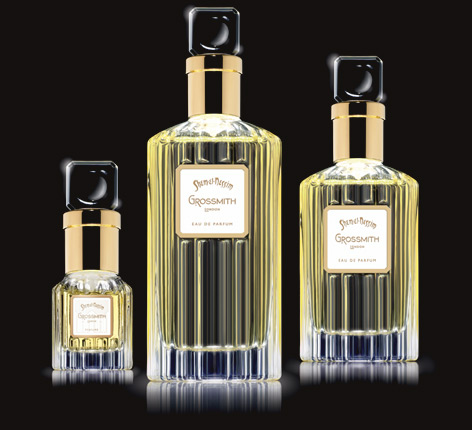
foto: Grossmithlondon.com

foto: Grossmithlondon.com

Grossmith Shem-el-Nessim – A harmony in pastel hues

While Hasu-no-Hana capitalized the Japonist rage that influenced European art and culture during the last years of the XIXth century, Shem-el-Nessim chose an Orientalist motif instead and owes its name to an Egyptian holiday that takes place during Spring (Shem el Nessim means  smelling of the Zephyr). Much like Hasu-no-Hana, its profile corresponds to an idealized Western  vision of distant lands. The scent of this Zephyr, without a doubt exquisite, would perhaps be more at ease in Edwardian alcoves or ballrooms than around the  Great Pyramid of Giza.

When Simon Brooke decided to resurrect Grossmith -the perfume house that once belonged to his family- he sought Roja Dove‘s help. Together, they reconstructed the fragrances, which were later produced by Robertet. A DoveRobertet alliance could only mean one thing to me: flawless quality. And being a hopeless nostalgic for all things Belle Époque, a couple years ago I took the plunge and decided to purchase Shem el Nessim unsniffed.

Shem-el-Nessim, which was originally created in 1906, gave wings to my melancholy. Nostalgic and comforting at the same time, it reminded me of another fragrance that used to be beautiful until reformulation destroyed all of its subtleties and contradictions: L’Heure Bleue. This is not surprising because L’Heure Bleue was created a mere six years after Shem-el-Nessim, so the zeitgeist of the Belle Époque is embodied in both of them.

Upon application, Shem-el-Nessim doesn’t fail to satisfy.  A powdery floral cloud surrounds me, almost threatening to permeate my every pore.  Once the initial blast subsides, I am able to fully appreciate its many subtleties. Bergamot and geranium are responsible for the initial tingle.  The fragrance later acquires a decidedly floral character, when honeyed notes of jasmine, rose and ylang-ylang infuse the blend with their sensuality. While individual notes are easy to identify, the transition between them is seamless, continuous and the overall feel is one of refinement. Orris graces the composition with its aristocratic presence, but feels unusually warm, almost golden, since it is paired with heliotrope, vanilla, sandalwood and musk.

This delicate, powdered beauty makes me want to weep and cry with joy at the same time (cry with joy? how improper!), unlike current L’Heure Bleue which only makes me want to cry. The only drawback I can think of is that Shem-el-Nessim eau de parfum doesn’t have much  longevity on my skin.

I will dream about the magnificent parfum version until I am able to purchase a bottle.

Caro

Origin of sample: Eau de parfum purchased at Perfumería Nadia, Madrid

You can also read our reviews of Phul-Nana, Hasu-no-Hana and Betrothal from the same house