Category Archives: Información general – General information

Letras Perfumadas – “Oda a la jardinera” de Pablo Neruda

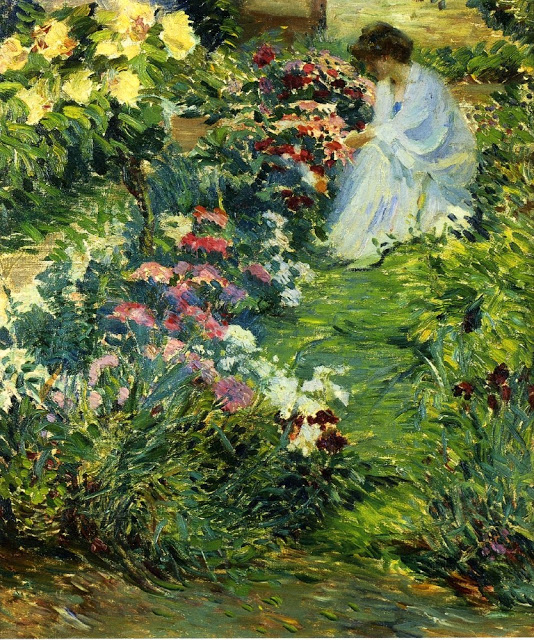
imagen: Bjws.blogspot.com Woman in a Garden  artista: John Leslie Breck (1860-1899)

imagen: Bjws.blogspot.com   Woman in a Garden   artista: John Leslie Breck (1860-1899)

Sí, yo sabía que tus manos eran
el alhelí florido, la azucena
de plata;
algo que ver tenías
con el suelo,
con el florecimiento de la tierra,
pero
cuando
te vi cavar, cavar,
apartar piedrecitas
y manejar raíces
supe de pronto,
agricultora mía,
que
no sólo
tus manos,
sino tu corazón
eran de tierra,
que allí
estabas
haciendo
cosas tuyas,
tocando
puertas
húmedas
por donde
circulan
las
semillas.

Así, pues,
de una a otra
planta
recién
plantada,
con el rostro
manchado
por un beso
del barro,
ibas
y regresabas
floreciendo,
ibas
y de tu mano
el tallo
de la astromelia
elevó su elegancia solitaria,
el jazmín
aderezó
la niebla de tu frente
con estrellas de aroma y de rocío.
Todo
de ti crecía
penetrando
en la tierra
y haciéndose
inmediata
luz verde,
follaje y poderío.
Tú le comunicabas
tus semillas,
amada mía,
jardinera roja.
Tu mano
se tuteaba
con la tierra
y era instantáneo
el claro crecimiento.

Amor, así también
tu mano
de agua,
tu corazón de tierra,
dieron
fertilidad
y fuerza a mis canciones.

Tocas
mi pecho
mientras duermo
y los árboles brotan
de mi sueño.
Despierto, abro los ojos,
y has plantado
dentro de mí
asombradas estrellas
que suben con mi canto.

Es así, jardinera:
nuestro amor
es
terrestre:
tu boca es planta de la luz, corola,
mi corazón trabaja en las raíces.

Pablo Neruda 

Tercer libro de las odas Buenos Aires, Losada, 1957.

La Modernidad nos ha quitado -entre otras cosas- la costumbre del contacto cotidiano con la tierra: su olor, su textura, su humedad, su temperatura. Hemos nacido en un momento histórico y en una sociedad en el que tierra se asocia con la suciedad (valga la cacofonía) y, por lo tanto, conlleva cierta carga negativa.

Sin embargo, el desarrollo de la jardinería se ha vuelto cada vez más común, especialmente en el mundo de la perfumería artesanal. Mesha Munyan, Roxana Villa o Maggie Mahboubian son sólo algunas de las perfumistas que suelen aplicar en sus fórmulas esencias provenientes de cosechas sus propios jardines.

Una oda a una jardinera no es poca cosa y mucho menos si viene de parte de Pablo Neruda. Con ojo atento, corazón apasionado y pluma prodigiosa comparó el trabajo de la tierra y sus imágenes sensoriales con el amor. Sin dudas, ambos implican tiempo, sentimientos, dedicación y (¿por qué no?) cierto talento.

Virginia

foto: Florespedia.com  Alhelíes

foto: Florespedia.com Alhelíes

Scented Letters – “Ode to a woman gardening” by Pablo Neruda

Yes, I knew that your hands were
a budding sprout, a lily
of silver:
you had something to do
with the soil,
with the flowering of the earth,
but
when
I saw you digging, digging,
pushing pebbles apart
and guiding roots
I knew at once,
my farming woman,
that
not only
your hands
but your heart
were of earth,
that there
you were
making
your things,
touching
moist
doorways
through which
the
seeds
circulate.

So in this way
from one plant
to the other
recently
planted one,
with your face
spotted
with a kiss
from the clay,
you went
and came back
flowering,
you went
and from your hand
the stem
of the astromeria
raised its solitary elegance,
the jasmine
adorned
the mist on your brow
with stars of dew and fragrance.

Everything
grew from you
penetrating
into the earth
and becoming
green light,
foliage and power
you communicated
your seeds to it,
my beloved,
red gardening woman:
your hand
on familiar terms
with the earth
and the bright growing
was instantaneous.
Love, thus also
your hand
of water,
your heart of earth,
gave
fertility
and strength to my songs
you touch
my chest
while I sleep
and trees blossom
from my dreaming.
I wake up, open my eyes,
and you have
inside me
stars in the shadows
which will rise and shine
in my song.

That’s how it is, gardening woman:
our love
is
earthly:
your mouth is a plant of light, a corolla,
my heart works among the roots.

Pablo Neruda

From “Tercer libro de las odas“, 1956. Translated by Jodey Bateman. Source: http://spanishpoems.blogspot.com

Modernity has taken from us -among other things- the habit of daily contact with the ground; its smell, texture, moisture, temperature. We were born in a historical time and within a society in which soil is associated with dirt and, therefore, carries certain negative connotations.

Notwithstanding, the development of gardening has become increasingly common, especially in the world of artisanal perfumery. Mesha Munyan, Roxana Villa or Maggie Mahboubian are just some of the perfumers that typically employ essences harvested from their own gardens in their formulas .

An ode to a gardener is no small matter, much less if it comes from Pablo Neruda. With a watchful eye, prodigious pen and a passionate heart he compared the work of the land and its sensory images with love. Without a doubt, both involve time, feelings, dedication, and (why not?) some talent.

Virginia
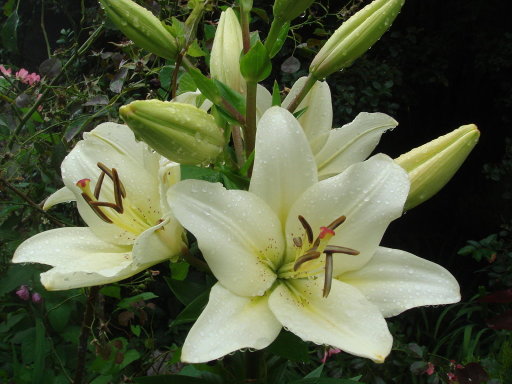
foto: Plantas.facilisimo.com Azucenas

foto: Plantas.facilisimo.com    Azucenas

foto: Commons.wikimedia.org  Alstroemeria

foto: Commons.wikimedia.org   Alstroemeria

foto: Florespedia.com  Jazmines

foto: Florespedia.com      Jazmines

foto: Proyectolomas.weebly.com   Amancae

foto: Proyectolomas.weebly.com     Amancae
Letras perfumadas – “Correspondencias” de Charles Baudelaire

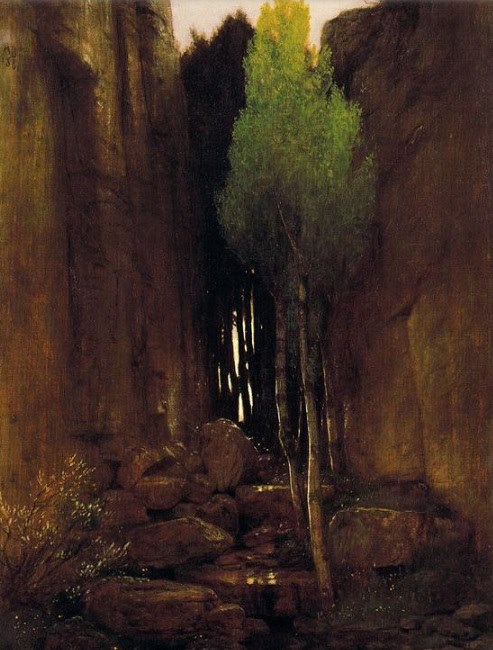
imagen:  "Source between two rock walls", 1881  artista: Arnold Böcklin

imagen: It-is-snowing-in-nakonxipan.blogspot.com  
“Source between two rock walls”, 1881 artista: Arnold Böcklin

Correspondencias

La Naturaleza es un templo cuyos vivientes pilares, dejan a veces escapar confusas palabras. El hombre posa allí a través de bosques de símbolos, que lo observan con miradas familiares.

Como largos ecos que de lejos se confunden en una tenebrosa y profunda unidad —vasta como la noche y como la luz— los perfumes, los colores y los sonidos se responden.

Hay perfumes frescos como carne de niño, dulces como los oboes, verdes como las praderas. Y hay otros corrompidos, ricos y triunfantes, que tienen la expansión de las cosas infinitas, como el ámbar, el almizcle, el benjuí y el incienso, que cantan los transportes del espíritu y los sentidos.

Charles Baudelaire

De “Las flores del mal” – Traducción de Ulyses Petit de Murat. Ediciones DINTEL, 1959. Fuente: http://www.lamaquinadeltiempo.com/Baudelaire/correspo.htm

El lenguaje descriptivo de los perfumes echa mano de la música y de los colores. Notas, composición, armonía, acordes son algunos de los conceptos musicales que la perfumería se ha apropiado. Lo mismo sucede con lo verde, lo ambarado, lo transparente, lo oscuro de un perfume: son los matices e intensidades con los que percibimos el espíritu de un olor.

La pregunta sería: los perfumes, los colores y los sonidos ¿se corresponden porque no tenemos palabras específicas para hablar de los olores? ¿o es que percibimos los olores sinestésicamente, es decir, sentimos los estímulos olfativos determinados por sensaciones propias del sentido auditivo y visual, e incluso el táctil?

Baudelaire encuentra “la expansión de cosas infinitas”, “del espíritu y los sentidos”, en ciertos ingredientes. Aunque osaríamos agregar algunos ítems más a la lista del poeta, coincidimos con los apuntados por él. Especialmente con el benjuí, esa resina sensual, oscura y camaleónica que puede apreciarse sublimemente gourmand y avainillada en Fragonard Fleur de Vanille; radiante y rojo en Sisley Eau de Sisley N3; y dorado sobre el opopanax en Carthusia Ligea.

Perfumes “dulces como los oboes”… cuáles vienen a su mente?

Virginia y Caro

foto: Ov-rothrist.ch

foto: Ov-rothrist.ch

Scented Letters – “Correspondences” by Charles Baudelaire

In Nature’s temple, living pillars rise,
Speaking sometimes in words of abstruse sense;
Man walks through woods of symbols, dark and dense,
Which gaze at him with fond familiar eyes.
Like distant echoes blent in the beyond
In unity, in a deep darksome way,
Vast as black night and vast as splendent day,
Perfumes and sounds and colors correspond.

Some scents are cool as children’s flesh is cool,
Sweet as are oboes, green as meadowlands,
And others rich, corrupt, triumphant, full,
Expanding as infinity expands:
Benzoin or musk or amber that incenses,
Hymning the ecstasy of soul and senses.

Charles Baudelaire

Source: http://fleursdumal.org/poem/103 — Translation by Jacques LeClercq, “Flowers of Evil” (Mt Vernon, NY: Peter Pauper Press, 1958)

The descriptive language of perfumes borrows a lot of words from music and painting. Notescomposition, harmonychords are some of the musical concepts that perfumery has appropiated  to itself. The same happens with the greeness, the amberiness, the transparency, the darkness of a perfume: they’re the hues and intensities with which we perceive the spirit of a smell.

The question is: do perfumes, colors and sounds correspond because we don’t have specific words to talk abou scents? Or is that we perceive scents in a synesthetic way, that is to say, we feel the olfactive stimuli determined by sensations belonging to hearing and sight, even by the sense of touch?

Baudelaire finds “expanding as infinity expands”, “the ecstasy of soul and senses”, in some ingredients. Although we dare to add another items to the poet’s list, we agree with his selection. Especially with benzoin, that sensual, chameleonic and dark resin that can be appreciated in different and sublime ways: gourmand vanilla in Fragonard Fleur de Vanilleradiant and reddish in Sisley Eau de Sisley N3and golden over opopanax in Carthusia Ligea.

As for perfumes “sweet as are oboes”… which ones come to your mind?

Virginia & Caro

Tour olfativo constante – El estudio de Mandy Aftel

foto: Virginia Blanco

foto: Virginia Blanco

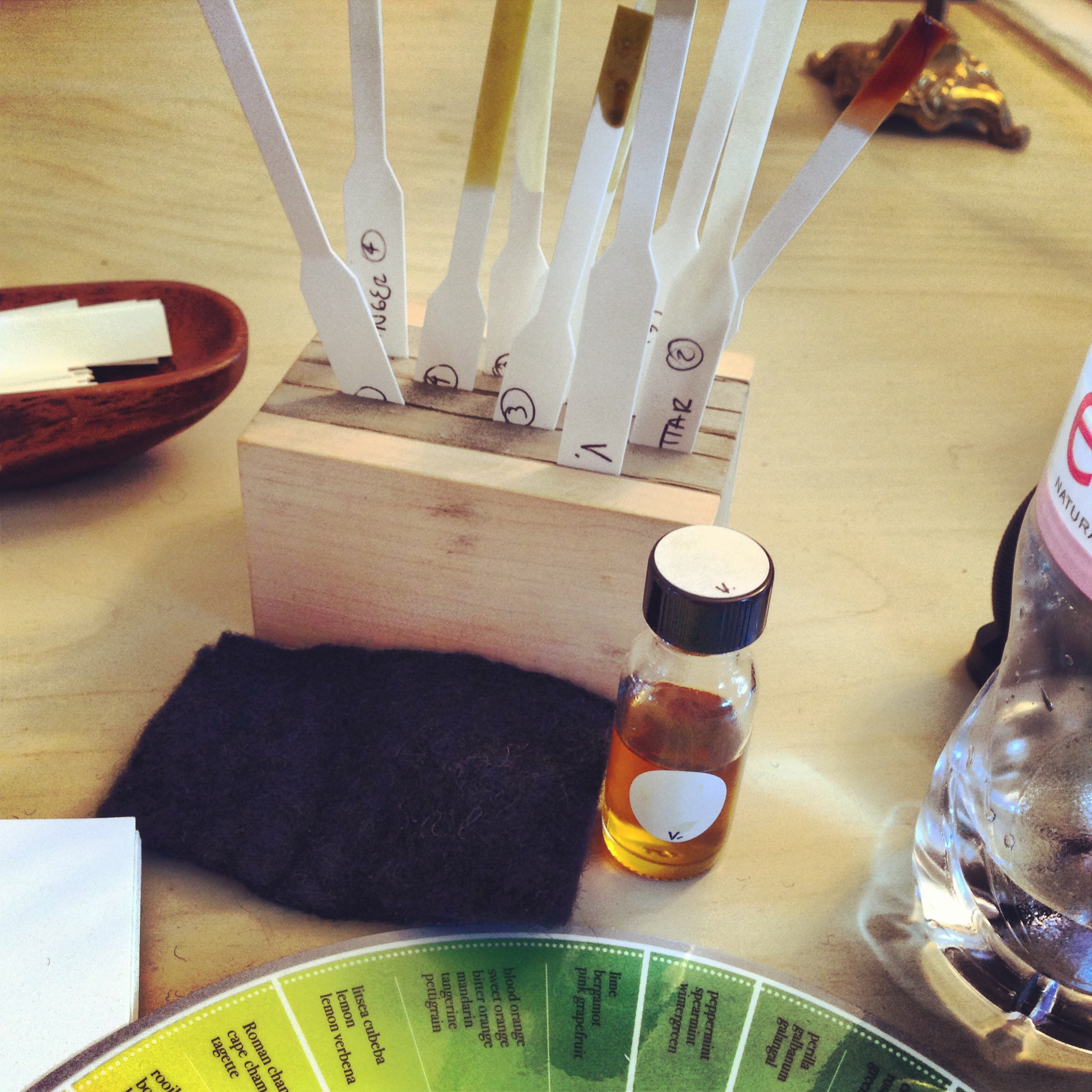
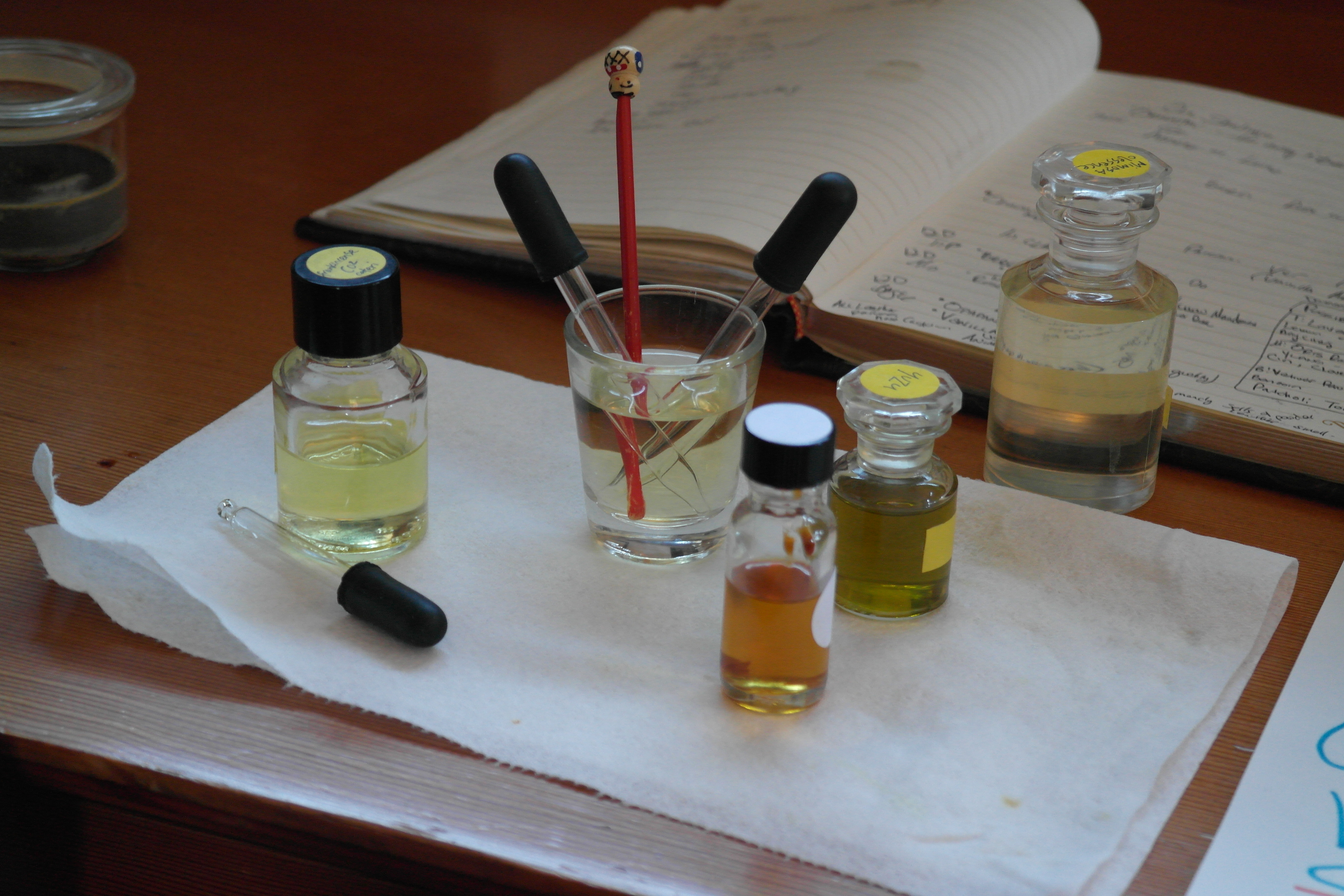
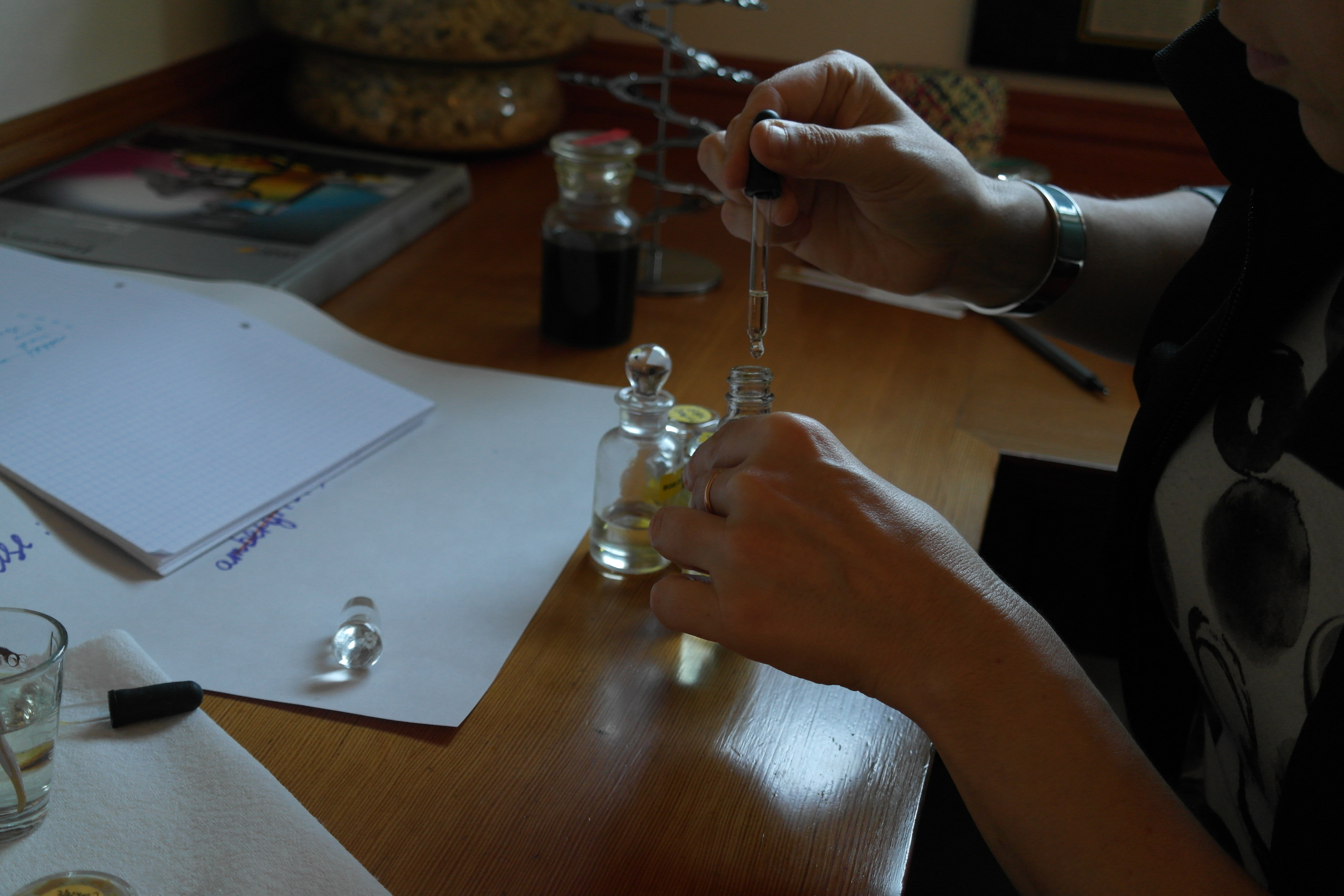
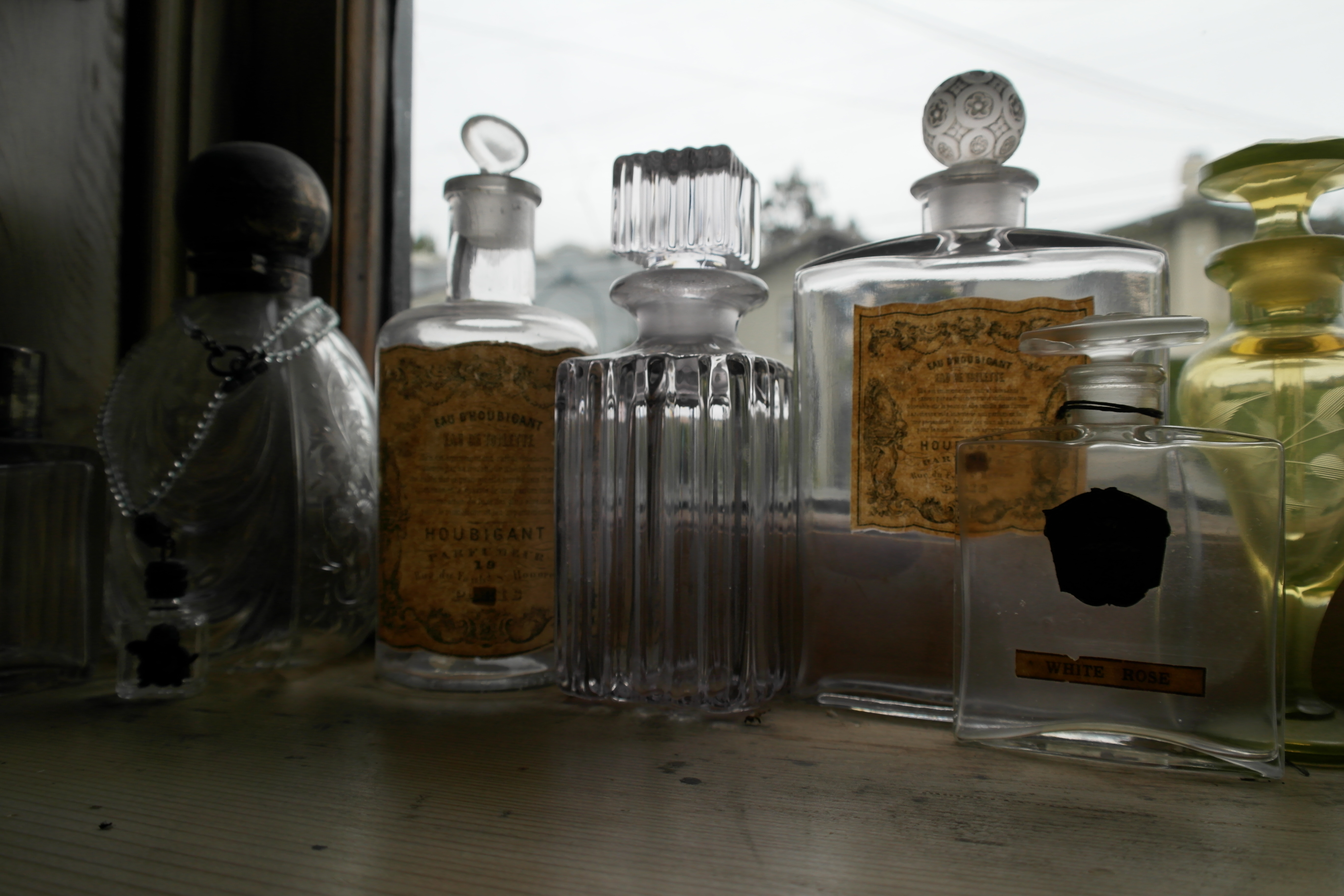
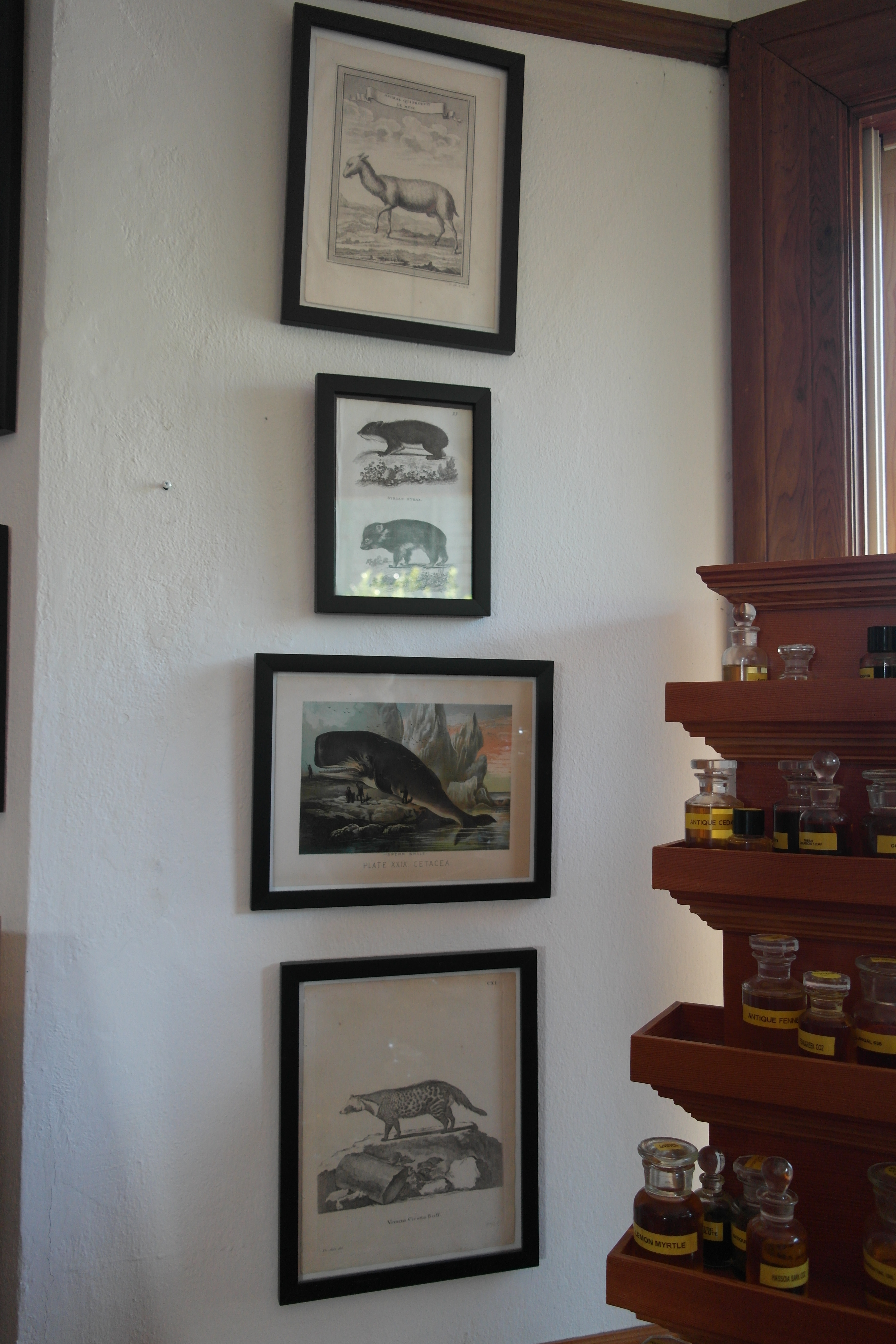
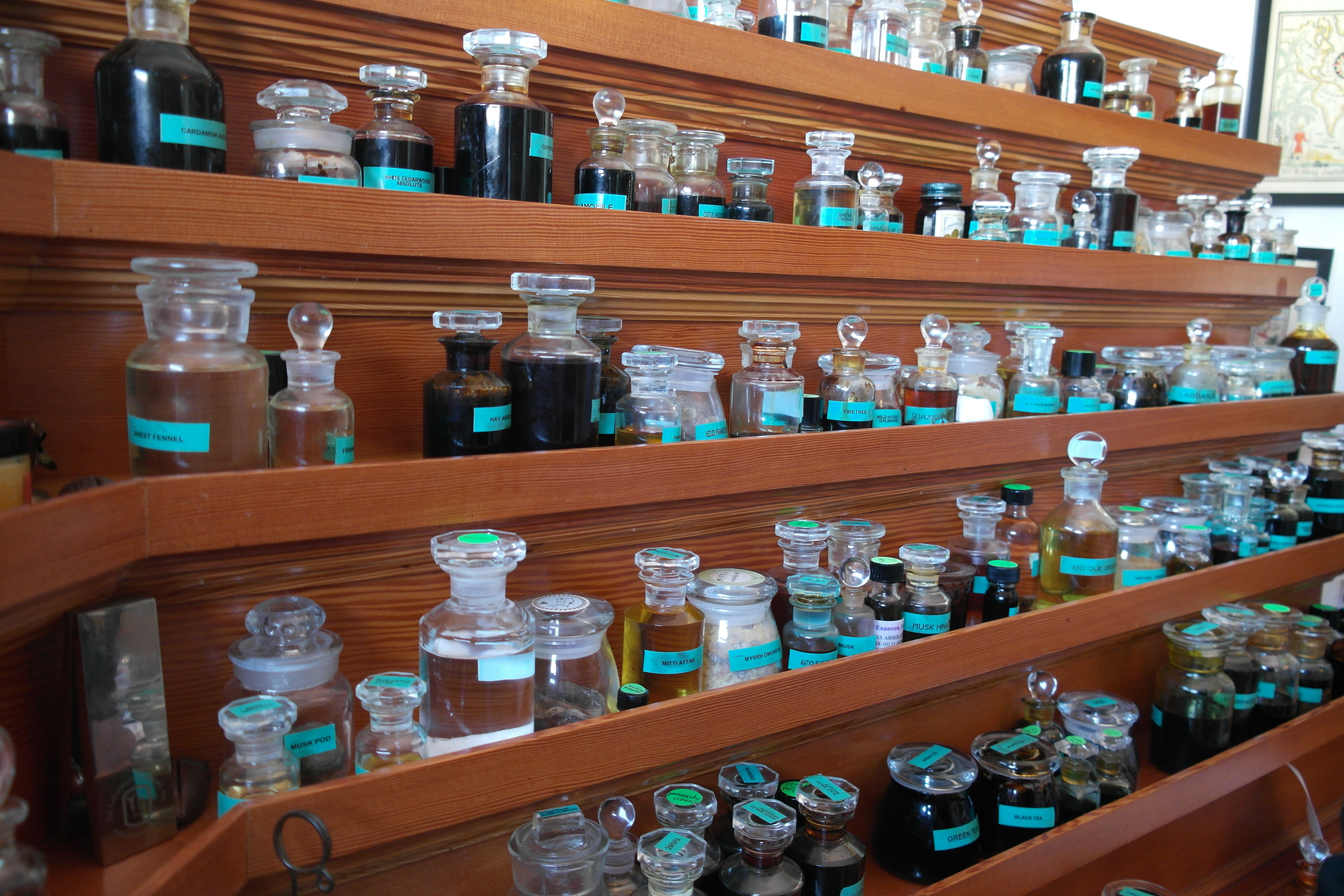
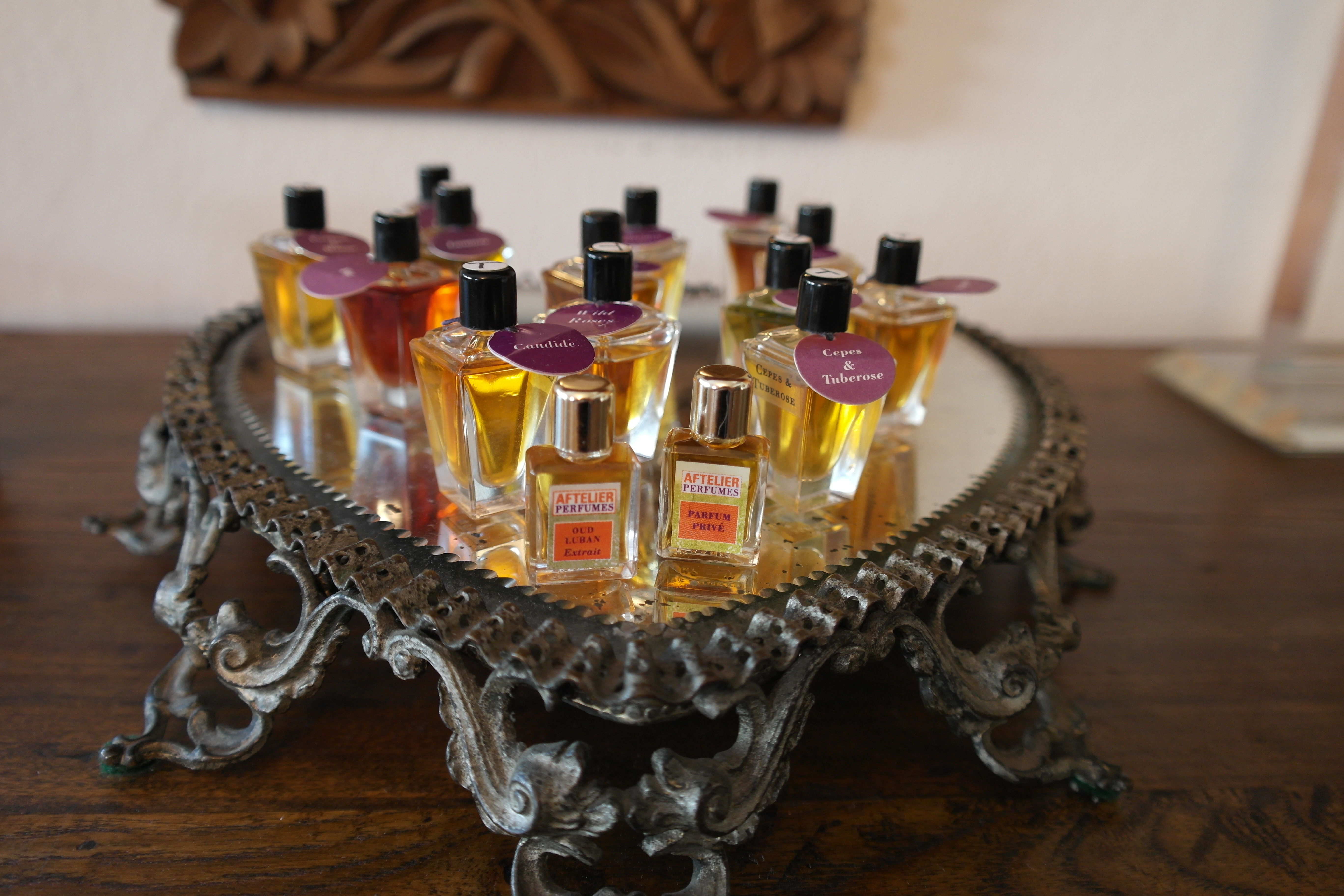
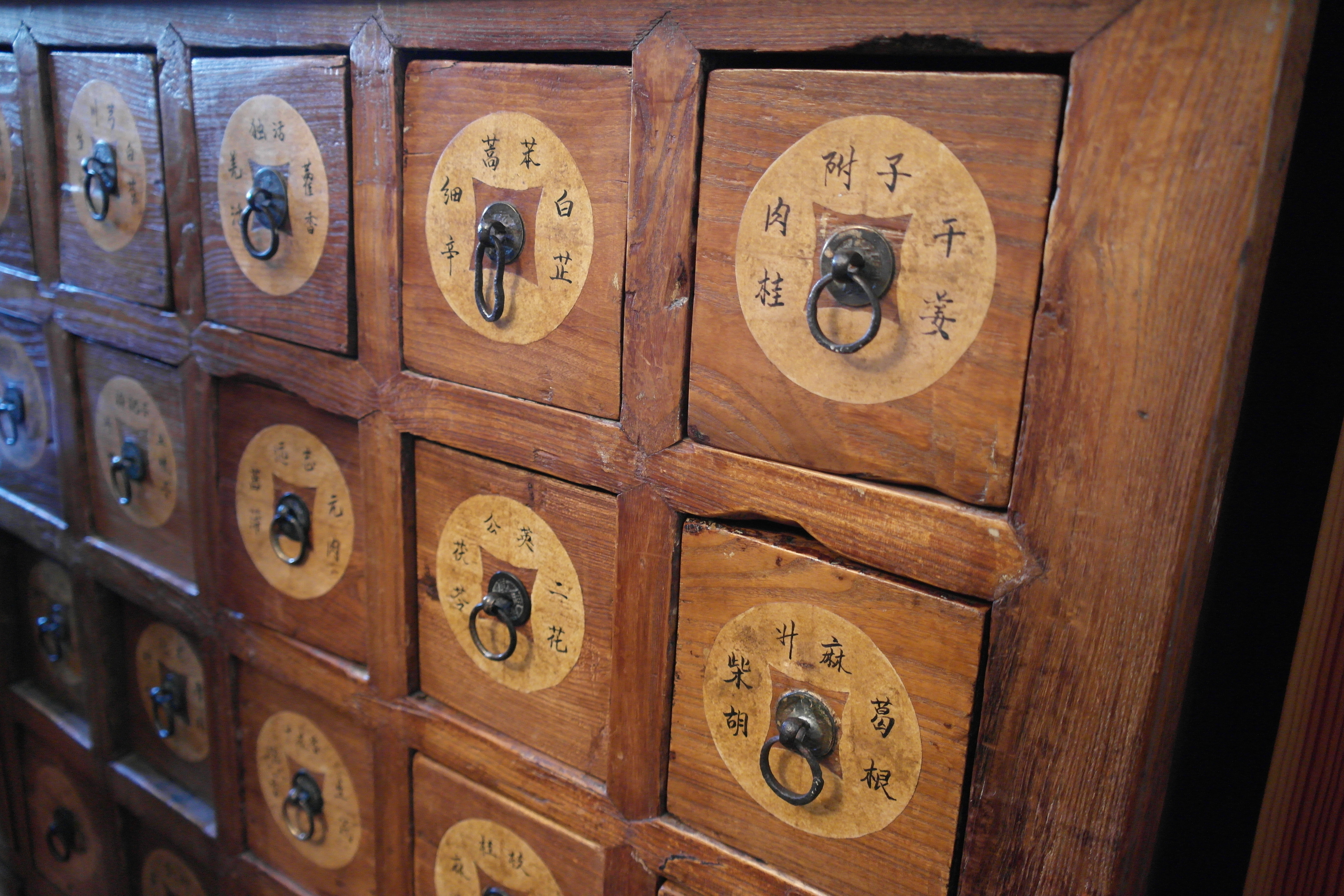
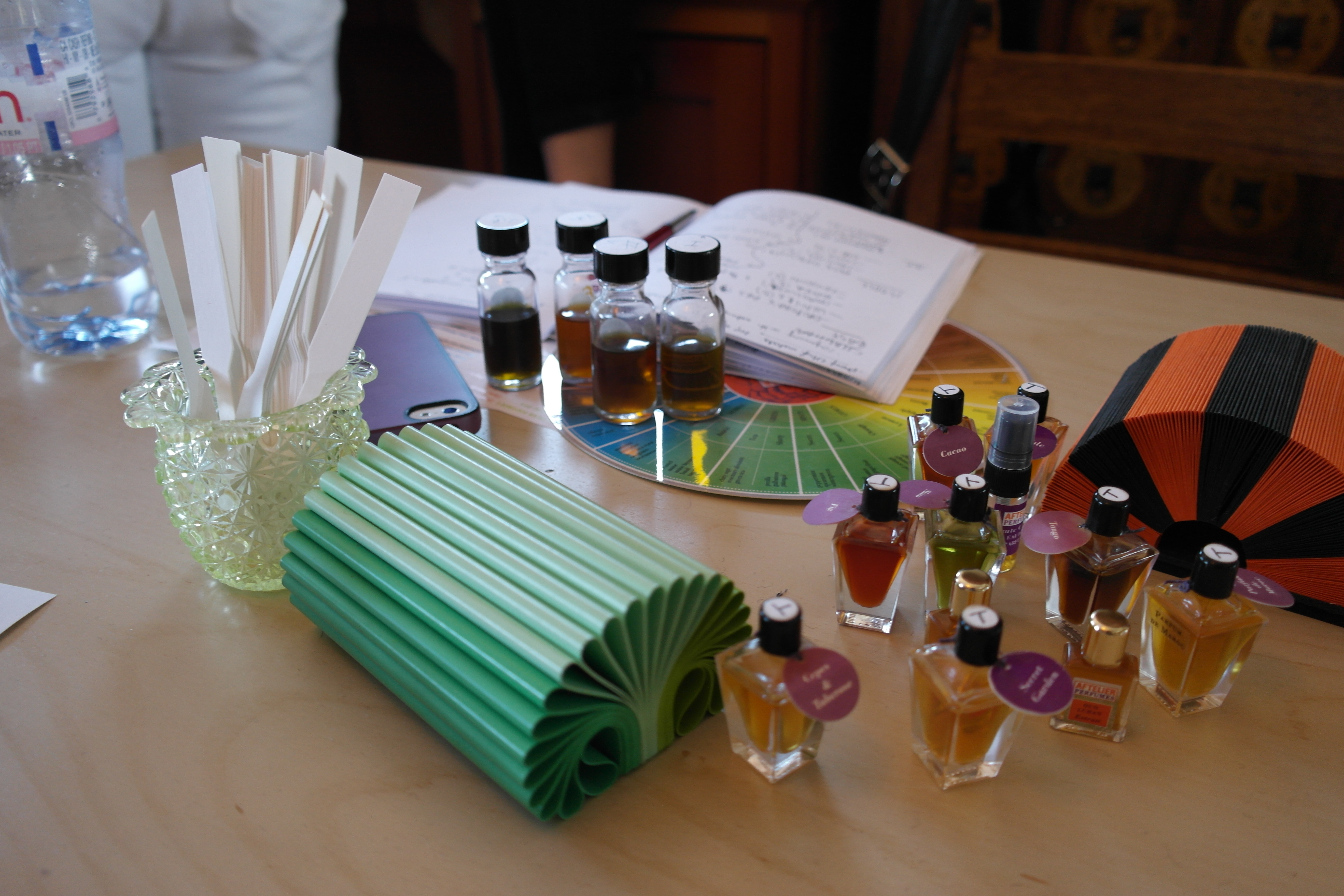
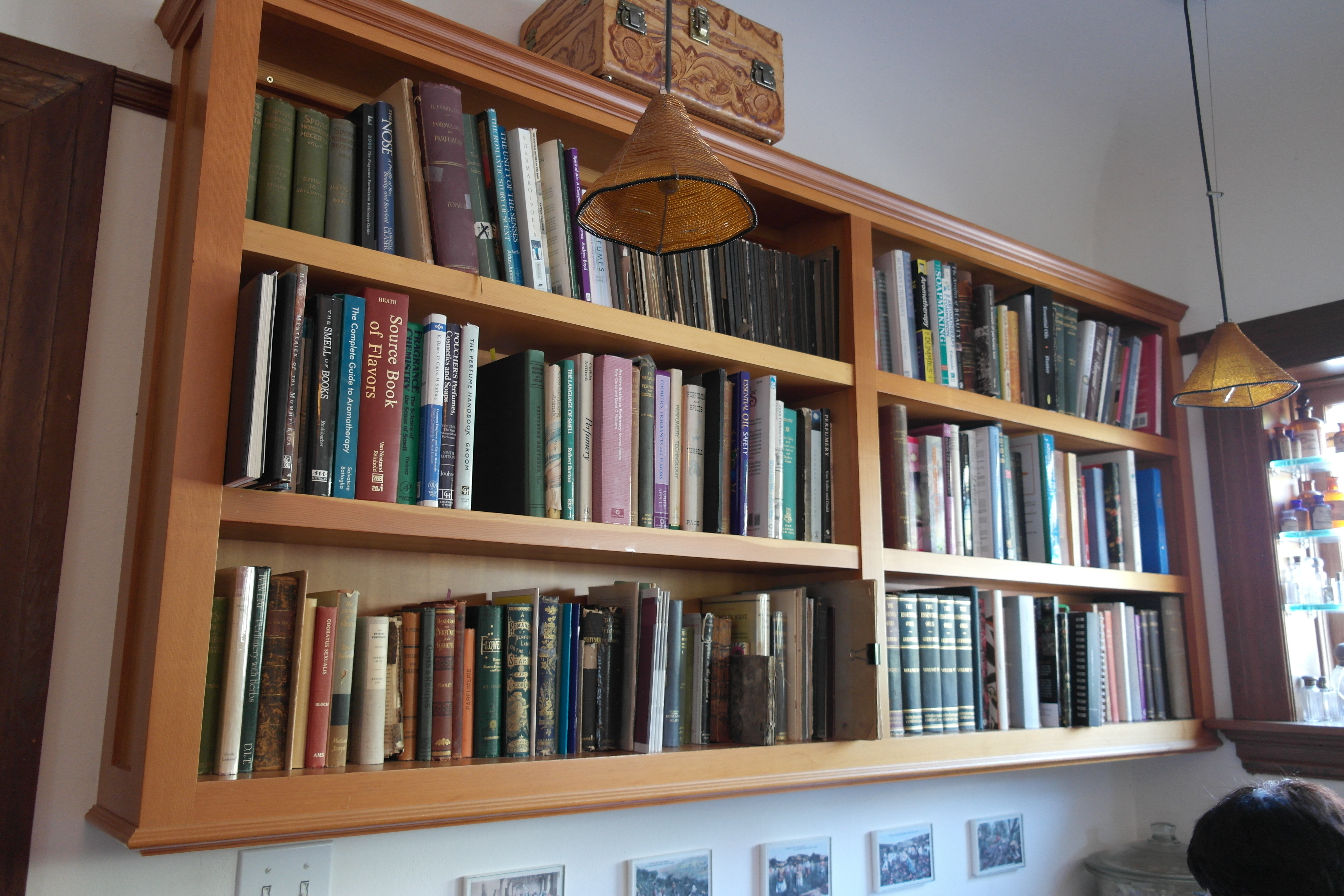
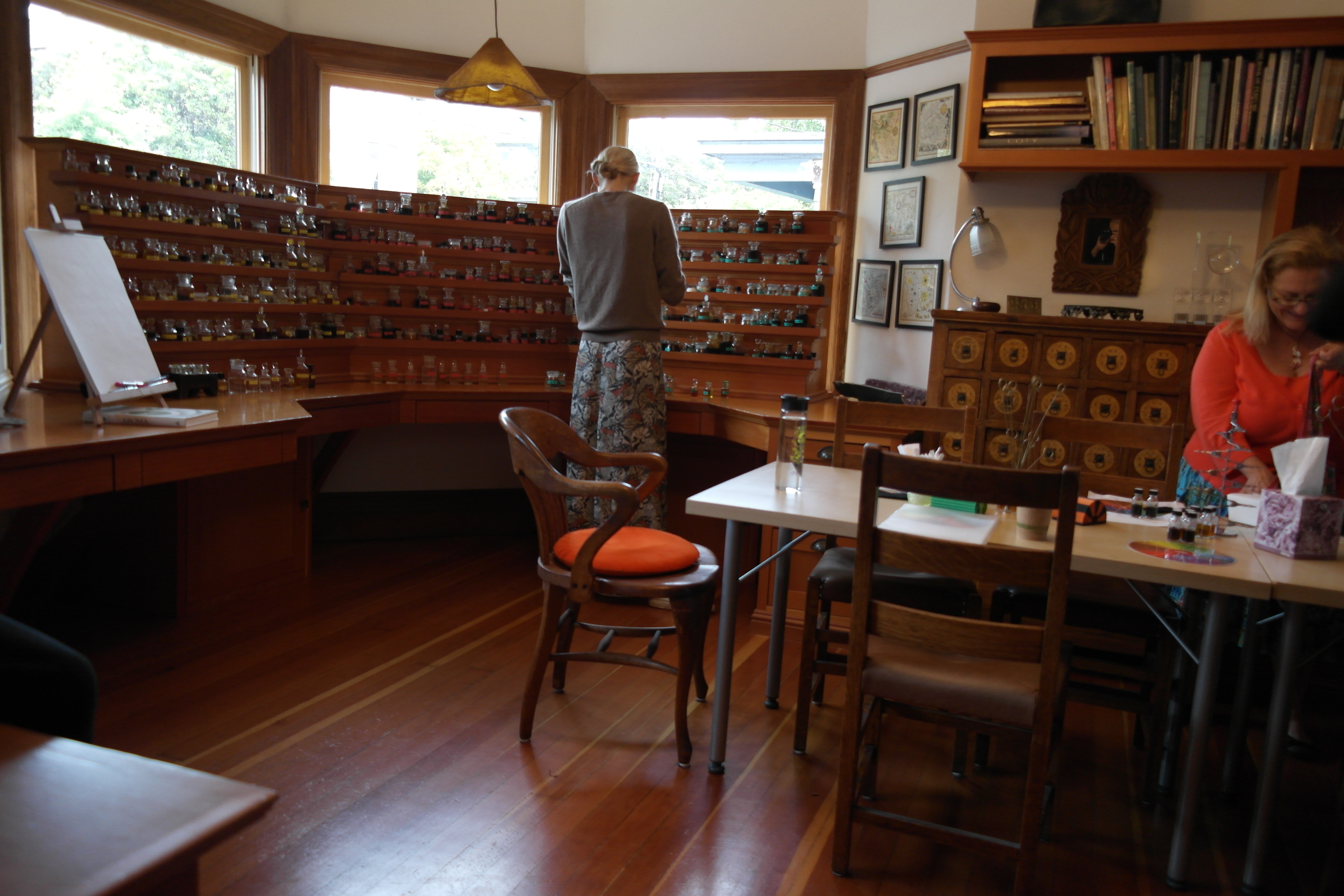
Estoy convencida de que para un verdadero amante de los perfumes pocas cosas hay en el mundo tan paradisíacas como estar en el estudio de un perfumista. La experiencia de encontrarse de pie frente a sus instrumentos de trabajo, el poder ver, tocar y -oh!- oler cada uno de los frasquitos y botellas es un sueño hecho realidad.

Así me sentí cada día en el que asistí a las clases de perfumería natural de la gran Mandy Aftel, en Berkeley, California. Creadora y nariz de la marca Aftelier, es también autora de varios libros (entre ellos “Essence & Alchemy” y “Scents & Sensibilities”) citados frecuentemente por investigadores académicos en cuestiones sociológicas, antropológicas e históricas sobre el olfato y la cultura.

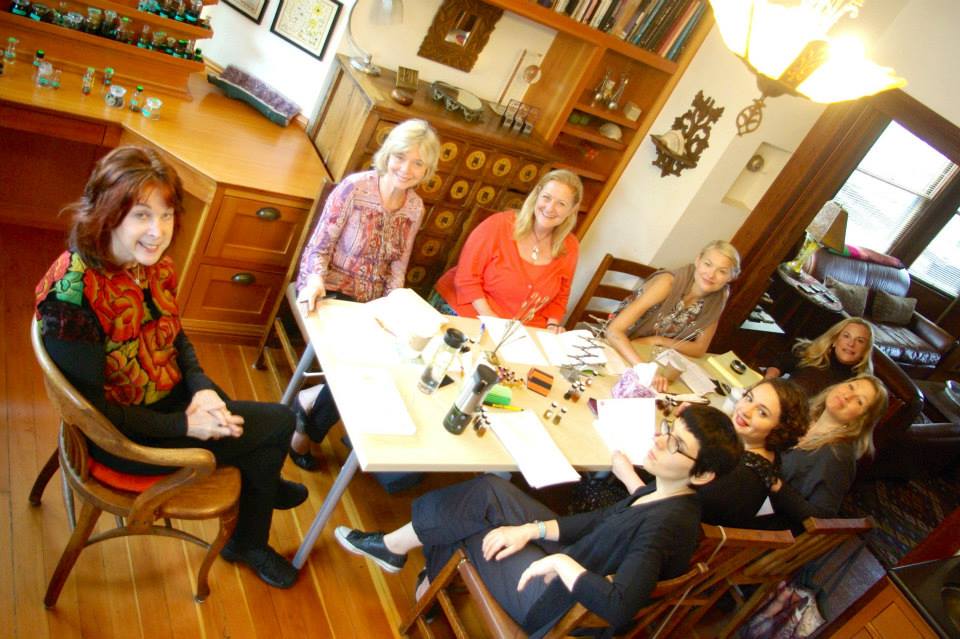
Las clases fueron inolvidables. Lo único que nos apremiaba a mis compañeras y a mí era el tiempo para terminar las fórmulas: nunca es suficiente. Pero, fuera de ello, no teníamos ninguna presión. Mandy logra el equilibrio entre dejarte trabajar libremente y a la vez estar pendiente del proceso individual de cada estudiante.

No me canso de repetir lo agradecida que estoy por la generosidad que muestra para con sus alumnos. Ejerciendo una profesión con tantos secretos, ella -por el contrario- comparte su estudio, su casa, sus materiales, sus fórmulas, sus experiencias, sus conocimientos y sus fuentes. Es una maestra con todas las letras.

Si quieren saber más sobre ella y sus cursos, pasen por su website en Aftelier Perfumes.

Virginia

foto: Virginia Blanco

foto: Virginia Blanco

Continuous olfactory tour – Mandy Aftel’s Studio

I’m sure that for an authentic perfume lover there are not many places as paradisiac as a perfumer’s studio. The experience of standing up in front of their tools and being able to see, touch and -oh!- smell every little jar and bottle is a dream come true.

That was my feeling during every single day while I attended the great Mandy Aftel‘s natural perfumery classes in Berkeley, California.. She is the creator and nose of the brand Aftelier and also the author of several books (such as “Essence & Alchemy” or “Scents & Sensibilities”) frequently quoted by academic researchers in sociological, anthropological and historical issues about smell and culture.

The classes are unforgettable. Only the time were pushing us -my classmates and me-: time never is enough for finishing a formula. But, except that, we did not feel any pressure. Mandy achieves the balance between letting you work freely and at the same time to being aware of each student’s individual process.

I never tire of repeating how grateful I am for the generosity shown to her students. In a profession with many secrets she -instead of keeping them to herself- shares her studio, home, materials, formulas, experiences, knowledge and sources. She is a master in the full meaning of the word.

If you want to read more about Mandy and her natural perfumery courses, follow this link to Aftelier Perfumes.

Virginia

foto: Virginia Blanco

foto: Virginia Blanco

foto: Virginia Blanco

foto: Virginia Blanco

foto: Virginia Blanco

foto: Virginia Blanco

foto: Virginia Blanco

foto: Virginia Blanco

foto: Virginia Blanco

foto: Virginia Blanco

foto: Virginia Blanco

foto: Virginia Blanco

foto: Virginia Blanco

foto: Virginia Blanco

foto: Virginia Blanco

foto: Virginia Blanco

foto: Virginia Blanco

foto: Virginia Blanco

foto: Virginia Blanco

foto: Virginia Blanco

foto: Virginia Blanco

foto: Virginia Blanco

foto: Virginia Blanco

foto: Virginia Blanco

foto: Virginia Blanco

foto: Virginia Blanco

foto: Virginia Blanco

foto: Virginia Blanco

foto: Virginia Blanco

foto: Virginia Blanco

foto: Virginia Blanco

foto: Virginia Blanco

foto: Virginia Blanco

foto: Virginia Blanco

foto: Virginia Blanco

foto: Virginia Blanco

foto: Virginia Blanco

foto: Virginia Blanco

foto: Virginia Blanco

foto: Virginia Blanco

foto: Virginia Blanco

foto: Virginia Blanco

foto: Virginia Blanco

foto: Virginia Blanco

foto: Facebook.com/AftelierPerfumes  ph: Foster Curry

foto: Facebook.com/AftelierPerfumes        ph: Foster Curry

Agua de miel – Receta de una seductora

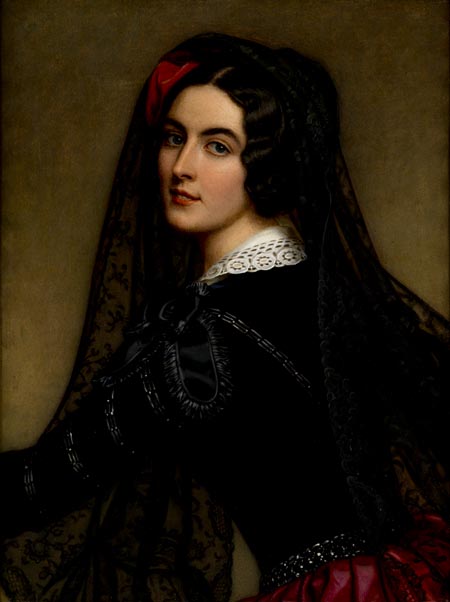
imagen: Portrait.gov.au  artista: Friedrich Durck,  Lola Montes  1848

imagen: Portrait.gov.au artista: Friedrich Durck, Lola Montes 1848

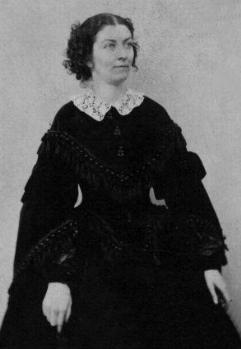
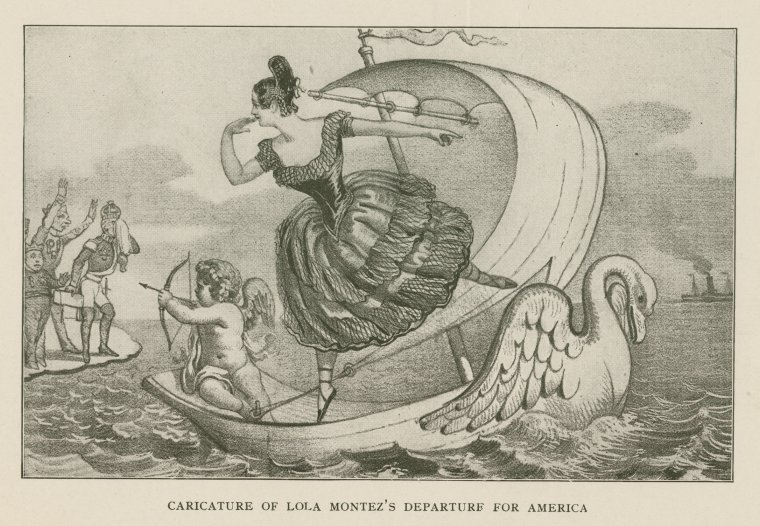
La bailarina “española” Lola Montez (1821-1861), neé Eliza Gilbert, embrujó por completo al rey Luis I de Baviera quien, al verla en un escenario de Munich, la tomó como amante y colmó de joyas y honores.

Más famosa por su belleza y temperamento que por su arte, Lola influyó de manera creciente sobre las decisiones políticas del soberano hasta que éste cayó en desgracia y se vio forzado a abdicar.

Lola huyó de Munich y, años más tarde, decidió mudarse a los Estados Unidos donde ofreció algunos shows y conferencias. Allí también publicó su autobiografía y un libro –“El Arte de la Belleza”con recetas y consejos.

Entre esas recetas encontramos este enjuague para embellecer y perfumar el cabello. Curiosamente, a pesar de su nombre, la miel no se cuenta entre los ingredientes.

Esencia de ambargris……………………1,75g

Esencia de almizcle………………………1,75g

Esencia de bergamota…………………..3,50g

Aceite de oliva…………………………….15 gotas

Agua de azahar……………………………120g

Espíritu de vino (alcohol etílico)……150g

Agua destilada…………………………….120g

Se mezclan todos los ingredientes. Se deja reposar el líquido obtenido unos 14 días, se filtra a través de un papel poroso y se embotella para poder usarse cuando sea necesario.

¡Les deseamos un buen fin de semana!

Caro y Virginia

Hemos encontrado dos versiones de esta receta: una que requiere el uso de aceite de oliva y otra que usa aceite de clavo de olor. Elegimos la primera por razones de seguridad.

foto: Beadinggem.com

foto: Beadinggem.com

Honey water – Recipe from a seductress

“Spanish” dancer Lola Montez (1821-1861) , neé Eliza Gilbert, bewitched King Ludwig I of Bavaria who, upon seeing her onstage in Munich, took her as a mistress and lavished her with jewels and honors.

More famed for her beauty and temper than for her art, Lola increasingly influenced the king’s political decisions until the ensuing scandal ended with the sovereign’s abdication.

Lola had to flee Munich and, in later years, decided to move to the United States where she gave some shows and lectures. There, she also published her autobiography and a book –The Arts of Beauty– with recipes and advice.

Among those recipes we found this wash, meant to beautify and scent the hair. Despite its name, honey is not among the ingredients.

Essence of ambergris……………………1 dram

Essence of musk…………………………..1 dram

Essence of bergamot…………………..2 dram

Olive oil…………………………………….15 drops

Orange flower water…………………….4 oz

Spirits of wine (ethyl alcohol)……….5 oz

Distilled water…………………………….4 0z

All the ingredients should be mixed together and left to rest for some 14 days. Then the whole must be filtered through porous paper and bottled for use.

We wish you a lovely weekend!

Caro & Virginia

We have found two versions of this recipe: one of them calls for the use of olive oil, the other uses clove oil. Due to safety concerns, we have chosen the first option.

imagen: En.wikipedia.org

imagen: En.wikipedia.org

Imágenes y perfumes – Inspiración china

foto: Virginia Blanco

foto: Virginia Blanco

La cultura china ha sido desde hace centurias un referente en muchos aspectos para la sociedad occidental. Ha causado una profunda fascinación, desembocando en una gran impronta en el pensamiento y la estética (artística, arquitectónica, indumentaria y decorativa), sobre todo en Europa.

Hoy en día, a pesar de la “cercanía globalizada”, China nos sigue atrapando con su exotismo y singularidad, incluso en la perfumería. Es el caso de estas tres fragancias que, a pesar de diferir mucho entre sí -olfativa y conceptualmente-, afirmamos sin duda alguna que nos transportan al Lejano Oriente: Coromandel (Chanel Les Exclusifs), Epic Woman (Amouage) y Chinatown (Bond No9). Todos ellos han sido reseñados en este blog (pueden leer cada review clickeando en sus correspondientes enlaces).

Nos gustaría saber, ¿qué otros perfumes de inspiración china conocen o han usado?

Virginia y Caro

foto: Virginia Blanco

foto: Virginia Blanco

Pictures and perfumes – Chinese inspiration

For centuries Chinese culture has been in many aspects a source of inspiration to western society. It has caused deep fascination, leading to a large imprint on ideas and aesthetics (artistic, architectural, clothing and decorative), especially in Europe.

Today, despite of the “globalized closeness”, China still lures us with its exoticism and uniqueness, even in perfumery. That is the case of these three fragrances, though vastly different  –conceptually as well olfactory- from one to another, we affirm without a doubt that all of them take us to the Far East: Coromandel (Chanel Les Exclusifs), Epic Woman (Amouage) and Chinatown (Bond No9 ). They have already been reviewed in this blog (you can read each one following their corresponding links).

We wonder, are there other Chinese-inspired perfume you know of or have worn?

Virginia & Caro

foto: Virginia Blanco

foto: Virginia Blanco

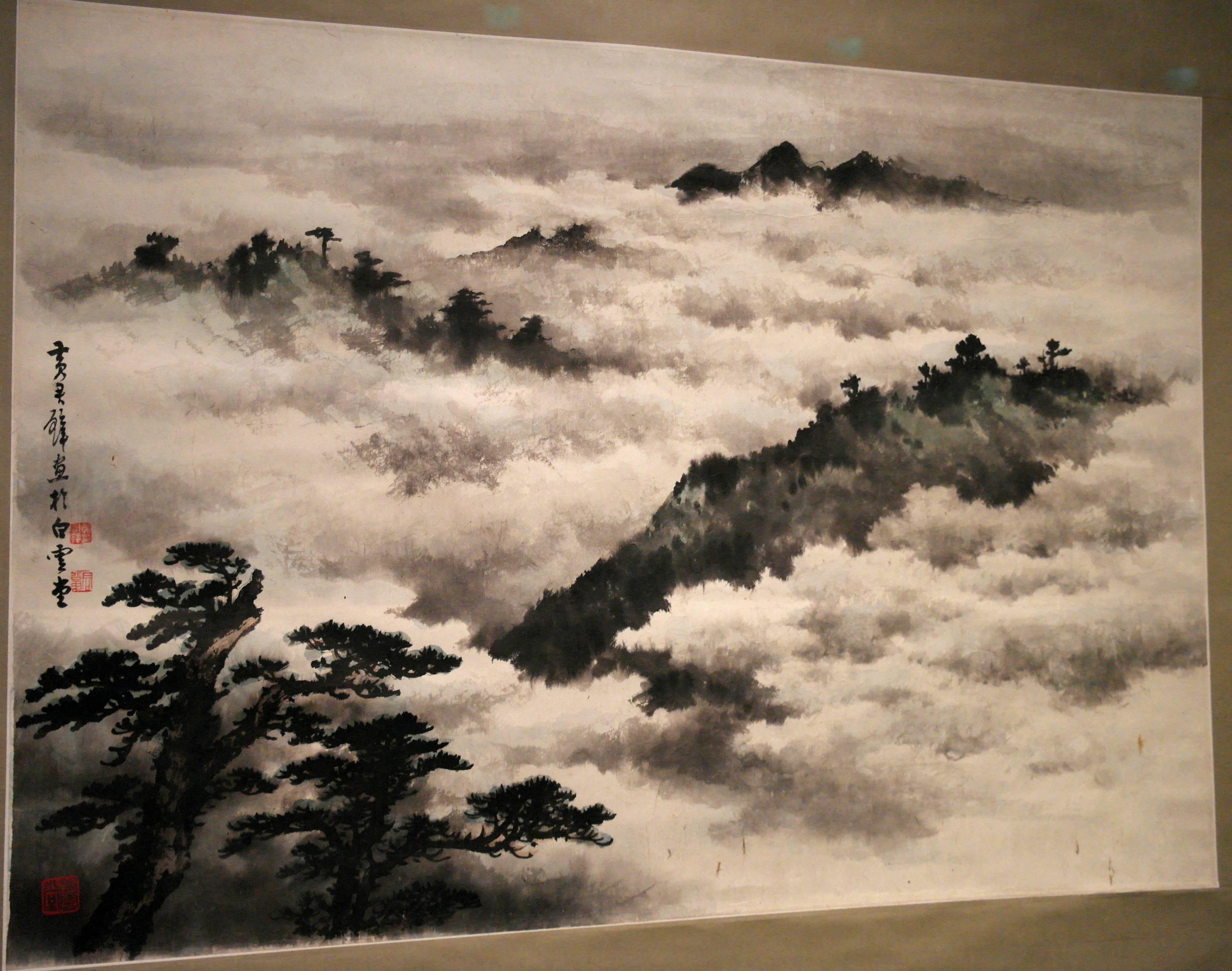
Paisaje de montaña brumosa, tinta sobre papel     artista: Huang Junbi(1898-1991)       foto: Virginia Blanco

Paisaje de montaña brumosa, tinta sobre papel artista: Huang Junbi(1898-1991) foto: Virginia Blanco