Tag Archives: mandarina – tangerine

Robert Piguet Visa – Para comerte mejor

foto: Nycityeats.com

Aunque la bomba sexy Fracas y la chica mala Bandit sean probablemente las primeras en acudir a la mente cuando se menciona la casa Piguet, todas las fragancias de su línea clásica valen la pena ser probadas.  

Visa, un embriagador gourmand oriental, fue creado por Germaine Cellier, en 1945, durante la vida del couturier Robert Piguet. Mucho más tarde, en 2007, fue reorquestado por Aurelien Guichard y es esa versión la que se encuentra disponible hoy.

Promocionado como “el pasaporte (de quien lo porta) a un encuentro exótico”, Visa no  resulta tan extraño como sugiere el slogan, aunque sí especialmente adictivo y apetitoso. Este gourmand perfectamente equilibrado y que conjura frutas maduras (bergamota,  mandarina y pera, pero más manifiestamente durazno), desbordantes de néctar, me mantiene oliendo febrilmente mis muñecas. 

El corazón es ricamente floral, presidido por un bouquet clásico de flor de naranjo, rosa e ylang-ylang. Notas amaderadas de patchouli y sándalo prevalecen en el fondo, que es dulce, avainillado y suavemente polvoriento, evocador de cuero (¿Las valijas infaltables para este viaje?) fino espolvoreado con azúcar impalpable. Suena extraño, huele delicioso.

Visa es un claro ejemplo de cómo deben ser los gourmands: complejos y  seductores, mas nunca literales. No huele como un postre, pero inspira ganas de serlo.

Caro

Origen de la muestra: cortesía de Perfumerías Nadia, Madrid

foto: Robertpiguetparfums.com

Robert Piguet Visa – The better to eat you with

While bombshell Fracas and bad girl Bandit are probably the first perfumes that spring to mind when the house of Piguet is mentioned, all of their classic fragrances are worth a try.  

Visa, an inebriating oriental gourmand, was created by Germaine Cellier in 1945, during couturier Robert Piguet‘s lifetime. It was reorchestrated, much later, in 2007, by Aurelien Guichard and that is the version which is available today. Touted as “its wearer’s passport to an exotic encounter”, we find Visa far less exotic than the slogan suggests but nonetheless addictive and mouthwatering.

A perfectly balanced gourmand that conjures ripe fruits (bergamot,  mandarin  and pear, but most prominently peach), dripping with nectar, it keeps me feverishly sniffing my wrists. The heart is richly floral, presided by a classical bouquet of orange flower, rose and ylang-ylang. Woody notes of patchouli and sandalwood prevail in the drydown which is sweet, vanillic and softly powdery, evocative of fine leather (the indispensable suitcases for this journey?) sprinkled with icing sugar. Sounds weird, smells delicious.

This is, we think, what gourmands should be like: complex, seductive but never literal. It doesn’t smell like dessert but inspires one to become one.

Caro

Origin of sample: Courtesy of Perfumerías Nadia, Madrid

Rancé 1795 Laetitia – Madame Mère

imagen: costumes.org

La familia Rancé comenzó a producir guantes perfumados en Grasse, en los años 1600. A finales del siglo siguiente, se especializó en la elaboración de fragancias finas. Se dice que Francois Rancé fue el perfumista favorito de Napoleón y que creó varios perfumes para él. Hoy la casa basa su éxito en la imaginería bonapartiana que inspira sus mezclas y en la gran calidad de sus delicadas fragancias, que agradan especialmente a aquellos de gustos clásicos.

Laetitia fue inspirado por Maria Letizia Ramolino (1750-1836), madre de Napoleón. Nacida en Córcega en el seno de una familia noble, esta mujer fuerte y de belleza severa montaba a caballo durante sus embarazos, insistía en que sus niños se bañaran día por medio en una época en la que una vez al mes era considerada suficiente y se rehusó a aprender Francés incluso luego de que Córcega pasara a formar parte de Francia. Enseñó a sus hijos -a través del ejemplo- moderación en la prosperidad y grandeza de alma ante la adversidad.

Al rociar el perfume, una nube cítrica y especiada de bergamota,  mandarina  y nuez moscada eleva instantáneamente nuestro ánimo. En seguida se manifiesta una fuerte nota de patchouli que envuelve un radiante corazón floral de rosa búlgara, azahar, glicina y magnolia. Las flores prestan sofisticación a esta mezcla donde impera el patchouli y la cálida cualidad solar del azahar y la magnolia se hace especialmente evidente.

En una base maravillosamente dorada el ambar, la vainilla y el bálsamo de Tolu  logran endulzar la mezcla, pero es -¡Sí, adivinaron!- el omnipresente patchouli quien brinda equilibrio y evita que el perfume se torne empalagoso.

Laetitia huele muy natural (un rasgo común a todas las propuestas de Rancé) y tiene una longevidad excelente. Es una fragancia refinada pero desprovista de timidez y enfática sin rozar la vulgaridad. Como la mismísima Madame Mère.

Caro

Origen de la muestra: muestra cortesía de Perfumería Nadia, Madrid

foto: zentraldrogerie.com

Rancé 1795 Laetitia – Madame Mère

The Rancé family started producing perfumed gloves in Grasse in the 1600s. In the late 1700s, they specialized in the making of fine fragrances. It is said  Francois Rancé was Napoleon‘s favorite perfumer and that he created many perfumes for him. Today the house bases its success on the Bonapartian imagery that inspires their blends and in the great quality of their delicate fragrances which appeal mostly to classical tastes.

Laetitia was inspired by Maria Letizia Ramolino (1750-1836), mother of Napoleon. Born in Corsica to a noble family, she was a strong woman of severe beauty who rode horses through her pregnancies, insisted that her children  should bathe every other day in a time when once a month was the norm and refused to learn French even after Corsica became part of France. She taught -through example- moderation during prosperity and greatness of soul during adversity.

Upon spraying the fragrance, a citrusy and spicy cloud of bergamot,  mandarine and nutmeg instantly lifts our moods. Soon a strong patchouli note envelops the radiant floral heart of Bulgarian rose, orange blossom, wisteria and magnolia. The flowers lend sophistication to the patchouli-dominant blend and the warm solar quality of orange blossom and magnolia is especially evident.

In a wonderfully golden base amber, vanilla and Tolu balsam manage to sweeten the fragrance, but it is -you guessed it- the omnipresent patchouli which provides balance and prevents the blend from becoming too sweet.

Laetitia smells very natural (a trait common to all Rancé offerings) and has excellent longevity.  The fragrance is refined but devoid of shyness and emphatic without verging on vulgarity. Just like Madame Mère herself.

Caro

Origin of sample: sample courtesy of Perfumería Nadia, Madrid

Les Parfums de Rosine Une Rose au Bord de la Mer – Gentil brisa marina

imagen: Bertc.com        John George Brown        “Sunshine”, 1879

Perpetúo con convicción la creencia de que la rosa es la indiscutida reina de las flores. Puede presentarse bajo infinidad de aspectos. Sus colores abarcan desde el blanco más puro a casi negro; del lila pálido a  las tonalidades ígneas del atardecer. Su aroma puede ser punzante, licoroso, seco o embriagadoramente dulce y con reminiscencias de miel.

Les Parfums de Rosine, casa fundada por Marie Helene Rogeon, rinde adecuado tributo a la esta flor y sus muchas encarnaciones. Sus perfumes son bonitos, despojados de pretensiones y sólidamente construídos. Hoy me topé con el más ligero de todos ellos.

Une Rose Au Bord de la Mer  -disponible sólo en concentración Eau Fraîche– es un floral marino, una variación sobre Ecume de Rose.  Aquí “marino” no debería entenderse como acuático sino como referente a las inmediaciones del mar. Abre cítrico, con naranja amarga, mandarina y una bergamota aún más pronunciada.

En el corazón, el absoluto de rosa  se combina con jazmín mientras que una nota de siempreviva evoca los pastos silvestres que crecen entre la arena.  Al igual que la brisa marina, este perfume salpica ligeramente con espuma salada y trae un ligero matiz metálico que recuerda al olor del yodo. Lo encuentro tan vigorizante como una caminata junto al mar.

Durante el transcurso del día, inmersa en otros pensamientos, buscaba a mi alrededor tratando de detectar el origen de este mágico aroma. Si el color blanco tuviera un olor, seguramente sería muy parecido a este. Une Rose Au Bord de la Mer logra conservar su cualidad etérea a través del fondo almizclado. 

Caro

Origen de la muestra: Cortesía de Perfumería Nadia, Madrid

foto: Liberty.co.uk

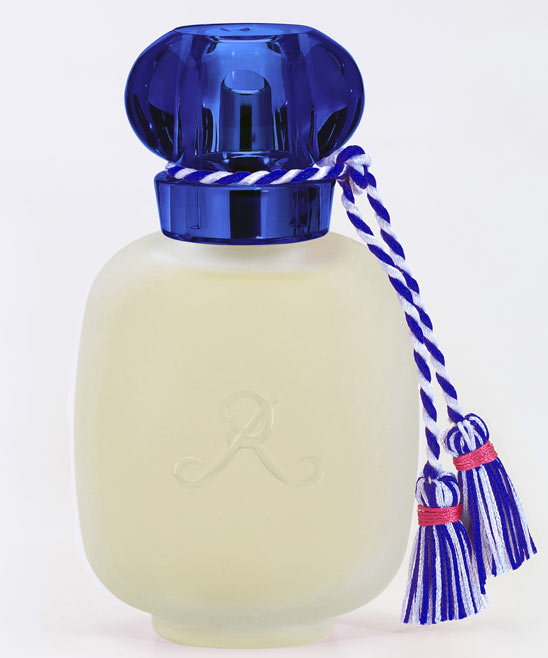
Les Parfums de Rosine Une Rose au Bord de la Mer – Gentle sea breeze

I strongly sustain the belief that rose is the indisputed queen of flowers. She can take many guises: her color can range from the purest white to almost black; from pale lilac to the fiery hues of sunset. Its smell can be piquant, boozy, dry or inebriatingly sweet, redolent of honey.

Les Parfums de Rosine, a house founded by Marie Helene Rogeon, pays fitting tribute to this flower and its many incarnations. Their fragrances are pretty, devoid of pretense and solidly constructed. Today I met the lightest of them all.  

Une Rose Au Bord de la Mer  -available only in Eau Fraîche concentration- is a marine floral, a variation on Ecume de Rose.  Here “marine” shouldn’t be understood as aquatic but more like the environs of the sea. It opens citrusy, with bitter orange, mandarin and an even more pronounced bergamot.

In the heart, rose absolute is paired with jasmine while an immortelle note evokes the wild grass growing in the sands.  Much like the seaside breeze, this fragrance splashes lightly with salty froth and bears a slight metallic tinge that evokes the smell of iodine. I find it as invigorating as a stroll by the sea.

During the course of the day, immersed my thoughts, I kept looking around to find where this magical aroma was coming from. If the color white had a scent, it would surely be akin to this. Une Rose Au Bord de la Mer manages to retain its ethereal quality well through the musky drydown. 

Caro

Origin of sample: Sample courtesy of Perfumería Nadia, Madrid