Category Archives: Archivo – Archives

Guerlain Shalimar (vintage) – Himno al Amor

imagen: En.wikipedia.org Mumtaz Mahal

No sucede con frecuencia que un perfume sobrepase su status de clásico para tornarse legendario.

Shalimar lleva la marca de los 1920’s, la época en que fue creado y en la que su uso fue considerado un tanto impropio (bueno, también lo fueron el tango y el vals!). A pesar de esto, se ha hecho popular con al menos cuatro generaciones de mujeres y aún hoy se erige como la quintaesencia del perfume oriental.

Su nombre significa “morada del amor” en Sánscrito y proviene de los Jardines de Shalimar, en Lahore, donde el emperador Shaha Jahan solía pasear con su amada esposa, Mumtaz Mahal. Más tarde, él construiría el mausoleo Taj Mahal para honrarla luego de su prematura muerte.

Shalimar fue creado por Jacques Guerlain e hizo su debut en 1925, en la Exposition Internationale d’Arts Decoratifs, aunque la fragancia ya había estado lista unos pocos años antes. Su botella, de inspiración orientalista, fue diseñada por Raymond Guerlain, en contra las tendencias puristas, cubistas y Art Deco de ese entonces.

Shalimar envejece bien. No es infrecuente encontrar botellas viejas con su contenido en perfectas condiciones. A veces la bergamota de la salida puede haberse desvanecido o haber perdido algo de su efervescencia, pero las notas medias y de base mantienen la magia de su avainillada y atalcada sensualidad.

La fragancia abre con una bergamota astringente y chispeante, que es magistralmente contrapuesta sobre un fondo de vainilla cremosa y atalcada. El ingrediente usado, la etilvainillina, era nuevo en esos tiempos. Esta vainilla le otorga una increíble sensualidad a la mezcla, con su carácter ahumado y matices fauvistas. El líquido no es dulce en la manera pueril en que la mayoría de los perfumes lo son hoy día: este no es ningún postre, ya que la Guerlinade suma su deliciosa plenitud carnal. La Guerlinade es un acorde de notas (bergamota, rosa, jazmín, tonka, orris, resinas, notas animales y vanilla) que casi todos los perfumes Guerlain comparten, especialmente los más antiguos.

El extracto vintage es bello y profundo. Su tenacidad hace que perdure horas y horas en la piel, dejando un aura de oscura vainilla.

Caro

Origen de la muestra: botella de extracto comprada en perfumería Togat’s, Buenos Aires

Aquellos seriamente interesados en los perfumes Guerlain seguramente disfrutarán del impresionante y comprensivo blog de Monsieur Guerlain
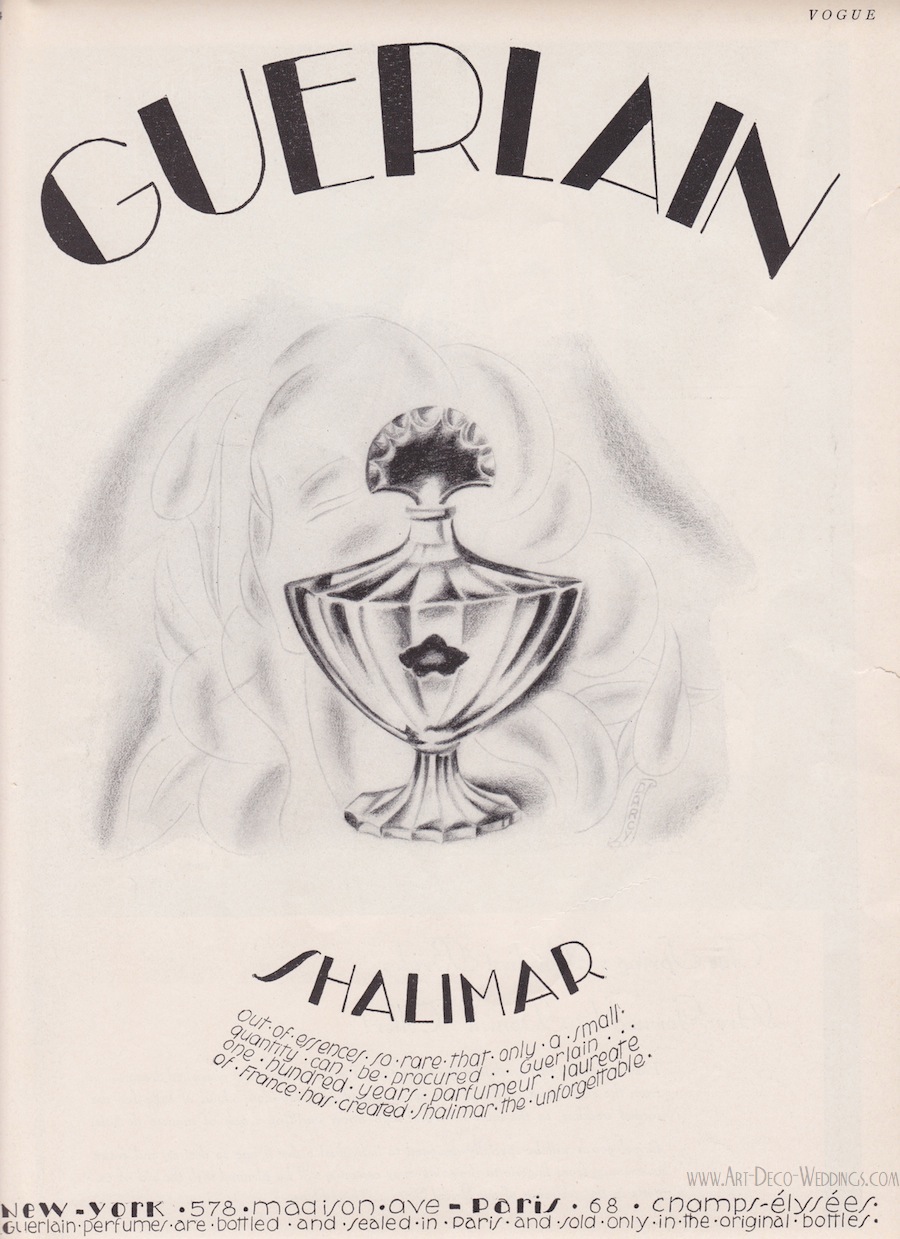
imagen: Art-deco-weddings.com

Guerlain Shalimar (vintage) – Hymne a l’Amour

It is not often that a fragrance surpasses the status of classic and becomes a legend.

A fragrance that bears the mark of the 1920s, the time when it was created, Shalimar was deemed a bit improper back in its day (well, so were the tango and the waltz!). In spite of this, it has become popular with at least four generations of women and stands, still today, as the quintessential oriental fragrance.

Its name means ”abode of love” in Sanskrit and it derives from the Shalimar Gardens in Lahore, where emperor Shaha Jahan would spend time with his beloved wife, Mumtaz Mahal. He later built the mausoleum Taj Mahal in her honour, after her untimely death.

Shalimar was created by Jacques Guerlain and made its debut in 1925, at the Exposition Internationale d’Arts Decoratifs, although the fragrance itself was ready a few years before .  Its bottle was designed by  Raymond Guerlain in orientalist manner, against the then-current trends of purism, cubism and Arte Deco.

Shalimar ages well. It is not uncommon to find old bottles with the contents in perfect condition. Sometimes the bergamot top note might have vanished or lost some of its sparkle, but the heart and base notes keep the magic of its powdered vanillic sensuality.

The fragrance opens with astringent, sparkly bergamot  which is masterfully contrasted against a background of creamy and powdery vanilla. The ingredient used, ethylvanillin, was new at the time. This vanilla lends an incredibly sensuous quality to the blend, with its smokiness and fauvist undertones. The precious liquid isn’t sweet in the puerile way most fragrances are  nowadays: this is no dessert, as the Guerlinade adds its wonderful carnal  fullness to the juice. The Guerlinade is an accord of notes (bergamot, rose, jasmine, tonka bean, orris, gum resins, animal notes and vanilla) that nearly all Guerlain perfumes share, especially the older ones.

The vintage extrait is beautiful and deep. It lasts for hours and hours on the skin, leaving a dark vanillic aura.

Caro

Origin of sample: extrait bottle purchased at Perfumería Togat’s, Buenos Aires

I think anyone seriously interested in Guerlain fragrances will enjoy Monsieur Guerlain’s impressive and comprehensive blog.

Ormonde Jayne Ormonde Woman – En un bosque mágico

imagen: Cardiff.ac.uk      artista: Arthur Rackham ”Titania Lying Asleep”

La línea Ormonde Jayne  fue creada por Linda Pilkington en el año 2002. En sus fragancias, ella elige mezclar aceites especiales que no se utilizan masivamente en perfumería y que, como resultado, brindan una identidad distintiva a sus creaciones.

Sus perfumes huelen naturales aunque no simplones, originales pero no extraños. Estos exquisitos aromas se presentan en frascos igualmente exquisitos. Tengo -y atesoro- un pure parfum Ormonde Woman en botella de cristal. Esta es una fragancia como ninguna otra. Al menos, como ninguna otra que yo conozca.

Suficientemente compleja como para ser interesante, pero también suficientemente simple como para ser disfrutada, Ormonde Woman es profundamente verde, resinosa y ligeramente amarga. No la clasificaría como un chipre, aunque definitivamente presenta un aire de familia.

Huele más como un lugar que como un perfume: Ormonde Woman  me transporta instantáneamente a un bosque dentro de un cuento de los hermanos Grimm, un lugar más probablemente habitado por hechiceras que por lánguidas princesas que esperan en vano a su príncipe; un bosque donde el sol brilla apenas lo suficiente como para proyectar misteriosas sombras en el suelo musgoso. Una fragancia solitaria y meditativa, su espíritu es introspectivo y, por momentos, casi sombrío. 

La fragancia abre con notas especiadas de cardamomo y coriandro. Luego,  jazmín y violetas -apenas perceptibles- redondean y suavizan la composición. El aceite de pasto y la cicuta negra aportan verdor y esa preciosa cualidad resinosa que es la esencia misma de este perfume. En el fondo, cedro y vetiver reafirman la personalidad amaderada y terrosa de Ormonde Woman. Su evolución es bastante lineal, pero adoro el hecho de que huela como parte de mí y no como una sustancia extraña sobre la piel.

Caro

Origen de la muestra: Frasco de pure parfum, regalo de una amiga

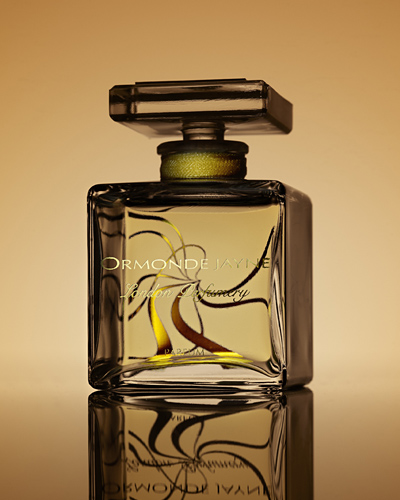
foto: Ormondejayne.com

Ormonde Jayne Ormonde Woman – In a magical forest

The Ormonde Jayne line was created by Linda Pilkington in 2002. In her fragrances she chooses to blend specialty oils that are not widely used in perfumery and which lend a distinctive identity to her creations.

Her perfumes smell natural yet not plain, original but not weird. These exquisite scents come in equally exquisite bottles. I own and cherish a crystal flacon of Ormonde Woman pure parfum, a fragrance unlike any other. At the very least, unlike any other I know.

Complex enough to be interesting and easy enough to be enjoyed, Ormonde Woman is deeply green, resinous and slightly bitter. I wouldn’t classify it as a chypre, but it definitely has a chypre-ish quality. It smells more like a place than like a perfume. Ormonde Woman instantly takes me to a forest in a Grimm Brothers fairy tale, a place most likely inhabited by sorceresses than by languid princesses who wait in vain for their princes; a forest where the sun shines only enough to cast mysterious shadows on the moss covered soil. A solitary and meditative fragrance, its spirit is introspective, almost somber at times. 

The fragrance opens with spicy notes of cardamom and coriander. Then, barely noticeable jasmine and violets round the composition and add smoothness to it. Grass oil and black hemlock lend verdancy and that precious green resinous quality that is the very essence of this fragrance. in the base, cedarwood and vetiver reaffirm Ormonde Woman‘s woody, earthy personality.

The evolution is quite linear, but I love the fact that it smells like part of myself and not like some alien substance sitting on my skin.

Caro

Origin of sample: Pure parfum bottle, gift from a friend

Bond No.9 Chinatown – Estallido technicolor

foto: Santarosaredwhiteandboom.com

La primera vez que olí Chinatown no pude entenderlo. Sólo percibí una enorme explosión de dulzura, como si una imaginaria niña vestida de rosa explotara insolentemente un imaginario globo de chicle de gardenia y cardamomo ante mis narices.

Soy paciente  y creo que es mejor aproximarse con sentido del humor a la mayoría de los perfumes Bond No.9, así que decidí darle otra oportunidad a esta creación de  Aurélien Guichard.  Fue entonces cuando logré captar todos los matices sutiles que la tornan interesante y la diferencian de otras mescolanzas dulzonas. 

La salida es dulce y aterciopelada con una nota de flor de durazno que se siente casi almibarada. La gardenia y la tuberosa pronto se cuelan en esta fiesta floral y amplifican el volumen.  El cremoso sándalo, el cardamomo picante y la dulce vainilla que se suman luego hacen agua la boca.  En el fondo, maderas lustradas y volutas de incienso tornan la mezcla reconfortante y ligeramente meditativa a la vez.  También aportan una cualidad resinosa que la hace más interesante, más viva.

Chinatown flirtea cómodamente con las grandes flores blancas, con el sándalo y cedro y con la vainilla sin jamás tornarse completamente floral, amaderado o gourmand.

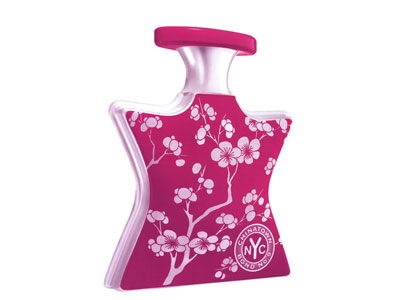
Su longevidad es sobresaliente y la botella -en mi opinión- una de las más bonitas de toda la línea.

Chinatown es un perfume ENORME. Acérquense con cuidado. Disfrútenlo.

Caro

Origen de la muestra: Botella comprada en Perfumerías Rouge, Buenos Aires

foto: Perfumeriasrouge.com

Bond No.9 Chinatown – Technicolor burst

The first time I sniffed Chinatown I just couldn’t understand it. I only perceived an explosion of sweetness, as if an imaginary girl dressed in pink was blowing bubbles with some imaginary gardeniacardamom bubblegum and bursting them insolently before my face.

I am patient and I think that most Bond No.9 fragrances are best approached with a sense of humour so I decided to give this Aurélien Guichard creation another try.  It was then when I managed to detect all the subtle nuances that make it interesting and genuinely different from other sweetish concoctions. 

The opening is sweet and velvety with a peach blossom note that feels almost syrupy. Gardenia and tuberose soon crash into the flower party, amplifying the volume. The creamy sandalwood, spicy cardamom and sweet vanilla that join in later are truly mouthwatering. In the base, polished woods and swirls of incense render it comforting and slightly meditative at the same time. They also add a resinous quality that makes it more interesting, more alive.

Chinatown flirts comfortably with the huge white flowers, with the cedar, sandalwood and vanilla without ever becoming completely floral, woody or gourmand.

The lasting power is outstanding and the bottle is -in my opinion- one of the prettiest of the whole Bond No.9 line.

Chinatown is a BIG fragrance. Approach it with caution. Enjoy.

Caro

Origin of sample: Bottle bought at Perfumerías Rouge, Buenos Aires

Fragonard Fleur de Vanille – Un juego gourmand

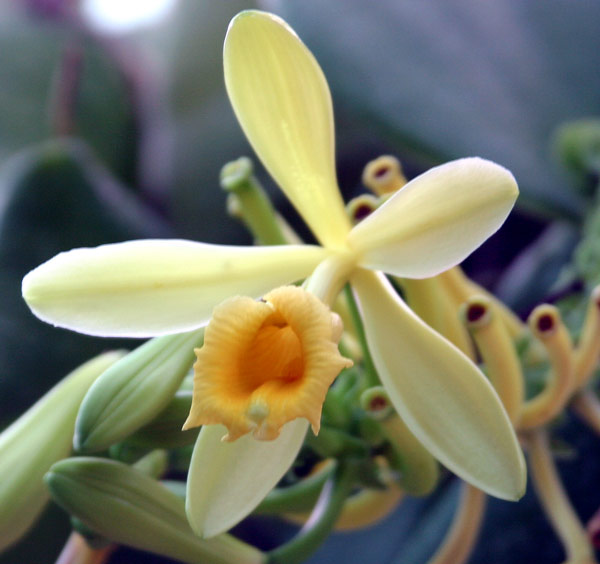
foto: Aujardin.org

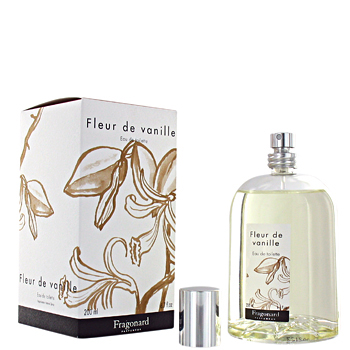
En el amplio menú de las eaux de toilette de la casa Fragonard, nos detenemos esta vez en una fragancia digna de ser ubicada en la sección de los ‘postres’: Fleur de Vanille.

De una sencillez magistral, entrelaza sus notas para ser degustadas y apreciadas lentamente, sin distinción de género. Al sólo olfato y, se percibe en el aire un acorde perfecto de vainilla, entre polvorosa y ligeramente licorosa. En ese instante, las glándulas salivales comienzan a trabajar y ya no hay vuelta atrás.

El impulso de aplicarlo sobre la piel es irresistible. Luego de sucumbir ante tal poderosa tentación, nos despista un guiño de almendra amarga. Entonces parece que surge la vainilla, pero es una falsa alarma: en realidad era un agrio caramelo de benjuí. Evidentemente, la vainilla está jugando a las escondidas con nosotros.

Otra falsa pista: el cálido y dulce chocolate con leche, que trae de vuelta al caramelo pero esta vez recubierto con ylang-ylang. Por fin, dejamos de hurgar minuciosamente en el ‘plato de postre’ y, antes de rendirnos, ¡voilá!… todo cierra olfativamente. ¡Piedra libre para la vainilla que está detrás de este delicioso manjar!

Virginia

Origen de la muestra: obsequio de un familiar.

Nota: esta reseña fue publicada en el blog Notas & Acordes el 30/11/11.

foto: Fragonard.com

Capturando el espíritu del perfume – Entrevista a Frédéric M. Thibaud

Las fragancias entran primero por los ojos. La forma, color y material con que está confeccionado un frasco nos adelanta visual y -por qué no?- táctilmente de qué se trata el perfume que estamos por sentir.

El diseño de botellas de perfumes ha sido desde siempre parte fundamental del mensaje que emite el aroma en cuestión. Al punto que muchas de ellas se transforman en auténticas piezas de colección.

Para introducirnos en el tema, conversamos con Frédéric Michel Thibaud. Él es un diseñador independiente de frascos de perfumes (pueden ver algunos de sus trabajos en su website) y vive en la “Meca de la Perfumería”: la ciudad de Grasse. Agradecemos su amable participación en esta entrevista.

– ¿Qué nos puede contar acerca de usted y de su métier?

Siempre he sido creativo. Luego de 25 años de trabajo mecánico, de la mano con una pasión por las computadoras y el pensamiento inventivo, comencé a diseñar en serio cuando alguien me pidió que creara un alambique en miniatura para su nueva asociación. No sólo fuí capaz de diseñarlo sino también suministré los planos y la información técnica para reproducirlo a gran escala. Poco tiempo después, en 2008/2009, creé para ellos otros 4 productos relacionados con los perfumes. Viviendo en Grasse, apunté al diseño de botellas de perfume y, ya confiado en mis habilidades me lancé por mi cuenta como freelance en 2009.

-¿Dónde aprendió su profesión?

Siendo el hijo de un exitoso vendedor de botellas y trabajando por muchos años creando herramientas para hacer botellas. Pude aprender CAD en mi tiempo libre. Por muchos, muchos años siempre he usado la computadora para comunicar mis ideas, comenzando por planos en 2D y poco a poco con 3D. El diseñar es un don natural en mí, siempre he estado creando en mi mente, todos los días. Hoy puedo traducir mis pensamientos en imágenes.

– ¿Cómo es el proceso de diseño de un frasco de perfume?

Empieza con la inspiración, la cual puede venir del brief del cliente o de mi propias ideas. Luego lo dibujo a mano, seguido por los dibujos en 3D y finalmente hago el modelo volumétrico virtual en 3D, listo para ser moldeado por los fabricantes de la botella y de la tapa.

– ¿Qué se requiere para que una botella resguarde su contenido?

Para asegurar el uso cómodo del consumidor, la forma de una botella de vidrio tiene su importancia junto con la correcta concepción del cuello de la botella, para eliminar los riesgos de pérdida. En lo referente a las fragancias sensibles a la luz, el acabado juega un rol importante en ello.

– ¿Cuál es la conexión entre la botella y el jugo?

Cuando un cliente me entrega un brief intento alinearme al estilo indicado, por supuesto. Pero para mí, la mayoría de las veces, mis mejores diseños de frascos provienen de la necesidad de crear una forma nueva y única que acompañe al espíritu del perfume.

– ¿Existen tendencias de diseño de frascos o podría decirse que es un arte libre?

Están ambos en este trabajo. Las tendencias son un estilo, pero un diseñador debe inventar y crear las tendencias así como también para mí, el diseño es un arte libre.

-Si tuviera que elegir de entre sus propias creaciones ¿cuáles son sus preferidas?

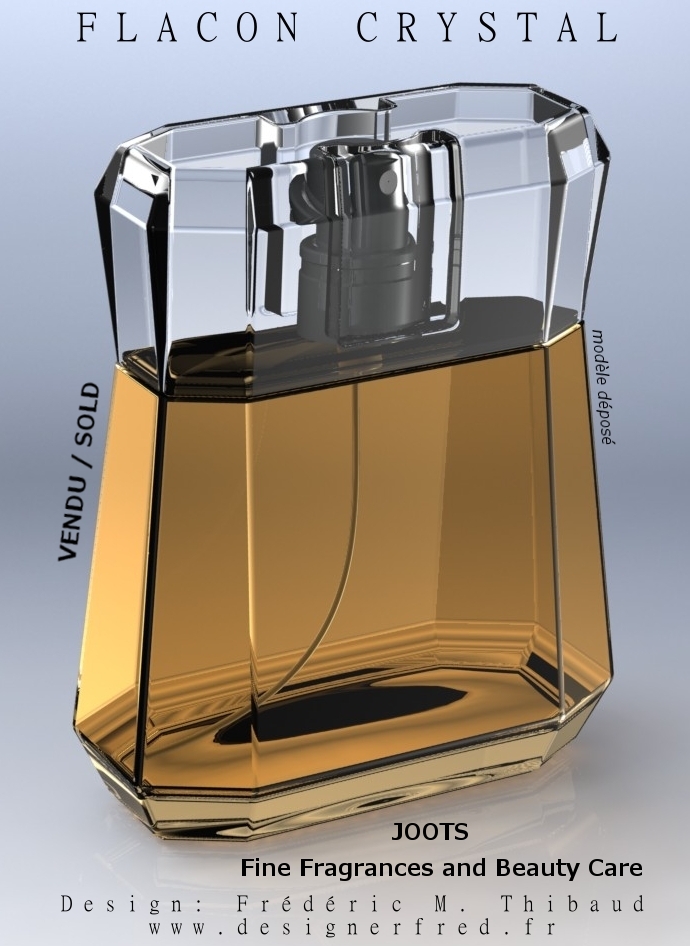
Amo a uno de mis primeros diseños, el cual tiene dos superficies superiores: el “Flacon Fontaine”. También representa mi debut en el diseño de botellas. El “Flacon Crystal” también está en mi top list. Pero amo a todos mi trabajos, tal como un padre ama a sus hijos.

– ¿A cuáles diseñadores de botellas de perfume usted admira?

A todos aquellos que dedican su vida al diseño, porque esa es también mi meta. Pierre Dinand, por el trabajo de toda su vida.

– ¿A qué botella histórica usted más admira?

La de Fendi by Fendi (1985) por Pierre Dinand. Me encanta su perfil bajo y su elegante tapa.

-En su opinión ¿la perfumería es un arte?

Por supuesto que sí. Y amo estar relacionado con ella.

Virginia

Nota: esta entrevista fue publicada en el blog Notas & Acordes el 30/05/12.

imagen: gentileza de Frédéric M. Thibaud

Capturing the spirit of the perfume – Interview with Frédéric M. Thibaud

The fragrances enter first through our eyes. The shape, color and material of a bottle gives us a visual and -why not?- tactile preview of the perfume that we will smell.

The perfume bottle design has always been a fundamental part of the message emitted by the perfume. Going further, many bottles become authentic collection pieces.

To introduce us to the subject, we talk with Frédéric Michel Thibaud. He is an independent perfume bottle designer (you can see some samples of his designs in his website) and he lives at Grasse (the Mecca of Perfumery). We thank him for his kind participation in this interview.

– What can you tell us about you and your métier?

I’ve always been creative, and after 25 years of mechanical work coupled with a passion for computers, and inventive thinking, I started out serious design work when someone asked me to create a miniature alambic for his newassociation. Not only was I able to design it, but I furnished the plans and technical information to reproduce them in large series. Shortly after in 2008 –2009 I created 4 more perfume related products for them. Living in Grasse I aimed for the perfume bottle design, and now confident of my abilities, I launched out Freelance in 2009.

– Where did you learn your profession?

Being the son of a successful bottle salesman, working for many years creating bottle tooling, I was able to learn about C.A.D. in my free time, for many many years, I’ve always used the computer to communicate my ideas, starting out with 2D plans, slowly learning 3D. Designing for me is a natural gift, I’ve always created almost every day in my mind, and today I translate my thoughts into pictures.

– What is the process to design a perfume bottle?

First the inspiration, which may come from a client’s brief or my own free thinking, then the hand sketch, followed by 3D drawings, and finally the volume engineered 3D virtual model, ready for the mold makers of the bottle and over cap.

– What is required for a bottle to protect its content?

The shape of a glass bottle has an importance, to enable comfortable use of the end user, along with the correct conception of the bottle neck, to eliminate the risk of leaks. As for light sensitive fragrances, the finishing can play a role in that.

– What’s the connection between the bottle and the juice?

When a client gives me a brief, I try to align the style of course, but most of the time for me, my best bottle designs come from needing to create a new and unique shape, with the spirit of the perfume.

– Are there design trends or is it a kind of free art?

Both are at work here, the trends are a style, but a designer must invent and create the trends, so true design is free art, for me.

– If you had to choose from your own creations, which are your favorite designs?

I love one of my first designs, which has 2 superior top surfaces, the “Flacon Fontaine”, also represents my debuts in bottle design. The “Flacon Crystal” is also on my top list, but I love all my work, like a father loves his children.

– Which perfume bottle designers you admire?

All of the designers who make a living from bottle design, because thats my goal. Pierre Dinand, for his lifelong work.

– Which historical bottle you admire the most?

Fendi by Fendi (1985) by Pierre Dinand. I love its low profile, and sleek over cap.

– In your opinion, is perfumery an art?

Yes, of course, and I love to be associated with it.

Virginia

Note: this interview was published at 05/30/12 in Notas & Acordes fragrance blog.

imagen: gentileza de Frédéric M. Thibaud