Tag Archives: cedro – cedarwood

Carner Barcelona Cuirs – Maderas, humo de pipa y cuero

foto: Massif-central.fr

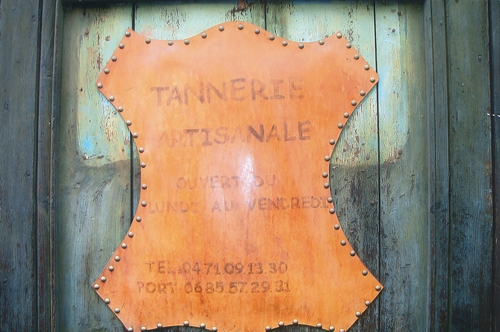
La casa Carner Barcelona  fue fundada en 2009 por Sara Carner. No resulta sorprendente que Carner -quien desciende de una larga línea de artesanos del cuero- quisiera crear una fragancia que evocara los ateliers donde trabajaban estos artesanos. 

La fragancia, convenientemente bautizada Cuirs, fue compuesta por la nariz Sonia Constant, quien también creó Guerlain Aqua Allegoria Tiaré Mimosa (2009), Tocca Brigitte (2009) y Van Cleef & Arpels First Premier Bouquet (2008)

No soy gran fanática del cuero a menos que de perfumes se trate; en tal caso, me convierto en ansiosa sommelier.  

Cuirs abre amargo y especiado con comino y azafrán. A no temer: el comino se comporta bien y no remite al sudor.  Apenas unos instantes más tarde la mezcla rebosa de maderas. Las distintas notas amaderadas son fácilmente identificables en esta etapa. La madera es una presencia constante en las creaciones de Carner  (cedro en D600; cedropalo de rosa en Tardes) pero en Cuirs aparece en una asombrosa sucesión de cedro, amyris, guayacosándalo australiano y oud, el equivalente olfativo a un estallido de fuegos de artificio (de madera).

Cuirs se torna ligeramente ahumado y dulzón, con matices de heno y tabaco que buscan evocar el humo de las pipas que llena el aire del atelier.  Encuentro especialmente interesante este pasaje de heno/tabaco a humo, como ilustración perfecta del gesto de encender una pipa. El acorde de cuero llega mucho, mucho más tarde y está redondeado por una suave nota de oud y la apacibilidad del haba tonka. Este es cuero que ya ha sido curtido y acariciado por las manos de los artesanos, quedando suave y flexible como una segunda piel.

Pese a la profusión de  maderascuero y tabaco, Cuirs logra retener la cualidad aireada e inmaterial del humo y nunca se torna pesado u opresivo. Su longevidad es excelente.

Caro
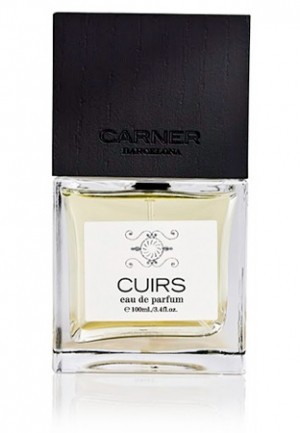
foto: Minnewyork.com

Origen de la muestra: Muestra cortesía de Perfumería Nadia, Madrid

Carner Barcelona Cuirs – Woods, pipesmoke and leather

Perfume houseCarner Barcelona  was founded in 2009 by Sara Carner. It only seemed fitting that Carner -who comes from a long line of leather artisans- wanted to create a fragrance that evokes the ateliers where these artisans worked.

The fragrance was aptly named Cuirs and was composed by nose Sonia Constant, who also created Guerlain Aqua Allegoria Tiaré Mimosa (2009), Tocca Brigitte (2009) and Van Cleef & Arpels First Premier Bouquet (2008)

I am not the biggest fan of leather except when it comes to fragrance; in that case, I turn into an eager sommelier.  

Cuirs opens bitter and spicy with cumin and saffron. Fear not: the cumin is well behaved, not redolent of sweat.  Just a few instants later the blend is brimming over with woods. The different woody notes are easily identifiable at this stage. Wood is a constant presence in every Carner creation (cedarwood in D600; cedar and rosewood in Tardes) but in Cuirs it appears in an amazing succession of  cedar, amyris, guaiacAustralian sandalwood and oud, the olfactory equivalent of (wood) fireworks.

Cuirs becomes slightly smoky and sweeter with nuances of hay and tobacco, which are meant to evoke the pipesmoke filling the air of the atelier. I find the passage from hay/tobacco to smoke especially interesting, as a perfect illustration of the gesture of lighting a pipe. The leather accord arrives much, much later and is rounded by a soft oud note and the gentleness of tonka. This is leather that has already been tanned and caressed by the hands of the artisans, rendered soft and pliable like a second skin.

Despite the profusion of woods, leather and tobacco, Cuirs manages to retain the airy, immaterial quality of smoke and never becomes oppressive or heavy. Its longevity is excellent.

Caro

Origin of sample: Sample obtained at Perfumería Nadia, Madrid

Diptyque Tam Dao – Zen en gotas

foto: Indochinapioneer.com

Tam Dao, de Diptyque, es una creación encantadora. Reconfortante y tranquilizador, es el equivalente embotellado de unos pocos minutos de meditación.

Abre con una nota verde y resinosa de ciprés. Luego es todo dulce sándalo entrelazado con un cedro que me recuerda los lápices de colores que, cuando niña, usaba en la escuela. En la base, apenas se insinúan vainilla y almizcle blanco. La evolución es bastante lineal, sin embargo en esta simpleza reside la belleza de Tam Dao.

Es un poco áspero, pero no inconcluso. Es esta misma aspereza lo que justamente lo hace oler más real. A veces simplemente menos es más, incluso para los amantes de las fragancias barrocas.

Tam Dao es lo suficientemente simple como para poder ser disfrutado sin perderse en cavilaciones y análisis. Trasciende graciosamente género y edad. Sólo flota, suspendido en el tiempo, e invita a flotar con él.

Caro

Origen de la muestra:  muestra obtenida en  Olfattorio Roma

foto: Diptyqueparis.com

Diptyque Tam Dao – Zen droplets

Diptyque‘s Tam Dao is a charming creation. Reassuring and grounding, it is the bottled equivalent of a few minutes of meditation.

It opens with a green and resinous cypress note. Then it becomes all sweet sandalwood intertwined with a cedarwood  note that reminds me of the colored pencils I used at school when I was a child. In the drydown, white musk and vanilla barely insinuate themselves. The evolution is quite linear but in this simplicity is where Tam Dao‘s beauty resides.

It feels somewhat rough, but not unfinished. The roughness somehow makes it smell more real. Sometimes less is just more, even for the lover of baroque fragrances.

Tam Dao is simple enough that it can be enjoyed without getting lost in analysis and musings. It gracefully transcends gender and age. It just floats, suspended in time, and invites to float along with it.

Caro

Origin of sample: sample obtained at Olfattorio Roma

Carner Barcelona Tardes – Ocio en una tarde de verano

foto: Tried-and-true.com

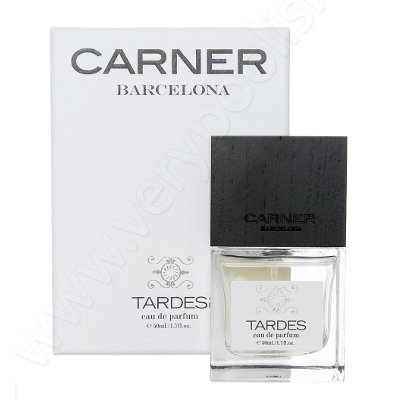
Tardes -compuesto por la nariz Daniela Andrier para Carner Barcelona– es una fragancia tan reconfortante y serena como la jornada de verano que intenta evocar.   Creo que sería difícil llevarla a la par que se realiza alguna actividad productiva, a excepción del disfrute de los placeres simples de la vida. Envolvente, protectora y relajada, es ideal para holgazanear en una tarde de domingo.

Una efímera salida de geraniorosa búlgara se endulza pronto con la adición de almendras y ciruela. Todo este dulzor se ve inteligentemente equilibrado con el carácter seco del palo rosa, cedro y apio. A no temer: no huele a crudités; el aroma es más similar al de las semillas del apio que a sus tallos.

El fondo de heliotropoalmizcle y tonka es irresistiblemente tierno. Es en la base donde Tardes comparte un cierto aire con Louve, de Serge Lutens (sin la pesada nota de jarabe de cereza) y con Teint de Neige, de Lorenzo Villoresi (aunque, por supuesto, mucho menos empolvado). Rara vez podemos resistir la  combinación heliotropo/almendra y Tardes no es la excepción: la mezcla retiene una cualidad aireada y su dulzor almendrado nunca llega a empalagar.  

Agrada especialmente en días nublados -para conjurar los rayos del sol- o simplemente cuando se necesita un persistente abrazo extra. 

Caro

Origen de la muestra: Gentileza de Perfumería Nadia, Madrid

foto: Nadiaperfumeria.com

Carner Barcelona Tardes – Summer afternoon leisure

Tardes -composed by nose Daniela Andrier for Carner Barcelona– is a fragrance as comforting and serene as the sunny Summer day it is meant to evoke.   I think I would have a hard time wearing it to any productive activity, except for the enjoyment of life’s simple pleasures: enveloping, cocooning and relaxed, it is ideal for lazying out on a Sunday afternoon.

An ephemeral opening of geranium and Bulgarian rose soon gets sweeter with the addition of almonds and plum. All this sweetness is cleverly balanced by the dryness provided by rosewood, cedarwood and celery. Fret not: it doesn’t smell like crudités; the scent is more reminiscent of celery seeds than stalks.

The drydown of heliotrope, musk and tonka bean is irresistibly cuddly. It is in the base where Tardes shares a certain vibe with Serge Lutens Louve (minus the heavy cherry syrup note) and with Lorenzo Villoresi Teint de Neige (but, of course, much less powdery). I can rarely resist the heliotrope/almond pairing and Tardes is no exception: the blend retains an airy quality and its almondy sweetness never becomes cloying. 

I especially love it on cloudy days -as a means to conjure sunshine- or when I just need a persistent extra hug.

Caro

Origin of sample: Courtesy of Perfumería Nadia, Madrid

Les Parfums de Rosine Poussière de Rose – Claroscuro nostálgico

foto: Designsponge.com            artista: Graham Lott

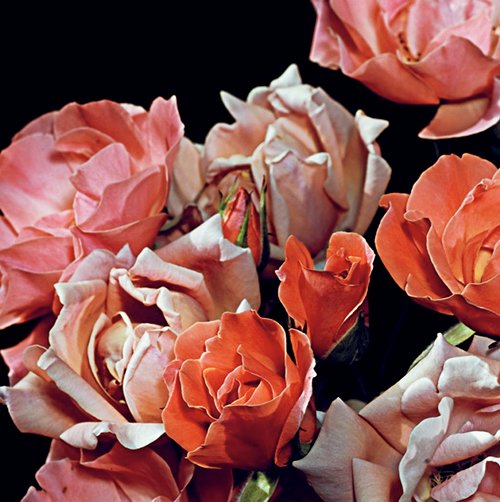
La rosa -probablemente la nota más ubicua en perfumería- adopta distintos aspectos y encarnaciones: puede mostrarse inocente y cubierta por el rocío, explosivamente glamorosa o góticamente oscura, dependiendo del tipo de flor empleada y de las otras notas con las que  es combinada.  La casa francesa Les Parfums de Rosine brinda un justo tributo a la Reina de las Flores con sus creaciones, nobles, bonitas y despojadas de pretensión. 

Cuando viajo, me gusta descubrir al menos un perfume que corporice el espíritu del lugar que estoy visitando. Estaba en busca de una rosa romántica y nostálgica cuando probé la línea en la igualmente nostálgica y bella Budapest.  

Aunque más tarde conocí al elegante y aldehídico La Rose de Rosine y el delicado  Ecume de Rose, apto para sirenas,  Poussière de Rose resultó lo que necesitaba en ese momento y cautivó mi corazón.

Poussière de Rose, una rosa amaderada, fue compuesta por el nariz  François Robert en 2001.  Evoca una rosa que ha pasado ligeramente su apogeo, una rosa que está comenzando a marchitarse pero ha conocido el esplendor. Esa sutil decadencia le confiere aún más encanto…como una tía madura pero aún hermosa quien, mientras tomamos té con pasteles, describe tiempos pasados y muestra viejas cartas de un amante. 

La ciruela y el damasco, espesos como confituras y reminiscentes de pastelería Auntrohúngara, no hacen que la fragancia caiga en terreno gourmand sino que, en cambio,  dan una agradable dulzura mientras que el y la canela aportan calidez.  La rosa  conjura las flores secas que se han conservado entre esas antiguas cartas de amor,  guardadas por décadas en un cofrecito de madera de cedro.  Una sutil nota de incienso va y viene, apareciendo y desapareciendo como fantasmas del pasado. El ámbar, benjuí y sándalo vuelcan su resplandor dorado-no tan distinto al de la luz de las velas- sobre la escena. 

Debería haberme quedado solamente un par de horas, pero las historias de Tía son tan atrapantes que no puedo irme, aunque afuera esté cayendo la noche.

Caro

Origen de la muestra: Botella comprada en Neroli, Budapest

foto: Les-parfums-de-rosine.com

Les Parfums de Rosine Poussière de Rose – Nostalgic chiaroscuro

Rose -probably the most ubiquitous fragrance note- adopts many guises and incarnations: it can show dew-kissed innocence, full-blown glamour or gothic darkness depending on the type of flower used and the other notes it is paired with. French house Les Parfums de Rosine pays due tribute to the Queen of Flowers with its noble, pretty and unpretentious creations.

Whenever I travel, I like to discover at least one fragrance that embodies the spirit of the place I am visiting. I was on the search for a romantic and nostalgic rose when I first tried  the line in the equally nostalgic and beautiful Budapest.  

Although I later met the elegant, aldehydic La Rose de Rosine and the delicate fit-for-a-mermaid Ecume de Rose, Poussière de Rose was exactly what I was looking for at the time and instantly captured my heart.

Poussière de Rose, a woody rose, was composed by nose François Robert in 2001.  It evokes a rose slightly past its prime, a rose that is starting to wilt but has known splendor.  That subtle decadence adds to its charm…like a mature but still beautiful aunt who, over tea with sweet treats, describes times gone by and shows old letters from a lover. 

The plum and apricot, jammy and reminiscent of AustroHungarian pastries, do not make the fragrance fall into gourmand territory but add a pleasant sweetness instead, while tea and cinnamon lend warmth. The rose conjures the dried flowers that have been pressed between those old love letters, kept for decades in a cedarwood casket.  A subtle incense note wafts in and out, appearing and disappearing like ghosts from the past. Amber, benzoin and sandalwood cast their golden glow -not unlike that of candlelight- over the whole scene. 

I should have stayed for only two hours but Auntie’s stories are so engaging I just cannot leave, even if it’s getting dark outside.

Caro

Origin of sample: Bottle purchased at Neroli, Budapest

Grossmith Hasu-no-Hana – Una calma sensualidad

imagen: Reproductionsart.com        artista: William Merritt Chase       “Peonies”

Ya he presentado brevemente a la casa Grossmith en la reciente review de su romántico perfume Betrothal.

Cuando la versión original de Hasu-no-Hana nació, en 1888, el Japonismo era furor en Europa. Hoy esta fragancia ha sido resucitada por Simon Brooke con la  ayuda del experto Roja Dove, manteniendo la fórmula lo más cercana posible a su encarnación primitiva. Promocionado como ”el aroma del loto japonés”, Hasu-no-Hana -fiel a su origen japonista- tiene mucho más que ver con una visión occidental e idealizada del Japón que con cualquier otra cosa remotamente japonesa.

No se percibe ni pizca de loto en este chipre oscuro pero radiante. La fragancia abre verde y amarga (bergamota y naranja amarga  dejan clara su presencia) mas pronto se torna dulzona y floral, gracias a un delicioso bouquet anticuado de rosa, jazmín e ylang-ylang. Más tarde muta en un sensual y atalcado lecho de cedrosándalo y tonka.

La sensación general es un tanto densa, pero las transiciones de nota a nota y de una etapa a otra no presentan fisura. Posee un efecto casi hipnótico y reconforta sin perder elegancia ni complejidad.

Hasu-no-Hana  huele como un producto de otra era.  Prefiero definirlo como atemporal más que como viejo, aunque la vejez no va en detrimento de la magnificencia: un Stradivarius es viejo y también lo es ”El Nacimiento de Venus”, de Botticelli.

Posee la mejor longevidad de toda la línea y se ha convertido -por el momento- en mi favorito de la casa Grossmith.

Caro

Origen de la muestra: muestra cortesía de Perfumerías Nadia, Madrid

foto: Grossmithlondon.com

Grossmith Hasu-no-Hana – A calm sensuality

I have already briefly introduced the house of Grossmith in my recent review of their romantic Betrothal.

When the original version of Hasu-no-Hana was born, in 1888, Japonism was all the rage in Europe. It has now been resurrected by Simon Brooke with the help of fragrance expert Roja Dove, keeping the formula as faithful to the original as posible. Touted as “the scent of the Japanese lotus lily”, Hasu-no-Hana -true to its japonist origin- has a lot more to do with an Occidental idealised view of Japan than with anything remotely Japanese.

I don’t get the slightest hint of lotus lily in this radiant yet dark chypre. The fragrance opens green and bitter (bergamot and bitter orange make their presence  clear) but soon gets sweetish, more floral, thanks to a deliciously old-fashioned bouquet of rose, jasmine and ylang-ylang. It later morphs into a sensual and powdery woody bed of cedarwoodsandalwood and tonka.

The feel is somewhat dense, but the transitions from note to note and from one stage to another are seamless. It has an almost entrancing effect and comforts without losing elegance or complexity. Hasu-no-Hana smells like something from another era.  I would rather call it timeless than old, even though age does not detract from magnificence: a Stradivarius is old and so is Botticelli’s “The Birth of Venus” for that matter.

It boasts the best longevity in the Grossmith range and is, so far, my favorite from the house.

Caro

Origin of sample: Sample courtesy of Perfumerías Nadia, Madrid