Tag Archives: ylang ylang

Parfums de Nicolaï Juste un Rêve – Sueño exótico

imagen:

imagen: gentileza de Henriette hackenberg  artista: Henriette Hackenberg,  “Sacred pool”, Holylands series   Henriette-hackenberg.nl

Hoy en tenemos una colaboración de Esperanza van der Zon. Hija de madre española y padre holandés, atesora en su memoria los aromas de Málaga: jazmines, azahares y el tomillo de las montañas. Quizás por ese motivo eligió reseñar un floral blanco para Té de Violetas. Esperanza vive en Amsterdam y escribe su propio blog sobre perfumes. En un país donde las flores son algo así como un tesoro nacional, ella cultiva hierbas (¡7 clases de menta!) y tuberosas en su propio jardín.

Para mi primer guest post en Té de Violetas quise escribir sobre un perfume que está muy cercano a mi corazón, Juste un Rêve. Juste un Rêve fue creado en 1996 por la perfumista francesa Patricia de Nicolaï. Su nombre quiere decir “sólo un sueño”. Aunque todavía se encuentra disponible online, Juste un Rêve está siendo discontinuado por Parfums de Nicolaï. Esta podría ser una buena razón para probar el perfume y comprar una botella mientras aún sea posible.

Luego de haber probado el abanico completo de fragancias femeninas de Parfums de Nicolaï, encontré que Juste un Rêve era uno de los pocos que podía usar. Patricia de Nicolaï utiliza en la mayoría de sus perfumes femeninos una nota excesivamente dulce, como de caramelo o azúcar quemada que no me gusta y se vuelve agria en contacto con mi piel.  Los perfumes que no llevan esta nota son los excelentes Number One, Juste un Rêve, Rose Oud, Colognes y las fragancias que ella compuso para MDCI: Un Coeur en Mai y Le Rivage des Syrtes. Supongo que esta nota de azúcar quemado es el sello de la maestra perfumista, pero a mí me distrae.  Por fortuna, esta característica no está presente en sus magníficas fragancias para la casa.

Juste un Rêve es un eau de toilette floral tropical. No resulta carnal ni indólico y tampoco recuerda a un aceite bronceador con aroma a coco; me da una impresión relajada:  madura, clásica y serena. Todos los ingredientes están muy bien mezclados, creando una textura como de suave manteca de maní. Esta mezcla tersa,sin fisuras, por momentos dificulta la detección de las notas individuales, al menos para mí.

Casi inmediatamente después de aplicar, Juste un Rêve me recuerda al spray para el pelo que mi madre usaba cuando se preparaba para salir; lo que puede ser una de las razones por las que me gusta tanto. Apenas luego, un cremoso jazmín y tuberosa aparecen alternadas con el aroma de un suculento durazno. El monoï (pétalos de gardenia tahitiana macerados en aceite de coco) y la tuberosa aparecen y se superponen con suaves rosas. ¿Hay una pizca de aldehídos también? Luego de media hora, lo que queda en mi piel es un suave aroma a monoï con un toque atalcado que le da a Juste un Rêve una sensación ligeramente retro.

Al comparar Juste un Rêve con MDCI Péché Cardinal, otro hermoso perfume de coco/tuberosa/fruta (durazno), Péché Cardinal resulta mucho más frutado, más verde, más fresco, joven y coqueto.

Cuando lo uso, Juste un Rêve me hace sentir más relajada, centrada y despreocupada. Es un poco como estar en un centro de vacaciones de lujo en una isla exótica con increíbles playas de arena blanca.

No consideraría a  Juste un Rêve entre las obras maestras de Patricia de Nicolaï, pero es una fragancia muy bien hecha y una buena elección para los momentos en que uno quiere un perfume que no sea complicado. Su belleza reside en esta aparente simpleza.

La longevidad es muy moderada (por momentos no más de 2 horas) y suele ser necesario reaplicar durante el día.  Juste un Rêve se mantiene muy cerca de la piel.  Noté que funciona especialmente bien en tiempo cálido ya que su sillage se ve reforzado por el calor de mi piel; por este motivo lo usé con mucha frecuencia el verano pasado.

Notas oficiales según el sitio web de Parfums de Nicolaï :

Notas de salida: damasco y coco

Notas medias: jazmín, tuberosa, ylang ylang

Base : maderas, vainilla

Esperanza

Origen de la muestra: botella comprada en The Perfume Lounge en Amsterdam
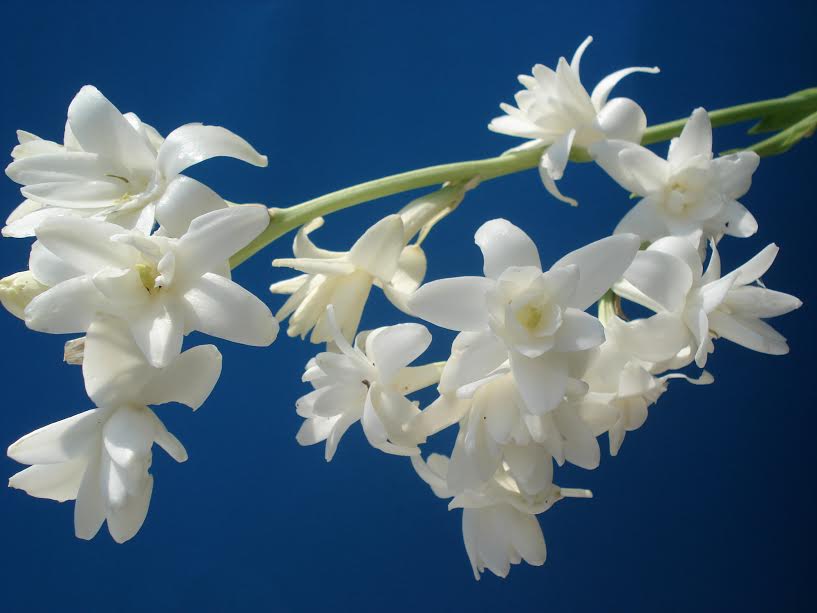
foto: Esperanza van der Zon

foto: Esperanza van der Zon

Parfums de Nicolaï Juste un Rêve – Exotic dream

Today we have a guest post by Esperanza van der Zon. Daughter of a Spanish mother and Dutch father, she treasures in her memory the scents of Málaga: jasmine, orange blossom and the thyme that grows in the mountains. Perhaps that’s why she chose to review a white floral for Té de Violetas.  Esperanza lives in Amsterdam and writes her own lovely fragrance blog. In a country where flowers are considered a sort of national treasure she grows herbs (7 varieties of mint!)and tuberoses in her own garden.

For my first guest blog on Té de Violetas I wanted to write about a perfume which is very close to my heart, Juste un Rêve. Juste un Rêve was created in 1996 by French perfumer Patricia de Nicolaï. It means ‘just a dream’. Although still widely available online, Juste un Rêve will be discontinued by Parfums de Nicolaï. This might be a good reason to try the fragrance and buy a bottle while you still can.

After having tested the whole range of feminine Parfums de Nicolaï fragrances, I found Juste un Rêve to be one of the only few I can wear. Patricia de Nicolaï uses in most of her feminine fragrances an overly sweet note like burnt sugar/caramel which I do not like and believe to turn sour on my skin.  Fragrances without this note are the prizewinning Number One, Juste un Rêve, Rose Oud, Colognes and the perfumes she made for MDCI: Un Coeur en Mai and Le Rivage des Syrtes. I assume this burnt sugar note is meant to portray the signature of the master perfumer but to me it is merely distracting.  Fortunately her magnificent home fragrances do not contain this note.

Juste un Rêve is a tropical floral eau de toilette. It is neither carnal nor indolic nor does it remind of sun tan coconut oil, giving me an effortless, toned down, mature and classic impression.  All ingredients are very well blended creating a texture like smooth peanut butter. This seamless blending makes it hard at some moments to detect its individual notes, at least for me.

Almost immediately after applying,  Juste un Rêve reminds me of my mother’s hair spray when she used to prepare to go out which might be one of the reasons I like it so much. Shortly afterwards creamy jasmine and tuberose appear to be alternated by whiffs of luscious peach. Monoï (Tahitian gardenia petals infused in coconut oil) and tuberose appear and are alternated by soft roses. Do I get a pinch of aldehyde? After half an hour what remains on my skin is a smooth monoï scent with a powdery touch which gives  Juste un Rêve a slightly  retro feel.

When I compare Juste un Rêve to MDCI Péché Cardinal, another beautiful coconut/tuberose/fruit (peach) fragrance,  Péché Cardinal is much fruitier, greener, fresher, younger and flirtier.

Wearing Juste un Rêve makes me feel more relaxed, centered, easy going and laid back. It is like being on a tropical luxurious resort holiday at an exotic island with beautiful white beaches.

I would not call  Juste un Rêve one of Patricia de Nicolaï masterpieces, but it is very well made and a good choice at those moments when you want to wear an uncomplicated perfume. Its beauty lies in its seemingly simplicity.

Longevity is very moderate (at some moments no more than 2 hours) so do apply again during the day.  It wears very close to my skin. I found  Juste un Rêve to be especially well suited to hot weather as its sillage is boosted by the warmth of my skin. This is one of the reasons why I wore it frequently last Summer.

Official notes according to the official Parfums de Nicolaï website:

Top note : apricot and coconut

Heart : jasmine, tuberose, ylang ylang

Base : woody, vanilla

Esperanza

Origin of sample: bottle  bought at The Perfume Lounge in Amsterdam
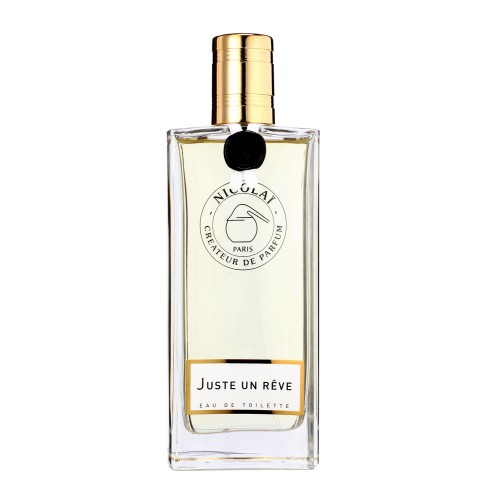
foto: Pnicolai.com

foto: Pnicolai.com

Houbigant Orangers en Fleurs – Radiantes azahares

imagen: Borianicarta.it

imagen: Borianicarta.it

Fundada en 1775, la venerable Casa de Houbigant logró mantenerse activa a lo largo de cuatro siglos, desde los abanicos perfumados de la Corte de Versalles a la creación de nuevas fragancias de belleza clásica.

Orangers en Fleurs fue compuesta en 2012 por el nariz Jacques Flori, de Robertet. Es un azahar vívido que logra un equilibrio perfecto entre las facetas frescas y cálidas de la flor sin eludir su aspecto sensual. Los blancos botones cerosos pueden estar tradicionalmente asociados a las novias, la pureza y la virtud, pero su aroma – reproducido aquí con fidelidad- es innegablemente carnal. Resulta difícil mantener pensamientos santurrones al pasar un rato bajo un naranjo en flor. Denso, nectarino y melifluo, el aroma embriaga al transeúnte inocente mientras las abejas revolotean zumbando su mantra.

Este es un floral blanco radiante, vuelto más realista mediante la adición de refrescantes pinceladas verdes y una dosis de picante nuez moscada. La jabonosidad habitual que suele encontrarse en las combinaciones de flor de naranjo y almizcle no está ausente. Aunque sustancioso y sensual, se presenta más casto que Serge Lutens Fleurs d’Oranger con sus sudorosos matices de comino y muy alejado del libertino Rubj, de Vero Profumo. Me recuerda también, de cierta manera, a Magnolia Romana , de Eau d’Italie, otro floral blanco acariciado por la nuez moscada en el que brilla la magnolia en lugar de la flor de naranjo.

La lista de notas brindada por Houbigant incluye absoluto de flor de naranjo, absoluto de rosa, absoluto de jazmín egipcio, tuberosa, eau de brouts (un absoluto obtenido de las hojas del naranjo), ylang ylang de las Comores, nuez moscada, cedro y almizcle.

Orangers en Fleurs, que proyecta bien y tiene longevidad respetable en concentración eau de parfum, también se encuentra disponible en extrait.

Caro

Origen de la muestra: muestra comprada a Luckyscent

foto: Houbigant-parfum.com

foto: Houbigant-parfum.com

Houbigant Orangers en Fleurs – Radiant orange blossom

Founded in 1775, the venerable House of Houbigant has managed to keep active through the course of four centuries, from the perfumed fans at the Court of Versailles to the creation of new fragrances of classic beauty.

Orangers en Fleurs was composed in 2012 by Robertet nose Jacques Flori. It is a vivid orange blossom that achieves perfect balance between the fresh and warm facets of the flower without ignoring its sensual aspects. The waxy white blossoms may be traditionally associated with brides, purity and virtue but their scent -faithfully reproduced here- is undeniably carnal. Sanctimonious thoughts evaporate as one walks next to orange trees in full bloom. Heady, nectarous and honeyed, the scent inebriates the unsuspecting passerby as  bees flutter around buzzing their mantra.

This is a radiant white floral made more realistic by refreshing green brushstrokes and a sprinkling of spicy nutmeg. The usual soapiness one commonly finds in orange blossom and musk pairings is not absent. Although substantial and sensuous, it appears slightly more chaste than Serge Lutens Fleurs d’Oranger, with its sweaty cumin hues,and far removed from the libertine Rubj, by Vero Profumo. It also reminds me, in a way, of Eau d’Italie Magnolia Romana , another nutmeg-kissed white floral in which magnolia, not orange blossom, is the star.

The note list provided by Houbigant includes orange blossom absolute, rose absolute, Egyptian jasmine absolute, tuberose, eau de brouts (an absolute derived from orange leaves), ylang ylang from the Comores, nutmeg, cedarwood and musk.

Orangers en Fleurs, which projects well and has respectable longevity in eau de parfum form, is also available in extrait.

Caro

Origin of sample: Sample purchased from Luckyscent

Gucci L’Arte di Gucci – Espinas y rosas

imagen: Fanpop.com

imagen: Fanpop.com

L’Arte di Gucci es todo lo severo que un perfume puede llegar a ser; no encierra nada de juguetón o coqueto. Creado en 1991, cuando la tendencia de fragancias grandes ya declinaba en favor de los florales acuosos, fue discontinuado inexplicablemente apenas 16 años más tarde, en 2007. L’Arte  se convirtió en un perfume de culto entre los aficionados a los chipres y a las rosas y definitivamente vale la pena ser rastreado. L’Arte es un chipre de rosa en la misma vena que Ungaro Diva (Diva es más dulce y ambarado).Si les gusta Diva, Paloma Picasso, Knowing y Soir de Lune, es muy probable que L’Arte les agrade también.

Esta rosa es potente: especiada y meliflua, frutada en cierto modo agrio. El tagetes (caléndula) y una definida nota de manzanilla suman identidad a los matices frutales y agrestes. Los brotes de grosella negra prestan a la mezcla su característico aroma verde-frutado-urinoso, por ende -a pesar de sus tonalidades de miel– la rosa no se vuelve dulce y la fragancia tampoco. Deviene, sin embargo, en una flor perfectamente redondeada, presta para descansar  sobre  una base de sándalo y notas animales (almizcle, castóreo). Su sensualidad es madura y distante -casi hostil- pero rica y compleja.

Bellamente siniestra, L’Arte es una rosa espinosa y oscura que rompe corazones sin el menor indicio de sentimentalismo. Sugerimos combinarla con afiladísimos stilettos  y  lápiz de labios rojo.

Caro

Origen de la muestra: botella de eau de toilette comprada en Perfumería Togat’s, Buenos Aires

foto: Yushainternational.com

foto: Yushainternational.com

Gucci L’Arte di Gucci – Thorns and roses

L’Arte di Gucci is as severe as a fragrance can get; there is nothing playful or flirty abut it. Created in 1991, when the trend for such big fragrances was declining in favor of aquatic florals, it was unexplainably discontinued only 16 years later, in 2007. L’Arte  has become a bit of a cult fragrance among chypre and rose afficionados and is definitely worth tracking down. L’Arte is a rosy chypre in the same vein as Ungaro Diva (Diva is sweeter and more ambery). If you like Diva, Paloma Picasso, Knowing and Soir de Lune, chances are L’Arte will be your cup of tea too.

This rose is potent: spicy and honeyed, fruity in a sour kind of way. Tagetes (marigold) and a nitid chamomile note add up to the wild fruitiness.  Blackcurrant bud lends its characteristic green-fruity-urinous scent so -despite its hints of honey– the rose never becomes sweet and neither does the fragrance. It results, nonetheless, in a perfectly rounded flower, ready to rest on a base of sandalwood and animal notes (musk, castoreum). Its sensuality is mature and distant -almost hostile- but complex and rich.

Beautifully sinister, L’Arte is a dark thorny rose that breaks hearts without the smallest suggestion of sentimentality. We suggest you pair it with red lipstick and your sharpest stilettos.

Caro

Origin of sample: bottle of eau de toilette purchased at Perfumería Togat’s, Buenos Aires

foto: Theguardian.com   copyright: Getty

foto: Theguardian.com    copyright: Getty

Amouage Ubar – Joie de vivre

imagen: Vintageadbrowser.com

imagen: Vintageadbrowser.com

Existen unos pocos -muy pocos- perfumes que siempre logran inundarme de alegría. De hecho sonreí ante la sola idea de reseñar Ubar, ya que eso me daría la excusa perfecta para marinarme en él durante el transcurso de varios días.

Lanzado originalmente por Amouage en 1995, fue discontinuado y relanzado en 2009 bajo una fórmula diferente. La fragancia lleva el nombre de una legendaria ciudad árabe perdida bajo la arena. En modo alguno exótico, Ubar (en su versión actual) huele muy muy clásico y muy muy francés. La alusión a las arenas del desierto es, sin embargo, evidente en la botella, cuya pintura dorada se desvanece hacia la parte superior.

Ubar es una explosión floral. La salida centellea con mandarina y con el olor característico -frutado, alimonado- de la Litsea Cubeba (May Chang). La impresión inicial es crujiente, ligeramente verde, casi punzante. Una nota vívida y esplendente de rosa damascena pronto endulza el verdor, pero la verdadera estrella de la composición es el lirio del valle. Su aparición parece fundir juntas todas las demás flores de este bouquet blanco (fresias, jazmines, azahares, tuberosa) volviéndolas más cremosas. El lirio del valle pierde su consabida condición virginal y se deja corromper por una lasciva civeta. El genio de Ubar reside en este aspecto animal del lirio del valle y en el hecho de que la mezcla conserva su frescura en medio de la opulencia descarada.

La mélange resultante es el equivalente olfativo a tomar una (o dos, o tres) copas de champagne: burbujeante, efervescente, alegre. Ubar demuestra proyección y longevidad excelentes. Se siente embriagador, festivo y  -oh, claro que sí- tiene segundas intenciones.

Caro

Origin of sample: bottle purchased at MiN New York

foto: Amouage.com

foto: Amouage.com

Amouage Ubar – Joie de vivre

There are a few -very few-  fragrances that never fail to suffuse me with joy. In fact, I beamed at the mere idea of reviewing Ubar, as that would give me the perfect excuse to marinate in it over the course of some days.

Originally launched by Amouage in 1995, it became discontinued and relaunched 2009 under a different formula. The fragrance bears the name of a legendary Arabian city which was lost under the sands. Not exotic by any means, current Ubar smells very very classic and very very French. The allusion to the sands of the desert is evident, however, on the  bottle whose pale gold paint fades toward the top.

Ubar is a floral explosion. The opening sparkles with tangerine and the characteristic smell -fruity, lemony- of Litsea Cubeba (May Chang). The initial impression is crisp, slightly green, almost sharp. A splendid, nitid  rosa damascena note soon sweetens the greenness, but the true star of the composition is lily of the valley. Its appearance seems to meld together all the other flowers in this white bouquet (freesia, jasmine, orange blossom)  rendering them creamier. The lily of the valley loses its usual virginal  condition  as it becomes corrupted by a lascivious civet; the genius of Ubar resides in this animalic lily of the valley and in the fact that the blend retains its freshness amidst the unabashed opulence.

The resulting mélange is the olfactory equivalent to drinking  one (or two, or three) glasses of champagne: bubbly, effervescent, cheerful. Ubar boasts excellent projection and longevity. It feels inebriating, festive and -oh, yes- it does have second intentions.

Caro

Origin of sample: bottle purchased at MiN New York

foto: Jewelsdujour.com

foto: Jewelsdujour.com

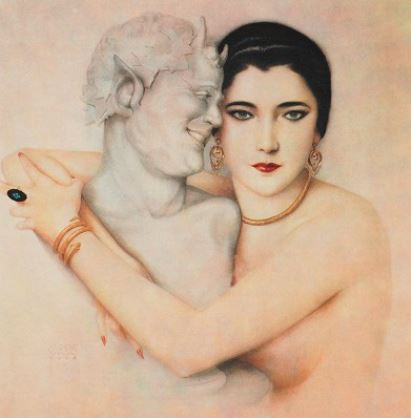
Mona di Orio Parfums Ambre – Una seductora en sepia

imagen: Sfae.com artista: Alberto Vargas, Nita Naldi     © Max Vargas Estate

imagen: Sfae.com  artista: Alberto Vargas, Nita Naldi    © Max Vargas Estate

Aunque unos cuantos perfumes en mi colección pueden ser considerados favoritos, algunos de ellos ocupan un lugar especial. No son más de cinco fragancias que se sienten excepcionales en términos de belleza y capacidad de emocionar. Uno de esos elegidos, que comenzó como amor a primer olfato pero ha pasado la prueba del tiempo, es Mona di Orio Ambre.

Encontré Ambre por primera vez en Farmacia Centrale, en Milán,donde pasé la mayor parte de una hora (si no más) con la pacientísima Jelly. En ese momento opté por otra fragancia (The Party in Manhattan, en caso de que quieran saberlo) pero el recuerdo de Ambre siguió persiguiéndome incluso tiempo después de haber vuelto a Buenos Aires y continuó haciéndolo hasta que decidí comprar una botella.

La colección Nombres d’Or explora la teoría estética de la proporción áurea y cada eau de parfum gravita alrededor de un ingrediente distinto. Ambre despliega un exquisito aire de los años 1930s y una textura entre polvorienta (aunque no atalcada) y satinada. Una delicada nota de cedro -presente a través de toda la evolución-  insinúa en cierto modo un cofrecito que ha resguardado viejas cartas de amor de los ojos curiosos. La resinosa madera se ve endulzada gradualmente por ylang ylang y una vainilla, pero no es este dulzor de azúcar sino uno que refuerza la imagen de papeles antiguos. Tiene una cualidad etérea y casi fantasmal, pero ¡qué fantasma hermoso!

Resulta interesante olisquearlo lado a lado con  LM Parfums Ambre Muscadin (también compuesto por Mlle. di Orio).Las similitudes son muy evidentes pero también lo son las diferencias: Ambre Muscadin es más robusto, rotundo, sexy. Ambre resulta refinado y sutilmente erótico. Si Ambre Muscadin es flan de cedro (como lo llamo bromeando), entonces Mona di Orio Ambre se asemeja a la más esponjosa mousse. Ambre comparte también un air de famille con el manifiestamente sexual Ambra di Luna.

Caro

Origen de la muestra: Botella comprada en Min New York.

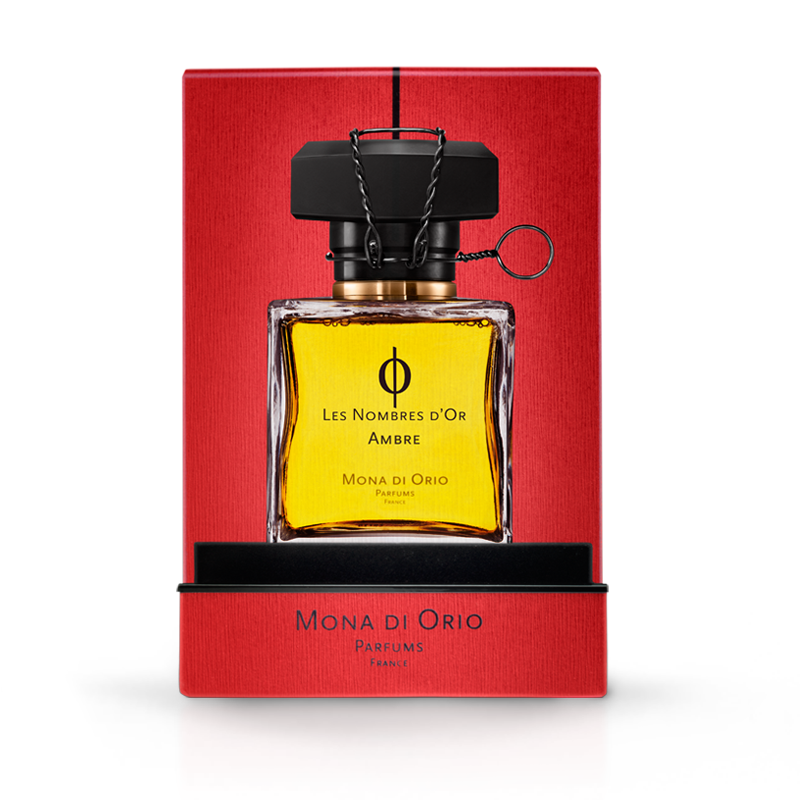
foto: Monadiorio.com

foto: Monadiorio.com

Mona di Orio Parfums Ambre – Seductress in sepia

Although  many perfumes in my collection can be considered favorites, some of them occupy a special place. They amount to no more than five fragrances that feel exceptional in terms of beauty and ability to emote. One of those chosen few, which started as love at first sniff but stood the test of time is Mona di Orio Ambre.

I came across Ambre at Farmacia Centrale, in Milan, where I spent the best part of an hour (if not more) with the very patient Jelly. At that time, I opted for another fragrance (The Party in Manhattan, in case you are wondering) but Ambre kept haunting me long after I had returned to Buenos Aires and it did so until I decided to purchase a bottle.

The Nombres d’Or collection explores the aesthetic theory of the golden ratio and every eau de parfum gravitates around a different raw material. Ambre displays an exquisite 1930s vibe and a dusty (not powdery) yet satiny texture. A delicate cedarwood note -present throughout the whole evolution- suggests a casket that has kept old love letters away from curious eyes. The resinous wood is gradually sweetened by ylang ylang and a vanilla; this is not the sweetness of sugar but one that reinforces the feel of ancient papers. There is an ethereal, almost ghostly quality to it, but what a beautiful ghost this is!

It is interesting to sniff this one side by side with LM Parfums Ambre Muscadin (also composed by Mlle. di Orio). The similarities are very evident but so are the differences: Ambre Muscadin is more robust, rotund, sexy. Ambre  appears refined and subtly erotic. If Ambre Muscadin is cedarwood flan (like I jokingly call it), then Mona di Orio Ambre is akin to the fluffiest mousse. Ambre also shares an air de famille with the overtly sexual Ambra di Luna

Caro

Origin of sample: Bottle purchased at Min New York.