Olivier Durbano Amethyst – Neblina púrpura

foto: Elogedelart.canalblog.com  Apolo, talla en amatista atribuída a Solón (30-20 AC), The J. Paul Getty Museum

foto: Elogedelart.canalblog.com     Apolo, talla en amatista atribuída a Solón (30-20 AC), The J. Paul Getty Museum

Ya había disfrutado del vivaz Rose Quartz, había recibido elogios de completos desconocidos sobre Rock Crystal y me había asombrado ante -¡oh, humo sagrado!- Black Tourmaline. Por alguna causa fortuita, mi muestra de Amethyst en cambio había encontrado el camino al fondo de un cajón y quedó olvidada allí por un año y medio. Olivier Durbano, como quizás recuerden, es un joyero francés. Sus creaciones, las fragantes y las que no, parecen permeadas de una cruda poesía. Sus eaux de parfum tienen una adecuada sensación mineral y el incienso y otras resinas son notas recurrentes en su obra perfumada.

Ayer tuve que hacer parada en boxes en mi joyería preferida para hacer arreglos a una pulsera. Mientras esperaba vi un despampanante collar de plata y amatistas -corto, dramático, con grandes piedras irregulares- y me encapriché con él.  Aunque (¡ay!) no lo compré, de regreso me puse a divagar sobre las amatistas,  que siempre se contaron entre mis piedras preferidas, sus correspondencias y simbología. Por supuesto, Olivier Durbano Amethyste fue el primer perfume que busqué apenas llegué a casa.

La amatista era usada por los Griegos para prevenir la embriaguez y proteger contra envenenamientos. Más tarde, Leonardo Da Vinci sostuvo que pdía mejorar la inteligencia y  mantener alejados los malos pensamientos. La amatista era también la piedra preferida de Catalina la Grande (era mucho más escasa, por ende más preciada, en esos tiempos). Hoy los monjes tibetanos emplean en su meditación rosarios hechos con cuentas de amatista.En la astrología occidental la gema se asocia al planeta Júpiter y a los signos de Sagitario y Piscis.

Volviendo al tributo de Durbano: el perfume gravita alrededor de una nota de incienso; este incienso es bonito y amigable, ni solemne ni austero, pero aún así lleva la característica “aspereza”de las creaciones de Olivier.Una nota transparente de pimienta en la salida pronto se aúna con palo rosa, cuyo aroma dulzón y especiado recuerda las virutas de madera que quedan después de afilar los lápices. Amethyst es amaderado y especiado, sí, pero atravesado por un suave matiz frutado que le es dado por delicadas notas de uva y frambuesa (énfasis en “delicadas”). Luego de le explosión pimentosa y amaderada del comienzo no quedan asperezas.  Almizcle, sándalo y vainilla hacen que la fragancia mute lentamente en un capullo acogedor. De sillage discreto y longevidad moderada, Amethyst huele agradablemente natural y mucho más suave que las otras opciones de la colección Pierres Poèmes .

Caro

Origen de la muestra: muestra gentileza de Olivier Durbano

Si les agrada el Arte en general, los instamos a visitar el interesante blog www.alaintruong.com

foto: Olivierdurbano.com

foto: Olivierdurbano.com

Olivier Durbano Amethyst – Purple haze

I had already enjoyed the lively Rose Quartz, I been complimented by perfect strangers on Rock Crystal and was stunned by -holy smoke!- Black Tourmaline. Due to unknown and fortuitous reasons, my sample of Amethyst had found its way to the back of a drawer and remained forgotten for a year and a half. Olivier Durbano, as you may remember, is a French jeweler. His creations, perfumed and otherwise, seem infused with raw poetry. His eaux de parfum have a befitting mineral feel to them and frankincense and other resins are recurrent notes in his fragrant oeuvre.
Yesterday I had to make a pit stop at my favorite jeweler’s in order to have a bracelet repaired. While I waited I saw the most imposing amethyst and silver necklace -short, dramatic, with big tumbled stones- and became infatuated with it. Although (alas!) I didn’t purchase it, on my way back I mused about amethysts,  which have always been among my favorite stones, their correspondences and symbology. Of course, Olivier Durbano Amethyste was the first fragrance I reached for as soon as I got home.

Amethyst was used by the Greeks to prevent drunkenness and as protection against poisoning. Later, Leonardo Da Vinci sustained that it could improve intelligence and keep evil thoughts at bay. Amethyst was also Catherine the Great‘s favorite stone ( it was much scarcer thus more valuable in those days). Today Tibetan monks use rosaries made of amethyst beads in their meditation. In Western astrology the gem is associated with the planet Jupiter and the signs of Sagittarius and Pisces.

Back to Durbano‘s tribute: the perfume gravitates around a frankincense note; this incense is pretty and friendly, not solemn or austere, but it still bears the characteristic “roughness”of  Olivier‘s creations. A sheer pepper note in the opening is soon joined by rosewood, whose sweet and spicy aroma is reminiscent of pencil shavings. Amethyst is woody and spicy, yes, but pervaded by a soft fruitiness via delicate notes of grape and raspberry (emphasis on “delicate”). After the initial woody peppery burst, no sharp edges remain.  Musk, sandalwood and vanilla help the fragrance morph slowly into a cozy cocoon.With discreet sillage and moderate longevity, Amethyst smells pleasantly natural and softer than the other offerings in the Pierres Poèmes collection.

Caro

Origin of sample: sample courtesy of Olivier Durbano

If you enjoy Art in general, we strongly encourage you to visit  the beautiful blog www.alaintruong.com

Gucci L’Arte di Gucci – Espinas y rosas

imagen: Fanpop.com

imagen: Fanpop.com

L’Arte di Gucci es todo lo severo que un perfume puede llegar a ser; no encierra nada de juguetón o coqueto. Creado en 1991, cuando la tendencia de fragancias grandes ya declinaba en favor de los florales acuosos, fue discontinuado inexplicablemente apenas 16 años más tarde, en 2007. L’Arte  se convirtió en un perfume de culto entre los aficionados a los chipres y a las rosas y definitivamente vale la pena ser rastreado. L’Arte es un chipre de rosa en la misma vena que Ungaro Diva (Diva es más dulce y ambarado).Si les gusta Diva, Paloma Picasso, Knowing y Soir de Lune, es muy probable que L’Arte les agrade también.

Esta rosa es potente: especiada y meliflua, frutada en cierto modo agrio. El tagetes (caléndula) y una definida nota de manzanilla suman identidad a los matices frutales y agrestes. Los brotes de grosella negra prestan a la mezcla su característico aroma verde-frutado-urinoso, por ende -a pesar de sus tonalidades de miel– la rosa no se vuelve dulce y la fragancia tampoco. Deviene, sin embargo, en una flor perfectamente redondeada, presta para descansar  sobre  una base de sándalo y notas animales (almizcle, castóreo). Su sensualidad es madura y distante -casi hostil- pero rica y compleja.

Bellamente siniestra, L’Arte es una rosa espinosa y oscura que rompe corazones sin el menor indicio de sentimentalismo. Sugerimos combinarla con afiladísimos stilettos  y  lápiz de labios rojo.

Caro

Origen de la muestra: botella de eau de toilette comprada en Perfumería Togat’s, Buenos Aires

foto: Yushainternational.com

foto: Yushainternational.com

Gucci L’Arte di Gucci – Thorns and roses

L’Arte di Gucci is as severe as a fragrance can get; there is nothing playful or flirty abut it. Created in 1991, when the trend for such big fragrances was declining in favor of aquatic florals, it was unexplainably discontinued only 16 years later, in 2007. L’Arte  has become a bit of a cult fragrance among chypre and rose afficionados and is definitely worth tracking down. L’Arte is a rosy chypre in the same vein as Ungaro Diva (Diva is sweeter and more ambery). If you like Diva, Paloma Picasso, Knowing and Soir de Lune, chances are L’Arte will be your cup of tea too.

This rose is potent: spicy and honeyed, fruity in a sour kind of way. Tagetes (marigold) and a nitid chamomile note add up to the wild fruitiness.  Blackcurrant bud lends its characteristic green-fruity-urinous scent so -despite its hints of honey– the rose never becomes sweet and neither does the fragrance. It results, nonetheless, in a perfectly rounded flower, ready to rest on a base of sandalwood and animal notes (musk, castoreum). Its sensuality is mature and distant -almost hostile- but complex and rich.

Beautifully sinister, L’Arte is a dark thorny rose that breaks hearts without the smallest suggestion of sentimentality. We suggest you pair it with red lipstick and your sharpest stilettos.

Caro

Origin of sample: bottle of eau de toilette purchased at Perfumería Togat’s, Buenos Aires

foto: Theguardian.com   copyright: Getty

foto: Theguardian.com    copyright: Getty

Parfums DelRae Emotionnelle – Fruto andrógino

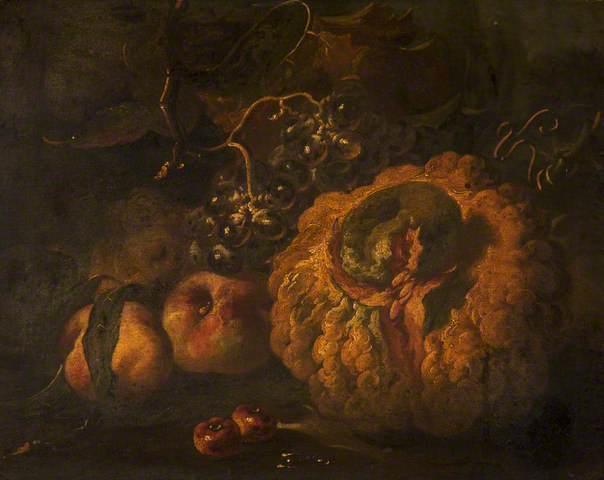
imagen: bbc.co.uk A Melon and Other Fruit artista: Giovanni Paolo Spadino

imagen: bbc.co.uk    A Melon and Other Fruit
  artista: Giovanni Paolo Spadino

No soy muy fanática de los acordes frutales en los perfumes. Si tuviera que elegir una fragancia sin olerla, probablemente pasaría por alto aquella que tenga frutas entre sus notas más sobresalientes. Pero la gente cambia de opinión: hoy conecté con un maduro, tibio y especiado cantalupo.

Este tipo de melón (Cucumis Melo Cantalupensis) fue enlist ado por DelRae Roth (Directora Creativa de la sanfranciscana marca de nicho Parfums DelRae) entre los aromas que le recordaban a su estancia de un año completo en Francia. Compartió sus memorias olfativas con el perfumista Michel Roudnitska y, como resultado, Emotionnelle fue dado a luz en 2006.

Se trata de un eau de parfum que, además del elemento inspirador antedicho, cuenta con un par más de conexiones emocionales. En primer lugar, el melón fue la nota clave de avant-garde de Le Parfum de Thérèse, una fragancia personal creada exclusivamente por Edmond Roudnitska (padre de Michel y uno de los más importantes perfumistas modernos) para su esposa Thérèse, a fines de los años 50’s. Recién después de la muerte de Edmond (1996) este perfume estuvo disponible para el público vía Editions de Parfums.

En mi caso, este ingrediente me retrotrae a mi adolescencia. Mi padre solía usar un perfume exquisito con una nota acuática de melón muy prominente. No recuerdo el nombre ni la marca pero sí estoy segura de tres cosas: 1) era una botella de forma cuadrada y el jugo era de color verde claro; 2) me gustaba muchísimo; 3) se lo usaba muchísimo.

De cualquier manera, la cuestión es que encuentro esta nota frutal bastante maleable pues su jugosa dulzura encaja muy bien en composiciones unisex.El perfumista ha añadido una textura gamuzada de hojas de violeta y cedro, resaltando el costado dandy de la vida. Y la ciruela pasa, la rosa,el clavo y el ámbar insuflan el espíritu de delicias en abundancia, convirtiendo a este cantalupo en una apetitosa calabaza especiada. 

Esta es la primera vez que huelo una creación de Michel Roudnitska. Su talento fue suficiente para hacerme cambiar de opinión respecto de la dulzura frutal en los perfumes; también me invita a continuar expandiendo mis horizontes olfativos.

Virginia

Origen de la muestra: Comprada en Luckyscent.

Nota bene: Otra fragancia de Edmond Roudnitska con notas de melón en su composición es la emblemática Diorella. Pueden leer sobre ella aquí.

foto: Barneys.com

foto: Barneys.com

Parfums DelRae Emotionnelle – An androgynous fruit

I’m not a big fan of fruity accords in perfumes. If I were to choose a fragrance without sniffing it first, I probably skip those have fruits among their main notes. But since people change their mind, today I’ve connected with a ripe, warm and spicy cantaloupe.

This type of melon (Cucumis Melo Cantalupensis) was listed by DelRae Roth (Creative Director of the Sanfranciscan niche brand Parfums DelRae) among the aromas that remind her of full year stay in France. She shared these scented memories with perfumer Michel Roudnitska and the result was Emotionnelle, which  was born in 2006.

Besides that, this eau de parfum has few more -emotional- links. First of all, melon was an avant-garde key note in 1950’s Le Parfum de Thérèse, a unique fragrance created by Edmond Roudnitska (Michel’s father and one of the most important modern perfumers) for his wife Thérèse. The perfume was intended solely for her; it was only after Edmond’s passing (1996) that became available to the public via Editions de Parfums.

In my case, this ingredient takes me back to my teenage years. My father used to wear a perfume with a very prominent watery melon note. I don’t remember either its name or the the brand’s but I’m sure about three points: 1) it came in a square shaped bottle and the juice was light green in color; 2) I liked too much; 3) I borrowed it from him too often.

In any case, I find this fruity note very malleable because its juicy sweetness fits very well in unisex compositions. The perfumer has added a suede texture of violet leaves and cedar highlighting the dandy side of the life. And prune, rose, clove and amber insufflate the spirit of delights in abundance, converting this cantaloupe in a mouthwatering spiced  pumpkin.

This is the first time I smell one of Michel Roudnitska‘s creations. His talent sufficed to change my mind about fruity sweetness in perfume and also invites me to continue expanding olfactory horizons.

Virginia

Origin of sample: Vial purchased from Luckyscent.

Nota bene: Another emblematic Edmond Roudnitska‘s fragrance with melon notes is Diorella. You can read our review here.

Von Eusersdorff Classic Mimosa – Conmovedora inocencia

foto: Tasertail.deviantart.com/

foto: Tasertail.deviantart.com/

“¡Colonia de bebito! ¡Qué lindo! Es un floral transparente, suave y acuoso”… Sí, es cierto si quizás lo olemos desde la botella (au debouché) o durante los primeros 5 minutos después de haberlo aplicado sobre la piel. Pero después se percibe algo más, un bello y misterioso toque. ¿De qué se trata? No lo sé pero de lo que ahora sí estoy segura es que Classic Mimosa (2011) no es para bebitos.

El azahar –un almizclado balance perfecto entre floral blanco, hojas verdes y matices cítricos– ha sido siempre asociado con la colonia para bebés. El camino tomado por la casa Von Eusersdorff  para ensamblar este ingrediente con un inocente bouquet de rosavioleta y mimosa (Acacia Decurrens) es muy interesante porque, sin embargo, hay un aire de seriedad.

Aquella sensación inicial tan limpia se vuelve almendrada -a veces mullida, a veces mantecosa- debido a la mimosa. Ese es el suelo donde los pétalos de una rosa aterciopelada es espolvoreada por talco de violetas. Luego comienza una sinergia con la vainilla y el almizcle: la dulzura se hace más y más etérea e hipnótica.

Una hora después hay una ligera nota salada impregnando la composición de una forma maravillosa. No se trata de una salinidad marina: es el aroma de una lágrima brillante. Ahora puedo entender la razón por la que este eau de parfum femenino es delicado pero emocionalmente intenso.

Sin embargo, Classic Mimosa no es triste, sino conmovedor. Hace latir más fuerte al corazón y da alas para soñar o para mirar hacia atrás y recordar los buenos viejos tiempos.

Virginia

Origin de la muestra: Cortesía de Von Eusersdorff.

foto: Tribaspace.com

foto: Tribaspace.com

Von Eusersdorff Classic Mimosa – Soulful innocence

“Baby cologne! So cute! It’s a clear, soft, watery floral”… Yes, it’s true perhaps  when sniffing it directly from the bottle (au debouché) or during the first 5 minutes after it was applied onto the skin. But then one perceives something else, a mysterious and beautiful touch. What is it? I don’t know for sure but now I’m positive Classic Mimosa (2011) is not a babish fragrance.

Orange blossom has always been associated with baby cologne, a perfect musky balance between white floral, green leaves and citric hues. The path taken by  Von Eusersdorff house to assamble this ingredient with an innocent bouquet of rose, violet and mimosa (Acacia Decurrens) is very interesting because evertheless there is an air of seriousness.

That initial clean sensation becomes almondy -sometimes fluffy sometimes buttery- because of the mimosa. It’s the ground where velvety rose petals are dusted by violet powder. Then a synergy with vanilla and musk begins; the sweetness is more and more ethereal and hypnotic.

One hour later, there is a light salty note pervading the composition in a marvelous way. It is not an oceanic/beachy saltiness: this is the scent of a bright tear. Now I can understand the reason why this feminine eau de parfum is delicate but emotionally intense.

However Classic Mimosa is not sad, but soulful. It makes the heart beat faster and gives wings to dream on or look back on good old times.

Virginia

Origin of sample: sample courtesy of Von Eusersdorff.

foto: Torange.us

foto: Torange.us

Eau d’Italie Bois d’Ombrie – Sinfonía agridulce

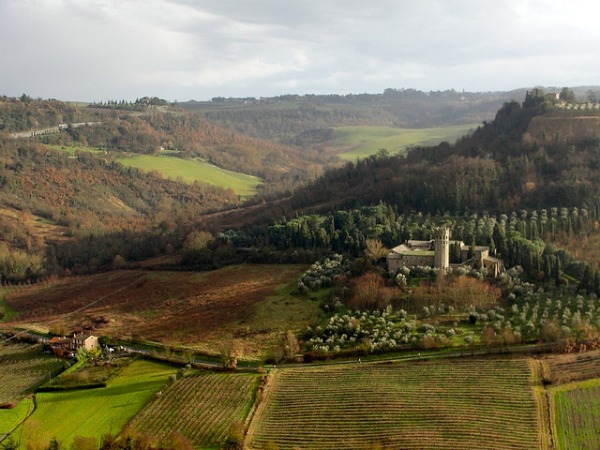
foto: Italylogue.com

foto: Italylogue.com

Si estuvieron en Umbria alguna vez, este perfume puede remover viejos recuerdos. Si no han visitado Umbria (aún), Bois d’Ombrie podría convencerlos de reservar unas vacaciones italianas apenas lo olisqueen. Umbria es una tierra pintada en una paleta de verde oscuro y dorado que deleita los sentidos con sus ricos colores, sabores y aromas. Sus trufas, funghi porcini, jabalí y aceitunas estimulan el apetito.

Compuesta por Bertrand Duchaufour para Eau d’Italie, esta compleja fragancia masculina logró también un seguimiento de culto entre las damas. Lanzada en 2006 junto con  Sienne l’Hiver, parece -en cierto modo- una fragancia hermana; pero mientras Sienne l’Hiver aparece casi etéreo en su refinamiento, Bois d’Ombrie se siente terreno y otoñal. Su cualidad ahumada es la de las hojas chamuscadas. Bois d’Ombrie es rico en textura y tan espeso como el bosque umbro.

La composición gravita alrededor de una nota de cuero profunda e inusual. Al olerlo resulta imposible escapar a visiones de hombres curtidos, reunidos alrededor del fuego, compartiendo cognac y cigarros después de la caza. La zanahoria silvestre añade amargor y el vetiver, una inquietante cualidad ahumada; con el paso del tiempo, la mezcla se endulza gradualmente con opopanax. Bois d’Ombrie presenta un matiz ligeramente agrio que recuerda el olor de la salmuera, también presente en Sienne L’Hiver y Eau d’Italie.

Damos fe, una vez más, del talento especialísimo de Duchaufour para conjugar maderas con resinas y alcoholes. Bois d’Ombrie se presenta en concentración eau de toilette, pero la sensación es más cercana a un eau de parfum.

Caro

Origen de la muestra: gentileza de Eau d’Italie

foto: Eauditalie.com

foto: Eauditalie.com

Eau d’Italie Bois d’Ombrie – Bittersweet symphony

If you have ever been to Umbria, this fragrance might stir old memories. If you haven’t visited Umbria (yet), Bois d’Ombrie might make you want to book an Italian holiday as soon as you sniff it. A land painted in a palette of dark green and gold, Umbria delights the senses with its rich colors, aromas and flavors. Appetite is excited by truffles, porcini mushrooms, wild boar, olives.

Composed by Bertrand Duchaufour for Eau d’Italie, this complex masculine fragrance also earned a cult following among the ladies. Launched in 2006 along  Sienne l’Hiver, it seems -in a way- a sister fragrance; but while Sienne l’Hiver appears almost ethereal in its refinement, Bois d’Ombrie feels earthly and autumnal. Its smokiness is that of charred leaves.  Bois d’Ombrie is richly textured and as thick as the Umbrian forest.

The composition gravitates around a deep and unusual leather note. Upon sniffing, it becomes impossible to escape visions of rugged men, gathered around the fireplace, enjoying cigars and cognac after the hunt. Wild carrot adds bitterness and vetiver, a haunting smokiness; the blend is gradually sweetened by opopanax. Bois d’Ombrie is pervaded by a certain briny impression, slightly sour, which is also present in Sienne L’Hiver and Eau d’Italie.

We attest, once again, to Duchaufour‘s special talent to blend woods with resins and booze. Bois d’Ombrie is available in eau de toilette concentration, but it wears close to an eau de parfum.

Caro

Origin of sample: courtesy of Eau d’Italie

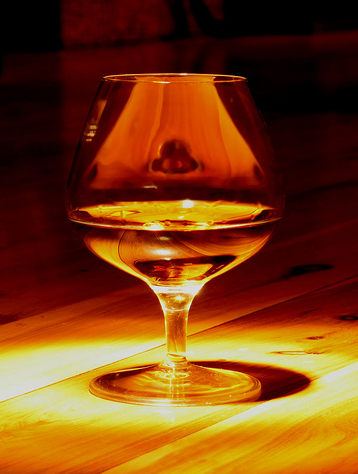
foto: Berceau-des-sens.ch

foto: Berceau-des-sens.ch