Tag Archives: almizcle – musk

Von Eusersdorff Classic Mimosa – Conmovedora inocencia

foto: Tasertail.deviantart.com/

foto: Tasertail.deviantart.com/

“¡Colonia de bebito! ¡Qué lindo! Es un floral transparente, suave y acuoso”… Sí, es cierto si quizás lo olemos desde la botella (au debouché) o durante los primeros 5 minutos después de haberlo aplicado sobre la piel. Pero después se percibe algo más, un bello y misterioso toque. ¿De qué se trata? No lo sé pero de lo que ahora sí estoy segura es que Classic Mimosa (2011) no es para bebitos.

El azahar –un almizclado balance perfecto entre floral blanco, hojas verdes y matices cítricos– ha sido siempre asociado con la colonia para bebés. El camino tomado por la casa Von Eusersdorff  para ensamblar este ingrediente con un inocente bouquet de rosavioleta y mimosa (Acacia Decurrens) es muy interesante porque, sin embargo, hay un aire de seriedad.

Aquella sensación inicial tan limpia se vuelve almendrada -a veces mullida, a veces mantecosa- debido a la mimosa. Ese es el suelo donde los pétalos de una rosa aterciopelada es espolvoreada por talco de violetas. Luego comienza una sinergia con la vainilla y el almizcle: la dulzura se hace más y más etérea e hipnótica.

Una hora después hay una ligera nota salada impregnando la composición de una forma maravillosa. No se trata de una salinidad marina: es el aroma de una lágrima brillante. Ahora puedo entender la razón por la que este eau de parfum femenino es delicado pero emocionalmente intenso.

Sin embargo, Classic Mimosa no es triste, sino conmovedor. Hace latir más fuerte al corazón y da alas para soñar o para mirar hacia atrás y recordar los buenos viejos tiempos.

Virginia

Origin de la muestra: Cortesía de Von Eusersdorff.

foto: Tribaspace.com

foto: Tribaspace.com

Von Eusersdorff Classic Mimosa – Soulful innocence

“Baby cologne! So cute! It’s a clear, soft, watery floral”… Yes, it’s true perhaps  when sniffing it directly from the bottle (au debouché) or during the first 5 minutes after it was applied onto the skin. But then one perceives something else, a mysterious and beautiful touch. What is it? I don’t know for sure but now I’m positive Classic Mimosa (2011) is not a babish fragrance.

Orange blossom has always been associated with baby cologne, a perfect musky balance between white floral, green leaves and citric hues. The path taken by  Von Eusersdorff house to assamble this ingredient with an innocent bouquet of rose, violet and mimosa (Acacia Decurrens) is very interesting because evertheless there is an air of seriousness.

That initial clean sensation becomes almondy -sometimes fluffy sometimes buttery- because of the mimosa. It’s the ground where velvety rose petals are dusted by violet powder. Then a synergy with vanilla and musk begins; the sweetness is more and more ethereal and hypnotic.

One hour later, there is a light salty note pervading the composition in a marvelous way. It is not an oceanic/beachy saltiness: this is the scent of a bright tear. Now I can understand the reason why this feminine eau de parfum is delicate but emotionally intense.

However Classic Mimosa is not sad, but soulful. It makes the heart beat faster and gives wings to dream on or look back on good old times.

Virginia

Origin of sample: sample courtesy of Von Eusersdorff.

foto: Torange.us

foto: Torange.us

Vero Profumo Mito (voile d’extrait) – Curvas peligrosas

imagen: Commons.wikimedia.org artista: Willem van Aelst  "Naturaleza muerta con ratón", 1674

imagen: Commons.wikimedia.org    artista: Willem van Aelst    “Naturaleza muerta con ratón”, 1674

En 2013, la perfumista suiza Vero Kern lanzó una nueva concentración para sus cuatro fragancias (Kiki, Rubj, Onda y Mito): voile d’extrait, equivalente en potencia a un eau de parfum. La fórmula es en este caso  similar a la de sus extractos.  Debe notarse que las eaux de parfum de la línea Vero Profumo consisten en una fórmula diferente y la mayoría de ellas presenta una nota característica de  fruta de la pasión (maracuyá).

Los voiles d’extrait resultan ideales para quienes encuentran engorroso el ritual de aplicar su perfume con la tapita del frasco. Me complace reportar que la concentración más ligera no va en detrimento de su sustancialidad: los voiles se sienten menos compactos pero aun así potentes. Debido a esta menor densidad resulta mucho más fácil apreciar las distintas notas en ellos que en los extraits.

Mito voile d’extrait vuelve a trabajar el motivo de los jardines de la Villa d’Este y mantiene el burbujeo del eau de parfum original. Luego de la salida -alimonada, jugosa- se nutre de una abundante dosis de tuberosa y durazno (aquí pueden apreciarse con facilidad los aspectos gomosos de un absoluto de tuberosa excepcional). El verdor musgoso ofrece un fondo de terciopelo oscuro para las flores y frutas. En consecuencia, aunque  tan umbrío como su predecesor, se vuelve mucho más carnoso, curvilíneo. Si Mito EdP podía apagar la sed con su amargor efervescente, Mito VdE, en cambio, abre el apetito e invita a morder. La fragancia hace un guiño a los magníficos chipres de antaño a través de la cualidad chispeante de Cristalle, la madurez de Femme (vintage) y la oscuridad de Mitsouko, pero tiene su propia identidad. La sensación atemporal y el erotismo presentes en todas las creaciones de la Srta. Kern brillan en esta joyita.

Caro

Origen de la muestra: Muestra gentileza de Campomarzio 70

Pueden leer nuestra reseña de Mito eau de parfum aquí

foto: Bloomperfume.co.uk

foto: Bloomperfume.co.uk

Vero Profumo Mito (voile d’extrait) –  Dangerous curves

In 2013 Swiss nose Vero Kern launched a new concentration for her four fragrances (Kiki, Rubj, Onda and Mito): voile d’extrait, equivalent in strength to eau de parfum. The formula, in this case, is similar to that of her extraits.  One must note that the eaux de parfum in the Vero Profumo range consist of a different formula  and most of them boast a characteristic  passionfruit note.

The voiles d’extrait are  ideal for those who are not too fond of the ritual of dabbing. I am happy to report that the lighter concentration doesn’t detract from their substantiality: the voiles feel less compact though still potent. Due to this lesser density, it becomes much easier to appreciate the different notes in them than in the extraits.

Mito voile d’extrait reworks the motif of the Villa d’Este gardens and retains the bubbliness of the original eau de parfum. After the opening –  lemony, juicy it is fed a generous dose of tuberose and peach (the rubbery aspects of an outstanding tuberose absolute can be easily appreciated here). The mossy greenness provides a dark velvety backdrop for the fruits and flowers. In consequence, and although it remains as shady as its predecessor, it becomes much fleshier, curvier. If Mito EdP could quench one’s thirst with its effervescent bitterness, Mito VdE  whets one’s appetite and invites to take a bite. The fragrance nods at the magnificent chypres of yore through the sparkling quality of Cristalle, the ripeness of (vintage) Femme and the darkness of Mitsouko, but it has its own identity. The timeless feel and eroticism present in all of Ms. Kern‘s creations shine in this jewel of a fragrance.

Caro

Origin of sample: Sample courtesy of Campomarzio 70

You may read our thoughts on Mito eau de parfum here

imagen: Commons.wikimedia.org artista: Willem van Aelst  "Naturaleza muerta con canasto de frutos en un estante de mármol", 1650

imagen: Commons.wikimedia.org       artista: Willem van Aelst      “Naturaleza muerta con canasto de frutos en un estante de mármol”, 1650

Lorenzo Villoresi Wild Lavender – Tiempos pasados

foto: Saint-antonin-noble-val.com

foto: Saint-antonin-noble-val.com

Wild Lavender fue creado en 1996 por el perfumista florentino Lorenzo Villoresi. Una fragancia clásica, inspirada por las eaux de toilette inglesas de los 1800s, que huele sencilla y sin pretensiones. Es esta una lavanda directa, no velada por la vainilla; lejos del clásico Caron pour un Homme y en las antípodas de mi bienamado, el frívolo Kiki.

Limpia y masculina en una manera nostálgica,Wild Lavender nunca deja de recordarme a mi abuelo y a mi padre, quienes coronaban el diario ritual de afeitado con una dosis generosa de eau de cologne a la lavanda (el Abuelo usaba una destilada en su Bulgaria natal, Papá prefería Atkinson’s). Siempre percibí el aroma de la lavanda como especialmente reconfortante y honesto; en parte por las asociaciones con estos caballeros, en parte por las virtudes de la planta (quizás su aceite esencial sea el más noble de todos: antibacteriano, antimicótico, analgésico, antiséptico, sedante, anti-inflammatorio, diurético y una larga lista de etcéteras).

Villoresi pinta su retrato de la lavanda de una manera hiperrealista, en la que cada hierba y cada especia juegan un rol clave en la reconstrucción del aroma de una brizna. La salida vibra con una nítida nota de limón mientras el verdor del gálbano evoca la frescura de los tallos. En el corazón, la lavanda aparece festoneada con los matices complementarios de la salvia esclarea y el romero. Revitalizante al extremo, Wild Lavender exalta los aspectos verdes, herbáceos y especiados de la planta. Un tenue dulzor, brindado por el haba tonka y el  almizcle, aflora apenas en el fondo.

Aunque no se destaca por su longevidad, el efecto general es tradicional y hermoso.

Caro

Origen de la muestra: Muestra gentileza de Lorenzo Villoresi

foto: Lorenzovilloresi.it

foto: Lorenzovilloresi.it

Lorenzo Villoresi Wild Lavender – Times gone by

Wild Lavender was created in 1996 by Florentine perfumer Lorenzo Villoresi. A classic fragrance inspired by the English eaux de toilette of the 1800s, it smells unpretentious and uncomplicated. This is a straighforward lavender; not mellowed by vanilla, far from the classic Caron pour un Homme and at the antipodes of my beloved, the frivolous Kiki.

Clean and masculine in a nostalgic way, Wild Lavender never fails to remind me of  my grandfather and father, both of whom would finish their daily shaving ritual with a generous dose of lavender eau de cologne (Grandpa preferred one distilled in his homeland, Bulgaria, while Dad wore Atkinson’s). The scent of lavender has always felt especially comforting and honest to me; partly because of the associations with these gentlemen, partly because of the virtues of the plant (its essential oil is perhaps the noblest of them all: antibacterial, antifungal, analgesic, antiseptic, sedative, anti-inflammatory, diuretic and a long list of et cetera).

Villoresi paints his rendition of lavender in a hyperrealistic manner in which every herb, every spice in the composition plays a role in the reconstruction of the scent of a fresh sprig. The opening  vibrates with a nitid lemon note while the greenness of galbanum evokes the freshness of the stems. At the heart,  lavender appears edged with the complementary nunaces of clary sage and rosemary. Vivifying to the extreme, Wild Lavender exalts the  green, herbal and spicy aspects of the plant. A slight sweetness, given by tonka and musk, only appears timidly in the drydown.

Although longevity is not exactly outstanding, the overall effect is conservative and beautiful.

Caro

Origin of sample: Sample courtesy of Lorenzo Villoresi

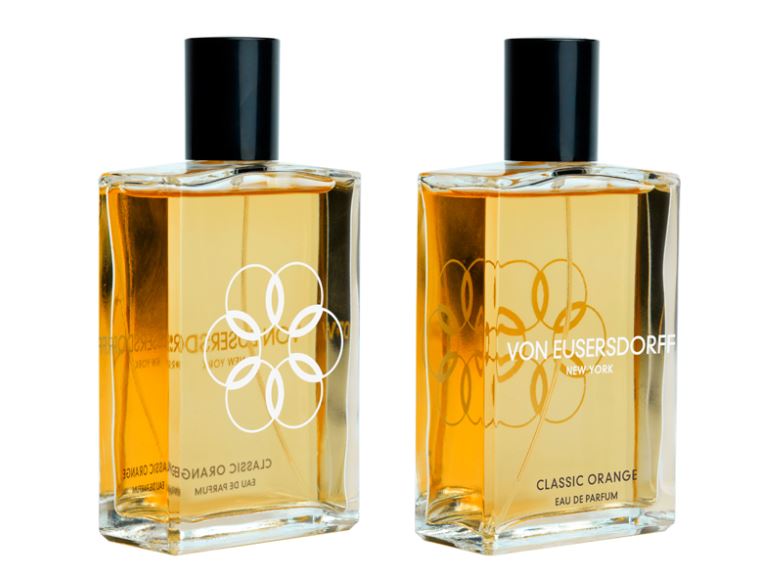
Von Eusersdorff Classic Orange – Cítrico paradojal

foto: En.wikipedia.org  fotógrafa: Brianna Lehman

foto: En.wikipedia.org    fotógrafa: Brianna Lehman

Classic Orange evita los clichés de la mayoría de los perfumes cítricos. No se siente particularmente fresco, sino que refresca con una calidez que recuerda a la de la piel entibiada por el sol.

Estas son noticias excelentes, al menos para mí: una de mis tareas más difíciles en verano es encontrar un aroma que se adecue a la estación, pero que no se sienta demasiado frío.  Por más vitalizantes que sean, excluyo limones y menta y gravito hacia el resplandor dorado de mandarinas o naranjas.

Classic Orange, presentado en 2013, no es hesperidado y prefiere jugar con el fruto entero en lugar de limitarse a la corteza. La pulpa fresca y el jugo de la naranja sanguina se combinan con los tonos verdes, sutilmente florales, del petitgrain. Engañosamente simple al comienzo, muta lentamente en una gamuza suave -acariciadora, casi táctilcon gradaciones más oscuras de . Los matices de damasco, tan característicos del osmanto, brindan dulzura y una textura aterciopelada. Frutas florales y flores afrutadas; la paradoja se  intensifica en una evolución siempre fluida, sin estridencias. El fruto resultante es sensual y cálido, con un fondo almizclado.

La proyección de Classic Orange es moderada y la longevidad, excelente para un cítrico. El resultado general logra animar el espíritu con refinamiento.

Incluso su servidora, amante confesa de perfumes enormes y complejos, se ha rendido ante el encanto de esta joyita naranja.

Caro

Origen de la muestra: muestra cortesía de Von Eusersdorff

foto: Voneusersdorff.com

foto: Voneusersdorff.com

Von Eusersdorff Classic Orange – Paradoxical citrus

Classic Orange avoids the clichés of most citrusy fragrances. It doesn’t feel particularly fresh; instead, it refreshes with a warmth akin to that of sunkissed skin.

This is wonderful news, at least for me: one of my most difficult tasks in Summer is finding a scent that is season-appropriate yet doesn’t feel too chilly. As vivifying as they might be, I rule out lemons and mint and gravitate toward the golden glow of  tangerines and oranges instead.

Classic Orange, launched in 2013, is not hesperidic and prefers to play with the whole fruit rather than limit itself to the rind. The fresh pulp and juice of blood oranges is paired with the verdant, subtly floral tonalities of petitgrain. Deceivingly simple at the beginning, it slowly morphs into soft suede -caressing, almost tactile- with darker hints of tea. The characteristic apricot-like nuances of osmanthus add sweetness and a velvety texture. Floral fruits and fruity flowers; the paradox intensifies along an evolution which is always smooth, without stridencies. The resulting fruit is warm and sensuous, with a musky drydown.

Projection in Classic Orange is moderate and longevity excellent for a citrus fragrance. The overall result is uplifting and refined. Even yours truly, self-confessed lover of big perfumey fragrances, has fallen prey to the charm of this little orange gem.

Origin of sample: Sample courtesy of Von Eusersdorff

foto: Otg.de

foto: Otg.de

Oriza L. Legrand Jardins d’Armide – Entre tules y flores

imagen: Wga.hu artista: Louis-Jean-François Lagrenée  Rinaldo y Armida, 1766

imagen: Wga.hu     artista: Louis-Jean-François Lagrenée       Rinaldo y Armida, 1766

Armida, la hechicera sarracena, era un motivo recurrente en las artes de los siglos XVII y XVIII. Ópera, ballet y pintura rindieron tributo a su belleza.  Cuenta la historia que Armida llevó a Rinaldo -su querido cruzado- a un jardín encantado para mantenerlo prisionero.  Existen distintos finales dependiendo de la versión:  La Jerusalén Libertada, el poema épico de Torquato Tasso, concluye con Armida y Rinaldo juntos, reinando felices por siempre.

Aunque ya había intercambiado unas palabras con Monsieur Lambert (pueden leer nuestra entrevista con él aquí) y conocía sobre el patrimonio histórico de la casa, no había probado ninguno de sus perfumes. Cuando nuestra colega bloguera Kafka celebró un generoso sorteo de Oriza L. Legrand el mes pasado, me zambullí con ansias y resulté una de las ganadoras. Unas semanas después, chillaba de emoción (y no exagero) mientras abría la caja recién llegada de París.

Jardins d’Armide es un floral seriamente atalcado. Originalmente compuesto en 1909, ha sido reorquestado recientemente con materias primas modernas. La atmósfera de la Belle Époque está definitivamente presente y sin embargo no resulta anticuado. Au debouché, percibo las violetas atalcadas que estaban tan en boga a principios del 900, pero al rociarlo, oigo cantar a los ángeles, veo flores cayendo del cielo y siento tules de tonos pastel envolviéndome. Y no, no estoy alucinando.

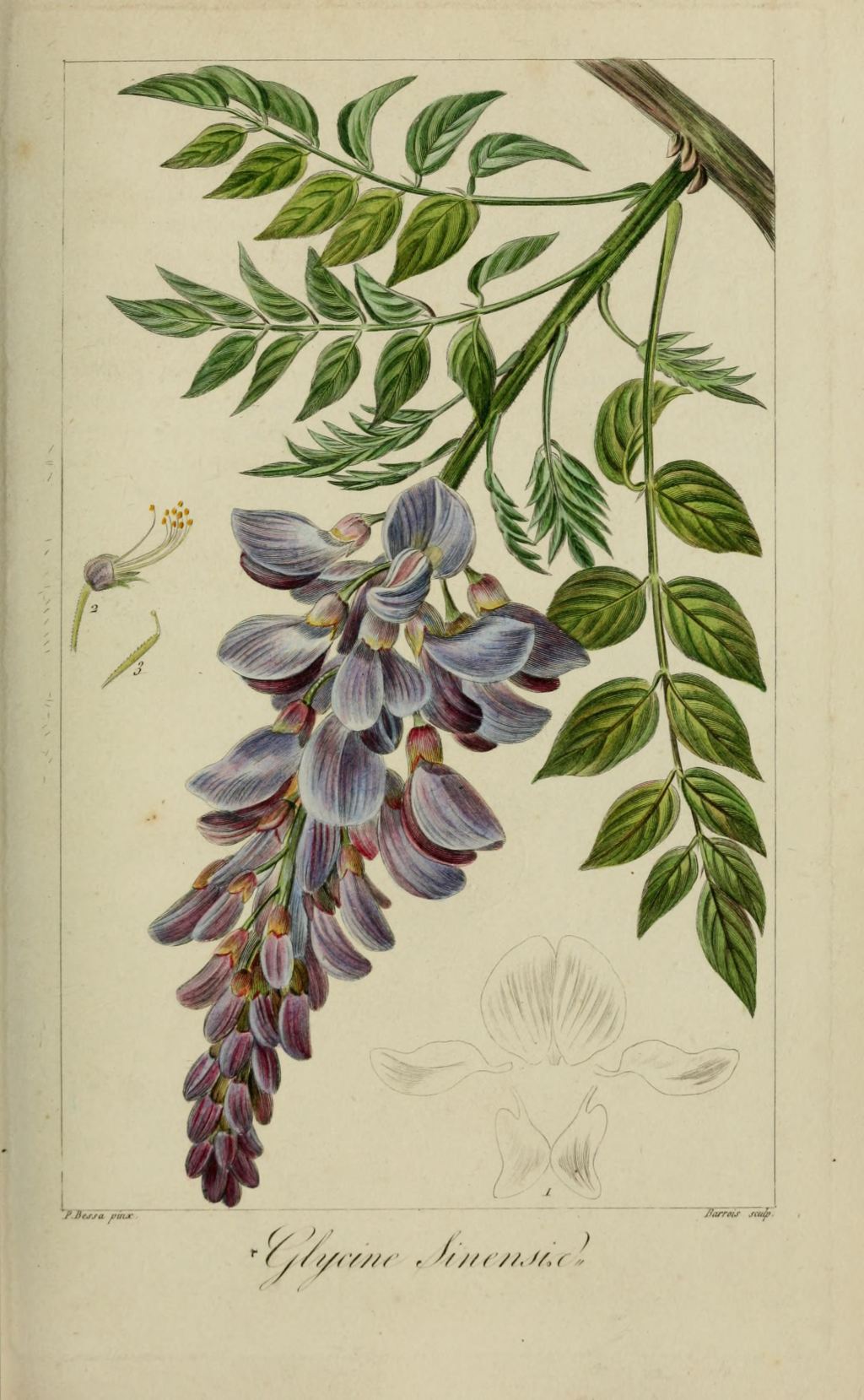
Los aspectos rosados-verdes-cítricos del  geranio se funden en una nítida nota de rosa que se torna, progresivamente, meliflua y cremosa. Armide ahora adquiere el dulzor de los bombones; para ser precisa, me recuerda vívidamente al loukoum  (rosa, almendras, miel, azúcar impalpable) pero nunca cruza la línea gourmand. Sigue siendo un magnífico floral atalcado en el que rosas, azahares y glicinas descansan sobre una base de almizcle blanco.  Se manifiesta una leve sensación cosmética debido a la cremosidad, al polvo y a la jabonosidad transmitida por la combinación de  flor de naranjo y almizcles blancos. Lo encuentro reconfortante pero no relajado en exceso y en modo alguno casual. Si los jardines de Armida olían de esta forma, puede entenderse el deseo de quedar prisionero allí.

Un solo spritz basta para quedar envuelta en una nube fragante por buena parte del día. Escala posiciones hacia mi top 5.

Caro

Origen de la muestra:  sorteo de Oriza L. Legrand realizado en Kafkaesque

foto: Orizaparfums.com

foto: Orizaparfums.com

Oriza L. Legrand Jardins d’Armide –  Amidst tulle and flowers

Armida, the Saracen sorceress, was a recurring motif in the arts of the XVII and XVIII centuries. Painting, opera and ballet paid tribute to her beauty. The story goes that Armida took Rinaldo -her beloved crusader- to an enchanted garden in order to keep him captive. There are different endings depending on the version:  Jerusalem Delivered, the epic poem by Torquato Tasso, concludes with both Armida and Rinaldo together, reigning happily ever after.

Although I had already exchanged a few words with Monsieur Lambert (you may read our interview with him here) and knew about the historical heritage of the house, I had not tried any of their fragrances. When fellow blogger Kafka hosted a generous Oriza L. Legrand last month, I eagerly  jumped in and became one of the lucky winners. A few weeks later, I was shrieking with excitement (no exaggeration) as I tore open the box which had just arrived from Paris.

Jardins d’Armide is a seriously powdery floral.Originally composed in 1909, it has been recently reorchestrated employing modern raw materials. The Belle Époque atmosphere is clearly present, nonetheless it doesn’t feel dated. Au debouché, I perceive the powdery violets that were so in vogue at the turn of the century but when I spritz it on, I hear angels sing, see flowers falling from the skies and feel pastel colored tulle wrapping around me. And no, I am not hallucinating.

The rosy-green-citrusy aspects of geranium fade into a clear rose note which becomes progressively honeyed and creamy. Armide now acquires the sweetness of bonbons; to be precise, it strongly reminds me of Turkish delight (rose, almond, honey, icing sugar) but never crosses the gourmand line. It remains a magnificent powdery floral in which roses, orange blossom and wisteria rest on a white musk base. A slight cosmetic feel manifests itself due to the creaminess, the powder and the soapiness conveyed by the orange blossom and white musks pairing. I find it comforting but not excessively relaxed and definitely not casual. If Armida‘s gardens smelled like this, one could understand the wish to remain captive there.

Just one spritz suffices to become wrapped in a fragrant cloud for the best part of the day. Straight to my top 5 it goes.

Caro

Origin of sample: Oriza L. Legrand draw hosted at Kafkaesque

imagen: Environnement.ecole.free.fr

imagen: Environnement.ecole.free.fr