Divagaciones sobre la Belleza

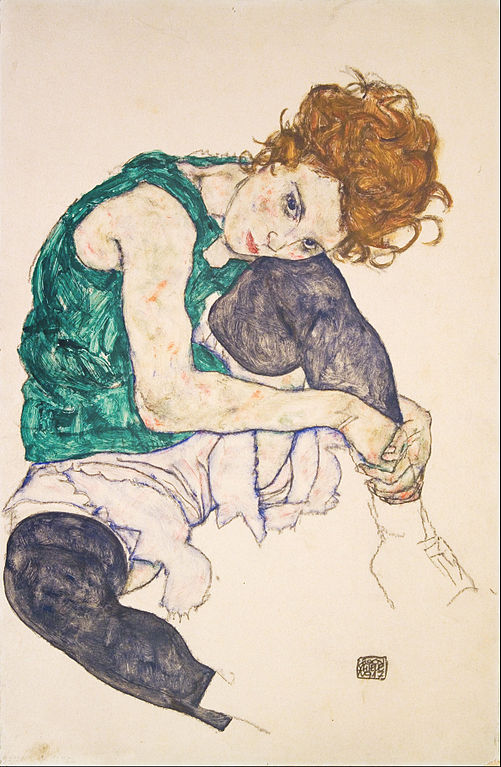
foto: Commons.wikimedia.org artista: Egon Schiele, "Mujer sentada con piernas levantadas", 1917

foto: Commons.wikimedia.org artista: Egon Schiele, “Mujer sentada con la pierna izquierda levantada”, 1917

¿ Alguna vez han olido un perfume tan bello que provocara ganas de llorar? De esos que, al inhalar una y otra vez, haría temer que el corazón se haga mil añicos.
Quizás esta fragancia los sumergió en algún libro que habían leído con anterioridad, evocó el primer dolor amoroso o sólo fue tan trascendente y conmovedora que se sintió casi como una epifanía.

Amén de la perfección técnica y la influencia de nuestros gustos personales hay elementos menos obvios que nos llevan de disfrutar un perfume a sentir mariposas en el estómago cada vez que lo usamos. Esta emoción, similar al enamoramiento (intensa y placentera pero generadora también de cierta inquietud), se da cuando lo familiar y lo extraño juegan a las escondidas en la misma composición.

La belleza no tiene que ver con una armonía perfecta; debe tener un elemento que perturbe, provoque o esté en disonancia a fin de elevarse por sobre lo meramente bonito. Necesita de lo inesperado, de un elemento sorpresa: un picor similar a una pequeña explosión, una dosis un poco demasiado generosa de jengibre sobre un vetiver sequísimo, una nota de cannabis entre sándalo y especias, flores que se desvanecen en una bruma atalcada. En su Ensayo XX, Francis Bacon escribe que “No existe belleza exquisita sin alguna irregularidad en la proporción”. Las composiciones más brillantes son dinámicas y presentan tensión,  coqueteando con lo sacro y lo profano, inocencia y experiencia, limpieza y suciedad.

Es necesaria una libertad absoluta -o por lo menos grande- a fin de poder lograr belleza sobrecogedora ya que la individualidad es un factor clave. Los mejores creadores se destacan por trabajar devotamente y escuchando a sus corazones en vez de inclinarse ante modas pasajeras. Expresan su cosmovisión; su propia percepción de la vida y la naturaleza se tamiza a través de su arte y se convierte en líquido precioso.

Cuando la pasión, habilidad técnica meticulosa y materias primas de excelente calidad se encuentran, suceden los milagros . Y si la pócima en cuestión, de alguna manera, refleja la personalidad del usuario, traduce sus sueños o toca una fibra interna, entonces, mis queridos, pueden estar seguros de que es amor verdadero.

Caro
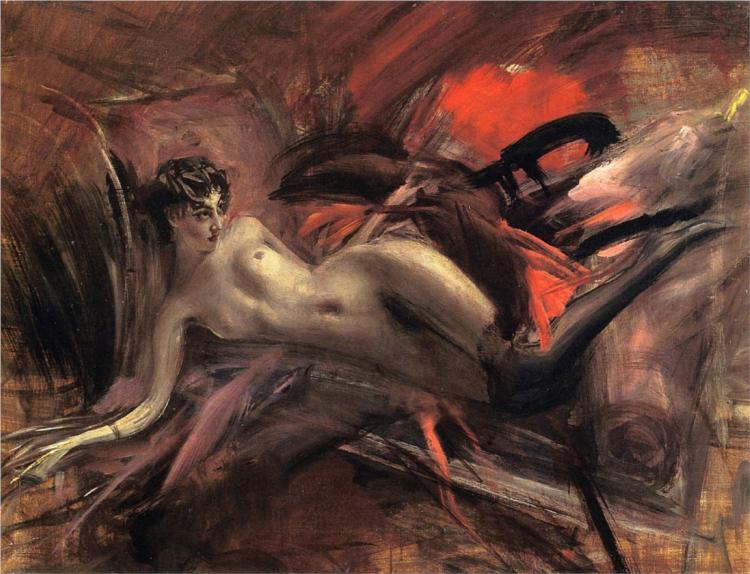
 

imagen: Wikipaintings.org  artista: Giovanni Boldini, Reclining nude, 1930

imagen: Wikipaintings.org     artista: Giovanni Boldini, “Nudo sdraiato”, 1930

Musings on Beauty

Have you ever smelled a fragrance so beautiful it made you want to cry? One of those which, upon inhaling once and again, made you fear your heart would break into a myriad pieces. Perhaps this fragrance submerged you into some book you had read, evoked the first heartache or was just so trascendental and moving it felt almost like an epiphany.

Besides technical perfection and the influence of our personal tastes there are less obvious elements that make us go beyond enjoying a fragrance to feeling butterflies in our stomach every time we wear it. This emotion, akin to falling in love (intense and pleasant but which  also generates a certain restlessness), happens when both the familiar and the strange play hide and seek in the same composition.

Beauty is not about perfect harmony; it should have an element of disturbance, dissonance or provocation in order to rise above mere prettiness. It needs the unexpected, an element of surprise: a pungency akin to a small explosion, a too generous sprinkling of ginger over the driest vetiver, a note of cannabis amidst sandalwood and spices, flowers that fade into powdery haze. On his Essay XX, Francis Bacon states that “There is no exquisite beauty  without some irregularity in the proportion”.

The most brilliant compositions are dynamic and show tension,  flirting with both the sacred and the profane, innocence and experience, cleanliness and dirt. Absolute -or at least great- freedom is needed in order to achieve breathtaking beauty as individuality is a key factor. The best creators are known for working devotedly and following their hearts instead of bowing to passing trends. They express their cosmovision; their own perception of life and nature is sieved through their art and transformed into precious liquid.

When passion, meticulous craftsmanship and raw materials of excellent quality meet, miracles occur. And if the creation in question happens to somehow reflect the wearer’s personality, translate his/her dreams or strike an inner chord, then, my dears, rest assured it is true love.

Caro
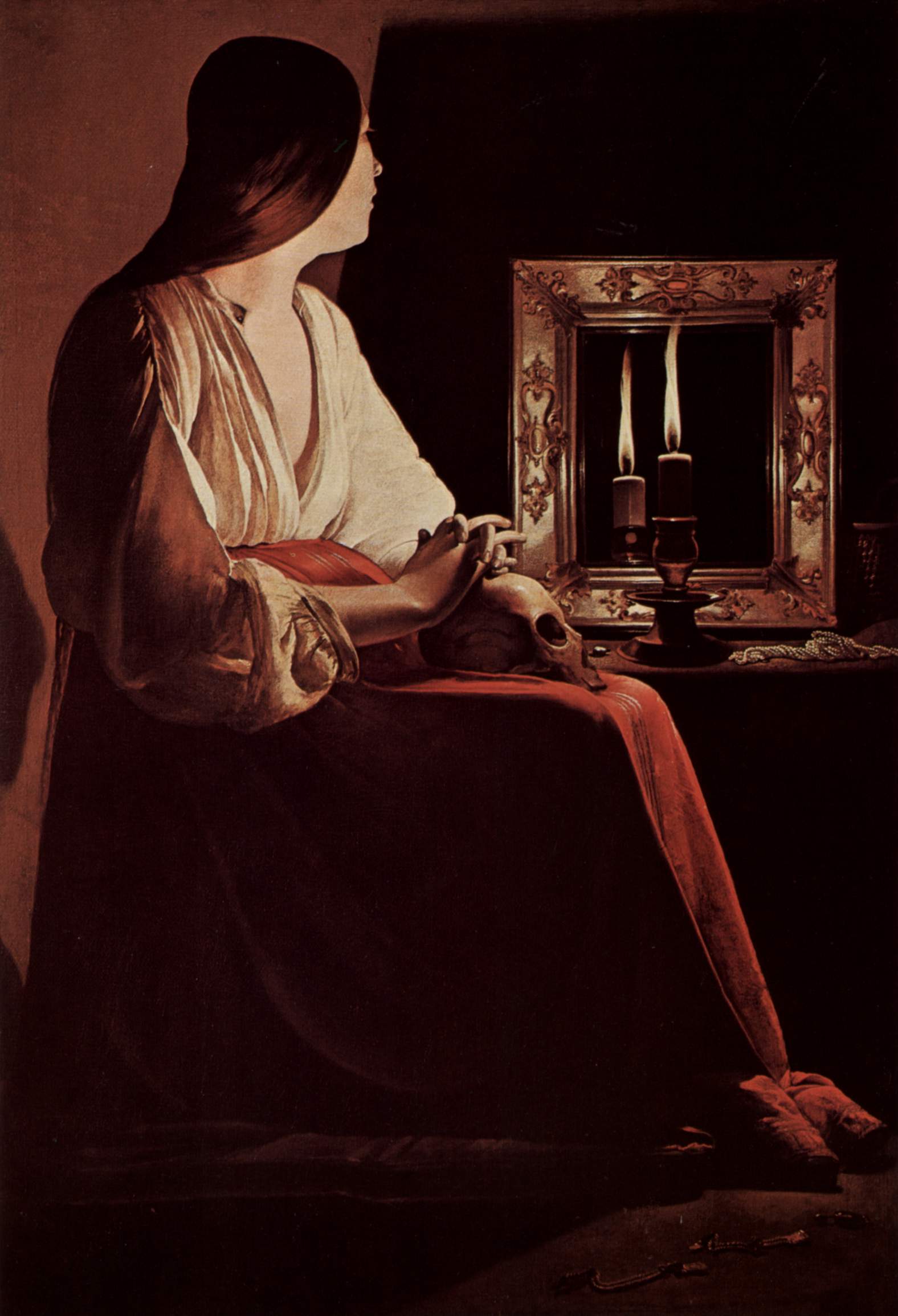
imagen: Wikimedia.org  artista: Georges de La Tour, "La Madeleine aux deux flammes", siglo XVII

imagen: Wikimedia.org artista: Georges de La Tour, “La Madeleine aux deux flammes”, siglo XVII


Cognoscenti Scent No. 8 Aldehydic Oakmoss- Matices de un solo ambarado

foto: Martinbillerviolins.com

foto: Martinbillerviolins.com

El sonido del cello es vibrante, grave pero capaz de lograr trazos agudos. Su intensidad es fluída y envolvente; su espíritu, equilibrado y clásico. Los matices más sublimes que puede ofrecer este instrumento solo -sin ningún otro que lo acompañe- se  experimentan en piezas como la tan bella y afamada Suite No.1 para Cello en Sol Mayor de Johann Sebastian Bach.

Si el sonido de esta suite tuviera una traducción al plano olfativo, sería muy similar a Scent No.8 Aldehydic Oakmoss de Cognoscenti. El cello en sí mismo serían los aldehídos, con su impronta atemporal pero formal que va de lo chispeante hasta lo apolvado. Las variaciones de armonía y las diversas tonalidades ejecutadas serían los demás ingredientes, que ofrecen un contrapunto en segundo plano, insuflando matices sin robar protagonismo al “instrumento”.

El inicio es verde y chirriante: la bergamota pareciera agregarle chispas que cosquillean. Luego un color ambarado crece rápidamente cubriendo por completo la composición, derramando un translúcido velo dorado y tibio sobre el aldehído (C-12 Láurico). Se da lugar entonces a una animada danza floral, dulce y cremosa entre el ylang ylang, el haba tonka y el cacao.

La Suite No.1 siempre queda resonando por un buen rato en la cabeza, especialmente las partes más ásperas de la melodía. Del mismo modo, sobre la piel persiste durante horas una textura aldehídica combinada con la rusticidad del acorde de cuero, la oscuridad del vetiver y del musgo de roble y los resabios amaderados que dejó a su paso la nota de cedro Atlas.

Tal como su creadora Dannielle Sergent nos había adelantado en una entrevista, esta fragancia es la más nueva de la colección y fue lanzada en noviembre del 2013.

Virginia

Origen de la muestra: cortesía de la marca.

Image

Cognoscenti Scent No. 8 Aldehydic Oakmoss- Hues of an ambery solo

The sound of a cello is vibrant, bass but able to get sharp strokes. Its intensity is fluid and enveloping; its spirit, balanced and classic. The most sublime nuances that this instrument can give on its own -without any other accompanying – are experienced through pieces so beautiful and famous as the Cello Suite No.1 in G Major by Johann Sebastian Bach.

If the sound of this suite had an olfactory translation, it would be very similar to Scent No.8 Aldehydic Oakmoss by Cognoscenti. The cello itself would be represented by the aldehydes, with their timeless yet formal trademark that goes from scintillating to powdery facets. The variations in harmony and diversely executed tonalities would be portrayed by the other ingredients, which offer a counterpoint in the background, insulating hues without stealing the limelight from the “instrument”.

The beginning is green and squeaky: bergamot seems to add sparks that tickle. Then an amber accord grows and quickly covers the whole composition by placing a translucent veil, golden and warm, on the aldehyde (C -12 Lauric). Then a lively floral, sweet and creamy dance occurs between ylang ylang, tonka bean and cocoa.

The Suite No.1 keeps ringing for a while on the head, especially the rougher parts of the melody. In a similar way, the aldehydic texture persists on the skin for hours combined with the rusticity of a leather accord, the darkness of vetiver and oakmoss, and the woody aftertaste that is left behind the Atlas Cedarwood note.

As its creator Dannielle Sergent had told us in an interview, this is the newest fragrance of the collection and it was released in November 2013.

Virginia

Origin of sample: vial courtesy of the brand.

foto: Orgs.usd.edu

foto: Orgs.usd.edu

Tour olfativo y fotográfico – Jardines y cercos suburbanos

foto: Virginia Blanco

foto: Virginia Blanco

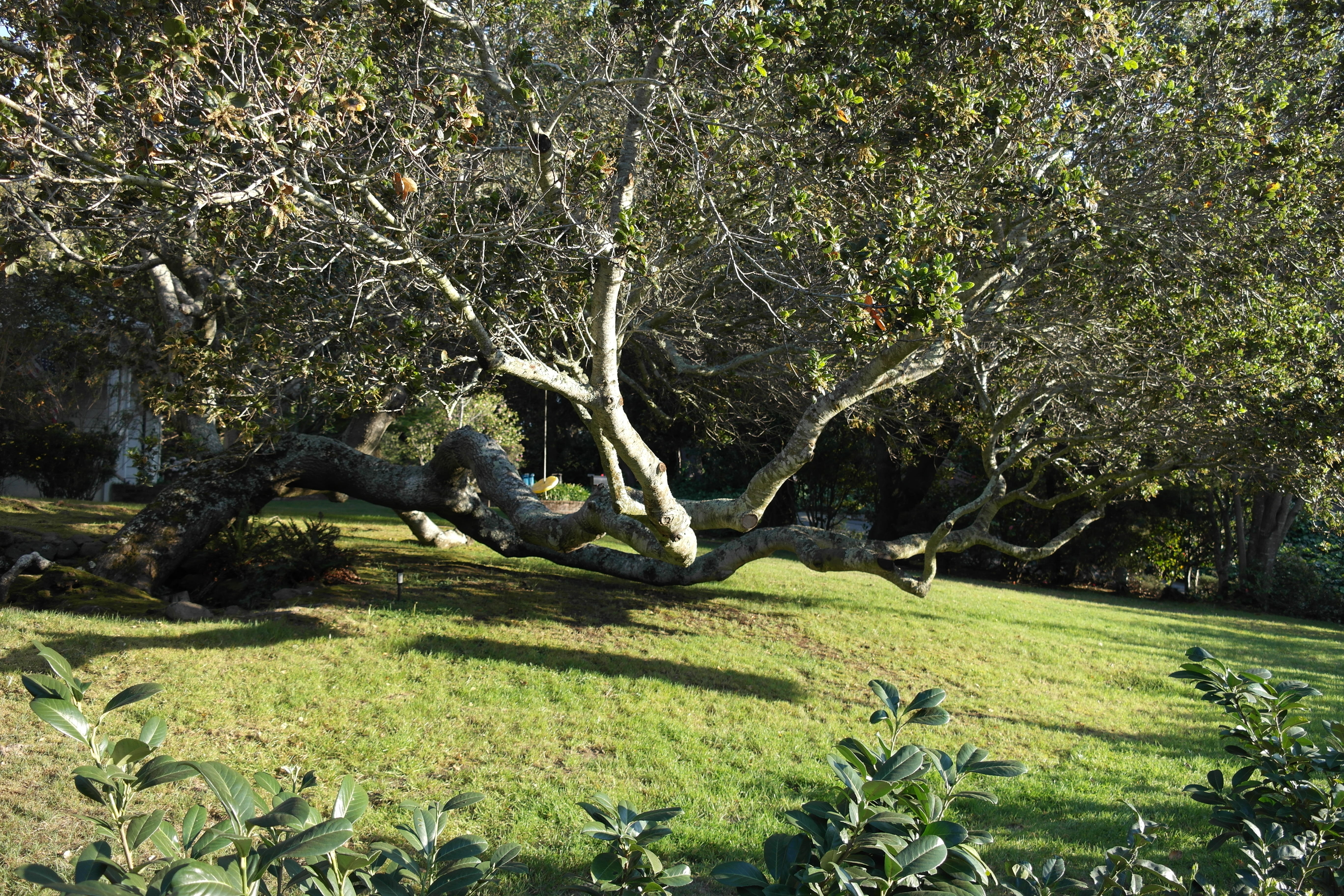
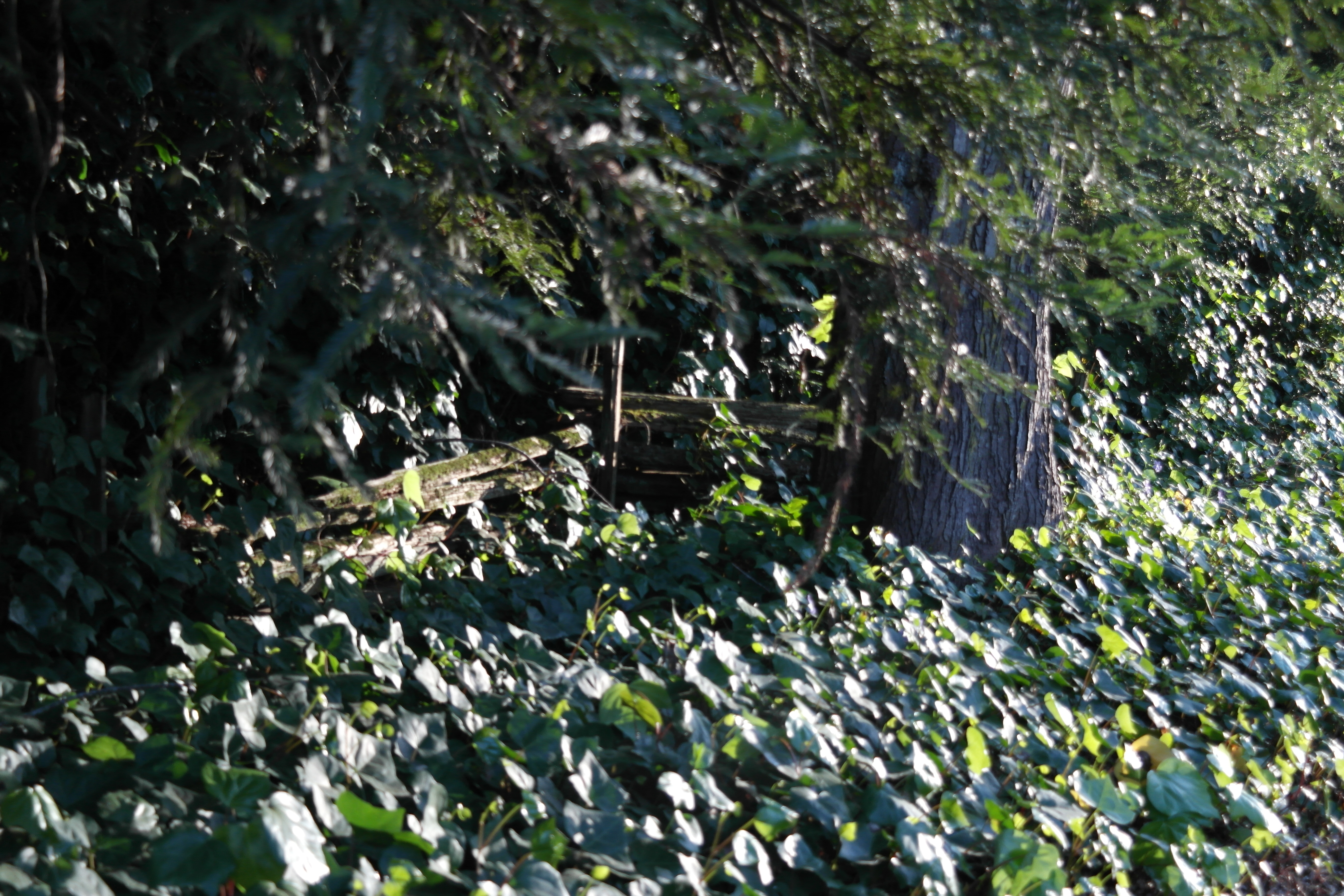
De caminata exploratoria por algunas de las zonas más residenciales de la Bahía de San Francisco, uno puede encontrarse con jardines de lo más diversos. En los frentes de cada casa coexisten pequeñas plantas con frondosos árboles; también flores de intenso aroma con otras inodoras pero sumamente atractivas a los ojos.

Incluso algunos, más que jardines, parecen parques obedeciendo al contexto, ya sea de casas tipo cottage, inmensas construcciones castillescas o mansiones estilo Beverly Hills. A todas ellas las envuelve una mezcla de aroma a jazmín, con flor de naranjo y de limonero, tierra y rosas.

Virginia

foto: Virginia Blanco

foto: Virginia Blanco

Olfactive and photographic tour – Suburban gardens and hedges

Taking an exploratory hike through some of the residential areas of San Francisco Bay one can find the most diverse gardens. In front of each house small plants coexist with lush trees, so do flowers with intense aroma and others which are odorless but highly attractive to the eye.

Some gardens even look like parks in obedience to the context: either of cottage type houses, huge castle-like mansions or those built in Beverly Hills style. All of them are surrounded by a blend of jasmine with orange and lemon blossoms, soil and roses.

Virginia

foto: Virginia Blanco

foto: Virginia Blanco

foto: Virginia Blanco

foto: Virginia Blanco

foto: Virginia Blanco

foto: Virginia Blanco

foto: Virginia Blanco

foto: Virginia Blanco

foto: Virginia Blanco

foto: Virginia Blanco

foto: Virginia Blanco

foto: Virginia Blanco

foto: Virginia Blanco

foto: Virginia Blanco

foto: Virginia Blanco

foto: Virginia Blanco

foto: Virginia Blanco

foto: Virginia Blanco

foto: Virginia Blanco

foto: Virginia Blanco

foto: Virginia Blanco

foto: Virginia Blanco

foto: Virginia Blanco

foto: Virginia Blanco

foto: Virginia Blanco

foto: Virginia Blanco

foto: Virginia Blanco

foto: Virginia Blanco

foto: Virginia Blanco

foto: Virginia Blanco

foto: Virginia Blanco

foto: Virginia Blanco

foto: Virginia Blanco

foto: Virginia Blanco

foto: Virginia Blanco

foto: Virginia Blanco

Letras Perfumadas – “Oda a la jardinera” de Pablo Neruda

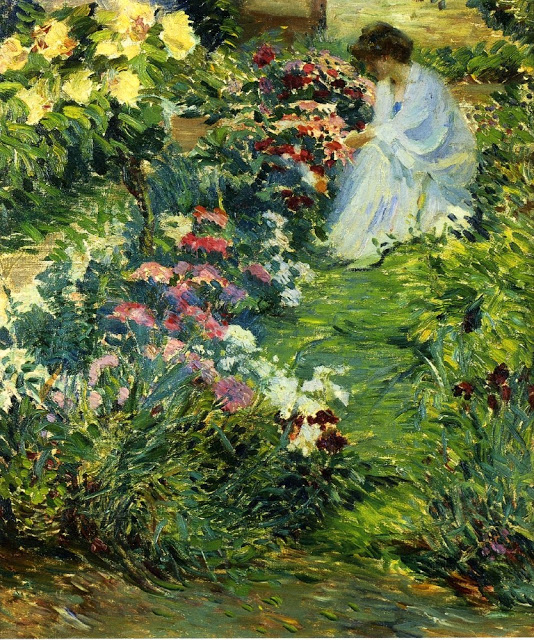
imagen: Bjws.blogspot.com Woman in a Garden  artista: John Leslie Breck (1860-1899)

imagen: Bjws.blogspot.com   Woman in a Garden   artista: John Leslie Breck (1860-1899)

Sí, yo sabía que tus manos eran
el alhelí florido, la azucena
de plata;
algo que ver tenías
con el suelo,
con el florecimiento de la tierra,
pero
cuando
te vi cavar, cavar,
apartar piedrecitas
y manejar raíces
supe de pronto,
agricultora mía,
que
no sólo
tus manos,
sino tu corazón
eran de tierra,
que allí
estabas
haciendo
cosas tuyas,
tocando
puertas
húmedas
por donde
circulan
las
semillas.

Así, pues,
de una a otra
planta
recién
plantada,
con el rostro
manchado
por un beso
del barro,
ibas
y regresabas
floreciendo,
ibas
y de tu mano
el tallo
de la astromelia
elevó su elegancia solitaria,
el jazmín
aderezó
la niebla de tu frente
con estrellas de aroma y de rocío.
Todo
de ti crecía
penetrando
en la tierra
y haciéndose
inmediata
luz verde,
follaje y poderío.
Tú le comunicabas
tus semillas,
amada mía,
jardinera roja.
Tu mano
se tuteaba
con la tierra
y era instantáneo
el claro crecimiento.

Amor, así también
tu mano
de agua,
tu corazón de tierra,
dieron
fertilidad
y fuerza a mis canciones.

Tocas
mi pecho
mientras duermo
y los árboles brotan
de mi sueño.
Despierto, abro los ojos,
y has plantado
dentro de mí
asombradas estrellas
que suben con mi canto.

Es así, jardinera:
nuestro amor
es
terrestre:
tu boca es planta de la luz, corola,
mi corazón trabaja en las raíces.

Pablo Neruda 

Tercer libro de las odas Buenos Aires, Losada, 1957.

La Modernidad nos ha quitado -entre otras cosas- la costumbre del contacto cotidiano con la tierra: su olor, su textura, su humedad, su temperatura. Hemos nacido en un momento histórico y en una sociedad en el que tierra se asocia con la suciedad (valga la cacofonía) y, por lo tanto, conlleva cierta carga negativa.

Sin embargo, el desarrollo de la jardinería se ha vuelto cada vez más común, especialmente en el mundo de la perfumería artesanal. Mesha Munyan, Roxana Villa o Maggie Mahboubian son sólo algunas de las perfumistas que suelen aplicar en sus fórmulas esencias provenientes de cosechas sus propios jardines.

Una oda a una jardinera no es poca cosa y mucho menos si viene de parte de Pablo Neruda. Con ojo atento, corazón apasionado y pluma prodigiosa comparó el trabajo de la tierra y sus imágenes sensoriales con el amor. Sin dudas, ambos implican tiempo, sentimientos, dedicación y (¿por qué no?) cierto talento.

Virginia

foto: Florespedia.com  Alhelíes

foto: Florespedia.com Alhelíes

Scented Letters – “Ode to a woman gardening” by Pablo Neruda

Yes, I knew that your hands were
a budding sprout, a lily
of silver:
you had something to do
with the soil,
with the flowering of the earth,
but
when
I saw you digging, digging,
pushing pebbles apart
and guiding roots
I knew at once,
my farming woman,
that
not only
your hands
but your heart
were of earth,
that there
you were
making
your things,
touching
moist
doorways
through which
the
seeds
circulate.

So in this way
from one plant
to the other
recently
planted one,
with your face
spotted
with a kiss
from the clay,
you went
and came back
flowering,
you went
and from your hand
the stem
of the astromeria
raised its solitary elegance,
the jasmine
adorned
the mist on your brow
with stars of dew and fragrance.

Everything
grew from you
penetrating
into the earth
and becoming
green light,
foliage and power
you communicated
your seeds to it,
my beloved,
red gardening woman:
your hand
on familiar terms
with the earth
and the bright growing
was instantaneous.
Love, thus also
your hand
of water,
your heart of earth,
gave
fertility
and strength to my songs
you touch
my chest
while I sleep
and trees blossom
from my dreaming.
I wake up, open my eyes,
and you have
inside me
stars in the shadows
which will rise and shine
in my song.

That’s how it is, gardening woman:
our love
is
earthly:
your mouth is a plant of light, a corolla,
my heart works among the roots.

Pablo Neruda

From “Tercer libro de las odas“, 1956. Translated by Jodey Bateman. Source: http://spanishpoems.blogspot.com

Modernity has taken from us -among other things- the habit of daily contact with the ground; its smell, texture, moisture, temperature. We were born in a historical time and within a society in which soil is associated with dirt and, therefore, carries certain negative connotations.

Notwithstanding, the development of gardening has become increasingly common, especially in the world of artisanal perfumery. Mesha Munyan, Roxana Villa or Maggie Mahboubian are just some of the perfumers that typically employ essences harvested from their own gardens in their formulas .

An ode to a gardener is no small matter, much less if it comes from Pablo Neruda. With a watchful eye, prodigious pen and a passionate heart he compared the work of the land and its sensory images with love. Without a doubt, both involve time, feelings, dedication, and (why not?) some talent.

Virginia

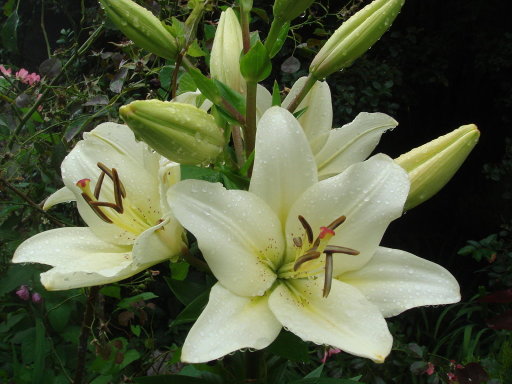
foto: Plantas.facilisimo.com Azucenas

foto: Plantas.facilisimo.com    Azucenas

foto: Commons.wikimedia.org  Alstroemeria

foto: Commons.wikimedia.org   Alstroemeria

foto: Florespedia.com  Jazmines

foto: Florespedia.com      Jazmines

foto: Proyectolomas.weebly.com   Amancae

foto: Proyectolomas.weebly.com     Amancae

Lorenzo Villoresi Musk – ¡Hola, guapo!

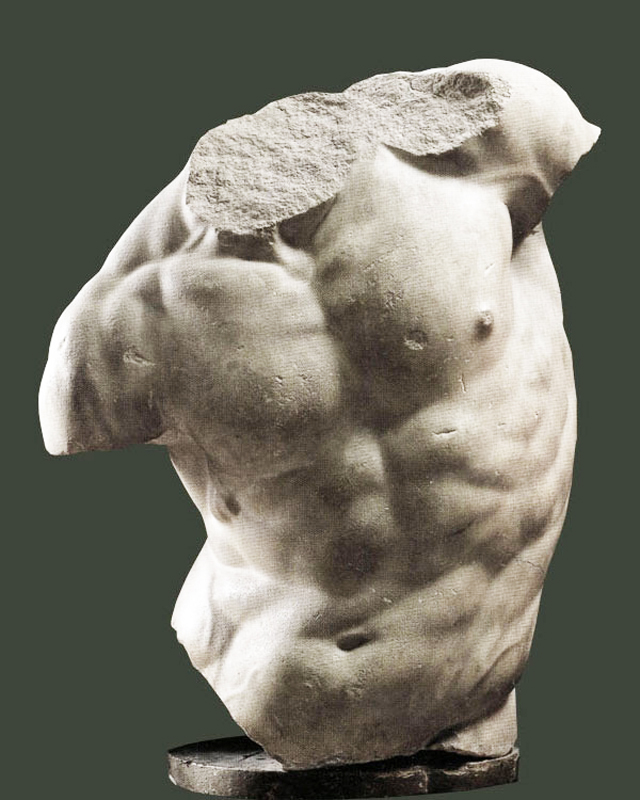
foto: Uffiziflorencia.com  Torso de Gaddi, Galería Uffizi, Florencia

foto: Uffiziflorencia.com Torso de Gaddi, Galería Uffizi, Florencia

Aunque solemos dar por sentado que la perfumería francesa es el súmmum en este arte fragante, tendemos a olvidar que fueron los italianos quienes ayudaron a introducir el refinamiento en Francia.  Cuando la formidable Catalina de Médicis viajó a Francia desde su Florencia natal en 1533 con el propósito de desposar a Enrique II (en ese entonces Duque de Orléans) llevó consigo bordadoras, cocineros -quienes también resultarían influyentes en la cultura francesa-, a su astrólogo y también a su perfumista personal Renato Bianco, también conocido como René le Florentin. Aunque no era hermosa según los cánones de belleza de la época, Catalina tenía elegancia, gran inteligencia y un gusto exquisito. Los nobles franceses y sus esposas se dejaron fascinar por el trabajo de René y su arte se volvió muy solicitado. Catalina puso en boga los guantes perfumados que Galimard producía en Grasse, que en ese momento eran toda una novedad.

Dando un salto de casi cinco siglos, la perfumería italiana encuentra uno de sus mejores embajadores en el nariz florentino Lorenzo Villoresi, pionero de la perfumería de nicho desde mucho antes  de que ésta fuera tendencia.

Disfruto y admiro la perfumería italiana tanto como a su contraparte francesa; de hecho, uso creaciones de este origen cotidianamente ya que -generalización grosera- me siento más cómoda en ellas (me pregunto si llevaremos estas preferencias en nuestro ADN y son mis raíces italianas las que llaman). Dentro de los perfumes itálicos, tengo una afición especial por los almizcles italianos, que se sienten y huelen como una segunda piel: despreocupados,muy sexys y fáciles de llevar por hombres o mujeres. Usualmente no proyectan muy lejos y sólo pueden percibirse al aproximarse un poco demasiado al usuario. Los almizcles italianos caminan con soltura la cuerda floja entre esos almizcles blancos que recuerdan al suavizante para ropa (demasiado frecuentes en la perfumería mainstream, lo que no sorprende en las empresas que comercializan a la par eaux de toilette y detergentes) y los aromas que evocan partes animales sudorosas con demasiada precisión.

Lorenzo Villoresi Musk no anuncia su presencia a los gritos y resulta ni muy limpio ni muy sucio, encontrando un equilibrio perfecto entre  suave dulzor y carácter animal. Esta interpretación abstracta ostenta notas de cedro, sándalorosa y -por supuesto- almizcle (encuentro ligeramente más prominentes el cedro y la rosa). Las notas aparecen urdidas apretadamente, con densidad. Su cualidad floral -cálida y atalcada- se sublima con la temperatura corporal y es el olor de la piel el que parece florecer.  Musk, clásico y atemporal, esquiva rótulos como “moderno” o “anticuado”. Su elegancia simple hace que se adapte con facilidad a un uso casual o más formal y posee una longevidad excelente, incluso en versión eau de toilette.

Caro

Origen de la muestra: muestra gentileza de Lorenzo Villoresi 

Nota bene: Hace muchos años (no logro recordar ni encontrar el artículo) Brad Pitt mencionó en una entrevista que este era su perfume favorito ¡Excelente gusto, Sr. Pitt!

musk


Lorenzo Villoresi Musk – Hello, Gorgeous!

Although we usually assume fine French perfumery to be the summum of this fragrant art, we tend to forget it was the Italians who, after the Renaissance  helped introduce refinement into France. When the formidable Catherine de Medici traveled to France from her natal Florence in 1533 in order to wed Henry II (then Duke of Orléans) she brought along embroiderers, cooks -who would also become influential in French culture-, her astrologer and also her personal perfumer Renato Bianco, also known as René le Florentin. Although not beautiful by then current beauty standards,  Catherine was elegant, highly intelligent and had exquisite taste. French noblemen and their wives became entranced by René‘s work and his art was much solicited. Catherine also made fashionable the scented leather  gloves produced in Grasse by Galimard, which were then a novelty.

Fast forward almost five centuries, Italian perfumery finds one of its best ambassadors in Florentine nose Lorenzo Villoresi, who pioneered niche perfumery long before it became a trend.

I enjoy and admire Italian perfumery as much as its French counterpart; in fact, I wear creations of this origin on a day to day basis as -gross generalisation- I feel more comfortable in them (I wonder if we carry these preferences in our DNA and my Italian roots are singing to me). Among Italian fragrances, I am especially fond of Italian musks, which smell and feel like a second skin: carefree,very sexy and easy to wear by either gender. They usually don’t project far and can only be perceived when one approaches a bit too closely to the wearer. Italian musks walk the tightrope  between those white musks redolent of fabric softener (too frequent in mainstream perfumery, not surprisingly in companies that market both perfumes and dish cleaning liquids) and the aromas that evoke sweaty animal private parts, sometimes with too much precision.

Lorenzo Villoresi Musk does not shout and appears neither too clean or too dirty finding the perfect balance between sweet nothing and animalic. This abstract rendition boasts notes of cedarwood, sandalwoodrose and -of course- musk (I find cedarwood and rose slightly more noticeable). The notes seem tightly interwoven, even dense. Its warm powdery floralcy is easily enhanced by body temperature and the smell of skin seems to bloom. Musk, classic and timeless, avoids labels such as “modern” or “old fashioned”. Its simple elegance makes it easy to adapt to casual or evening wear and the longevity is excellent, even in eau de toilette version.

Caro

Origin of sample: sample courtesy of Lorenzo Villoresi

Nota bene: Many  years ago (I am unable to remember or find the precise article) Brad Pitt mentioned in an interview that this was his fragrance of choice. Excellent taste, Mr. Pitt!