Tag Archives: ámbar – amber

Olivier Durbano Amethyst – Neblina púrpura

foto: Elogedelart.canalblog.com  Apolo, talla en amatista atribuída a Solón (30-20 AC), The J. Paul Getty Museum

foto: Elogedelart.canalblog.com     Apolo, talla en amatista atribuída a Solón (30-20 AC), The J. Paul Getty Museum

Ya había disfrutado del vivaz Rose Quartz, había recibido elogios de completos desconocidos sobre Rock Crystal y me había asombrado ante -¡oh, humo sagrado!- Black Tourmaline. Por alguna causa fortuita, mi muestra de Amethyst en cambio había encontrado el camino al fondo de un cajón y quedó olvidada allí por un año y medio. Olivier Durbano, como quizás recuerden, es un joyero francés. Sus creaciones, las fragantes y las que no, parecen permeadas de una cruda poesía. Sus eaux de parfum tienen una adecuada sensación mineral y el incienso y otras resinas son notas recurrentes en su obra perfumada.

Ayer tuve que hacer parada en boxes en mi joyería preferida para hacer arreglos a una pulsera. Mientras esperaba vi un despampanante collar de plata y amatistas -corto, dramático, con grandes piedras irregulares- y me encapriché con él.  Aunque (¡ay!) no lo compré, de regreso me puse a divagar sobre las amatistas,  que siempre se contaron entre mis piedras preferidas, sus correspondencias y simbología. Por supuesto, Olivier Durbano Amethyste fue el primer perfume que busqué apenas llegué a casa.

La amatista era usada por los Griegos para prevenir la embriaguez y proteger contra envenenamientos. Más tarde, Leonardo Da Vinci sostuvo que pdía mejorar la inteligencia y  mantener alejados los malos pensamientos. La amatista era también la piedra preferida de Catalina la Grande (era mucho más escasa, por ende más preciada, en esos tiempos). Hoy los monjes tibetanos emplean en su meditación rosarios hechos con cuentas de amatista.En la astrología occidental la gema se asocia al planeta Júpiter y a los signos de Sagitario y Piscis.

Volviendo al tributo de Durbano: el perfume gravita alrededor de una nota de incienso; este incienso es bonito y amigable, ni solemne ni austero, pero aún así lleva la característica “aspereza”de las creaciones de Olivier.Una nota transparente de pimienta en la salida pronto se aúna con palo rosa, cuyo aroma dulzón y especiado recuerda las virutas de madera que quedan después de afilar los lápices. Amethyst es amaderado y especiado, sí, pero atravesado por un suave matiz frutado que le es dado por delicadas notas de uva y frambuesa (énfasis en “delicadas”). Luego de le explosión pimentosa y amaderada del comienzo no quedan asperezas.  Almizcle, sándalo y vainilla hacen que la fragancia mute lentamente en un capullo acogedor. De sillage discreto y longevidad moderada, Amethyst huele agradablemente natural y mucho más suave que las otras opciones de la colección Pierres Poèmes .

Caro

Origen de la muestra: muestra gentileza de Olivier Durbano

Si les agrada el Arte en general, los instamos a visitar el interesante blog www.alaintruong.com

foto: Olivierdurbano.com

foto: Olivierdurbano.com

Olivier Durbano Amethyst – Purple haze

I had already enjoyed the lively Rose Quartz, I been complimented by perfect strangers on Rock Crystal and was stunned by -holy smoke!- Black Tourmaline. Due to unknown and fortuitous reasons, my sample of Amethyst had found its way to the back of a drawer and remained forgotten for a year and a half. Olivier Durbano, as you may remember, is a French jeweler. His creations, perfumed and otherwise, seem infused with raw poetry. His eaux de parfum have a befitting mineral feel to them and frankincense and other resins are recurrent notes in his fragrant oeuvre.
Yesterday I had to make a pit stop at my favorite jeweler’s in order to have a bracelet repaired. While I waited I saw the most imposing amethyst and silver necklace -short, dramatic, with big tumbled stones- and became infatuated with it. Although (alas!) I didn’t purchase it, on my way back I mused about amethysts,  which have always been among my favorite stones, their correspondences and symbology. Of course, Olivier Durbano Amethyste was the first fragrance I reached for as soon as I got home.

Amethyst was used by the Greeks to prevent drunkenness and as protection against poisoning. Later, Leonardo Da Vinci sustained that it could improve intelligence and keep evil thoughts at bay. Amethyst was also Catherine the Great‘s favorite stone ( it was much scarcer thus more valuable in those days). Today Tibetan monks use rosaries made of amethyst beads in their meditation. In Western astrology the gem is associated with the planet Jupiter and the signs of Sagittarius and Pisces.

Back to Durbano‘s tribute: the perfume gravitates around a frankincense note; this incense is pretty and friendly, not solemn or austere, but it still bears the characteristic “roughness”of  Olivier‘s creations. A sheer pepper note in the opening is soon joined by rosewood, whose sweet and spicy aroma is reminiscent of pencil shavings. Amethyst is woody and spicy, yes, but pervaded by a soft fruitiness via delicate notes of grape and raspberry (emphasis on “delicate”). After the initial woody peppery burst, no sharp edges remain.  Musk, sandalwood and vanilla help the fragrance morph slowly into a cozy cocoon.With discreet sillage and moderate longevity, Amethyst smells pleasantly natural and softer than the other offerings in the Pierres Poèmes collection.

Caro

Origin of sample: sample courtesy of Olivier Durbano

If you enjoy Art in general, we strongly encourage you to visit  the beautiful blog www.alaintruong.com

Parfums DelRae Emotionnelle – Fruto andrógino

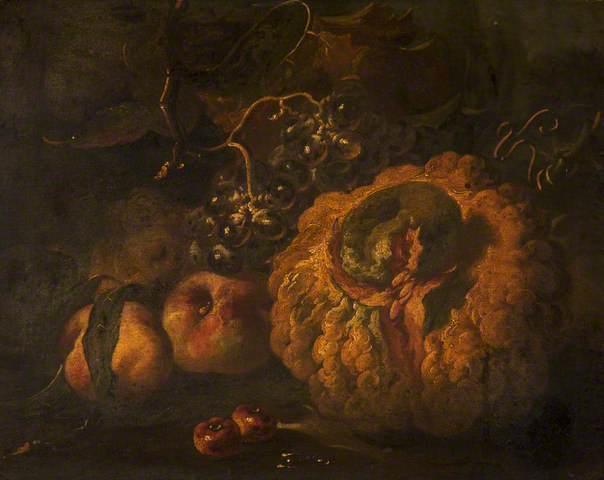
imagen: bbc.co.uk A Melon and Other Fruit artista: Giovanni Paolo Spadino

imagen: bbc.co.uk    A Melon and Other Fruit
  artista: Giovanni Paolo Spadino

No soy muy fanática de los acordes frutales en los perfumes. Si tuviera que elegir una fragancia sin olerla, probablemente pasaría por alto aquella que tenga frutas entre sus notas más sobresalientes. Pero la gente cambia de opinión: hoy conecté con un maduro, tibio y especiado cantalupo.

Este tipo de melón (Cucumis Melo Cantalupensis) fue enlist ado por DelRae Roth (Directora Creativa de la sanfranciscana marca de nicho Parfums DelRae) entre los aromas que le recordaban a su estancia de un año completo en Francia. Compartió sus memorias olfativas con el perfumista Michel Roudnitska y, como resultado, Emotionnelle fue dado a luz en 2006.

Se trata de un eau de parfum que, además del elemento inspirador antedicho, cuenta con un par más de conexiones emocionales. En primer lugar, el melón fue la nota clave de avant-garde de Le Parfum de Thérèse, una fragancia personal creada exclusivamente por Edmond Roudnitska (padre de Michel y uno de los más importantes perfumistas modernos) para su esposa Thérèse, a fines de los años 50’s. Recién después de la muerte de Edmond (1996) este perfume estuvo disponible para el público vía Editions de Parfums.

En mi caso, este ingrediente me retrotrae a mi adolescencia. Mi padre solía usar un perfume exquisito con una nota acuática de melón muy prominente. No recuerdo el nombre ni la marca pero sí estoy segura de tres cosas: 1) era una botella de forma cuadrada y el jugo era de color verde claro; 2) me gustaba muchísimo; 3) se lo usaba muchísimo.

De cualquier manera, la cuestión es que encuentro esta nota frutal bastante maleable pues su jugosa dulzura encaja muy bien en composiciones unisex.El perfumista ha añadido una textura gamuzada de hojas de violeta y cedro, resaltando el costado dandy de la vida. Y la ciruela pasa, la rosa,el clavo y el ámbar insuflan el espíritu de delicias en abundancia, convirtiendo a este cantalupo en una apetitosa calabaza especiada. 

Esta es la primera vez que huelo una creación de Michel Roudnitska. Su talento fue suficiente para hacerme cambiar de opinión respecto de la dulzura frutal en los perfumes; también me invita a continuar expandiendo mis horizontes olfativos.

Virginia

Origen de la muestra: Comprada en Luckyscent.

Nota bene: Otra fragancia de Edmond Roudnitska con notas de melón en su composición es la emblemática Diorella. Pueden leer sobre ella aquí.

foto: Barneys.com

foto: Barneys.com

Parfums DelRae Emotionnelle – An androgynous fruit

I’m not a big fan of fruity accords in perfumes. If I were to choose a fragrance without sniffing it first, I probably skip those have fruits among their main notes. But since people change their mind, today I’ve connected with a ripe, warm and spicy cantaloupe.

This type of melon (Cucumis Melo Cantalupensis) was listed by DelRae Roth (Creative Director of the Sanfranciscan niche brand Parfums DelRae) among the aromas that remind her of full year stay in France. She shared these scented memories with perfumer Michel Roudnitska and the result was Emotionnelle, which  was born in 2006.

Besides that, this eau de parfum has few more -emotional- links. First of all, melon was an avant-garde key note in 1950’s Le Parfum de Thérèse, a unique fragrance created by Edmond Roudnitska (Michel’s father and one of the most important modern perfumers) for his wife Thérèse. The perfume was intended solely for her; it was only after Edmond’s passing (1996) that became available to the public via Editions de Parfums.

In my case, this ingredient takes me back to my teenage years. My father used to wear a perfume with a very prominent watery melon note. I don’t remember either its name or the the brand’s but I’m sure about three points: 1) it came in a square shaped bottle and the juice was light green in color; 2) I liked too much; 3) I borrowed it from him too often.

In any case, I find this fruity note very malleable because its juicy sweetness fits very well in unisex compositions. The perfumer has added a suede texture of violet leaves and cedar highlighting the dandy side of the life. And prune, rose, clove and amber insufflate the spirit of delights in abundance, converting this cantaloupe in a mouthwatering spiced  pumpkin.

This is the first time I smell one of Michel Roudnitska‘s creations. His talent sufficed to change my mind about fruity sweetness in perfume and also invites me to continue expanding olfactory horizons.

Virginia

Origin of sample: Vial purchased from Luckyscent.

Nota bene: Another emblematic Edmond Roudnitska‘s fragrance with melon notes is Diorella. You can read our review here.

Amouage Ubar – Joie de vivre

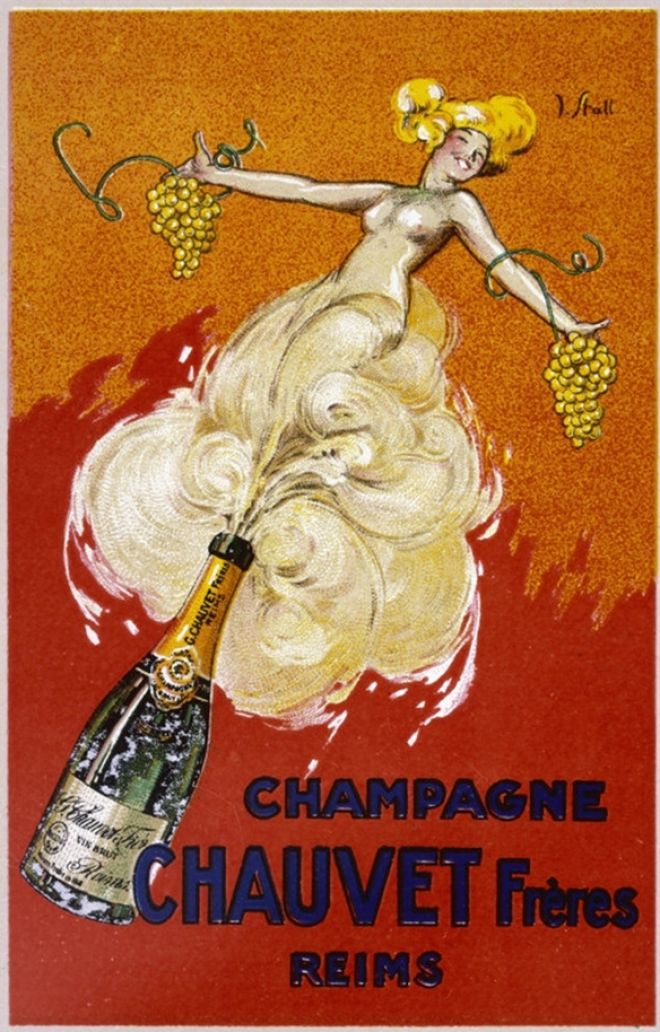
imagen: Vintageadbrowser.com

imagen: Vintageadbrowser.com

Existen unos pocos -muy pocos- perfumes que siempre logran inundarme de alegría. De hecho sonreí ante la sola idea de reseñar Ubar, ya que eso me daría la excusa perfecta para marinarme en él durante el transcurso de varios días.

Lanzado originalmente por Amouage en 1995, fue discontinuado y relanzado en 2009 bajo una fórmula diferente. La fragancia lleva el nombre de una legendaria ciudad árabe perdida bajo la arena. En modo alguno exótico, Ubar (en su versión actual) huele muy muy clásico y muy muy francés. La alusión a las arenas del desierto es, sin embargo, evidente en la botella, cuya pintura dorada se desvanece hacia la parte superior.

Ubar es una explosión floral. La salida centellea con mandarina y con el olor característico -frutado, alimonado- de la Litsea Cubeba (May Chang). La impresión inicial es crujiente, ligeramente verde, casi punzante. Una nota vívida y esplendente de rosa damascena pronto endulza el verdor, pero la verdadera estrella de la composición es el lirio del valle. Su aparición parece fundir juntas todas las demás flores de este bouquet blanco (fresias, jazmines, azahares, tuberosa) volviéndolas más cremosas. El lirio del valle pierde su consabida condición virginal y se deja corromper por una lasciva civeta. El genio de Ubar reside en este aspecto animal del lirio del valle y en el hecho de que la mezcla conserva su frescura en medio de la opulencia descarada.

La mélange resultante es el equivalente olfativo a tomar una (o dos, o tres) copas de champagne: burbujeante, efervescente, alegre. Ubar demuestra proyección y longevidad excelentes. Se siente embriagador, festivo y  -oh, claro que sí- tiene segundas intenciones.

Caro

Origin of sample: bottle purchased at MiN New York

foto: Amouage.com

foto: Amouage.com

Amouage Ubar – Joie de vivre

There are a few -very few-  fragrances that never fail to suffuse me with joy. In fact, I beamed at the mere idea of reviewing Ubar, as that would give me the perfect excuse to marinate in it over the course of some days.

Originally launched by Amouage in 1995, it became discontinued and relaunched 2009 under a different formula. The fragrance bears the name of a legendary Arabian city which was lost under the sands. Not exotic by any means, current Ubar smells very very classic and very very French. The allusion to the sands of the desert is evident, however, on the  bottle whose pale gold paint fades toward the top.

Ubar is a floral explosion. The opening sparkles with tangerine and the characteristic smell -fruity, lemony- of Litsea Cubeba (May Chang). The initial impression is crisp, slightly green, almost sharp. A splendid, nitid  rosa damascena note soon sweetens the greenness, but the true star of the composition is lily of the valley. Its appearance seems to meld together all the other flowers in this white bouquet (freesia, jasmine, orange blossom)  rendering them creamier. The lily of the valley loses its usual virginal  condition  as it becomes corrupted by a lascivious civet; the genius of Ubar resides in this animalic lily of the valley and in the fact that the blend retains its freshness amidst the unabashed opulence.

The resulting mélange is the olfactory equivalent to drinking  one (or two, or three) glasses of champagne: bubbly, effervescent, cheerful. Ubar boasts excellent projection and longevity. It feels inebriating, festive and -oh, yes- it does have second intentions.

Caro

Origin of sample: bottle purchased at MiN New York

foto: Jewelsdujour.com

foto: Jewelsdujour.com

Mona di Orio Parfums Ambre – Una seductora en sepia

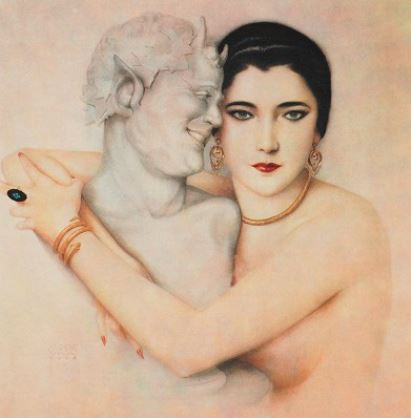
imagen: Sfae.com artista: Alberto Vargas, Nita Naldi     © Max Vargas Estate

imagen: Sfae.com  artista: Alberto Vargas, Nita Naldi    © Max Vargas Estate

Aunque unos cuantos perfumes en mi colección pueden ser considerados favoritos, algunos de ellos ocupan un lugar especial. No son más de cinco fragancias que se sienten excepcionales en términos de belleza y capacidad de emocionar. Uno de esos elegidos, que comenzó como amor a primer olfato pero ha pasado la prueba del tiempo, es Mona di Orio Ambre.

Encontré Ambre por primera vez en Farmacia Centrale, en Milán,donde pasé la mayor parte de una hora (si no más) con la pacientísima Jelly. En ese momento opté por otra fragancia (The Party in Manhattan, en caso de que quieran saberlo) pero el recuerdo de Ambre siguió persiguiéndome incluso tiempo después de haber vuelto a Buenos Aires y continuó haciéndolo hasta que decidí comprar una botella.

La colección Nombres d’Or explora la teoría estética de la proporción áurea y cada eau de parfum gravita alrededor de un ingrediente distinto. Ambre despliega un exquisito aire de los años 1930s y una textura entre polvorienta (aunque no atalcada) y satinada. Una delicada nota de cedro -presente a través de toda la evolución-  insinúa en cierto modo un cofrecito que ha resguardado viejas cartas de amor de los ojos curiosos. La resinosa madera se ve endulzada gradualmente por ylang ylang y una vainilla, pero no es este dulzor de azúcar sino uno que refuerza la imagen de papeles antiguos. Tiene una cualidad etérea y casi fantasmal, pero ¡qué fantasma hermoso!

Resulta interesante olisquearlo lado a lado con  LM Parfums Ambre Muscadin (también compuesto por Mlle. di Orio).Las similitudes son muy evidentes pero también lo son las diferencias: Ambre Muscadin es más robusto, rotundo, sexy. Ambre resulta refinado y sutilmente erótico. Si Ambre Muscadin es flan de cedro (como lo llamo bromeando), entonces Mona di Orio Ambre se asemeja a la más esponjosa mousse. Ambre comparte también un air de famille con el manifiestamente sexual Ambra di Luna.

Caro

Origen de la muestra: Botella comprada en Min New York.

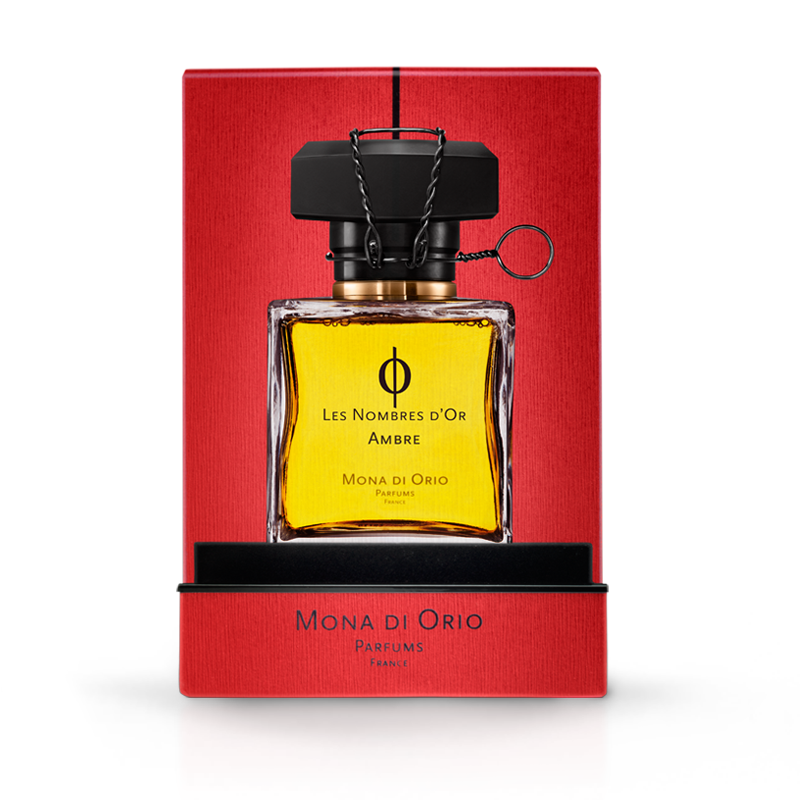
foto: Monadiorio.com

foto: Monadiorio.com

Mona di Orio Parfums Ambre – Seductress in sepia

Although  many perfumes in my collection can be considered favorites, some of them occupy a special place. They amount to no more than five fragrances that feel exceptional in terms of beauty and ability to emote. One of those chosen few, which started as love at first sniff but stood the test of time is Mona di Orio Ambre.

I came across Ambre at Farmacia Centrale, in Milan, where I spent the best part of an hour (if not more) with the very patient Jelly. At that time, I opted for another fragrance (The Party in Manhattan, in case you are wondering) but Ambre kept haunting me long after I had returned to Buenos Aires and it did so until I decided to purchase a bottle.

The Nombres d’Or collection explores the aesthetic theory of the golden ratio and every eau de parfum gravitates around a different raw material. Ambre displays an exquisite 1930s vibe and a dusty (not powdery) yet satiny texture. A delicate cedarwood note -present throughout the whole evolution- suggests a casket that has kept old love letters away from curious eyes. The resinous wood is gradually sweetened by ylang ylang and a vanilla; this is not the sweetness of sugar but one that reinforces the feel of ancient papers. There is an ethereal, almost ghostly quality to it, but what a beautiful ghost this is!

It is interesting to sniff this one side by side with LM Parfums Ambre Muscadin (also composed by Mlle. di Orio). The similarities are very evident but so are the differences: Ambre Muscadin is more robust, rotund, sexy. Ambre  appears refined and subtly erotic. If Ambre Muscadin is cedarwood flan (like I jokingly call it), then Mona di Orio Ambre is akin to the fluffiest mousse. Ambre also shares an air de famille with the overtly sexual Ambra di Luna

Caro

Origin of sample: Bottle purchased at Min New York.

Ormonde Jayne Ta’if – Una flor apetitosa

foto: Alarabiya.net

foto: Alarabiya.net

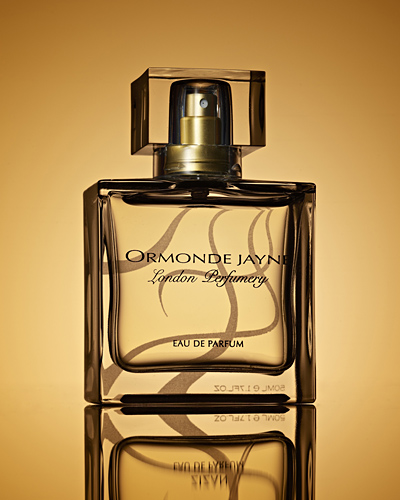
Ormonde Jayne fue fundada por Linda Pilkington en 2002. El nariz Geza Schoen colaboró con la Srta. Pilkington en la creación de sus fragancias. Las primeras boutiques fueron inauguradas en Londres, pero la marca se ha expandido ya a otros puntos de venta a través de Europa, muchos de ellos en Alemania. Todo en Ormonde Jayne resulta pulcro y estéticamente agradable: desde el packaging a la página web a los productos mismos.
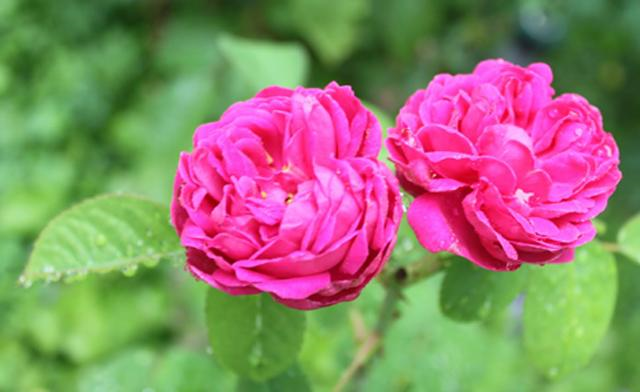
Unos cinco años atrás compré Ta’if sin haberlo probado (lo sé, lo sé…ya no hago más esas cosas) y aunque esperaba que me gustara, su hermosura me dejó sin aliento. Original sin desviarse de los cánones clásicos de belleza, Ta’if es técnicamente un floral oriental. Difiere de la mayoría de las fragancias de esta familia en que, por comparación, se siente dinámico y brillante; casi parece centellear. Ta’if debe su nombre a la Rosa de Ta’if (Rosa Damascena var. Trigintipetala) que crece en Ta’if, Arabia Saudita. Esta variedad (la misma especie que la rosa búlgara) se ha cultivado en la zona por más de 300 años y ha ganado reputación mundial.
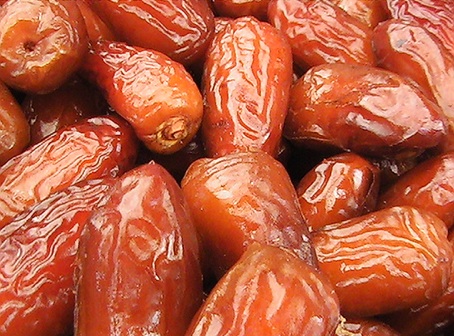
En el perfume epónimo de Ormonde Jayne, la rosa de Ta’if parece el centro de mesa de un banquete en el que abundan delicias de Medio Oriente, un festín para los sentidos. Una cantidad generosa de pimienta rosa y hebras de azafrán es espolvoreada sobre jugosos duraznos y dorados dátiles Deglet Noor. Las especias brindan un buen contrapunto a las frutas que, de otra manera resultarían excesivamente dulces. Aunque es claro que la rosa domina la composición, se torna más redondeada y sensual a través del agregado de flor de naranjo y una base ambarada. La mezcla es exótica y compleja pero sin embargo depurada; su longevidad y sillage son excelentes.
Ta’if brilla mejor cuando se combina con humor festivo, atuendo igualmente celebratorio y una copa de champagne.

Caro

Origen de la muestra: Botella de eau de parfum comprada en boutique Ormonde Jayne, Londres

foto: Ormondejayne.com

foto: Ormondejayne.com

Ormonde Jayne Ta’if – A mouthwatering flower

Ormonde Jayne was founded by Linda Pilkington in 2002. Nose Geza Schoen collaborated with Ms. Pilkington in the creation of her fragrances. The first boutiques were opened in the city of London, but the brand has since expanded to other salespoints throughout Europe, many of them in Germany. Everything about Ormonde Jayne seems pulchritudinous and aesthetically pleasing: from the packaging to the website to the products themselves.

Some five years ago I purchased Ta’if unsniffed (I know, I know…I don’t do it anymore these days) and although I had -of course- expected to like it,its beauty rendered me breathless.Original without bending classic beauty standards, Ta’if is technically a floral oriental. It differs from most fragrances of this family in its comparatively dynamic and bright feel; it almost seems to sparkle.Ta’if owes its name to the Ta’if Rose (Rosa Damascena var. Trigintipetala) grown in Ta’if, Saudi Arabia. This variety (the same species as Bulgarian rose) has been cultivated in the area for over 300 years and has earned worldwide reputation.

In the eponymous Ormonde Jayne fragrance, Ta’if rose seems to be the centerpiece of a banquet where Mid-Eastern delights abound, a feast for the senses. A generous amount of pink pepper and saffron threads is sprinkled over juicy peaches and golden Deglet Noor dates. The spices provide good balance to the otherwise excessive sweetness of the fruits. Although rose clearly dominates the composition, it is rendered rounder and more sensuous with the addition of orange blossom and an ambery base. The blend is complex and exotic but nonetheless streamlined; its longevity and sillage are excellent.
Ta’if shines at its best when paired with a festive mood, equally celebratory attire and a glass of champagne.

Caro

Origin of sample: Bottle of eau de parfum purchased at Ormonde Jayne boutique, London

foto: Ecosalon.com

foto: Ecosalon.com