
Tag Archives: opopanax

Amouage Interlude Man – Sin palabras

foto: Como-limpiar.com

Nunca escondí mi aprecio por la casa de Amouage. Sus perfumes me sientan, quizás porque no son simples ni minimalistas. Cuanto más barrocos resultan, más me gustan. Su originalidad parte desde el concepto, atraviesa el arte de la composición y materias primas hasta el packaging. El hecho de que no testeen sus productos en animales suma puntos.

Tuve guardada mi muestra de Interlude Man durante meses en el fondo de un cajón. Mientras reseñé Interlude Woman casi apenas recibí mis muestras, no lograba encontrar las palabras correctas para describir su contraparte masculina. Más dulce y voluptuoso que Opus VI, la otra propuesta ambarada de la casa, Interlude es también más clásico en estructura. Sin embargo,  afirmar que es un cuero dulce y ambarado equivaldría a decir que  Bernini fue un escultor o que Der Hölle Rache es un aria.  

Interlude Man fue compuesta por el nariz Pierre Negrin bajo la dirección creativa de Christopher Chong.  Abre con una nota de bergamota clara y chispeante, redondeada por la pimienta de Jamaica y sazonada con el dulzor herbáceo del orégano. El blend no huele como un especiero y las notas están tan suavemente entretejidas que ninguna sobresale más que otra. El corazón fusiona ámbar y el aroma almizclado vegetal del cistus. Incienso, opopanax y sándalo añaden una sutil dosis de misticismo. La base está dominada por una nítida nota de cuero, acentuada por oud y patchouli.

Interlude Man es curtido, reconfortante y, por sobre todas las cosas, sereno. La fragancia se siente masculina, pero es lo suficientemente suave como para ser  portado por una mujer (yo lo uso encantadísima). Se ha convertido inmediatamente, junto con Jubilation XXV, en mi propuesta masculina favorita de Amouage.

Puedo, por esta vez, no encontrar las palabras, pero la belleza verdadera -sea de Bernini, Mozart o Amouage– se admira mejor en silencio.

Caro

Origen de la muestra: Muestra gentileza de Amouage
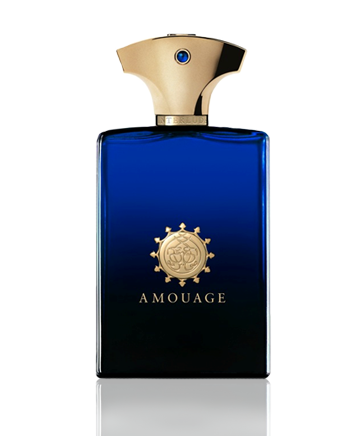
foto: Amouage.com

Amouage Interlude Man – At a loss for words

I have never hidden my appreciation for the house of Amouage. Their fragrances suit me, maybe because they are neither simple nor minimalistic. The more baroque they are, the better I like them. Their originality goes from concept through artistry and raw materials to packaging. The fact that they do not test their products on animals earns them bonus points.

I  had been keeping my sample of Interlude Man for months in the back of a drawer. While I reviewed Interlude Woman almost as soon as I got my samples, I was just unable to find the right words to describe its masculine counterpart. Sweeter and more voluptuous than Opus VI, the other ambery offering from the house, Interlude it is also more classical in structure. However, saying it is a sweet ambery leather would be an understatement akin to saying Bernini was a sculptor or Der Hölle Rache is an aria.  

Interlude Man was composed by perfumer Pierre Negrin under the creative direction of Christopher Chong.  It opens with a bright and sparkly bergamot note, rounded by allspice and seasoned by the herbaceous sweetness of oregano. It does not, at any point, smell like a spice cabinet and no note is more noticeble than the others. They are all smoothly interwoven. The heart fuses amber and the vegetal muskiness of cistus. Frankincense, opopanax and sandalwood add a subtle dose of mysticism. The base is dominated by a vivid leather note accentuated by oud and patchouli.

Interlude Man is rugged, comforting and, above all, serene. The fragrance feels manly but is smooth enough to be worn by a woman (I wear it happily). It has quickly become my favorite male offering from Amouage  alongside Jubilation XXV.

I may, for once, find myself at a loss for words, but true beauty -be it by Bernini, Mozart or Amouage– is best admired in silence.

Caro

Origin of sample: Sample courtesy of Amouage

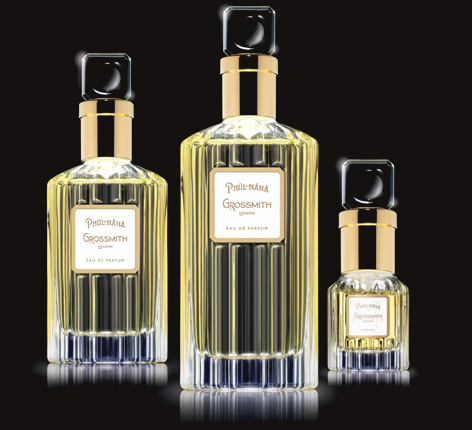
Grossmith Phul-Nana – El aroma de la discreción

imagen: gentileza Grossmith

Siendo nostálgica por el gusto de la nostalgia misma, es natural que cuente a  Grossmith entre  mis casas favoritas. Ya hablé un poco sobre su historia  en mis reseñas de Betrothal y Hasu-no-Hana

La fragancia que estoy probando hoy, Phul-Nana (“linda flor” en Hindi) fue compuesta originalmente en 1891 y, durante años, se consideró la creación insignia de la marca. Fue promocionada como “un bouquet de las flores más selectas de la India” y, luego, como “el perfume más romántico del mundo”.  Pero Phul-Nana no es floral -no al menos en un sentido estricto- ni tampoco  especialmente romántico. Es, en cambio, discreto, apropiado y tradicional. Me recuerda a la mezcla (casera y secreta) con que mi impecable abuelo solía perfumar sus pañuelos.

La salida chispea con el amargor hesperidado de la naranja y los matices igualmente hesperidados, aunque más delicados, de la bergamota. La presencia limpia y jabonosa del neroli  preside el bouquet, permeando la mezcla. La tuberosa, prominente en la cultura y mitología de India, presta  su redondez, pero no transmite un carácter particularmente femenino.  Estoy segura de que hay algo de rosa allí también (era, eso seguro, parte de la mezcla  que usaba mi abuelo). Vanilla, opopanax, sándalo y tonka ayudan a lograr un fondo cálido y sensual. Unos años después de la creación de Phul-Nana, esta base se popularizaría junto con la creciente tendencia de los perfumes orientales. 

Phul-Nana es ligero y fresco en un sentido tradicional. Huele familiar y a la vez fascinante con sus facetas florales-orientales-fougères. Imagino un caballero (o dama, claro) elegante y conservador luciéndolo con aplomo. La pulcritud,  buenos modales y discreción no pasan de moda.

Origen de la muestra: Gentileza de Perfumerías Nadia, Madrid

foto: Grossmithlondon.com

Grossmith Phul-Nana – The scent of discretion

Being nostalgic for the sake of nostalgia itself, it was expected that Grossmith  would become one of my favorite houses. I have already talked a bit about their history in my reviews of Betrothal and Hasu-no-Hana . 

The fragrance I am sampling today, Phul-Nana (“lovely flower” in Hindi), originally composed in 1891, was for years  Grossmith‘s most celebrated creation. It was touted as “a bouquet of India‘s choicest flowers” and, later, as “the world’s most romantic perfume”. But Phul-Nana is neither floral -not in a strict sense at least- nor especially romantic. It is instead discreet, tasteful and traditional. It reminds me of the (homemade and secret) blend my impeccable  grandfather used to scent his handkerchiefs with.

The opening sparkles with bitter hesperidic notes of orange and  equally hesperidic but more delicate nuances of bergamot. The clean and soapy presence of neroli  presides the bouquet, pervading the blend. Tuberose, prominent in Indian culture and mythology, lends its roundness, but doesn’t convey a particularly feminine character. I am sure there is some rose in there too (it was, for sure, in my grandfather’s blend). Vanilla, opopanax, sandalwood and tonka contribute towards a warm  and sensual drydown. A few years after the creation of Phul-Nana this drydown would become popular with the increasing trend of oriental perfumes. 

Phul-Nana is light and fresh in an old-school sense. It smells familiar yet fascinating with its floral-oriental-fougère aspects. I can picture an elegant and conservative gentleman (or lady, of course) wearing this with aplomb. Cleanliness, good manners and discretion are always in fashion.

Origin of sample: Courtesy of Perfumerías Nadia, Madrid

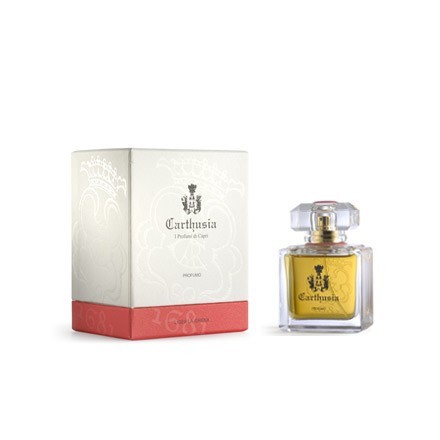
Carthusia Ligea – El canto de las sirenas

imagen: Wikipaintings.org artista: John William Waterhouse “Ulysses and the Sirens”

En la mitología clásica las sirenas eran demonios marinos: mitad mujeres, mitad pájaros. Atraían a los marinos con su encantadora e irresistible música, haciéndolos encallar en las rocas para luego devorarlos. Eran tres: Parténope (quien dio su nombre a la ciudad de Nápoles), Leucosia y Ligea (de quien este perfume toma el nombre).

Al toparme con esta fragancia en la tienda Carthusia en Positano, al instante se convirtió en una de mis favoritas de la línea (las otras dos fueron Mediterraneo y Corallium). En un principio la creí demasiado potente, pero con el correr de las horas fue ganándome poco a poco: la longevidad era fabulosa y su fondo atalcado me hipnotizó. No podía dejar de olerme la muñeca.

Diseñado por la créatrice extraordinaire Laura TonattoLigea es un perfume que parece suspendido en el tiempo. Posee  una riqueza que rara vez se  encuentra (huele?) en estos días. No resulta anticuado en absoluto, sino que su encanto es atemporal.

La salida es hesperidada con mandarinanaranja y bergamota. No es fresca y jugosa, sino seca y ligeramente amarga; más sustancial, como la corteza de estas frutas. Es esta salida la que había juzgado como disonante al olerla por primera vez.  Luego, las notas de Ligea se funden entre sí sin fisuras: patchouli, el maravilloso picor de los clavos de olor (tengo una debilidad por esta nota en perfumería) y una pincelada rosada, probablemente brindada por el geranio. La base, donde la vainilla y el benjuí vuelcan su resplandor dorado sobre el atalcado opopanax, es tan gloriosa que me deja en trance y sin poder pronunciar palabra.

Si bien no tengo objeción hacia los sintéticos (y prácticamente no podría tenerla), me desagradan los perfumes que huelen artificiales. El aroma de Ligea  es increíblemente natural y lo aprecio incluso más por ello. Se convirtió también una de mis fragancias preferidas para la hora de dormir ya que, cada vez que la elijo, me recompensa con dulces sueños.

No puedo resistirme al canto de esta sirena y tampoco quiero hacerlo.

Caro

Nota Bene: Imagino que los amantes de Shalimar que no están felices con la encarnación actual, definitivamente deberían probar suerte con Ligea.

Origen de la muestra: Botella comprada en la boutique Carthusia, Positano

foto: Carthusia.it

Carthusia Ligea – The song of the sirens

In classical mythology sirens were sea demons: half women, half birds. They lured sailors with their enchanting and irresistible music provoking their ships to be wrecked  on the rocky coast. They would then devour the unfortunate men. There were three of them: Parthenope (who gave her name to Naples), Leucosia and Ligea (from whom this perfume borrows its name).

When I tried this fragrance at the Carthusia store in Positano, it instantly became one of my three favourites from the line (the other two were Mediterraneo and Corallium). I thought it a bit too powerful at first, but over the course of hours it won me over: the lasting power was fabulous and its powdery drydown got me hooked. I just couldn’t stop sniffing my wrists.

Designed by créatrice extraordinaire Laura TonattoLigea is a fragrance that seems  suspended in time. It possesses a rich quality that is rarely seen (sniffed?) these days. It is not, however, old fashioned but has a timeless appeal.

The opening is hesperidic with mandarin, orange and bergamot. Not fresh and juicy, but drier and with a hint of bitterness; more substantial, like the rind of these fruits. It was this opening which I had thought dissonant when I first sniffed it.  Afterward, the notes in Ligea blend seamlessly: patchouli, the wonderful spiciness of cloves (I have a soft spot for this note in fragrance) and a rosy hint, most likely provided by geranium. The drydown, where vanilla and benjoin cast their golden glow over powdery opopanax, is so glorious that it leaves me entranced and at a loss for words.

While I don’t (and practically can’t) object to the use of synthetics, I dislike fragrances that overtly reek of them. Ligea smells incredibly natural and I appreciate it even more for it.  It has become one of the fragrances I enjoy wearing to bed as, every time I do so, I am rewarded with sweet dreams.

I cannot resist this siren’s song and I don’t want to.

Caro

Nota Bene: I think lovers of  Shalimar who are not happy with its current incarnation should definitely give Ligea a try.

Origin of sample: Bottle bought at the Carthusia boutique, Positano

Eau d’Italie Paestum Rose – Humo sagrado

imagen: Artrenewal.org      artista: William Reynolds-Stephens     “Summer”

Lo que queda hoy de Paestum (antiguamente Poseidonia, la ciudad de Poseidón) son las ruinas de sus imponentes templos dóricos y la leyenda de sus rosas. Estas rosas -celebradas por Ovidio, Marcial y Virgilio (el último, en sus Geórgicas, menciona “los dos veces florecientes canteros  de rosas de Paestum”)- daban flor dos veces al año y eran renombradas por su belleza.

Paestum Rose – lanzado porEau d’Italie en 2006-parece recrear la experiencia de Paestum completa: las rosas perfumando la brisa, las piedras de los templos calentadas por el sol y las resinas siendo quemadas en honor de los dioses.

Las palabras no alcanzan para describir la belleza de la salida:  me siento como bajo una lluvia de pétalos de rosa -jugosos y mullidos- cuyo aspecto frutado se ve acentuado por una nota de brote de  grosella negra. La profusión de pétalos está sazonada con canela, coriandro y pimientas rosa (nuestro aguaribay) y negra. Desearía que este instante trascendental durara para siempre. La mezcla deviene en en una nube resinosa de incienso, mirra y elemi que luego evoluciona lentamente, casi con languidez, hacia una base aterciopelada por  ámbaralmizcle blanco y opopanax

¿ Y quién mejor que Duchaufour para lograr insuflar una cualidad aireada a esta  mélange tan cargada de especias?  La composición aparenta ser etérea. Paestum Rose es claramente una obra maestra y, por cierto, mi creación preferida de  Duchaufour.

Son las contradicciones las que aumentan la belleza de este perfume:  aterciopelado y áspero; jugoso pero seco; oscuro y luminoso a la vez; terrenal e inmaterial; masculino pero femenino; humano y divino.

A pesar de su intensidad inicial, Paestum Rose es la fragancia más tenaz de Eau d’Italie, pero esto no es un problema: siempre puedo reaplicarlo y oler cómo mis rosas florecen otra vez.

Caro

Origen de la muestra: muestra gentileza de Eau d’Italie

foto: Eauditalie.com

Eau d’Italie Paestum Rose – Humo sagrado

What remains today of Paestum  (originally called Poseidonia, the city of Poseidon) are the ruins of its imponent Doric temples and the legend of its roses. These roses -celebrated by Ovid, Martial and Virgil (the latter mentions in his Georgics “the twice-flowering rose-beds of Paestum“)- bloomed twice a year and were famous for their beauty.

Paestum Rose – launched by Eau d’Italie in 2006– seems to recreate the whole Paestum experience: the roses scenting the breeze, the sun-heated stones of the temples and the resins being burned in honour of the gods.

Words fail me when I try to describe the beauty of its opening:  I feel as if fleshy, juicy  rose petals were raining upon me, their fruity aspect enhanced by a  blackcurrant bud note. This rose-petal rain is seasoned with cinnamon, coriander and both black and pink pepper (our aguaribay).  I wish this trascendental instant lasted forever. The fragrance morphs into a resinous cloud of incense, myrrh and elemi which afterward evolves slowly, almost  languorously, into a base that is velvety with amber, white musk and opopanax

And who else but Duchaufour could succeed at insufflating airiness into such a spice laden mélange?  The composition appears to be weightless. It is certainly a masterpiece and, by far, my favorite Duchaufour

Contradictions are what make this perfume beautiful:  it feels velvety yet coarse; juicy but dry; dark and luminous at the same time; both terrenal and otherwordly; masculine yet feminine; human and divine.

Despite its initial intensity, I don’t find Paestum Rose to be the most tenacious fragrance from Eau d’Italie. That is absolutely no problem:  I can always reapply it and smell my roses bloom again.

Caro

Origin of sample: sample courtesy of Eau d’Italie


Amouage Interlude Woman – Un momento hipnótico

foto: En.wikipedia.org

Esta es mi primera review para Té de Violetas (todas las reviews previas, aunque ahora revisadas y corregidas,  fueron publicadas con anterioridad en  Notas & Acordes).  Estaba preguntándome sobre qué trataría mi primer post cuando el cartero  entregó un paquetito con muestras de Interlude, la creación más reciente de Amouage.

Interlude Woman fue compuesto por la nariz Karine Vinchon Spehner bajo la dirección creativa de Christopher Chong. Sabe Dios por qué, yo no estaba esperando que Interlude me gustara. Imaginé que sería caótico y estridente ¿Quizás me engañaron las coloridas pinceladas que decoran la caja? Interlude es adulto, fuerte y firme, pero está lejos del escándalo.

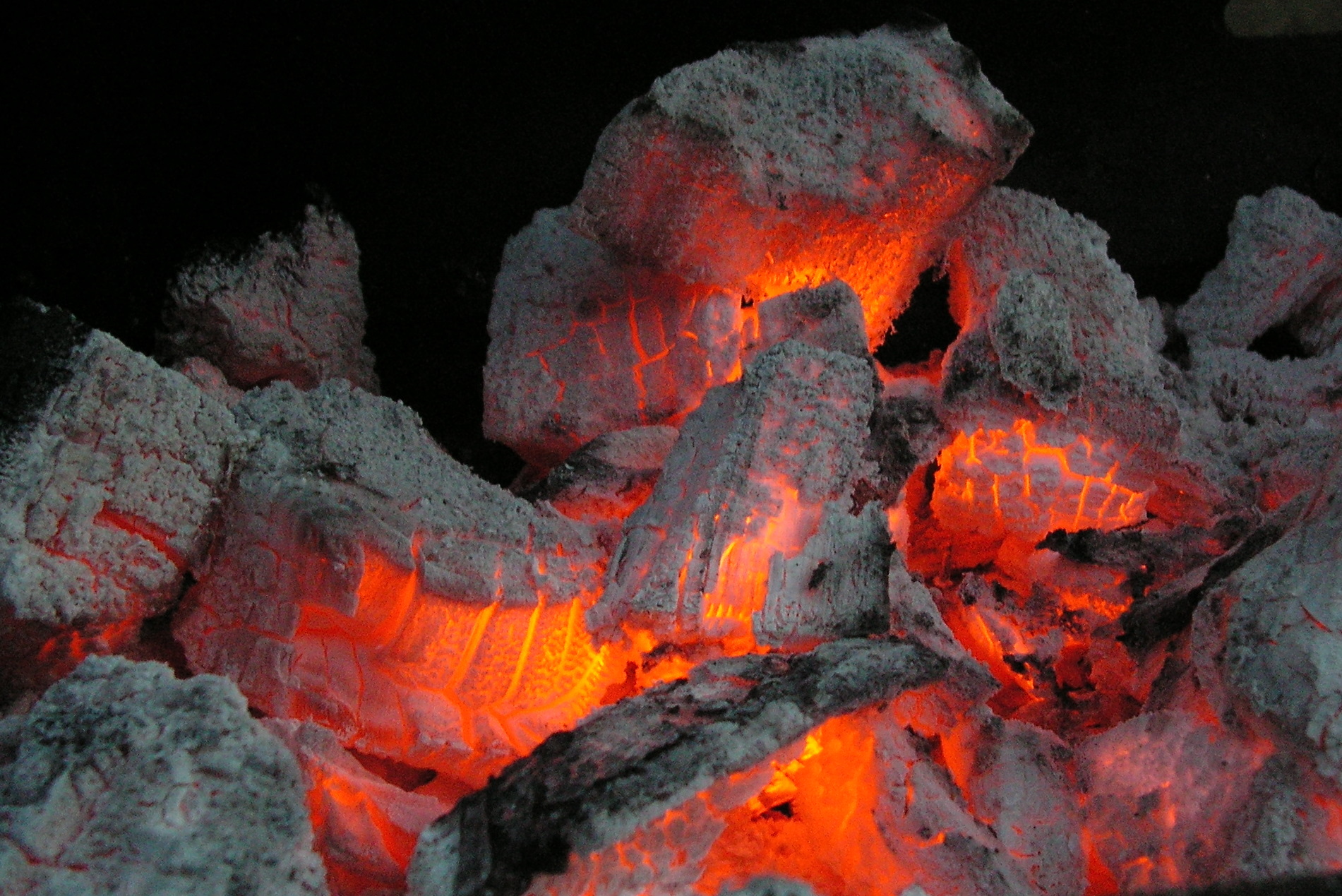
Luego de un enérgico y breve saludo con notas de bergamota pomelo y el atractivo bucólico del tagetes (esto es lo más caótico que llega a ser el perfume) la mezcla se torna más cálida y profunda. Flor de naranjo, absoluto de rosas y jazmín endulzan el líquido que, en este punto, conjura brasas ardientes, su calor y el efecto hipnótico que ejercen. Esta fascinante sensación se ve realzada por el opopanax, una de las notas que encuentro más magnéticas, y la cualidad introspectiva del incienso.  La base es un reconfortante abrazo de  dulce, dulce cuero, atalcada haba tonka,  majestuoso oud y un toque animal de almizcle. Esta equilibrada mélange da a luz una fragancia que se funde con la piel en vez de meramente apoyarse sobre ella.

Interlude no huele realmente como perfume, sino más como un ramillete de items fragantes, ensamblados de manera artística.  Estoy segura de que gustará a los amantes de Memoir Woman;  su estructura es más similar a la de Memoir que a la de los más tradicionales y sinfónicos Gold, Jubilation 25 y Ubar.

El resultado es sereno y sólido; seguro, pero no rígido. Inhalen profundamente y sean bienvenidos al nirvana olfativo.

Caro

Origen de la muestra: muestra cortesía de Amouage

foto: Amouage.com

Amouage Interlude Woman – An hypnotic moment

This is my first review for Té de Violetas (all former reviews, although now revised and corrected,  have previously been published on Notas & Acordes).  I was wondering what my first post would be about, when the postman (no pun intended) delivered a small package with samples of Amouage‘s most recent creation, Interlude.

Interlude Woman was composed by nose Karine Vinchon Spehner under the creative direction of Christopher Chong. God knows why, I was not expecting to like Interlude. I thought it would be chaotic and loud. Maybe I was misguided by the colourful brushstrokes that decorate the box? Interlude is grown up, strong and assertive but far from scandalous.

After a brief salute with bracing notes of bergamot, grapefruit and the  bucolic allure of tagetes (this is as chaotic as the fragrance ever gets) the blend becomes warmer and deeper. Orange blossom, rose absolute and jasmine sweeten the juice which, at this point, conjures glowing embers, their warmth and the entrancing effect they have. The fascinating feeling is enhanced by opopanax, one of the notes I find most hypnotic, and the introspective quality of frankincense.  The base is a comforting embrace of sweet, sweet leather, powdery tonka bean, majestic agarwood and animalic musk. This balanced mélange gives birth to a fragrance that melds into the skin instead of merely sitting on top of it.

Interlude doesn’t really smell like perfume, more like a bunch of  wonderfully fragrant items artfully arranged together. I am sure it will appeal to lovers of Memoir Woman; I find it a lot closer in structure to it than to the more traditional and symphonic Gold, Jubilation 25 and Ubar.

The result is serene and grounding, confident but not rigid. Inhale deeply and be welcome to olfactory nirvana.

Caro

Origin of sample: sample courtesy of Amouage