Tag Archives: sándalo – sandalwood

Lorenzo Villoresi Musk – ¡Hola, guapo!

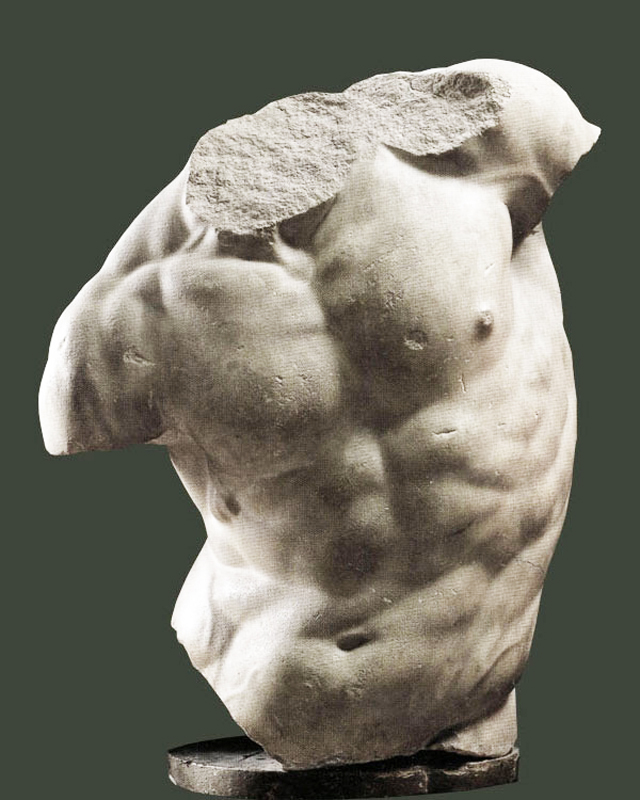
foto: Uffiziflorencia.com  Torso de Gaddi, Galería Uffizi, Florencia

foto: Uffiziflorencia.com Torso de Gaddi, Galería Uffizi, Florencia

Aunque solemos dar por sentado que la perfumería francesa es el súmmum en este arte fragante, tendemos a olvidar que fueron los italianos quienes ayudaron a introducir el refinamiento en Francia.  Cuando la formidable Catalina de Médicis viajó a Francia desde su Florencia natal en 1533 con el propósito de desposar a Enrique II (en ese entonces Duque de Orléans) llevó consigo bordadoras, cocineros -quienes también resultarían influyentes en la cultura francesa-, a su astrólogo y también a su perfumista personal Renato Bianco, también conocido como René le Florentin. Aunque no era hermosa según los cánones de belleza de la época, Catalina tenía elegancia, gran inteligencia y un gusto exquisito. Los nobles franceses y sus esposas se dejaron fascinar por el trabajo de René y su arte se volvió muy solicitado. Catalina puso en boga los guantes perfumados que Galimard producía en Grasse, que en ese momento eran toda una novedad.

Dando un salto de casi cinco siglos, la perfumería italiana encuentra uno de sus mejores embajadores en el nariz florentino Lorenzo Villoresi, pionero de la perfumería de nicho desde mucho antes  de que ésta fuera tendencia.

Disfruto y admiro la perfumería italiana tanto como a su contraparte francesa; de hecho, uso creaciones de este origen cotidianamente ya que -generalización grosera- me siento más cómoda en ellas (me pregunto si llevaremos estas preferencias en nuestro ADN y son mis raíces italianas las que llaman). Dentro de los perfumes itálicos, tengo una afición especial por los almizcles italianos, que se sienten y huelen como una segunda piel: despreocupados,muy sexys y fáciles de llevar por hombres o mujeres. Usualmente no proyectan muy lejos y sólo pueden percibirse al aproximarse un poco demasiado al usuario. Los almizcles italianos caminan con soltura la cuerda floja entre esos almizcles blancos que recuerdan al suavizante para ropa (demasiado frecuentes en la perfumería mainstream, lo que no sorprende en las empresas que comercializan a la par eaux de toilette y detergentes) y los aromas que evocan partes animales sudorosas con demasiada precisión.

Lorenzo Villoresi Musk no anuncia su presencia a los gritos y resulta ni muy limpio ni muy sucio, encontrando un equilibrio perfecto entre  suave dulzor y carácter animal. Esta interpretación abstracta ostenta notas de cedro, sándalorosa y -por supuesto- almizcle (encuentro ligeramente más prominentes el cedro y la rosa). Las notas aparecen urdidas apretadamente, con densidad. Su cualidad floral -cálida y atalcada- se sublima con la temperatura corporal y es el olor de la piel el que parece florecer.  Musk, clásico y atemporal, esquiva rótulos como “moderno” o “anticuado”. Su elegancia simple hace que se adapte con facilidad a un uso casual o más formal y posee una longevidad excelente, incluso en versión eau de toilette.

Caro

Origen de la muestra: muestra gentileza de Lorenzo Villoresi 

Nota bene: Hace muchos años (no logro recordar ni encontrar el artículo) Brad Pitt mencionó en una entrevista que este era su perfume favorito ¡Excelente gusto, Sr. Pitt!

musk


Lorenzo Villoresi Musk – Hello, Gorgeous!

Although we usually assume fine French perfumery to be the summum of this fragrant art, we tend to forget it was the Italians who, after the Renaissance  helped introduce refinement into France. When the formidable Catherine de Medici traveled to France from her natal Florence in 1533 in order to wed Henry II (then Duke of Orléans) she brought along embroiderers, cooks -who would also become influential in French culture-, her astrologer and also her personal perfumer Renato Bianco, also known as René le Florentin. Although not beautiful by then current beauty standards,  Catherine was elegant, highly intelligent and had exquisite taste. French noblemen and their wives became entranced by René‘s work and his art was much solicited. Catherine also made fashionable the scented leather  gloves produced in Grasse by Galimard, which were then a novelty.

Fast forward almost five centuries, Italian perfumery finds one of its best ambassadors in Florentine nose Lorenzo Villoresi, who pioneered niche perfumery long before it became a trend.

I enjoy and admire Italian perfumery as much as its French counterpart; in fact, I wear creations of this origin on a day to day basis as -gross generalisation- I feel more comfortable in them (I wonder if we carry these preferences in our DNA and my Italian roots are singing to me). Among Italian fragrances, I am especially fond of Italian musks, which smell and feel like a second skin: carefree,very sexy and easy to wear by either gender. They usually don’t project far and can only be perceived when one approaches a bit too closely to the wearer. Italian musks walk the tightrope  between those white musks redolent of fabric softener (too frequent in mainstream perfumery, not surprisingly in companies that market both perfumes and dish cleaning liquids) and the aromas that evoke sweaty animal private parts, sometimes with too much precision.

Lorenzo Villoresi Musk does not shout and appears neither too clean or too dirty finding the perfect balance between sweet nothing and animalic. This abstract rendition boasts notes of cedarwood, sandalwoodrose and -of course- musk (I find cedarwood and rose slightly more noticeable). The notes seem tightly interwoven, even dense. Its warm powdery floralcy is easily enhanced by body temperature and the smell of skin seems to bloom. Musk, classic and timeless, avoids labels such as “modern” or “old fashioned”. Its simple elegance makes it easy to adapt to casual or evening wear and the longevity is excellent, even in eau de toilette version.

Caro

Origin of sample: sample courtesy of Lorenzo Villoresi

Nota bene: Many  years ago (I am unable to remember or find the precise article) Brad Pitt mentioned in an interview that this was his fragrance of choice. Excellent taste, Mr. Pitt!

Olivier Durbano Amethyst – Neblina púrpura

foto: Elogedelart.canalblog.com  Apolo, talla en amatista atribuída a Solón (30-20 AC), The J. Paul Getty Museum

foto: Elogedelart.canalblog.com     Apolo, talla en amatista atribuída a Solón (30-20 AC), The J. Paul Getty Museum

Ya había disfrutado del vivaz Rose Quartz, había recibido elogios de completos desconocidos sobre Rock Crystal y me había asombrado ante -¡oh, humo sagrado!- Black Tourmaline. Por alguna causa fortuita, mi muestra de Amethyst en cambio había encontrado el camino al fondo de un cajón y quedó olvidada allí por un año y medio. Olivier Durbano, como quizás recuerden, es un joyero francés. Sus creaciones, las fragantes y las que no, parecen permeadas de una cruda poesía. Sus eaux de parfum tienen una adecuada sensación mineral y el incienso y otras resinas son notas recurrentes en su obra perfumada.

Ayer tuve que hacer parada en boxes en mi joyería preferida para hacer arreglos a una pulsera. Mientras esperaba vi un despampanante collar de plata y amatistas -corto, dramático, con grandes piedras irregulares- y me encapriché con él.  Aunque (¡ay!) no lo compré, de regreso me puse a divagar sobre las amatistas,  que siempre se contaron entre mis piedras preferidas, sus correspondencias y simbología. Por supuesto, Olivier Durbano Amethyste fue el primer perfume que busqué apenas llegué a casa.

La amatista era usada por los Griegos para prevenir la embriaguez y proteger contra envenenamientos. Más tarde, Leonardo Da Vinci sostuvo que pdía mejorar la inteligencia y  mantener alejados los malos pensamientos. La amatista era también la piedra preferida de Catalina la Grande (era mucho más escasa, por ende más preciada, en esos tiempos). Hoy los monjes tibetanos emplean en su meditación rosarios hechos con cuentas de amatista.En la astrología occidental la gema se asocia al planeta Júpiter y a los signos de Sagitario y Piscis.

Volviendo al tributo de Durbano: el perfume gravita alrededor de una nota de incienso; este incienso es bonito y amigable, ni solemne ni austero, pero aún así lleva la característica “aspereza”de las creaciones de Olivier.Una nota transparente de pimienta en la salida pronto se aúna con palo rosa, cuyo aroma dulzón y especiado recuerda las virutas de madera que quedan después de afilar los lápices. Amethyst es amaderado y especiado, sí, pero atravesado por un suave matiz frutado que le es dado por delicadas notas de uva y frambuesa (énfasis en “delicadas”). Luego de le explosión pimentosa y amaderada del comienzo no quedan asperezas.  Almizcle, sándalo y vainilla hacen que la fragancia mute lentamente en un capullo acogedor. De sillage discreto y longevidad moderada, Amethyst huele agradablemente natural y mucho más suave que las otras opciones de la colección Pierres Poèmes .

Caro

Origen de la muestra: muestra gentileza de Olivier Durbano

Si les agrada el Arte en general, los instamos a visitar el interesante blog www.alaintruong.com

foto: Olivierdurbano.com

foto: Olivierdurbano.com

Olivier Durbano Amethyst – Purple haze

I had already enjoyed the lively Rose Quartz, I been complimented by perfect strangers on Rock Crystal and was stunned by -holy smoke!- Black Tourmaline. Due to unknown and fortuitous reasons, my sample of Amethyst had found its way to the back of a drawer and remained forgotten for a year and a half. Olivier Durbano, as you may remember, is a French jeweler. His creations, perfumed and otherwise, seem infused with raw poetry. His eaux de parfum have a befitting mineral feel to them and frankincense and other resins are recurrent notes in his fragrant oeuvre.
Yesterday I had to make a pit stop at my favorite jeweler’s in order to have a bracelet repaired. While I waited I saw the most imposing amethyst and silver necklace -short, dramatic, with big tumbled stones- and became infatuated with it. Although (alas!) I didn’t purchase it, on my way back I mused about amethysts,  which have always been among my favorite stones, their correspondences and symbology. Of course, Olivier Durbano Amethyste was the first fragrance I reached for as soon as I got home.

Amethyst was used by the Greeks to prevent drunkenness and as protection against poisoning. Later, Leonardo Da Vinci sustained that it could improve intelligence and keep evil thoughts at bay. Amethyst was also Catherine the Great‘s favorite stone ( it was much scarcer thus more valuable in those days). Today Tibetan monks use rosaries made of amethyst beads in their meditation. In Western astrology the gem is associated with the planet Jupiter and the signs of Sagittarius and Pisces.

Back to Durbano‘s tribute: the perfume gravitates around a frankincense note; this incense is pretty and friendly, not solemn or austere, but it still bears the characteristic “roughness”of  Olivier‘s creations. A sheer pepper note in the opening is soon joined by rosewood, whose sweet and spicy aroma is reminiscent of pencil shavings. Amethyst is woody and spicy, yes, but pervaded by a soft fruitiness via delicate notes of grape and raspberry (emphasis on “delicate”). After the initial woody peppery burst, no sharp edges remain.  Musk, sandalwood and vanilla help the fragrance morph slowly into a cozy cocoon.With discreet sillage and moderate longevity, Amethyst smells pleasantly natural and softer than the other offerings in the Pierres Poèmes collection.

Caro

Origin of sample: sample courtesy of Olivier Durbano

If you enjoy Art in general, we strongly encourage you to visit  the beautiful blog www.alaintruong.com

Gucci L’Arte di Gucci – Espinas y rosas

imagen: Fanpop.com

imagen: Fanpop.com

L’Arte di Gucci es todo lo severo que un perfume puede llegar a ser; no encierra nada de juguetón o coqueto. Creado en 1991, cuando la tendencia de fragancias grandes ya declinaba en favor de los florales acuosos, fue discontinuado inexplicablemente apenas 16 años más tarde, en 2007. L’Arte  se convirtió en un perfume de culto entre los aficionados a los chipres y a las rosas y definitivamente vale la pena ser rastreado. L’Arte es un chipre de rosa en la misma vena que Ungaro Diva (Diva es más dulce y ambarado).Si les gusta Diva, Paloma Picasso, Knowing y Soir de Lune, es muy probable que L’Arte les agrade también.

Esta rosa es potente: especiada y meliflua, frutada en cierto modo agrio. El tagetes (caléndula) y una definida nota de manzanilla suman identidad a los matices frutales y agrestes. Los brotes de grosella negra prestan a la mezcla su característico aroma verde-frutado-urinoso, por ende -a pesar de sus tonalidades de miel– la rosa no se vuelve dulce y la fragancia tampoco. Deviene, sin embargo, en una flor perfectamente redondeada, presta para descansar  sobre  una base de sándalo y notas animales (almizcle, castóreo). Su sensualidad es madura y distante -casi hostil- pero rica y compleja.

Bellamente siniestra, L’Arte es una rosa espinosa y oscura que rompe corazones sin el menor indicio de sentimentalismo. Sugerimos combinarla con afiladísimos stilettos  y  lápiz de labios rojo.

Caro

Origen de la muestra: botella de eau de toilette comprada en Perfumería Togat’s, Buenos Aires

foto: Yushainternational.com

foto: Yushainternational.com

Gucci L’Arte di Gucci – Thorns and roses

L’Arte di Gucci is as severe as a fragrance can get; there is nothing playful or flirty abut it. Created in 1991, when the trend for such big fragrances was declining in favor of aquatic florals, it was unexplainably discontinued only 16 years later, in 2007. L’Arte  has become a bit of a cult fragrance among chypre and rose afficionados and is definitely worth tracking down. L’Arte is a rosy chypre in the same vein as Ungaro Diva (Diva is sweeter and more ambery). If you like Diva, Paloma Picasso, Knowing and Soir de Lune, chances are L’Arte will be your cup of tea too.

This rose is potent: spicy and honeyed, fruity in a sour kind of way. Tagetes (marigold) and a nitid chamomile note add up to the wild fruitiness.  Blackcurrant bud lends its characteristic green-fruity-urinous scent so -despite its hints of honey– the rose never becomes sweet and neither does the fragrance. It results, nonetheless, in a perfectly rounded flower, ready to rest on a base of sandalwood and animal notes (musk, castoreum). Its sensuality is mature and distant -almost hostile- but complex and rich.

Beautifully sinister, L’Arte is a dark thorny rose that breaks hearts without the smallest suggestion of sentimentality. We suggest you pair it with red lipstick and your sharpest stilettos.

Caro

Origin of sample: bottle of eau de toilette purchased at Perfumería Togat’s, Buenos Aires

foto: Theguardian.com   copyright: Getty

foto: Theguardian.com    copyright: Getty

Amouage Ubar – Joie de vivre

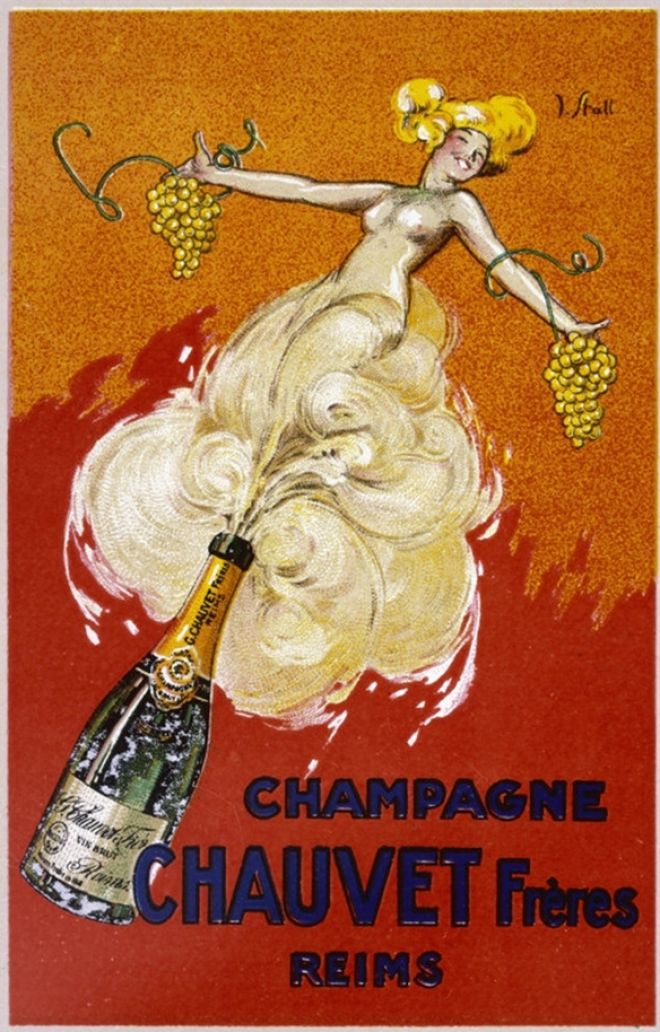
imagen: Vintageadbrowser.com

imagen: Vintageadbrowser.com

Existen unos pocos -muy pocos- perfumes que siempre logran inundarme de alegría. De hecho sonreí ante la sola idea de reseñar Ubar, ya que eso me daría la excusa perfecta para marinarme en él durante el transcurso de varios días.

Lanzado originalmente por Amouage en 1995, fue discontinuado y relanzado en 2009 bajo una fórmula diferente. La fragancia lleva el nombre de una legendaria ciudad árabe perdida bajo la arena. En modo alguno exótico, Ubar (en su versión actual) huele muy muy clásico y muy muy francés. La alusión a las arenas del desierto es, sin embargo, evidente en la botella, cuya pintura dorada se desvanece hacia la parte superior.

Ubar es una explosión floral. La salida centellea con mandarina y con el olor característico -frutado, alimonado- de la Litsea Cubeba (May Chang). La impresión inicial es crujiente, ligeramente verde, casi punzante. Una nota vívida y esplendente de rosa damascena pronto endulza el verdor, pero la verdadera estrella de la composición es el lirio del valle. Su aparición parece fundir juntas todas las demás flores de este bouquet blanco (fresias, jazmines, azahares, tuberosa) volviéndolas más cremosas. El lirio del valle pierde su consabida condición virginal y se deja corromper por una lasciva civeta. El genio de Ubar reside en este aspecto animal del lirio del valle y en el hecho de que la mezcla conserva su frescura en medio de la opulencia descarada.

La mélange resultante es el equivalente olfativo a tomar una (o dos, o tres) copas de champagne: burbujeante, efervescente, alegre. Ubar demuestra proyección y longevidad excelentes. Se siente embriagador, festivo y  -oh, claro que sí- tiene segundas intenciones.

Caro

Origin of sample: bottle purchased at MiN New York

foto: Amouage.com

foto: Amouage.com

Amouage Ubar – Joie de vivre

There are a few -very few-  fragrances that never fail to suffuse me with joy. In fact, I beamed at the mere idea of reviewing Ubar, as that would give me the perfect excuse to marinate in it over the course of some days.

Originally launched by Amouage in 1995, it became discontinued and relaunched 2009 under a different formula. The fragrance bears the name of a legendary Arabian city which was lost under the sands. Not exotic by any means, current Ubar smells very very classic and very very French. The allusion to the sands of the desert is evident, however, on the  bottle whose pale gold paint fades toward the top.

Ubar is a floral explosion. The opening sparkles with tangerine and the characteristic smell -fruity, lemony- of Litsea Cubeba (May Chang). The initial impression is crisp, slightly green, almost sharp. A splendid, nitid  rosa damascena note soon sweetens the greenness, but the true star of the composition is lily of the valley. Its appearance seems to meld together all the other flowers in this white bouquet (freesia, jasmine, orange blossom)  rendering them creamier. The lily of the valley loses its usual virginal  condition  as it becomes corrupted by a lascivious civet; the genius of Ubar resides in this animalic lily of the valley and in the fact that the blend retains its freshness amidst the unabashed opulence.

The resulting mélange is the olfactory equivalent to drinking  one (or two, or three) glasses of champagne: bubbly, effervescent, cheerful. Ubar boasts excellent projection and longevity. It feels inebriating, festive and -oh, yes- it does have second intentions.

Caro

Origin of sample: bottle purchased at MiN New York

foto: Jewelsdujour.com

foto: Jewelsdujour.com

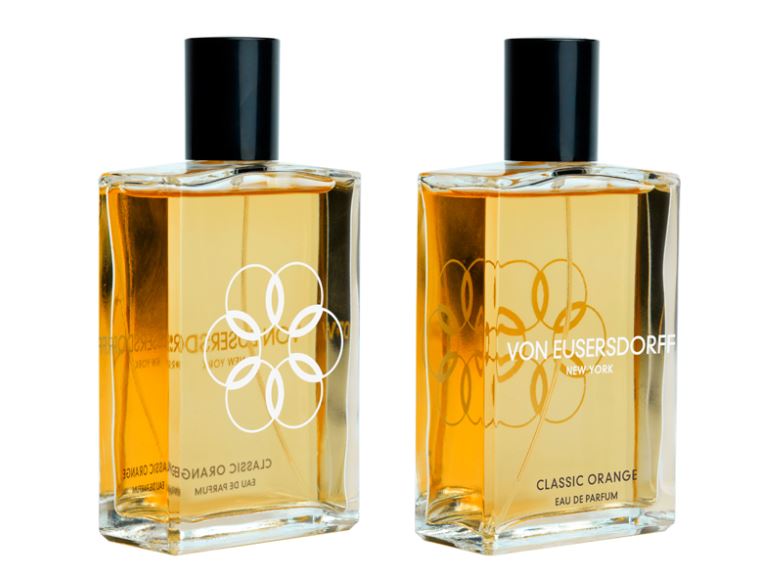
Von Eusersdorff Classic Orange – Cítrico paradojal

foto: En.wikipedia.org  fotógrafa: Brianna Lehman

foto: En.wikipedia.org    fotógrafa: Brianna Lehman

Classic Orange evita los clichés de la mayoría de los perfumes cítricos. No se siente particularmente fresco, sino que refresca con una calidez que recuerda a la de la piel entibiada por el sol.

Estas son noticias excelentes, al menos para mí: una de mis tareas más difíciles en verano es encontrar un aroma que se adecue a la estación, pero que no se sienta demasiado frío.  Por más vitalizantes que sean, excluyo limones y menta y gravito hacia el resplandor dorado de mandarinas o naranjas.

Classic Orange, presentado en 2013, no es hesperidado y prefiere jugar con el fruto entero en lugar de limitarse a la corteza. La pulpa fresca y el jugo de la naranja sanguina se combinan con los tonos verdes, sutilmente florales, del petitgrain. Engañosamente simple al comienzo, muta lentamente en una gamuza suave -acariciadora, casi táctilcon gradaciones más oscuras de . Los matices de damasco, tan característicos del osmanto, brindan dulzura y una textura aterciopelada. Frutas florales y flores afrutadas; la paradoja se  intensifica en una evolución siempre fluida, sin estridencias. El fruto resultante es sensual y cálido, con un fondo almizclado.

La proyección de Classic Orange es moderada y la longevidad, excelente para un cítrico. El resultado general logra animar el espíritu con refinamiento.

Incluso su servidora, amante confesa de perfumes enormes y complejos, se ha rendido ante el encanto de esta joyita naranja.

Caro

Origen de la muestra: muestra cortesía de Von Eusersdorff

foto: Voneusersdorff.com

foto: Voneusersdorff.com

Von Eusersdorff Classic Orange – Paradoxical citrus

Classic Orange avoids the clichés of most citrusy fragrances. It doesn’t feel particularly fresh; instead, it refreshes with a warmth akin to that of sunkissed skin.

This is wonderful news, at least for me: one of my most difficult tasks in Summer is finding a scent that is season-appropriate yet doesn’t feel too chilly. As vivifying as they might be, I rule out lemons and mint and gravitate toward the golden glow of  tangerines and oranges instead.

Classic Orange, launched in 2013, is not hesperidic and prefers to play with the whole fruit rather than limit itself to the rind. The fresh pulp and juice of blood oranges is paired with the verdant, subtly floral tonalities of petitgrain. Deceivingly simple at the beginning, it slowly morphs into soft suede -caressing, almost tactile- with darker hints of tea. The characteristic apricot-like nuances of osmanthus add sweetness and a velvety texture. Floral fruits and fruity flowers; the paradox intensifies along an evolution which is always smooth, without stridencies. The resulting fruit is warm and sensuous, with a musky drydown.

Projection in Classic Orange is moderate and longevity excellent for a citrus fragrance. The overall result is uplifting and refined. Even yours truly, self-confessed lover of big perfumey fragrances, has fallen prey to the charm of this little orange gem.

Origin of sample: Sample courtesy of Von Eusersdorff

foto: Otg.de

foto: Otg.de