Tag Archives: tonka

Parfum d’Empire Cuir Ottoman – Exuberancia y equilibrio

imagen: Ottomanhistorypodcast.com Osman Hamdi Bey, At the Mosque Door, 1891, Oil on canvas, 203 x 123.5 cm, University of Pennsylvania Museum of  Archaeology and Anthropology

imagen: Ottomanhistorypodcast.com  “En la puerta de la mezquita”, 1891 artista: Osman Hamdi Bey

Desde tiempos antiguos (2000-1200 A.C.) el arte de la curtiduría ha sido desarrollado por los Hititas en la AnatoliaTurquía. El trabajo del cuero conllevaba un gran peso simbólico en las comunidades turcas: un sentido de lo sagrado y de los valores. Pero además, el cuero tenía también un importante valor económico: se le llamaba“teri” y “tirik”, un impuesto que los antiguos clanes del lugar le pagaban al Khan.

Marc-Antoine Corticchiato -perfumista y alma mater de Parfum d’Empire– creció entre Córcega y Marruecos. Él demuestra ese particular mix cultural creando Cuir Ottoman como un tributo al tradicional trabajo del cuero de Anatolia. Es el exotismo de lo oriental en el imaginario occidental; un lujo exuberante moldeado con equilibrio y moderación.

Las breves impresiones iniciales sobre la piel remiten a un blend de whiskytabaco y cuero. Este último acorde es una cálida dulzura de benjuí que suaviza los matices más combustibles del styrax; y el cistus le ofrece una frescura casi verdosa. Una tersa nota de iris fluctúa, elegante y delicada, entre un acabado cremoso y uno apolvado.

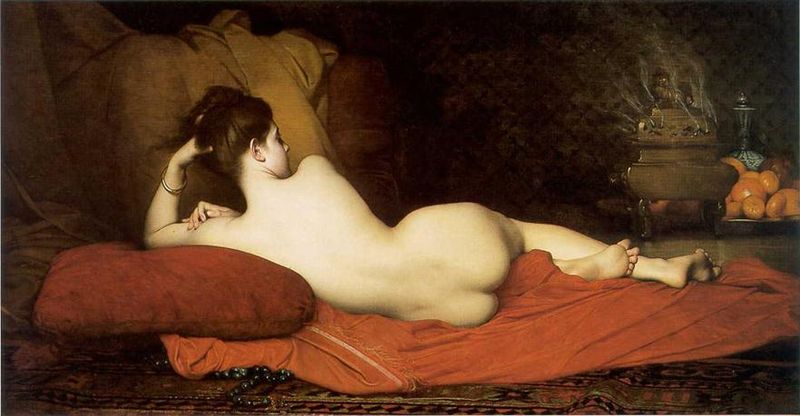
El exotismo aparece con remotos toques de incienso que se entrelazan con una cadencia ambarada de tonkavainilla y bálsamo de Tolú: esta mélange es dulce pero a veces amarga y oscura. No obstante, el gran secreto de esta sensual composición es el jazmín egipcio, una delicia floral blanca que se transforma en un imaginario fruto de azúcar. Como dijo el perfumista: “tan blanco y opulento como las odaliscas pintadas por DelacroixIngres y Matisse“.

A pesas de que hemos incluído a Cuir Ottoman en un Top 5 (muy) masculino, creo que -además- este eau de parfum florece de una forma delicada sobre la piel femenina.

Virginia

Origen de la muestra: Regalo por compra en Luckyscent.
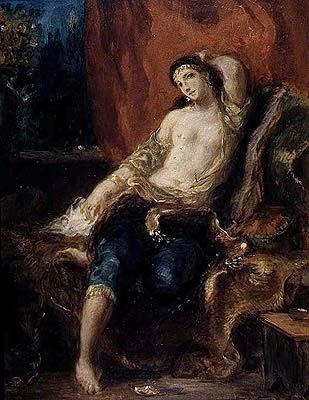
imagen: Artble.com "Odalisque", artista: Eugene Delacroix

imagen: Artble.com “Odalisque”, 1857   artista: Eugene Delacroix

Parfum d’Empire Cuir Ottoman – A balanced exuberance

The art of tannery was developed by the Hittites in Anatolia, Turkey, Since the very old times (2000-1200 B.C). In Turkish communities, leatherwork carried holy and symbolic meanings and values. But leather also had an important economic value: it was called “teri” and “tirik”, a tax paid to Khan in old Turkish clans.

Marc-Antoine Corticchiato -perfumer and alma mater of Parfum d’Empire– grew up between Corsica and Morocco. He displays that particular cultural mix creating Cuir Ottoman as a tribute to the traditional Anatolian leatherwork . It is Eastern exoticism set in a Western imaginary; an exuberant luxury shaped with balance and moderation.

The brief initial impression on the skin is a blend of whisky, tobacco and leather. This last accord is a warm sweetness of benzoin which smooths the fuel hues of styrax; and cistus brings a greenish freshness. A soft iris note fluctuates, elegant and delicate, between a creamy and a powdery finish.

The exoticism appears with distant touches of frankincense that interlaces with an ambery cadence of tonka, vanilla and Tolu Balsam: this mélange is sweet but at times bitter and dark. However the big secret of this sensual composition is Egyptian jasmine, a white floral delight that becomes in an imaginary fruit of sugar. As the perfumer said:“as white-fleshed and opulent as the odalisques painted by Delacroix, Ingres and Matisse.

Despite of our having included Cuir Ottoman in a (very) masculine top 5, I think this eau de parfum also flourishes delicately on feminine skin.

Virginia

Origin of sample: Gift with purchase from Luckyscent.

foto: Parfumdempire.fr

Lorenzo Villoresi Wild Lavender – Tiempos pasados

foto: Saint-antonin-noble-val.com

foto: Saint-antonin-noble-val.com

Wild Lavender fue creado en 1996 por el perfumista florentino Lorenzo Villoresi. Una fragancia clásica, inspirada por las eaux de toilette inglesas de los 1800s, que huele sencilla y sin pretensiones. Es esta una lavanda directa, no velada por la vainilla; lejos del clásico Caron pour un Homme y en las antípodas de mi bienamado, el frívolo Kiki.

Limpia y masculina en una manera nostálgica,Wild Lavender nunca deja de recordarme a mi abuelo y a mi padre, quienes coronaban el diario ritual de afeitado con una dosis generosa de eau de cologne a la lavanda (el Abuelo usaba una destilada en su Bulgaria natal, Papá prefería Atkinson’s). Siempre percibí el aroma de la lavanda como especialmente reconfortante y honesto; en parte por las asociaciones con estos caballeros, en parte por las virtudes de la planta (quizás su aceite esencial sea el más noble de todos: antibacteriano, antimicótico, analgésico, antiséptico, sedante, anti-inflammatorio, diurético y una larga lista de etcéteras).

Villoresi pinta su retrato de la lavanda de una manera hiperrealista, en la que cada hierba y cada especia juegan un rol clave en la reconstrucción del aroma de una brizna. La salida vibra con una nítida nota de limón mientras el verdor del gálbano evoca la frescura de los tallos. En el corazón, la lavanda aparece festoneada con los matices complementarios de la salvia esclarea y el romero. Revitalizante al extremo, Wild Lavender exalta los aspectos verdes, herbáceos y especiados de la planta. Un tenue dulzor, brindado por el haba tonka y el  almizcle, aflora apenas en el fondo.

Aunque no se destaca por su longevidad, el efecto general es tradicional y hermoso.

Caro

Origen de la muestra: Muestra gentileza de Lorenzo Villoresi

foto: Lorenzovilloresi.it

foto: Lorenzovilloresi.it

Lorenzo Villoresi Wild Lavender – Times gone by

Wild Lavender was created in 1996 by Florentine perfumer Lorenzo Villoresi. A classic fragrance inspired by the English eaux de toilette of the 1800s, it smells unpretentious and uncomplicated. This is a straighforward lavender; not mellowed by vanilla, far from the classic Caron pour un Homme and at the antipodes of my beloved, the frivolous Kiki.

Clean and masculine in a nostalgic way, Wild Lavender never fails to remind me of  my grandfather and father, both of whom would finish their daily shaving ritual with a generous dose of lavender eau de cologne (Grandpa preferred one distilled in his homeland, Bulgaria, while Dad wore Atkinson’s). The scent of lavender has always felt especially comforting and honest to me; partly because of the associations with these gentlemen, partly because of the virtues of the plant (its essential oil is perhaps the noblest of them all: antibacterial, antifungal, analgesic, antiseptic, sedative, anti-inflammatory, diuretic and a long list of et cetera).

Villoresi paints his rendition of lavender in a hyperrealistic manner in which every herb, every spice in the composition plays a role in the reconstruction of the scent of a fresh sprig. The opening  vibrates with a nitid lemon note while the greenness of galbanum evokes the freshness of the stems. At the heart,  lavender appears edged with the complementary nunaces of clary sage and rosemary. Vivifying to the extreme, Wild Lavender exalts the  green, herbal and spicy aspects of the plant. A slight sweetness, given by tonka and musk, only appears timidly in the drydown.

Although longevity is not exactly outstanding, the overall effect is conservative and beautiful.

Caro

Origin of sample: Sample courtesy of Lorenzo Villoresi

Von Eusersdorff Classic Patchouli – Patchouli supremo

imagen: En.wikipedia.org  artista: Jules Joseph Lefebvre    "Odalisca", 1874

imagen: En.wikipedia.org   artista: Jules Joseph Lefebvre   “Odalisca”, 1874

Tan pronto como recibimos nuestras muestras de Von Eusersdorff, cada una de nosotras –Virginia en California, Caro en Buenos Aires– buscamos primero el mismo perfume: Classic Patchouli. Aunque no somos adoratrices del patchouli, sabíamos que Classic Patchouli es la fragancia insignia de la marca y queríamos comprobar si estaba a la altura del runrún.

El patchouli (pogostemon patchouli) se popularizó en Europa a comienzos del siglo XIX ya que se usaba para perfumar los chales indios que estaban tan de moda en ese entonces. Las hojas de patchouli mantenían alejadas a las polillas y prestaban su aroma a los chales mientras éstos viajaban de India a Europa. El aceite esencial de patchouli es uno de los pocos que mejora con el paso del tiempo; su olor característico es dulce, terroso, almizclado y mohoso.

Las dos pudimos percibir los efluvios de Classic Patchouli al abrir la caja, mientras la botellita estaba aún cerrada. Este es un patchouli que invita a inhalar profundamente, una y otra vez. Su belleza es clásica y depurada y el efecto general, narcótico y adictivo.

En la salida, la bergamota parece explotar mientras prepara el camino para la nota de patchouli; por un breve instante una sutil nube alcanforada evoca la espesura de viejos bosques. Luego, una textura crocante, como hojas secas hechas de chocolate amargo, emerge de la tonka, deliciosamente cumarínica (que también brinda su hermosa cualidad atalcada), realzando la aspereza del patchouli. Durante unos minutos, la terrosidad y el bosque están por todas partes; son la antecámara de la magia cremosa del sándalo. La sensación general es tersa, avainillada, de textura casi mantecosa. La vainilla nunca sofoca y el  sándalo parece actuar como un puente, suavizando la transición de patchouli a vanilla. 

El resultado es muy voluptuoso y un poco exótico. Caro dice que sólo quiere hablar en Italiano  cuando usa Classic Patchouli ya que ningún otro idioma es lo suficientemente sensual para hacerle justicia.

Nos encanta Classic Patchouli en nosotras, pero creemos que en un hombre -¡oh,sí!- sería el equilibrio perfecto entre león rugiente y gatito que ronronea.

Caro y Virginia

Origen de la muestra: Muestra gentileza de Von Eusersdorff

Nota bene: Hemos hablado brevemente acerca de Von Eusersdorff en nuestra reseña de Classic Myrrh

foto: Duoparadigms.com

foto: Duoparadigms.com

Von Eusersdorff Classic Patchouli – Supreme patchouli

As soon as we received our Von Eusersdorff samples, each of us –Virginia in California, Caro in Buenos Aires– reached for the same fragrance first: Classic Patchouli. Although we are not patchouli worshippers, we knew Classic Patchouli was the brand’s flagship fragrance and we wanted to verify whether it would live up to the hype.

Patchouli (pogostemon patchouli) became popular in Europe at the beginning of the XIX century since it was used to scent the Indian shawls which were in vogue at the time. The patchouli leaves would keep moths at bay and lend their aroma to the shawls  while they were transported from India to Europe. Patchouli essential oil is one of the few that improves with age; its characteristic smell is sweet, earthy, musky and musty .

Both of us were able to sniff the emanations of Classic Patchouli as we opened the box, while the tiny bottle was still closed. This is a patchouli that makes one want to inhale deeply, once and again and again. Its beauty is classic and streamlined  and the overall effect, narcotic and addictive.

In the opening bergamot seems to explode as it paves the way for the patchouli note; for a brief moment, a subtle camphorous cloud evokes ancient woods and forests. Then, a crispy texture like dried leaves made of dark chocolate emerges from the deliciously coumarinic tonka (which also lends its beautiful powderiness), highlighting the roughness of patchouli. For a few minutes, earthiness and woods are everywhere; they are the antechamber of the creamy magic of sandalwood. The overall feel is sleek, vanillic, almost buttery in texture. The vanilla never overpowers and  sandalwood seems to act like a bridge, smoothing out the transition from patchouli to vanilla. 

The result is very voluptuous and just a bit exotic. Caro says she only wants to speak in Italian  when she wears Classic Patchouli as no other language would be sensual enough to do it justice.

We love Classic Patchouli on ourselves, but  we think on a man -¡oh, yes!- it would be the perfect balance between roaring lion and purring kitten.

Caro & Virginia

Origin of sample: sample courtesy of Von Eusersdorff

Nota bene: We have talked briefly about Von Eusersdorff on our Classic Myrrh review 

foto: Voneusersdorff.com

foto: Voneusersdorff.com

Oriza L. Legrand Jardins d’Armide – Entre tules y flores

imagen: Wga.hu artista: Louis-Jean-François Lagrenée  Rinaldo y Armida, 1766

imagen: Wga.hu     artista: Louis-Jean-François Lagrenée       Rinaldo y Armida, 1766

Armida, la hechicera sarracena, era un motivo recurrente en las artes de los siglos XVII y XVIII. Ópera, ballet y pintura rindieron tributo a su belleza.  Cuenta la historia que Armida llevó a Rinaldo -su querido cruzado- a un jardín encantado para mantenerlo prisionero.  Existen distintos finales dependiendo de la versión:  La Jerusalén Libertada, el poema épico de Torquato Tasso, concluye con Armida y Rinaldo juntos, reinando felices por siempre.

Aunque ya había intercambiado unas palabras con Monsieur Lambert (pueden leer nuestra entrevista con él aquí) y conocía sobre el patrimonio histórico de la casa, no había probado ninguno de sus perfumes. Cuando nuestra colega bloguera Kafka celebró un generoso sorteo de Oriza L. Legrand el mes pasado, me zambullí con ansias y resulté una de las ganadoras. Unas semanas después, chillaba de emoción (y no exagero) mientras abría la caja recién llegada de París.

Jardins d’Armide es un floral seriamente atalcado. Originalmente compuesto en 1909, ha sido reorquestado recientemente con materias primas modernas. La atmósfera de la Belle Époque está definitivamente presente y sin embargo no resulta anticuado. Au debouché, percibo las violetas atalcadas que estaban tan en boga a principios del 900, pero al rociarlo, oigo cantar a los ángeles, veo flores cayendo del cielo y siento tules de tonos pastel envolviéndome. Y no, no estoy alucinando.

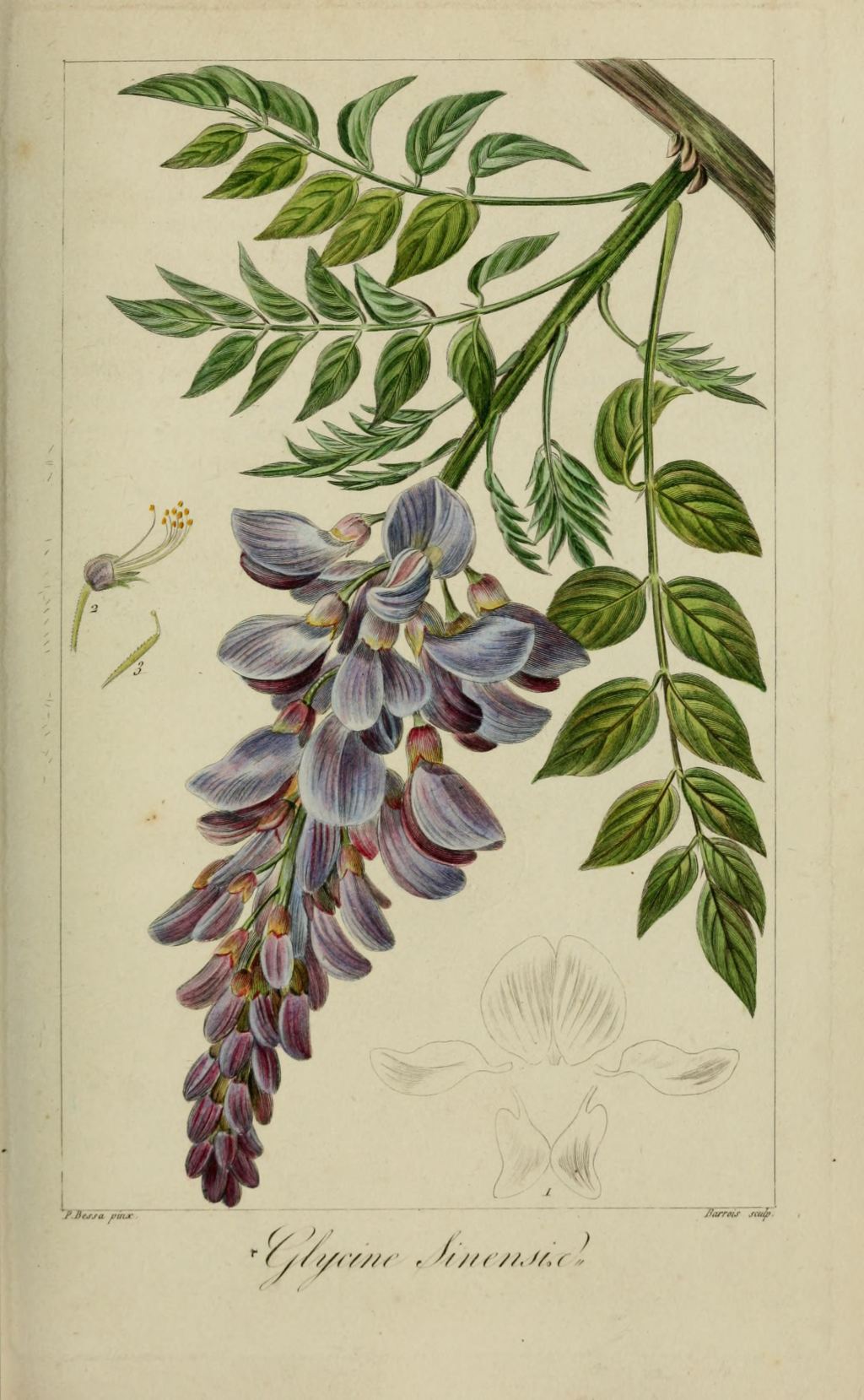
Los aspectos rosados-verdes-cítricos del  geranio se funden en una nítida nota de rosa que se torna, progresivamente, meliflua y cremosa. Armide ahora adquiere el dulzor de los bombones; para ser precisa, me recuerda vívidamente al loukoum  (rosa, almendras, miel, azúcar impalpable) pero nunca cruza la línea gourmand. Sigue siendo un magnífico floral atalcado en el que rosas, azahares y glicinas descansan sobre una base de almizcle blanco.  Se manifiesta una leve sensación cosmética debido a la cremosidad, al polvo y a la jabonosidad transmitida por la combinación de  flor de naranjo y almizcles blancos. Lo encuentro reconfortante pero no relajado en exceso y en modo alguno casual. Si los jardines de Armida olían de esta forma, puede entenderse el deseo de quedar prisionero allí.

Un solo spritz basta para quedar envuelta en una nube fragante por buena parte del día. Escala posiciones hacia mi top 5.

Caro

Origen de la muestra:  sorteo de Oriza L. Legrand realizado en Kafkaesque

foto: Orizaparfums.com

foto: Orizaparfums.com

Oriza L. Legrand Jardins d’Armide –  Amidst tulle and flowers

Armida, the Saracen sorceress, was a recurring motif in the arts of the XVII and XVIII centuries. Painting, opera and ballet paid tribute to her beauty. The story goes that Armida took Rinaldo -her beloved crusader- to an enchanted garden in order to keep him captive. There are different endings depending on the version:  Jerusalem Delivered, the epic poem by Torquato Tasso, concludes with both Armida and Rinaldo together, reigning happily ever after.

Although I had already exchanged a few words with Monsieur Lambert (you may read our interview with him here) and knew about the historical heritage of the house, I had not tried any of their fragrances. When fellow blogger Kafka hosted a generous Oriza L. Legrand last month, I eagerly  jumped in and became one of the lucky winners. A few weeks later, I was shrieking with excitement (no exaggeration) as I tore open the box which had just arrived from Paris.

Jardins d’Armide is a seriously powdery floral.Originally composed in 1909, it has been recently reorchestrated employing modern raw materials. The Belle Époque atmosphere is clearly present, nonetheless it doesn’t feel dated. Au debouché, I perceive the powdery violets that were so in vogue at the turn of the century but when I spritz it on, I hear angels sing, see flowers falling from the skies and feel pastel colored tulle wrapping around me. And no, I am not hallucinating.

The rosy-green-citrusy aspects of geranium fade into a clear rose note which becomes progressively honeyed and creamy. Armide now acquires the sweetness of bonbons; to be precise, it strongly reminds me of Turkish delight (rose, almond, honey, icing sugar) but never crosses the gourmand line. It remains a magnificent powdery floral in which roses, orange blossom and wisteria rest on a white musk base. A slight cosmetic feel manifests itself due to the creaminess, the powder and the soapiness conveyed by the orange blossom and white musks pairing. I find it comforting but not excessively relaxed and definitely not casual. If Armida‘s gardens smelled like this, one could understand the wish to remain captive there.

Just one spritz suffices to become wrapped in a fragrant cloud for the best part of the day. Straight to my top 5 it goes.

Caro

Origin of sample: Oriza L. Legrand draw hosted at Kafkaesque

imagen: Environnement.ecole.free.fr

imagen: Environnement.ecole.free.fr

Oliver & Co. Resina – Bálsamo hipnótico

imagen: Bookworkschicago.blogspot.com

imagen: Bookworkschicago.blogspot.com

Entiendo los perfumes de Oliver Valverde no como meras fragancias sino también como creadores o potenciadores de estados de ánimo y clima. El joven nariz español ha ganado mi respeto con sus creaciones de autor, que resultan tan originales como fáciles de llevar.

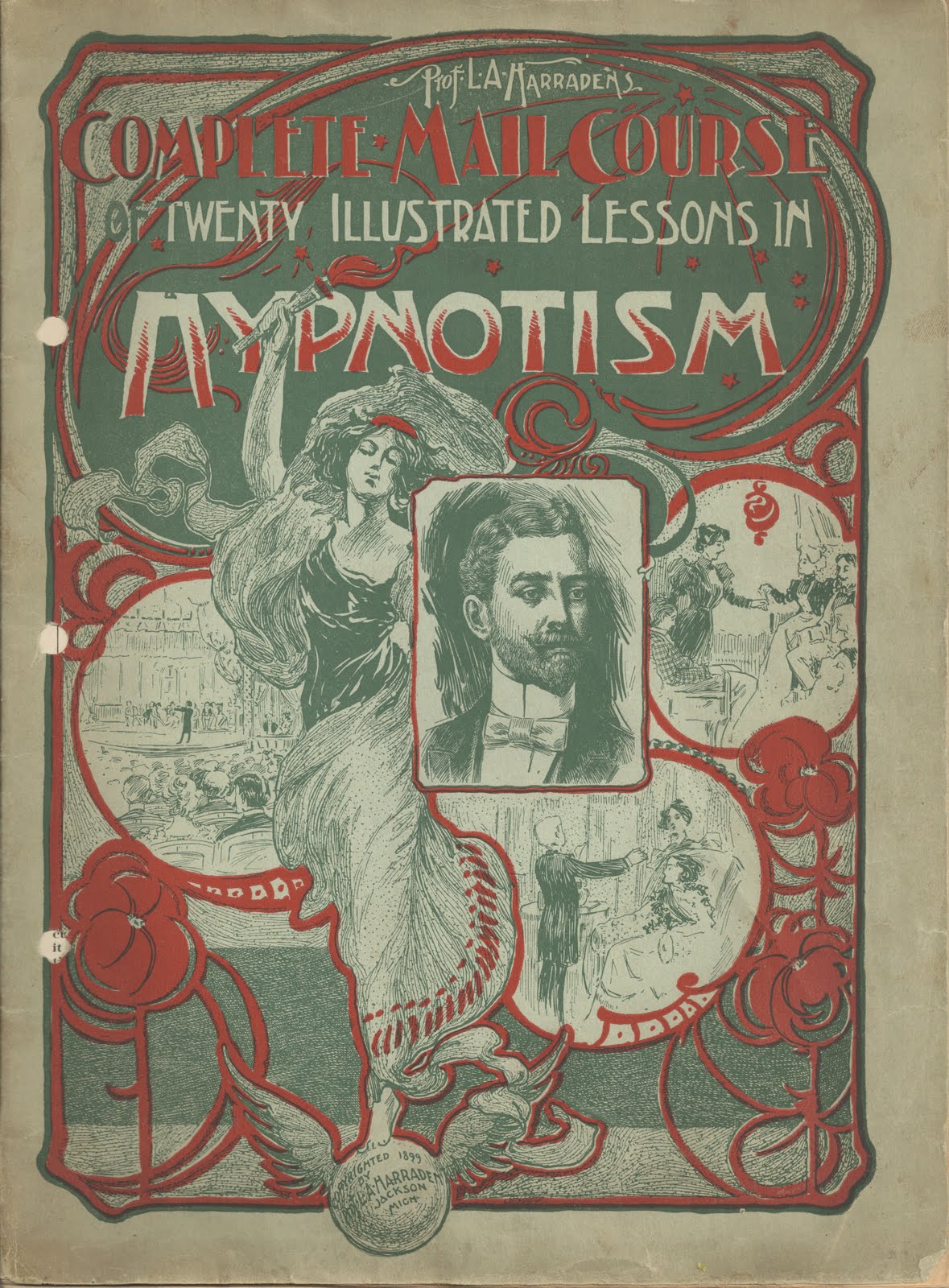
Resina es ambarado y balsámico, pero no denso. La salida se siente tan picante que la nariz puede arder si se inhala desde muy cerca: nuez moscada, anís estrellado jengibre  parecen envueltas en una cáscara gomosa, con reminiscencias de látex. Luego de unos pocos minutos los bordes filosos se suavizan, la mezcla se dulcifica y adquiere matices otoñales que me recuerdan un poco al extraordinario Vetiverus de Oliver & Co.. Extrañamente hipnótica, la frialdad plateada del incienso pinta trazos contrastantes sobre un fondo cálido y mullido de bálsamo de Tolu, benjuí y opopanax. Acogedor, envolvente y aun así liviano, Resina tiene una persistencia notable.

A pesar de haberlo probado en varias ocasiones, no me he formado una opinión cabal del elusivo Resina –es posible que prefiera al más terso Vetiverus– pero esconde algo atractivo, algo que me hace oler las muñecas una y  otra vez, y otra vez más. Horas más tarde, a lo largo del día, sigo detectando un olorcillo especiado y carnal que parece jugar a las escondidas.

Puede que no sea tan necesario definir mi opinión sobre Resina después de todo. Su aura de misterio y su condición esquiva constituyen la fascinación más grande.

Caro

Origen de la muestra: Muestra gentileza de Oliver & Co.

foto: Oliverandco.es

foto: Oliverandco.es

Oliver & Co. Resina – Hypnotic balsam

I understand Oliver Valverde‘s fragrances not as mere perfumes but also as mood and atmosphere creators or enhancers. The young Spanish nose has earned my respect with his auteur creations, which are as original as they are wearable.

Resina is ambery and balsamic but not dense. The opening feels so spicy that nostrils may burn if inhaled from too short a distance: nutmeg, star anise and ginger seem enveloped in a rubbery wrapping, reminiscent of latex. After a few minutes, the sharp edges become smoother,the blend turns sweeter and acquires autumnal hues that remind me of Oliver & Co.‘s extraordinary Vetiverus. Strangely hypnotic, the silvery coldness of frankincense paints contrasting brushstrokes on a warm, plush background of tolu, benzoin and opopanax. Cozy, cocooning but still lightweight has outstanding tenacity.

Despite having road-tested it several times, I have not fully made up my mind about the elusive Resina –I might prefer the smoother Vetiverus– but there’s something compelling about it, something that makes me smell my wrists again and again and yet again. Hours later, into the day, I keep catching these mysterious whiffs, spicy and carnal at a time, that seem to play hide and seek. There might be no need to make my mind about Resina after all. Its aura of mystery and its evasive condition constitute its greater fascination.

Caro

Origin of sample: Sample courtesy of Oliver & Co.

foto: Meridianbotanicals.com

foto: Meridianbotanicals.com