Ann Gerard Parfum Perle de Mousse – Hiedra cítrica

imagen: Fineartamerica.com  artista: Anne Weirich

imagen: Fineartamerica.com     artista: Anne Weirich

Desde que probé  Ciel d’Opale  el año pasado, no veía la hora de conocer a los otros dos integrantes de la colección de fragancias de Ann Gerard Parfum (compuesta por Bertrand Duchaufour)Perle de Mousse y Cuir de Nacre. Hace poco lo hice. ¿Qué puedo decir? ¡Ah, ya sé!: Por favor ¡no me obliguen a elegir sólo un favorito de entre ellos!

No puedo comprender qué sucede con mi lado racional cuando se trata de oler las composiciones del  Sr. Duchaufour. Hasta ahora, no he probado una sola fragancia de él que no me haya gustado. Siempre hay algo de su estilo que sorprende, es atemporal y moderno a la vez. En el caso de este particular eau de parfum (Perle de Mousse) puede apreciarse en una asombrosa y singular fusión de cítricos con notas verdes y florales.

Al oler desde la botella, la percepción inicial es de frescura, dulzura y sombras. Es una fría solemnidad, como el denso y profundo cobijo que el follaje abundante brinda en verano. La generosa dosis de mandarina verde y aldehídos agrega algunas vibraciones a la oscuridad de las notas de hiedra y gálbano, al igual que los rayos de sol abriéndose paso tímidamente a través de la espesura.

Ya sobre la piel, Perle de Mousse se vuelve más floral. El limpio lirio del valle rocía su jabonosidad sobre un  bouquet de gardeniasjazmines y rosas búlgarasClavo y espino blanco agregan un suave, dulce y especial toque que hace las veces de puente con las notas base. En este momento hace su aparición un matiz amaderado, justo antes de que el ambargris,el almizcle y la vainilla entibien y sellen la composición.

Este perfume pertenece a la familia chipre verde. Ciertamente, porque a pesar de tener una alegre -cítrica, dulce, floral- apariencia lleva también la marca distintiva de sus parientes: una -fría, verde, distante- misteriosa actitud. Y sí, incluso ¡sin musgo de roble! *

Virginia

(*) Pueden leer más sobre la familia de los chipre y las restricciones al uso de musgo de roble aquí.

Origin of sample: Discovery Kit No1 purchased from LuckyScent.
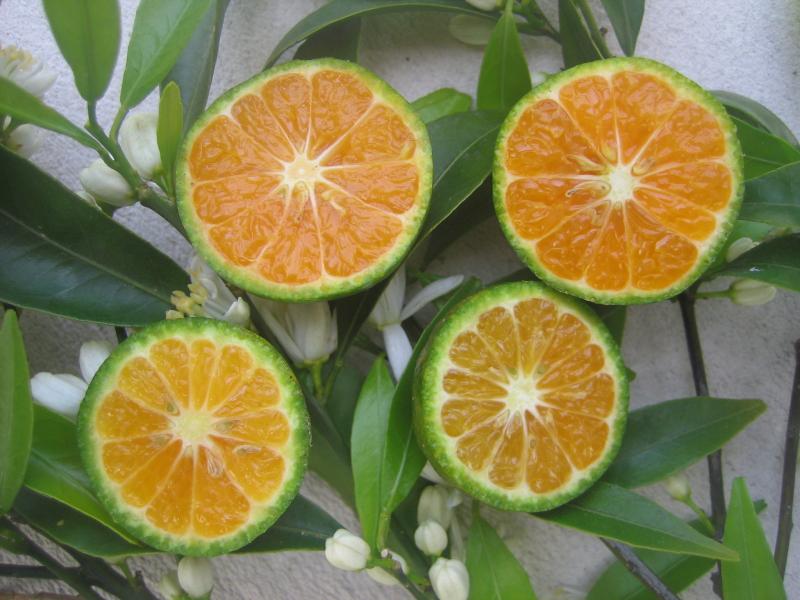
foto: Cadima.com

foto: Cadima.com

Ann Gerard Parfum Perle de Mousse – Citrus ivy

Since I first sampled  Ciel d’Opale last year, I kept looking forward to try the other two integrants of the Ann Gerard Parfum fragrance collection (composed by Bertrand Duchaufour): Perle de Mousse and Cuir de Nacre. I did it recently. What can I say? Oh, I got it: Please, don’t force me to choose only one favorite of them!

I can’t understand what happen with my rational side when it comes to Mr. Duchaufour‘s compositions. So far, I have not smelled a single fragrance from him that I didn’t like.There is always something surprising, timeless and modern at the same time about his style. For example, in this particular eau de parfum (Perle de Mousse) it is possible to appreciate an amazing and singular fusion of citrus, floral and green notes.

Sniffing from the bottle the initial perception is one of freshness, sweetness and shadows. It is a cold solemnity, like the deep and dense shelter that abundant foliage gives in summer. The generous dose of green mandarine and aldehydes adds some vibrations to the darkness of ivy and galbanum notes, similar to rays of sunshine timidly making their way through the thicket.

Upon applying on skin, Perle de Mousse becomes more floral. A clear lily of the valley sprays its soapiness on a bouquet of gardenia, jasmine and Bulgarian rose. Clove and hawthorn brings a sweet and soft spicy hint that acts like a bridge whit the base notes. In this moment a woody hue makes its apparition just before ambergris, musk and vanilla warm up and seal the composition.

This perfume belongs to the green chypre family. Truly, because despite having a cheerful -citrus, sweet, floral- appearance it has the trademark of its relatives: a -cold, green, distant- mysterious attitude. And yes, even without oakmoss!*

Virginia

(*) You can read more about chypre family and oakmoss restrictions here.

Origin of sample: Discovery Kit No1 purchased from LuckyScent.
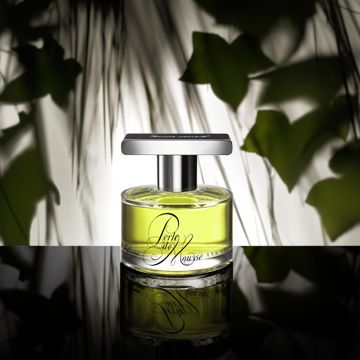
foto: Anngerard.com

foto: Anngerard.com

Mona di Orio Parfums Ambre – Una seductora en sepia

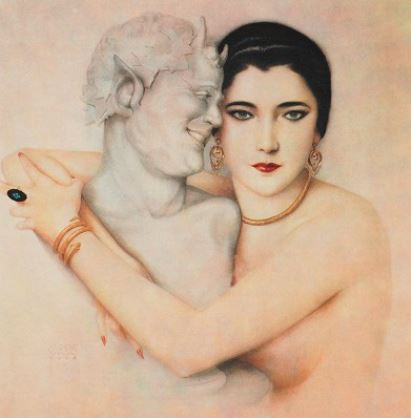
imagen: Sfae.com artista: Alberto Vargas, Nita Naldi     © Max Vargas Estate

imagen: Sfae.com  artista: Alberto Vargas, Nita Naldi    © Max Vargas Estate

Aunque unos cuantos perfumes en mi colección pueden ser considerados favoritos, algunos de ellos ocupan un lugar especial. No son más de cinco fragancias que se sienten excepcionales en términos de belleza y capacidad de emocionar. Uno de esos elegidos, que comenzó como amor a primer olfato pero ha pasado la prueba del tiempo, es Mona di Orio Ambre.

Encontré Ambre por primera vez en Farmacia Centrale, en Milán,donde pasé la mayor parte de una hora (si no más) con la pacientísima Jelly. En ese momento opté por otra fragancia (The Party in Manhattan, en caso de que quieran saberlo) pero el recuerdo de Ambre siguió persiguiéndome incluso tiempo después de haber vuelto a Buenos Aires y continuó haciéndolo hasta que decidí comprar una botella.

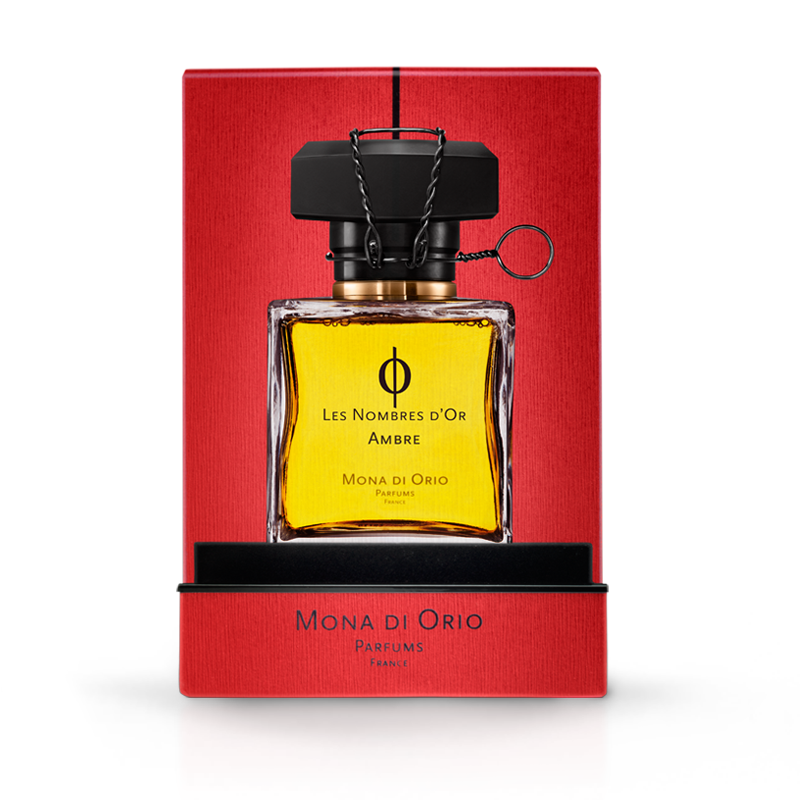
La colección Nombres d’Or explora la teoría estética de la proporción áurea y cada eau de parfum gravita alrededor de un ingrediente distinto. Ambre despliega un exquisito aire de los años 1930s y una textura entre polvorienta (aunque no atalcada) y satinada. Una delicada nota de cedro -presente a través de toda la evolución-  insinúa en cierto modo un cofrecito que ha resguardado viejas cartas de amor de los ojos curiosos. La resinosa madera se ve endulzada gradualmente por ylang ylang y una vainilla, pero no es este dulzor de azúcar sino uno que refuerza la imagen de papeles antiguos. Tiene una cualidad etérea y casi fantasmal, pero ¡qué fantasma hermoso!

Resulta interesante olisquearlo lado a lado con  LM Parfums Ambre Muscadin (también compuesto por Mlle. di Orio).Las similitudes son muy evidentes pero también lo son las diferencias: Ambre Muscadin es más robusto, rotundo, sexy. Ambre resulta refinado y sutilmente erótico. Si Ambre Muscadin es flan de cedro (como lo llamo bromeando), entonces Mona di Orio Ambre se asemeja a la más esponjosa mousse. Ambre comparte también un air de famille con el manifiestamente sexual Ambra di Luna.

Caro

Origen de la muestra: Botella comprada en Min New York.

foto: Monadiorio.com

foto: Monadiorio.com

Mona di Orio Parfums Ambre – Seductress in sepia

Although  many perfumes in my collection can be considered favorites, some of them occupy a special place. They amount to no more than five fragrances that feel exceptional in terms of beauty and ability to emote. One of those chosen few, which started as love at first sniff but stood the test of time is Mona di Orio Ambre.

I came across Ambre at Farmacia Centrale, in Milan, where I spent the best part of an hour (if not more) with the very patient Jelly. At that time, I opted for another fragrance (The Party in Manhattan, in case you are wondering) but Ambre kept haunting me long after I had returned to Buenos Aires and it did so until I decided to purchase a bottle.

The Nombres d’Or collection explores the aesthetic theory of the golden ratio and every eau de parfum gravitates around a different raw material. Ambre displays an exquisite 1930s vibe and a dusty (not powdery) yet satiny texture. A delicate cedarwood note -present throughout the whole evolution- suggests a casket that has kept old love letters away from curious eyes. The resinous wood is gradually sweetened by ylang ylang and a vanilla; this is not the sweetness of sugar but one that reinforces the feel of ancient papers. There is an ethereal, almost ghostly quality to it, but what a beautiful ghost this is!

It is interesting to sniff this one side by side with LM Parfums Ambre Muscadin (also composed by Mlle. di Orio). The similarities are very evident but so are the differences: Ambre Muscadin is more robust, rotund, sexy. Ambre  appears refined and subtly erotic. If Ambre Muscadin is cedarwood flan (like I jokingly call it), then Mona di Orio Ambre is akin to the fluffiest mousse. Ambre also shares an air de famille with the overtly sexual Ambra di Luna

Caro

Origin of sample: Bottle purchased at Min New York.

Aftelier Cuir de Gardenia – Blanco y dulce hechizo

foto: Blog.tahiti.com

foto: Blog.tahiti.com

Imaginate que estás frente a un atado de capullos de flores de tiare. Mientras están siendo entibiados por la luz del sol, de repente… ¡pop-pop-pop-pop! Todos ellos, y sin prefacios, florecen instantáneamente. Su blanca, dulce, afrutada y jugosa fragancia va directo a tu nariz. No podés alejarte de ella… y tampoco querés hacerlo, porque has caído bajo su hechizo.

Cuir de Gardenia,la última creación de Mandy Aftel, es hechizante. Antes de que te des cuenta de ello, estás absorto por el proceso de florecimiento de una gardenia en cámara rápida. Al carecer de notas de salida, va directo a (las notas de) el corazón. El encantador espíritu del absoluto de tiare (también conocida como Gardenia de Thaití) evoca esa explosión floral blanca. El fenilacetato de etilo ofrece su aroma similar al de los alelíes, lo que resulta en un tono ambarado, similar al de una fruta madura (¿como el dátil? ¿o el higo?).

Un cremoso y casi aterciopelado matiz aparece gracias al  absoluto de jazmín grandiflorum. Este ingrediente conecta con precisión con el indólico acetato de benzilo. La dimensión naftalínica crece y crece hasta que llega un punto en que se percibe un trasfondo acuerado. Se trata del balance perfecto entre castóreo y maltol. Esta relación de figura-fondo exalta el carácter floral. Pero ese blend en segundo plano de caramelo con aceitosas notas animálicas es igual de bello que las notas principales.

Cuir de Gardenia está disponible tanto en versión extract como en la sólida. Yo probé la primera. Su fijación en la piel es deliciosa y su longevidad es muy buena (entre 3 y 4 horas). Pero a no olvidar: si bien los perfumes naturales son más efímeros que los que contienen compuestos sintéticos, sus ingredientes son más ricos y lujosos.

Virginia

Origen de la muestra: cortesía de Aftelier.

foto: Privatereceptions.wordpress.com

foto: Privatereceptions.wordpress.com

Aftelier Cuir de Gardenia – The sweet white spell

Imagine you are sitting in front of a bunch of tiare buds. They are warmed by the heat of the sun and suddenly… pop-pop-pop-pop! All of them, without any prefaces, happen to instantly bloom. Their white, sweet, fruity and juicy fragrance goes straight to your nose. You can’t get away from it… and you don’t want to, you’ve fallen under its spell.

Cuir de GardeniaMandy Aftel‘s creation, is bewitching. Before you can even notice, you are enraptured by the blooming process of a gardenia, seemingly in fast motion. This doesn’t have any top notes so it goes straight to the heart (notes). The charming spirit of tiare (aka Tahitian Gardenia) absolute evokes that white-floral explosion. The ethyl phenyl acetate offers its scent, reminiscent of sweet peas, and the result is an ambery hint, similar to a juicy ripe fruit (date? fig?).

A creamy, almost velvety, hue appears cortesy of the jasmine grandiflorum absolute. This ingredient connects precisely with the indolic benzyl acetate. The naphthalene dimension grows and grows until you are able to perceive a leathery backdrop, that is a perfect balance between castoreum and maltol. This relationship between figure and background exalts the floral character but the blend of caramel and oily animalic notes in the back is as beautiful as the main notes are.

Cuir de Gardenia is available in extrait form but there is also a solid version. I’ve tried the first one. Its fixation on the skin is delicious and its longevity is very good (between 3 and 4 hours). Remember: natural perfumes are more ephemeral than synthetic, but their ingredients are more rich and luxurious.

Virginia

Origin of sample: Vial courtesy of Aftelier.foto: Aftelier.com

foto: Aftelier.com

Nicolas de Barry Sissi Impératrice- Violetas y golosinas vienesas

imagen: Commons.wikimedia.org

imagen: Commons.wikimedia.org

Nicolas de Barry ha publicado varios libros sobre la historia y cultura del perfume (entre ellos, L’ ABCdaire du Parfum, Des Parfums à faire soi-même, L’Inde des parfums). Formado como sociólogo y politólogo, es Secretario General del prestigioso Prix François Coty y, a su vez, fue elevado a Chevalier dans l’Ordre des Arts et des Lettres por el Ministerio de Cultura de Francia en 2011.

Aunque había oido hablar del elogiado George Sand que Monsieur de Barry compuso para Mâitre Parfumeur et Gantier, no conocía mucho acerca de él hasta que encontré su colección Les Parfums Historiques en la adorable Die Kleine Theatiner Parfümerie, en Munich. Mi aproximación a Les Parfums Historiques fue cauta (en un mercado saturado de marcas de perfume una tiende a recelar de lo desconocido). “Oooh, este me gusta ¡es muy bueno!” exclamé mientras el  amable Daniel rociaba La Marquise de Pompadour -un hermoso bouquet multifloral- sobre un blotter. “¡No, no, no! DE VERDAD es muy bueno”continué entusiasmada.

Como Munich es la ciudad de nacimiento de la emperatriz Elisabeth de Austrianée Elisabeth de Wittelsbach –sobre cuya belleza y gustos escribí en mi reseña de Fantasia de Fleurs– consideré apropiado probar también Sissi Impératrice. Si bien no suelo comprar souvenirs, un recuerdo olfativo de esta encantadora ciudad me parecía buena idea.

Menos operático que Fantasia de Fleurs, Sissi Impératrice resulta más verosímil y recrea con éxito una atmósfera de fin de siècle. Logra evocar  acertadamente el aura de una mujer que nunca o rara vez se perfumaba, pero adoraba la pastelería vienesa y el aroma de las violetas.

La fragancia es muy dulce, profunda y casi de textura aterciopelada, si bien no terriblemente compleja. Podría resumirse en atalcadísimas violetas y una nota de vainilla que  cobra matices de azúcar quemada antes de evolucionar hacia una base de almizcle. Su sillage es amplio y la longevidad, sobresaliente.

Resume de manera maravillosa los gustos simples, pero exquisitos de la emperatriz. El reconfortante Sissi Impératrice pronto se convertiría en mi dulce compañía por el resto del viaje.

Caro

Origen de la muestra: botella comprada en Die Kleine Theatiner Parfümerie, Munich

foto: Maisonnicolasdebarry.com

foto: Maisonnicolasdebarry.com

Nicolas de Barry Sissi Impératrice – Violets and Viennese delicacies

Nicolas de Barry has authored several books on the history and culture of perfume (among them, L’ ABCdaire du Parfum, Des Parfums à faire soi-même, L’Inde des parfums). Trained as sociologist and politologist, he is General Secretary of the prestigious Prix François Coty and, in turn, he was elevated to Chevalier dans l’Ordre des Arts et des Lettres by the French Ministry of Culture in 2011.

Although I had heard of the much praised George Sand that Monsieur de Barry created for Mâitre Parfumeur et Gantier, I knew practically nothing about him  until I stumbled upon his Les Parfums Historiques collection at the adorable Die Kleine Theatiner Parfümerie, in Munich. My approach to Les Parfums Historiques was cautious (in a market saturated with perfume brands, one tends to be wary of the unknown). “Oooh, I like this. This is very good!” I exclaimed as the charming Daniel sprayed La Marquise de Pompadour -a beautiful multifloral bouquet- on a blotter. “No, no, no! This is REALLY good”I enthused.

Since Munich is the birthplace of Empress Elisabeth of Austria, née Elisabeth von Wittelsbach -about whose  beauty and tastes I’ve written on my review of Fantasia de Fleurs– I deemed it approppriate to try Sissi Impératrice too. While I am not one to buy souvenirs, an olfactory memory of this enchanting city seemed like a good idea.

Less operatic than Fantasia de Fleurs, Sissi Impératrice is also more credible and successfully manages to recreate a fin de siècle atmosphere. It is likelier to evoke the aura of a woman who rarely or never wore fragrance but adored fine Viennese pastries and the scent of violets.

The fragrance is very sweet, deep and almost velvety in texture although not terribly complex. It could be summed up as the powderiest of violets and a vanilla note which acquires undertones of burnt sugar before evolving into a musky base. Its sillage is ample and its longevity, outstanding. It wonderfully epitomizes the empress’ simple yet exquisite tastes.The soothing Sissi Impératrice would soon become my sweet companion for the rest of the journey.

Caro

Origin of sample: Bottle purchased at Die Kleine Theatiner Parfümerie, Munich

foto: Dw.de

foto: Dw.de

Oliver & Co. Resina – Bálsamo hipnótico

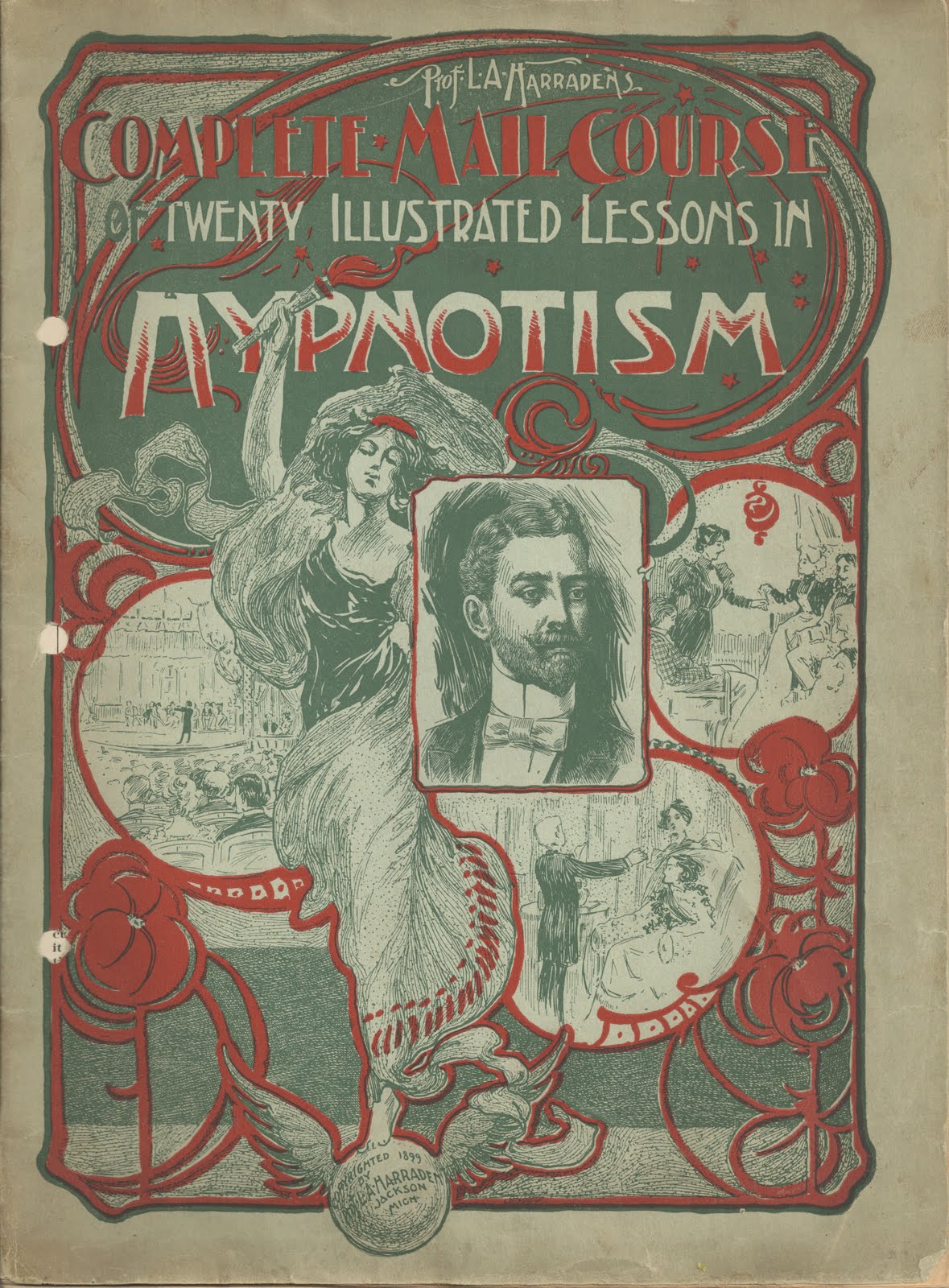
imagen: Bookworkschicago.blogspot.com

imagen: Bookworkschicago.blogspot.com

Entiendo los perfumes de Oliver Valverde no como meras fragancias sino también como creadores o potenciadores de estados de ánimo y clima. El joven nariz español ha ganado mi respeto con sus creaciones de autor, que resultan tan originales como fáciles de llevar.

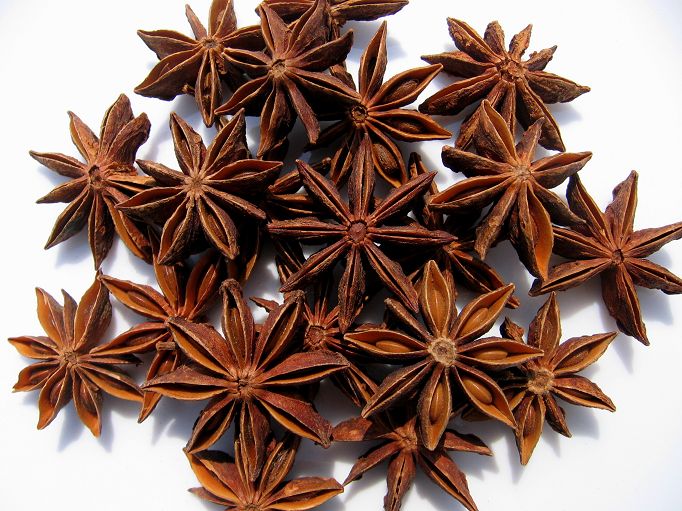
Resina es ambarado y balsámico, pero no denso. La salida se siente tan picante que la nariz puede arder si se inhala desde muy cerca: nuez moscada, anís estrellado jengibre  parecen envueltas en una cáscara gomosa, con reminiscencias de látex. Luego de unos pocos minutos los bordes filosos se suavizan, la mezcla se dulcifica y adquiere matices otoñales que me recuerdan un poco al extraordinario Vetiverus de Oliver & Co.. Extrañamente hipnótica, la frialdad plateada del incienso pinta trazos contrastantes sobre un fondo cálido y mullido de bálsamo de Tolu, benjuí y opopanax. Acogedor, envolvente y aun así liviano, Resina tiene una persistencia notable.

A pesar de haberlo probado en varias ocasiones, no me he formado una opinión cabal del elusivo Resina –es posible que prefiera al más terso Vetiverus– pero esconde algo atractivo, algo que me hace oler las muñecas una y  otra vez, y otra vez más. Horas más tarde, a lo largo del día, sigo detectando un olorcillo especiado y carnal que parece jugar a las escondidas.

Puede que no sea tan necesario definir mi opinión sobre Resina después de todo. Su aura de misterio y su condición esquiva constituyen la fascinación más grande.

Caro

Origen de la muestra: Muestra gentileza de Oliver & Co.

foto: Oliverandco.es

foto: Oliverandco.es

Oliver & Co. Resina – Hypnotic balsam

I understand Oliver Valverde‘s fragrances not as mere perfumes but also as mood and atmosphere creators or enhancers. The young Spanish nose has earned my respect with his auteur creations, which are as original as they are wearable.

Resina is ambery and balsamic but not dense. The opening feels so spicy that nostrils may burn if inhaled from too short a distance: nutmeg, star anise and ginger seem enveloped in a rubbery wrapping, reminiscent of latex. After a few minutes, the sharp edges become smoother,the blend turns sweeter and acquires autumnal hues that remind me of Oliver & Co.‘s extraordinary Vetiverus. Strangely hypnotic, the silvery coldness of frankincense paints contrasting brushstrokes on a warm, plush background of tolu, benzoin and opopanax. Cozy, cocooning but still lightweight has outstanding tenacity.

Despite having road-tested it several times, I have not fully made up my mind about the elusive Resina –I might prefer the smoother Vetiverus– but there’s something compelling about it, something that makes me smell my wrists again and again and yet again. Hours later, into the day, I keep catching these mysterious whiffs, spicy and carnal at a time, that seem to play hide and seek. There might be no need to make my mind about Resina after all. Its aura of mystery and its evasive condition constitute its greater fascination.

Caro

Origin of sample: Sample courtesy of Oliver & Co.

foto: Meridianbotanicals.com

foto: Meridianbotanicals.com