Category Archives: Perfumes

Fueguia 1833 El Otro Tigre – Soñando una fiera

imagen: Artsconnected.org          artista: Evert van Muyden         “Two Tigers”

Me encontraba al acecho del perfume más animal que pudiera encontrar;  si traspasaba la línea del Fauvismo, mejor aún.  Mi propósito era superponerlo con ciertos soliflorales a fin de tornarlos sucios, viciados, no tan virginales.

Casi segura de que sería el lugar donde hallar a mi fiera, me encaminé a la boutique de Fueguia 1833 . Una vez ahí, mi curiosidad giró alrededor de El Otro Tigre, un perfume  bautizado en honor al poema de Jorge Luis Borges que puede leerse más abajo. 

La amable vendedora me advirtió acerca de su carácter fuerte y masculino, pero generalmente hago caso omiso de las divisiones de género (y, para ser honesta, de la mayor parte de los consejos) cuando de perfumes se trata. No encontré la fragancia particularmente masculina; tampoco femenina, para el caso. Ni femme, ni homme: este líquido era bestial y peligroso. 

La salida, agresiva y punzante con ambrette, es de una cualidad indecente que remite al olor de los felinos grandes.  Muscone and muscenone -compuestos sintéticos que sustituyen el almizcle natural-  juegan un papel clave emulando el poder de atracción sexual de esta secreción  (por razones de índole ética el uso del almizcle natural está practicamente desterrado). Luego de unos momentos, la fragancia se torna más suave y vibrante con la irrupción de una nota de tuberosa. Esta tuberosa no es abiertamente floral  sino que prefiere exaltar su aspecto alcanforado. La adición de oud lleva al extremo el aspecto salvaje de la mezcla.

A pesar de su intensa animalidad, El Otro Tigre retiene cierta frescura que aparece, desaparece y arroja luces sobre una composición sombría, pintando un retrato del tigre y el follaje a su alrededor.  El  sándalo y la  vainilla de Madagascar  doman a la fiera y tornan la base cálida y dulzona. Ahora el animal es dócil, apenas un reflejo del tigre sediento de sangre que encontré en un principio.

Relativamente compacto en estructura, El Otro Tigre se superpone maravillosamente bien con el bouquet de rosas de Fueguia 1833 Juan Manuel. Combinado con el suave y dulce Ballena de la Pampa, es un sueño almizclado. 

Prefiero el extrait para superponer con otros perfumes y el absolu –aplicado ligerísimamente- si voy a disfrutarlo solo. Esta esencia, poderosa en todas sus encarnaciones, funciona mejor en cantidades muy moderadas.

Caro

Origen de la muestra: botellas compradas en Fueguia 1833, Buenos Aires

El Otro Tigre

Pienso en un tigre. La penumbra exalta
la vasta Biblioteca laboriosa
y parece alejar los anaqueles;
fuerte, inocente, ensangrentado y nuevo,
él irá por su selva y su mañana
y marcará su rastro en la limosa
margen de un río cuyo nombre ignora
(en su mundo no hay nombres ni pasado
ni porvenir, sólo un instante cierto.)
Y salvará las bárbaras distancias
y husmeará en el trenzado laberinto
de los olores el olor del alba
y el olor deleitable del venado.
Entre las rayas del bambú descifro
sus rayas y presiento la osatura
bajo la piel espléndida que vibra.
En vano se interponen los convexos
mares y los desiertos del planeta;
desde esta casa de un remoto puerto
de América del Sur, te sigo y sueño,
oh tigre de las márgenes del Ganges.


Cunde la tarde en mi alma y reflexiono
que el tigre vocativo de mi verso
es un tigre de símbolos y sombras,
una serie de tropos literarios
y de memorias de la enciclopedia
y no el tigre fatal, la aciaga joya
que, bajo el sol o la diversa luna,
va cumpliendo en Sumatra o en Bengala
su rutina de amor, de ocio y de muerte.
Al tigre de los símbolos he opuesto
el verdadero, el de caliente sangre,
el que diezma la tribu de los búfalos
y hoy, 3 de agosto del 59,
alarga en la pradera una pausada
sombra, pero ya el hecho de nombrarlo
y de conjeturar su circunstancia
lo hace ficción del arte y no criatura
viviente de las que andan por la tierra.

Un tercer tigre buscaremos. Éste
será como los otros una forma de mi sueño, 
un sistema de palabras
humanas y no el tigre vertebrado
que, más allá de las mitologías,
pisa la tierra. Bien lo sé, pero algo
me impone esta aventura indefinida,
insensata y antigua, y persevero
en buscar por el tiempo de la tarde
el otro tigre, el que no está en el verso.

Jorge Luis Borges, 1960

foto: gentileza de Fueguia 1833

Fueguia 1833 El Otro Tigre – Dreaming of a wild beast

I was to be on the prowl for the most animalic fragrance  I could find; if it ventured to cross the threshold of Fauvism, all the better.  My aim was to layer it with certain soliflores in order to turn them dirtier, tainted, not so virginal.

Almost sure it would be the right place to find my beast, I headed straight to the Fueguia 1833 boutique. Once there, my curiosity was piqued by El Otro Tigre, a perfume  named after the poem by Jorge Luis Borges which can be read below. 

A charming sales assistant warned me about its strong and masculine character but I generally disregard gender divisions (and, to be honest, most advice) when it comes to scents. I didn’t find the fragrance particularly masculine, or feminine for that matter. No femme, no homme: this juice was animalic and dangerous. 

The opening, aggressive and pungent with ambrette is almost indecent, redolent of the smell of big cats.  Muscone and muscenone -synthetic compounds that substitute natural musk –  play a key role mimicking the sexual attractant power of this secretion (natural musk has practically been banned due ethical motives).  After a few moments, the fragrance gets softer and brighter as a tuberose note emerges. This tuberose isn’t  overtly floral but chooses to exalt its green camphoraceous aspect instead. The addition of oud takes the wild aspect of the blend to the extreme.

Despite its intense animality, El Otro Tigre retains a certain  freshness which wafts now and then, casting lights on the shadowy composition, painting  a  portrait of the tiger and the foliage around him.  Sandalwood and Madagascan vanilla tame the beast and make the drydown surprisingly warm and sweetish. This animal is now docile, only a reflection of the bloodthirsty tiger I first met.

Relatively compact in structure, El Otro Tigre layers wonderfully well with the rose bouquet of Fueguia 1833 Juan Manuel. Combined with the softer and sweeter Ballena de la Pampa, it becomes pure musk heaven. 

I prefer to wear the extrait when I layer it with other fragrances and the absolu –applied with the lightest hand- if I want to enjoy it on its own. This essence,  powerful in all concentrations, works best in very moderate quantities.

Caro

Origin of sample: Bottles purchased at Fueguia 1833, Buenos Aires

The Other Tiger

A tiger comes to mind. The twilight here
Exalts the vast and busy Library
And seems to set the bookshelves back in gloom;
Innocent, ruthless, bloodstained, sleek
It wanders through its forest and its day
Printing a track along the muddy banks
Of sluggish streams whose names it does not know
(In its world there are no names or past
Or time to come, only the vivid now)
And makes its way across wild distances
Sniffing the braided labyrinth of smells
And in the wind picking the smell of dawn
And tantalizing scent of grazing deer;
Among the bamboo’s slanting stripes I glimpse
The tiger’s stripes and sense the bony frame
Under the splendid, quivering cover of skin.
Curving oceans and the planet’s wastes keep us
Apart in vain; from here in a house far off
In South America I dream of you,
Track you, O tiger of the Ganges’ banks.

It strikes me now as evening fills my soul
That the tiger addressed in my poem
Is a shadowy beast, a tiger of symbols
And scraps picked up at random out of books,
A string of labored tropes that have no life,
And not the fated tiger, the deadly jewel
That under sun or stars or changing moon
Goes on in Bengal or Sumatra fulfilling
Its rounds of love and indolence and death.
To the tiger of symbols I hold opposed
The one that’s real, the one whose blood runs hot
As it cuts down a herd of buffaloes,
And that today, this August third, nineteen
Fifty-nine, throws its shadow on the grass;
But by the act of giving it a name,
By trying to fix the limits of its world,
It becomes a fiction not a living beast,
Not a tiger out roaming the wilds of earth.

We’ll hunt for a third tiger now, but like
The others this one too will be a form
Of what I dream, a structure of words, and not
The flesh and one tiger that beyond all myths
Paces the earth. I know these things quite well,
Yet nonetheless some force keeps driving me
In this vague, unreasonable, and ancient quest,
And I go on pursuing through the hours
Another tiger, the beast not found in verse.

Jorge Luis Borges, 1960

Translation taken from www.poemhunter.com

Arquiste Parfumeur- Profundas, profundas raíces

foto: Gentileza Arquiste             fotógrafo: Ilan Rabchinskey

Esta semana tuve la muy agradable oportunidad de intercambiar algunas palabras con Carlos Huber,  arquitecto nacido en Ciudad de México y especializado en preservación histórica. 

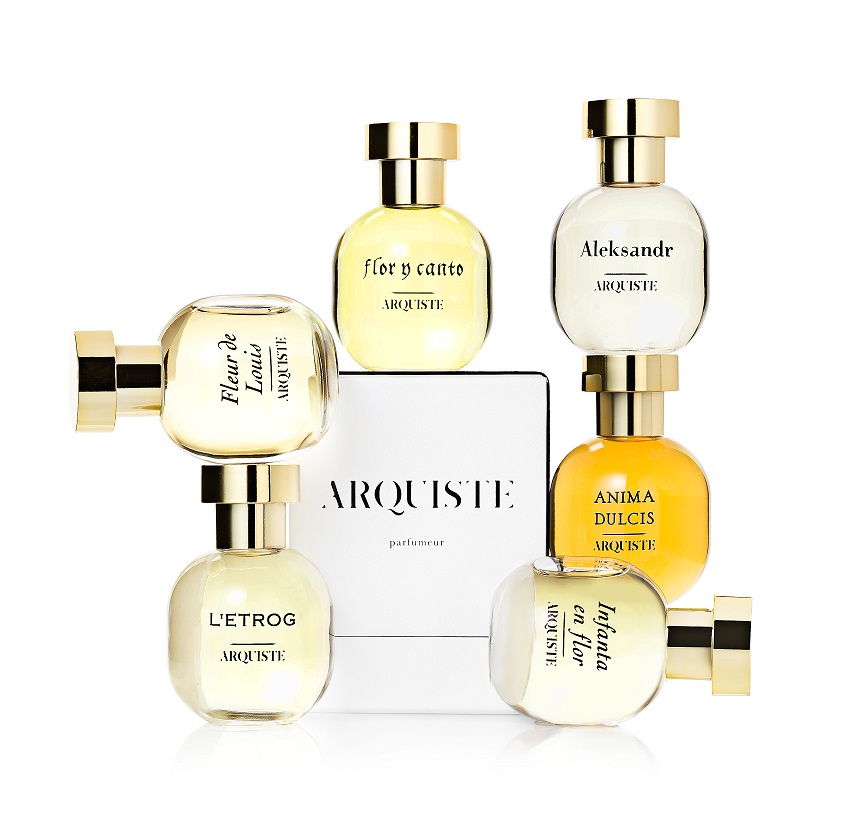
Carlos es  el creador y curador de Arquiste, una línea inspirada por la Historia y que encuentra la mayor parte de sus motivos en el rico pasado de México y EspañaArquiste fue lanzada el año pasado y se convirtió en una de las novedades más celebradas de 2011.

La idea de esta entrevista me alegraba doblemente: en parte por mi afición a los perfumes históricos y en parte porque me interesaba conocer mejor este valioso aporte latinoamericano a la industria de la perfumería.

Siendo arquitecto ¿Cómo fue que decidiste adentrarte en el universo de los perfumes?

Después de tomar cursos con el célebre perfumista mexicano Rodrigo Flores-Roux (el único latinoamericano trabajando actualmente en el mercado internacional de fragancias finas), me di cuenta que para mí, el mundo de los perfumes era algo más que una afición o un  hobby. Vinculaba mucho a los aromas con la memoria y la alusión a lugares y momentos específicos. Quería combinarla con mi estudio y carrera como restaurador para crear una experiencia fuera de lo común; mi idea era que a través de los sentidos se podía interpretar e incluso restaurar una anécdota especifica, aunque fuera lejana…

¿Percibís que tus raíces Hispánicas influyen de alguna manera en tu relación con los aromas?

Desde luego; tengo una afinidad por la tradición española de aguas de colonia a base de flor de azahar, aguas frescas de lavanda y otro tipo de fougéres. Soy gran fan de todos los productos clásicos del grooming masculino. Me gustan esas colonias viejas de barbería clásica, y creo que aprendí a poner atención a los ‘aromas’ gracias a mis abuelos, que siempre iban muy formales, muy tipo “Señor” latino.

Además, México es un país muy rico donde todos los sentidos están siempre entretenidos. Las flores mexicanas son la aportación mas grande de nuestro país al mundo de los olores ¿Qué sería de la perfumería francesa sin el nardo mexicano?

¿Qué perfumes o aromas de tu infancia recordás?

Creo que la memoria es algo muy curioso: puede ser selectiva o para nada. Para mí, la infancia es una mezcla entre el Agua de Colonia Sanborns que mis padres me compraban (una colonia de flor de naranjo muy limpia y ‘normalita’ típica en México), y los olores de la Ciudad de México, que tiene para mí una mezcla de olores muy especiales: el olor de las tortillerías, de los eucaliptos que se encuentran por toda la ciudad, del nardo en las florerías, del pan dulce de panadería, del trompo de tacos al pastor de una taquería, y de las gardenias que se venden en manojitos en las calles. Incluso el olor de los productos de limpieza que se usan en suelos y calles es muy particular.    

 ¿Cuál de las fragancias de Arquiste resultó más complicada de crear y por qué?

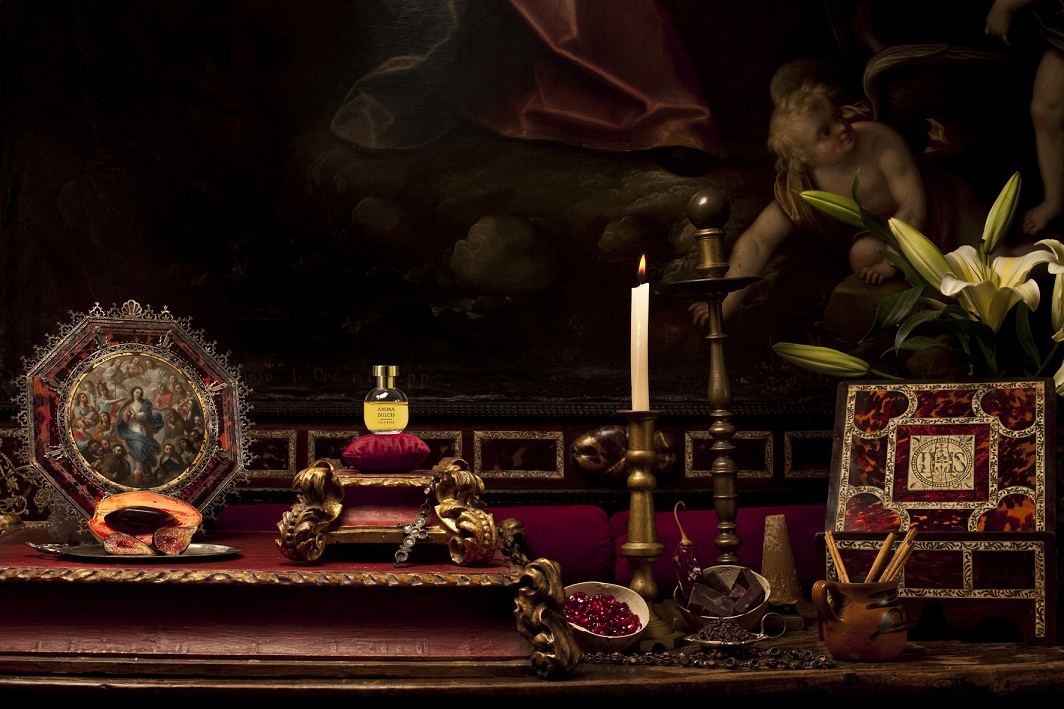
Anima Dulcis está basada en mi tesis de restauración, que es un plan maestro para un convento abandonado del Centro Histórico de la Ciudad de México, el Ex-Convento de Jesús María. En cuanto a información, la investigación nos había dado información muy precisa en cuanto a materias e ingredientes: los materiales de construcción del convento (las vigas de cedro y los muebles de nogal, el yeso de las paredes y los suelos de barro cocido) aromas comunes de cada espacio (el jazmín huele-de-noche en macetas del patio central, el incienso y las azucenas en la iglesia), e incluso especias utilizadas en las recetas de la cocina del convento (cacao, canela, comino, orégano, clavo y vainilla por ejemplo).

La idea era acompañar a las monjas a lo largo del día, desde la interpretación de la cocina con sus especias, pasando por el patio con su huele-de-noche y atravesando pasillos y estancias con ese olor a madera tan típico de los edificios coloniales, hasta llegar a la iglesia, donde el incienso es protagonista. Por eso mismo, fue un perfume que fue muy complicado de hacer, ya que tenía demasiadas cosas muy ‘ricas’ y complejas. No salía, no salía, y de repente, un día…descubrimos la combinación perfecta que era exactamente como si nos hubiéramos introducido en la historia…todo estaba ahí para hacer el recorrido pausado del convento. Por eso es un aroma tan especial, empieza con las especias dulces y barrocas, pero de repente sorprende una nota verde que más adelante nos lleva por maderas y almizcles hacia un incienso regenerador.

 ¿Cuál fragancia de la línea es tu favorita y por qué?

Fleur de Louis. Trabajé mucho en la investigación de este perfume. Quería encontrar el mayor grado de información sobre el encuentro en 1660 de las cortes francesa y española en la Isla de los Faisanes y trabajar con las auténticas formulas francesas del siglo XVII. El resultado es un perfume que mezcla estas formulas originales con la experiencia olfativa de este islote en el País Vasco. Es un perfume de ingredientes naturales que remite a un tiempo donde la naturaleza era la inspiración suprema; es elegante y complejo, pero muy natural y fresco.

¿Usás perfume cotidianamente? ¿Cómo lo elegís?

Todos los días, y lo reaplico siempre en la tarde/noche. Lo elijo depende del clima y la humedad afuera, pero sobre todo, del estado de ánimo o de las actividades del dia. Definitivamente tengo un número reducido de perfumes preferidos, pero varío mucho entre ellos. 

 ¿Qué aroma (lugar, momento histórico, planta, animal, etc) te gustaría reproducir?

La gardenia real, pura y fresca. Casi selvática.

Caro

foto: Gentileza Arquiste           fotógrafo: Ilan Rabchinskey

Arquiste Parfumeur – Deep, deep roots

This week I had the very pleasant chance to exchange a few words with Carlos Huber,  an architect born in Mexico City who specializes in Historic Preservation. 

Carlos is also the creator and curator of Arquiste, a line inspired by History which finds most of its motifs in the rich past of México and Spain. Arquiste was launched last year and became one of the most celebrated fragrance novelties of 2011.

The prospect of this interview seemed doubly tempting, on the one hand because of my enthusiasm for historic perfumes; and on the other, because I was interested in knowing more about a valuable LatinAmerican contribution to the fragrance industry. 

Being an architect, how did you decide to enter the fragrance world?

After studying with the celebrated Mexican nose Rodrigo Flores-Roux (the only LatinAmerican currently working in the fine fragrance market), I realized that to me the world of fragrance was something else than a pastime or a hobby. I linked smells with memory and the allusion to specific places and moments. I wanted to combine it with my studies and career in Restoration in order to create a unique experience; my idea was that, through the senses, it was possible to interpret and  even recreate a specific anecdote, however remote…

Do you perceive your Hispanic roots somehow influence your relationship with scents?

Of course; I have an affinity for the Spanish tradition of orange-blossom based eaux de cologne, fresh lavender waters and other sorts of  fougéres. I am a big fan of all the classical masculine grooming products. I like those old colognes  from classic barbershops and I think I learnt to pay attention to “scents” thanks to my grandfathers, who were always very formal, very much your Latino “Señor” .

Add to that the fact that Mexico is a country rich in entertaining the senses. Mexican flowers are the biggest contribution from our country to the world of fragrances. What would French perfumery be without the Mexican tuberose?

What fragrances or smells from your childhood do you remember the most?

I think memory is something very curious: it can be very selective or not at all. My childhood was to me a mix between the Sanborns eau de cologne that my parents used to buy for me (a very clean and “normal” orange blossom eau de cologne, typical in Mexico), and the smells of Mexico City, which to me  combines all kinds of scents: the smell of the tortillerías, of the eucalyptus you can see all aroundthe city, of the tuberoses in the flower shops, of the sweet breads from the bakers , of the roasting spit for tacos al pastor from the taco bars, and of the gardenias sold in small  bunches on the streets. Even the smell of the cleaning products used on floors and streets is very special. 

Which fragrance from the Arquiste line was the most difficult to create and why?

Anima Dulcis is based on my restoration thesis, which is  a master plan for an abandoned convent in the Historic Centre of Mexico City, the former Convent of Jesus Maria. Our research gave us very precise information on the materials and ingredients : the convent building materials (cedar beams and the walnut furniture, plaster walls and clay soils), the fragrances from each space in the convent (the night blooming jasmine in the flower pots of the central patio, the incense and the lilies in the church), and even spices used in the recipes in the  kitchen of the convent (cacao, cinnamon, cumin, oregano, cloves and vanilla for instance).

The idea was to accompany the nuns throughout a day, from the interpretation of the kitchen with its spices, passing through the patio with its night blooming jasmine  and walking through corridors and rooms with the smell of wood so typical of the colonial buildings, up to the church, where the incense was the protagonist. For this reason, it was a perfume that was hard to design because it was very ‘rich’ and complex. Nothing, nothing, and then suddenly, one day we discovered the perfect combination … it was exactly as if we had  travelled back in History… everything was there to make the slow journey  through the convent. That is why it is such a special scent, it starts with those sweet baroque spices, but suddenly surprises you with a green note that later takes one along the woods and musk to a regenerating incense.

Which fragrance is your favorite from the line and why?

Fleur de Louis. I worked very hard on the research for that fragrance. I wanted to find as much information as possible about the encounter in  1660 between the French and Spanish courts in the Isla de los Faisanes, and I wanted to work with the authentic French formulas of the XVII century. The result is a fragrance that mixes these original formulas with the olfactory experience of this isle in the Basque Country. It is a perfume of natural ingredients that brings one back to a time where nature was the supreme inspiration; it is elegant and complex, yet very natural and fresh.

Do you wear fragrance daily? How do you choose it?

Every day, and I always reapply in the evening/night. I make my choice depending on the weather and humidity, but, above all, based on my mood or activities. I definitely have a reduced number of favorite fragrances but I rotate a lot among them.  

 What smell/aroma (place, historic moment, plant, animal, etc) would you like to recreate?

True gardenia, pure and fresh. Almost jungle-like.

Caro

foto: Gentileza Arquiste

10 Perfumes que evocan -o reemplazan- un paseo al aire libre

foto: Puntoacapo.info

Hay perfumes que definitivamente encuentran su lugar puertas adentro. Otros, en cambio, son aptos y placenteros para disfrutar de un día de campo o -incluso- para sustituírlo.

Ormonde Jayne Ormonde Woman Un paseo por un bosque mágico al caer la noche. Ligeros matices de violeta y jazmín endulzan el verdor.

Chanel Les Exclusifs Bel Respiro Briznas de hierba y flores. Un idílico fin de semana en una casa de campo.

Eau d’Italie Jardin du Poete El olor de un jardín siciliano capturado en una fragancia hiperrealista. La nota de siempreviva suma un toque agreste.

Serge Lutens Fille en Aiguilles Resinosas agujas de pino y humo de incienso evocan una fogata en un bosque de coníferas.

Heeley Menthe Fraiche Simple y fresco, como el olor que queda entre los dedos luego de estrujar hojitas de menta. Su aroma nos alivia también cuando tenemos dolor de cabeza.

Hermes Un Jardin en Mediterranee Madera y hojas de higuera, azahar y oleandro. Un mediodía en el sur de Francia.

Les Parfums de Rosine une Rose au Bord de la Mer Un paseo por una playa desierta en primavera. El aroma de las rosas flota en la brisa salada.

Amouage Memoir Man La travesía de un bosque oscuro. Nuestros pies, calzados con botas de cuero, se hunden en el suelo húmedo y musgoso.

Sisley Eau de Campagne El equivalente a rodar en el pasto recién cortado  (especialmente en su versión gel de ducha). Jean Claude Ellena en su apogeo.

Annick Goutal Ninfeo Mio La fragancia de un parque húmedo y verde, verde; agua de arroyo e higueras. El jardín del Edén.

Virginia y Caro

Chanel Les Exclusifs Coromandel – Nuevo barroco

foto: Chanel-news.chanel.com

Cuando descubrí Les Exclusifs de Chanel encontré toda la colección muy interesante y exquisitamente construida, pero -coup de foudre!- el primer perfume que estuvo a punto de hacerme desmayar de emoción fue Coromandel.

Coromandel toma su nombre de los biombos de Coromandel, tan caros a Mademoiselle,  que formaban parte esencial de la decoración de su departamento de la Rue Cambon. Creado por Jacques Polge -nariz in-house de Chanel–  junto con  Christopher Sheldrake –el afamado colaborador de Serge LutensCoromandel es un voluptuouso oriental ambarado.

Este ultraliviano barroco abre con un acorde especiado. Antes de poder siquiera reaccionar, me encontré rodeada por sus doradas volutas de ámbar. La rosa está definitivamente presente en la mezcla, pero se manifiesta de una manera sutil: es preciso estar atentos para notarla. El patchouli, en cambio, es dominante aunque transparente y muestra su cara más dulce, con suaves toques de polvo de cacao. Bordea lo gourmand pero sin cruzar la línea. El blend, decididamente oriental, está sublimado por el  benjuí  y cubierto por un velo de inciensoCoromandel no se siente opresivo en ningún punto a pesar de la sobredosis de patchouli y ámbar. 

La sensación es que Coromandel se despliega poco a poco, igual que un biombo laqueado, revelando sus distintas facetas. Refinado, y con gran sillage, tiene la mejor longevidad de toda la línea. Aprecio su dorada cualidad otoñal especialmente ahora que el tiempo más frío está entre nosotros.

Los amantes de Chanel Coco probablemente adorarán a Coromandel, que es igualmente sensual pero sin la pesadez característica de los ’80s.

Caro

Origen de la muestra: Botella comprada en la boutique Chanel, Galerías Pacífico, Buenos Aires

foto: Chanel.com

Chanel Les Exclusifs Coromandel – New baroque

When I discovered Les Exclusifs de Chanel I found the whole line interesting and exquisitely crafted but -coup de foudre!- the first fragrance that truly made me swoon was Coromandel.

Coromandel takes its name from the lacquered Coromandel screens, so dear to  Mademoiselle, that were essential part of the decorations of her Rue Cambon apartment. Created by Jacques PolgeChanel  in-house nose- in collaboration with Christopher Sheldrake –of Serge Lutens fame- Coromandel is a voluptuous ambery oriental.

This lightweight baroque opens with a spicy accord and, before I could even react, I found myself surrounded by golden ambery swirls. Rose is definitely present in the blend but manifests itself in a subtle way: one must pay attention to notice it. The patchouli, instead, is dominant but sheer and shows its sweeter face, with hints of cocoa powder. It borders on gourmand but never crosses the line. The decidedly oriental blend is veiled with frankincense and sublimated by benzoin. Coromandel doesn’t feel oppressive despite the patchouli and amber overdose. 

The feel is that Coromandel unfolds, much like a lacquered screen, slowly revealing its different facets. Refined, with great sillage, it has the best lasting power in the whole line. I particularly appreciate its golden autumnal quality now that colder weather is here.

Lovers of Chanel Coco will probably worship Coromandel, which is equally sensual but without the characteristic heft of the ’80s.

Caro

Origin of sample: Bottle bought at the Chanel boutique, Galerías Pacífico, Buenos Aires

Amouage Interlude Woman – Un momento hipnótico

foto: En.wikipedia.org

Esta es mi primera review para Té de Violetas (todas las reviews previas, aunque ahora revisadas y corregidas,  fueron publicadas con anterioridad en  Notas & Acordes).  Estaba preguntándome sobre qué trataría mi primer post cuando el cartero  entregó un paquetito con muestras de Interlude, la creación más reciente de Amouage.

Interlude Woman fue compuesto por la nariz Karine Vinchon Spehner bajo la dirección creativa de Christopher Chong. Sabe Dios por qué, yo no estaba esperando que Interlude me gustara. Imaginé que sería caótico y estridente ¿Quizás me engañaron las coloridas pinceladas que decoran la caja? Interlude es adulto, fuerte y firme, pero está lejos del escándalo.

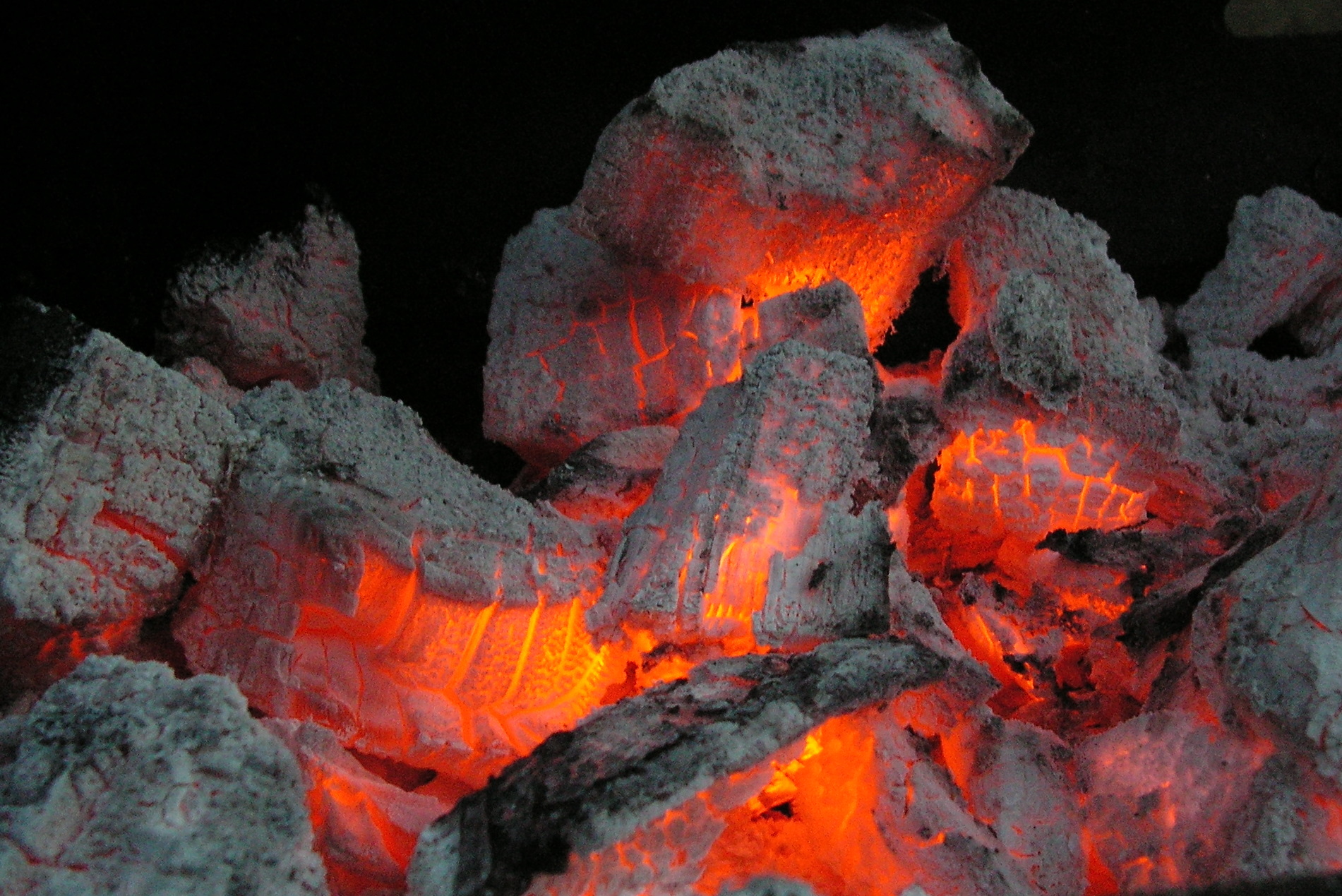
Luego de un enérgico y breve saludo con notas de bergamota pomelo y el atractivo bucólico del tagetes (esto es lo más caótico que llega a ser el perfume) la mezcla se torna más cálida y profunda. Flor de naranjo, absoluto de rosas y jazmín endulzan el líquido que, en este punto, conjura brasas ardientes, su calor y el efecto hipnótico que ejercen. Esta fascinante sensación se ve realzada por el opopanax, una de las notas que encuentro más magnéticas, y la cualidad introspectiva del incienso.  La base es un reconfortante abrazo de  dulce, dulce cuero, atalcada haba tonka,  majestuoso oud y un toque animal de almizcle. Esta equilibrada mélange da a luz una fragancia que se funde con la piel en vez de meramente apoyarse sobre ella.

Interlude no huele realmente como perfume, sino más como un ramillete de items fragantes, ensamblados de manera artística.  Estoy segura de que gustará a los amantes de Memoir Woman;  su estructura es más similar a la de Memoir que a la de los más tradicionales y sinfónicos Gold, Jubilation 25 y Ubar.

El resultado es sereno y sólido; seguro, pero no rígido. Inhalen profundamente y sean bienvenidos al nirvana olfativo.

Caro

Origen de la muestra: muestra cortesía de Amouage

foto: Amouage.com

Amouage Interlude Woman – An hypnotic moment

This is my first review for Té de Violetas (all former reviews, although now revised and corrected,  have previously been published on Notas & Acordes).  I was wondering what my first post would be about, when the postman (no pun intended) delivered a small package with samples of Amouage‘s most recent creation, Interlude.

Interlude Woman was composed by nose Karine Vinchon Spehner under the creative direction of Christopher Chong. God knows why, I was not expecting to like Interlude. I thought it would be chaotic and loud. Maybe I was misguided by the colourful brushstrokes that decorate the box? Interlude is grown up, strong and assertive but far from scandalous.

After a brief salute with bracing notes of bergamot, grapefruit and the  bucolic allure of tagetes (this is as chaotic as the fragrance ever gets) the blend becomes warmer and deeper. Orange blossom, rose absolute and jasmine sweeten the juice which, at this point, conjures glowing embers, their warmth and the entrancing effect they have. The fascinating feeling is enhanced by opopanax, one of the notes I find most hypnotic, and the introspective quality of frankincense.  The base is a comforting embrace of sweet, sweet leather, powdery tonka bean, majestic agarwood and animalic musk. This balanced mélange gives birth to a fragrance that melds into the skin instead of merely sitting on top of it.

Interlude doesn’t really smell like perfume, more like a bunch of  wonderfully fragrant items artfully arranged together. I am sure it will appeal to lovers of Memoir Woman; I find it a lot closer in structure to it than to the more traditional and symphonic Gold, Jubilation 25 and Ubar.

The result is serene and grounding, confident but not rigid. Inhale deeply and be welcome to olfactory nirvana.

Caro

Origin of sample: sample courtesy of Amouage