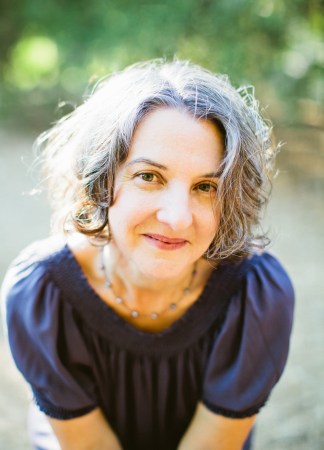
foto: gentileza de Roxana Villa.
En la vastedad del paisaje de la perfumería independiente estadounidense se destaca una gema muy singular. Roxana Villa es -entre otras cosas- artista, perfumista botánica y argentina de nacimiento. Hoy vive en Los Ángeles, California.
En esta sustanciosa entrevista nos cuenta sobre su particularísimo abordaje de la perfumería a través de su marca Roxana Illuminated Perfume, sus memorias y un extraordinario hallazgo reciente sobre sus ancestros porteños.
Naciste en Buenos Aires y pasaste tu primera infancia allí. ¿Hay algún recuerdo (especialmente olfativo) y sensaciones que asocies a esa época?
Tengo muchos recuerdos de mis visitas a Buenos Aires y a la estancia de mi familia en Rauch. Las experiencias olfativas más vívidas están conectadas con mi abuela materna, Ana M. Gardiner De Giusti, probablemente porque pasaba mucho tiempo con ella cada vez que volvía a Buenos Aires. Ésto sucedía dos veces al año, hasta que tuve 17. Aquí hay una lista de notas aromáticas dominantes: Cuero, Madera ahumada; Gourmand: Mate, salsas cocinándose lentamente, platos de carne, pastelería, dulce de leche, Colonia de Bebé.
Como mi padre trabajaba para Aerolíneas Argentinas tuve la oportunidad de viajar seguido a Buenos Aires hasta que cumplí los 17. A veces íbamos 3 veces al año: Navidad, Pascuas y en verano. Me encantaba que las estaciones estén invertidas respecto de EEUU y así pasar Navidad en la playa de Mar del Plata y en vacaciones de verano poder ir a esquiar a Los Andes con mis primos.
Cada vez que llegaba a lo de mi abuela desde EEUU mi prima Gaby exclamaba “¡Tenés olor a Estados Unidos!” Cuando alguien de la familia venía a visitarnos yo notaba un aroma particular como a cuero, al que consideraba el olor de Argentina. A menudo encuentro esa nota en el herbáceo y acuerdo Impromptu, una de mis creaciones.
Tu bisabuelo elaboraba perfumes en Argentina. ¿Pudiste conocer su laboratorio? ¿Qué historias has oído de su casi legendaria “Farmacia de La Estrella”?
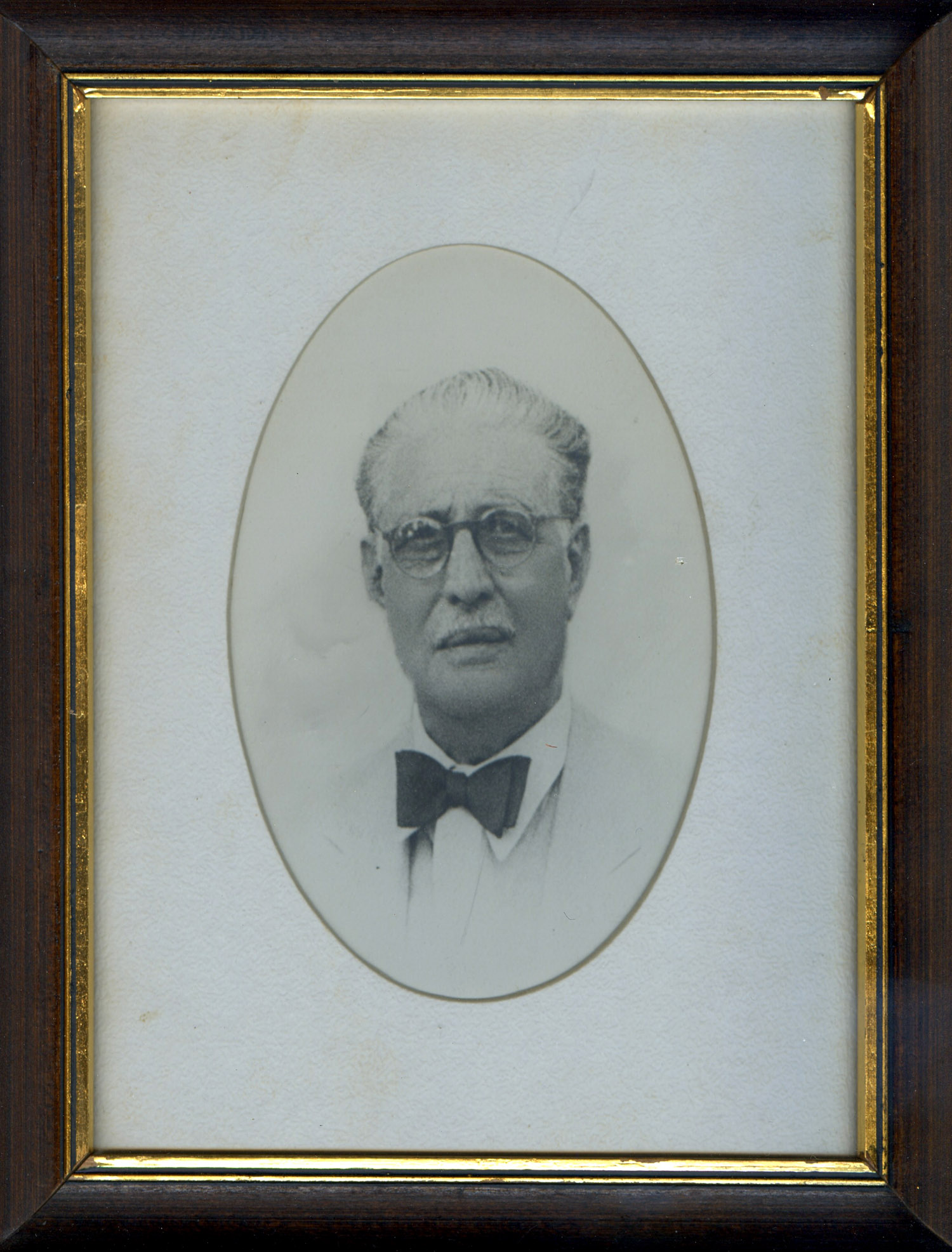
En efecto, mi abuelo Alfredo Giusti, era el administrador, director y presidente de “Farmacia de La Estrella”. Aunque sabía de la existencia de la empresa familiar y la fragancia que elaboraban, llamada Colonia de Bebé, no fue sino hasta hace un año que supe de la farmacia y que ahora es un museo en el centro de Buenos Aires. Mi tío Alfredo, llamado igual que mi abuelo, estuvo aquí en Los Angeles de visita cuando me revelaron la historia. Todavía estoy asombrada y sorprendida de que nadie me lo haya mencionado antes. Está claro que para obtener más detalles de esta auspiciosa historia debo volver a viajar a Buenos Aires. Lamento no tener más para compartir en este momento. Sé que la tumba de mi abuelo está en el Cementerio de la Recoleta.
Desde tu punto de vista de experta en Bellas Artes ¿qué es lo que convierte a la perfumería en arte?
Mi musa y esposo, el visionario artista Greg Spalenka, menciona tres grandes componentes del gran arte. Esta trinidad aplica a todas las artes dentro del reino de los sentidos, desde el espectro de las orquestaciones visuales, auditivas, culinarias y olfativas. La trinidad: La mente; la idea y/o concepto. Cuerpo; representando los materiales. Espíritu; el amor, pasión, integridad y/o naturaleza del alma. Todos estos componentes, trabajando juntos en un alto nivel de sofisticación y conciencia, generan una sinergía, creando arte que se vuelve más que la suma de sus partes. En perfumería, el aspecto de la mente es el concepto sobre el que se construye la fragancia, abarcando mucho más que un perfume basado en una familia de fragancias. El aspecto del cuerpo está hecho de las materias primas contenidas en el perfume, la paleta del artista. El espíritu es el alma de tu creación, es aquí donde el verdadero artista entreteje su propia autenticidad en una pieza de arte compleja. Cada una es importante y necesaria para que el arte terminado trascienda lo ordinario y alcance las alturas de lo sublime.
¿Cómo se manifiesta en tus creaciones la fusión de alquimia y sabiduría artística moderna?
La alquimia está asociada a menudo con el arte de la perfumería botánica debido a la transformación de la materia física a través del proceso de destilación. Esta idea de moverse desde una materia base hacia arriba, hacia una forma de conciencia elevada es lo que veo como crucial en el proceso de crear gran arte pero también para que los humanos continúen existiendo en este planeta. Hemos alcanzado un punto crítico ahora donde si las masas no despiertan al desastre que hemos hecho de la tierra probablemente tengamos que vivir bajo condiciones muy distintas dentro de pocos años.
El camino del artista visionario es la tribu con la que más me identifico. La fusión de alquimia y sabiduría artística moderna se hace visible por el artista, definido en el género fantástico y el realismo mágico. Lucho para evocar mundos y recuerdos que trasciendan el plano físico, en definitiva iluminando nuestra conexión con lo divino.
A menudo hay confusión con respecto a los distintos tipos de perfumería natural ¿Cuáles son los matices y diferencias entre ellos? ¿Dónde ubicarías a Roxana Illuminated Perfume?
La palabra “natural” ha evolucionado hasta significar prácticamente todo por estos días. En perfumería, el término empezó a usarse para referirse a fragancias creadas a partir de esencias botánicas y animales. La gente de marketing pronto empezó a usar el término para referirse a todo tipo de perfumes, dándole un matiz “verde” (“greenwashing”) incluso a fragancias hechas con componentes sintéticos. Uno de los mayores desafíos radica en las palabras que usamos para los materiales, por ejemplo una casa grande de perfumería dice que cultiva jazmín en Francia e indica que ese jazmín es utilizado en sus perfumes, sin embargo lo que realmente contienen las fragancias son aromas químicos sintéticos que expresan el aroma del jazmín. Yo elijo el término “botánico” para describir el tipo de perfumería que practico porque la paleta de esencias con las que trabajo deriva de ingredientes completos de plantas. He tomado una decisión muy consciente de abrazar la naturaleza y ser auténtica al comunicar lo que contienen mis fragancias. No uso ni he usado jamás ingredientes sintéticos, animales o isolatos. Mis fragancias están alineadas con la tríada de prácticas espirituales, éticas y ecológicas.
Definís tu trabajo como una “progresión natural de lo visual a lo aromático” ¿Cuál es el hilo conductor y cómo describirías ese proceso?
Como ilustradora freelance en NYC en los 80’s trabajé para una variedad de publicaciones haciendo un poco de comentario político-social. La mayoría de las imágenes que creé, ya fuera ilustrando un artículo para Money Magazine sobre fondos comunes o para un reporte anual, mostraba humanos interactuando con la naturaleza. Eventualmente descubrí mi nicho creando imaginería en las categorías de salud y bienestar, que me llevaron a crear 85 pinturas para un deck de meditación, diarios del sol y la luna para Barnes and Noble e ilustraciones para el Hospital de Niños. Así, cuando descubrí los aceites esenciales en un sauna (sweat lodge) y luego vi la conexión entre arte, alquimia y perfume en un taller de Maestros Visionarios en Austria la progresión hacia los perfumes fue muy natural y holística.
Sos perfumista y, además, aromaterapeuta ¿Todas tus creaciones están trabajadas desde ambos puntos de vista?
Mi background como aromaterapeuta está alineado con un estilo de vida holístico pero no juega un rol significativo cuando compongo una fragancia. La influencia es más obvia cuando rastreo materiales vitales, preparo materiales (tales como tinturas, infusiones, etc.) y hago productos que nacen de aquellos que elaboraba como aromaterapeuta, tales como sales de baño, ungüentos y aceites corporales. Por ejemplo, la creación de perfumes sólidos está relacionada directamente con los ungüentos herbales curativos que solía hacer e incluían infusiones de plantas.
¿Qué tan involucrada estás en el procesamiento de los ingredientes?
Pasé bastante tiempo cultivando, cosechando y procesando materiales de mi jardín, que incluyen cera de abejas -abejas melíferas silvestres- que viven cerca de nuestra casa. En este momento estuve cosechando flores de jazmín sambac diariamente desde mayo. Las florcitas blancas y cerosas van a parar a alcohol de 190º (tintura), a aceite de jojoba (infusión) y a un lecho de cera y aceite (enfleurage). Esas tres preparaciones luego serán agregadas a algunas de mis fragancias de jazmín, incluyendo Blossom, que está inspirada en la Colonia de Bebé de mi bisabuelo.
Recientemente participaste de la conferencia Beyond Aromatics (Más allá de los aromáticos) en la Bastyr University (Seattle, WA) ¿Podrías contarnos un poco sobre tu disertación?
La charla que presenté en Bastyr University en septiembre se sintió como una confluencia de mi vida artística hasta ese momento. Como había asistido a muchas de estas conferencias en el pasado, desde la primera, en San Francisco en 1996, sabía que la mayoría de las otras presentaciones sería de naturaleza clínica con respecto a los aceites esenciales. Por ende, quería crear una experiencia más sensorial, alineada con mi background de arte. La presentación se llamó: El Árbol de la Vida: Una aproximación mística al arte del perfume botánico, seguido por un discurso sobre cómo uso esos principios a la hora de crear fragancias, especialmente el chipre GreenWitch. Mi marido ensambló un video en Youtube con mi narración de la charla.
¿Habrá próximos lanzamientos en tu línea? ¿Qué podés adelantarnos?
Hay una multitud de proyectos en los que estoy trabajando y que tengo preparados. El primero en aparecer consistió en una serie de exquisiteces, disponibles vía donación como parte de un evento de financiamiento que publiqué en mi blog (Roxana Illuminated Perfume Journal). La suma donada se utilizará para terminar mi nuevo espacio de trabajo, ubicado en Agoura Hills, CA. Uno de los ítems que se ofreció es un nuevo perfume llamado Mellifera, que se presentó por primera vez como boceto en Agosto de 2013 para una charla titulada El Perfume y la Abeja Melífera. Otro perfume en el que he estado colaborando con la intención de lanzarlo pronto está inspirado por la serie de libros Outlander, de Diana Gabaldon.
Virginia
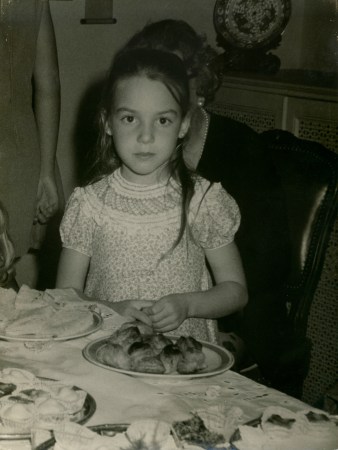
Roxana junto a su abuela (Buenos Aires, 1968)
Roxana Villa – Californian nose, Argentinian roots
In the vast landscape of American independent perfumery a unique gem stands out. Roxana Villa is -among other things- an artist, a botanical perfumer and an Argentinian by birth. Today she lives in Los Angeles, California.
In this rich interview she tells us about her very particular approach to perfumery through her brand Roxana Illuminated Perfume, her memories and a superb recent finding about her porteño ancestors.
You were born in Buenos Aires and spent your early childhood there. Are there any (especially olfactive) memories and feelings you relate to those times?
I have quite a lot of scent memories from all my visits to Buenos Aires and my families ranch in Rauch. The most vivid olfactive experiences are connected to my maternal grandmother Ana M. Gardiner De Giusti, probably because I spent so much time with her when I journeyed back to Buenos Aires which was as often as twice a year up until the age of 17. Here is a list of the dominant scent notes: Leather, Wood smoke; Gourmand: Mate, simmering sauces, meat dishes, pastries, dulce de leche, Colonia de Bebe.
Since my father worked for Aerolineas Argentinas I had the opportunity to travel back to Buenos Aires quite a bit up until the age of 17. Sometimes we would go as often as three times a year, during Christmas, Easter and during the summer. I loved how the seasons would be reversed thus Christmas would be spent in Mar del Plata on the beach while during summer holidays from school I would be skiing in the Andes with my entourage of cousins.
Every time I arrived at my grandmothers house from the US my cousin Gaby would exclaim “You smell like America!” When one of our family members would come stay with us I would notice a particular leathery scent that I deemed the smell of Argentina. I often will catch the note in the herbaceous leather perfume I created titled Impromptu.
Your great grandfather used to make perfumes in Argentina: did you get to know his lab? What stories have you heard about his almost legendary “Farmacia de La Estrella”?
Indeed my great grandfather, Alfredo Giusti, was the trustee, director and president of “Farmacia de La Estrella”. Although I had known of the family business and the fragrance they produced titled Colonia de Bebe it wasn’t until a year ago that I learned of the pharmacy and how it is now a Museum in downtown Buenos Aires. My uncle Alfredo, named after my great grandfather, was here in Los Angeles visiting when the story was revealed to me. I am still stunned and surprised that no one had mentioned it to me before. It’s become clear that in order to get more details on this rather auspicious history I must journey back to Buenos Aires. I’m so sorry I do not have more to share at this moment in time. Here’s a link to my great grandfathers tomb in the Recoleta Cemetery.
From your point of view as a Fine Arts expert, what is it that turns perfumery into an art?
My muse and husband, visionary artist Greg Spalenka, speaks of three main components of great art. This trinity applies to all the arts within the sensory realm, from the spectrum of the visual, auditory, culinary and olfactory orchestrations. The trinity: Mind; the idea and/or concept. Body; representing the materials. Spirit; the love, passion, integrity and/or soul nature. All these components working together at a high level of sophistication and awareness create a synergy, creating art that becomes more than the sum of its parts. In perfume the mind aspect is the concept that the fragrance is built on, encompassing much more than a scent based on a fragrance family. The body aspect is made of the materials contained within the perfume, the artists palette. Spirit, is the soul of your creation, this is where the true artist weaves their own authenticity into a complex constructed artwork. Each is important, and is required for the finished art to transcend the ordinary, to reach the heights of the sublime.
How is the fusion of alchemy with modern artistic wisdom manifested in your creations?
Alchemy is often associated with the art of botanical perfume due the transformation of physical matter through the process of distillation. This idea of moving from base matter upward towards an elevated form of consciousness is what I see as being crucial in the process of creating great art but also for humans to continue to exist on this planet. We have reached a critical point now where if the masses do not waken to the mess we’ve made of the earth we will likely be living under very different conditions in as little as a few years.
The path of the visionary artist is the tribe I relate to the most. The fusion of alchemy and modern artistic wisdom is made visible by artist defined in the genre of fantastic and magical realism. I strive to evoke worlds and memories that transcend the physical plane, ultimately illuminating our connection to the divine.
There is often a confusion regarding the different types of natural perfumery. What are the nuances and differences between them? Where would you place Roxana Illuminated Perfume?
The word natural has evolved to mean just about everything these days. In perfumery the term started out referring to fragrances created from botanical and animal essences. Marketing people quickly began using the term for all types of perfumes, thus greenwashing fragrances made with synthetic components. One of the biggest challenges lies in the verbiage we use for materials, for example a large perfume house says that they grow jasmine in France and indicates that jasmine is used in their fragrances, yet what is actually contained within the fragrances are synthetic aroma chemicals that convey the aroma of jasmine. I choose the term botanical to describe the type of perfumery I practice because of the palette of essences I work with is derived from whole, plant ingredients. I have made a very conscious decision to embrace nature and be authentic with communicating what is in my fragrances. I do not use or have ever used synthetics, animal ingredients or any isolates. My fragrances are aligned with the triad of spiritual, ethical and ecological practices.
You define your work as a “natural progression of the visual to the aromatic”. What is the common thread and how would you describe that process?
As a freelance illustrator in NYC the 80’s I worked for a variety of publications doing quite a bit of social political commentary. Most of the images I created, whether it was illustrating an article for Money Magazine about mutual funds or for an annual report I would show humans interacting with nature. Eventually I discovered my niche creating imagery in the health and wellness categories which led me to create 85 paintings for a meditation deck, sun and moon journals for Barnes and Noble and illustrations for Childrens Hospital. Thus, when I discovered essential oils at a sweat lodge and later saw the connection between art, alchemy and perfume at a Visionary Masters workshop in Austria the progression into fragrance was very natural and holistic.
You are a perfumer as well as an aromatherapist. Are all of your creations are worked from both points of view?
My background as an aromatherapist is aligned with a holistic lifestyle but does not play a significant role when I orchestrate a fragrance. The influence is most obvious when sourcing vital materials, preparing materials (such as tinctures, infusions, etc.) and making products that stem from those I made as an aromatherapist such as bath salts, salves and body oils. For example the creation of solid perfumes is directly related to the healing herbal salves I made regularly which included infused plant materials.
How involved are you in the processing of ingredients?
I spend quite a bit of time growing, harvesting and processing materials from my garden which includes beeswax from the feral honey bees which live next to our home. At the moment I have been harvesting jasmine sambac flowers daily since May. The little white waxy blooms go into 190 proof alcohol (tincture), in jojoba oil (infusion) and on a bed of wax and oil (enfleurage). Those three preparations will then be added to a few of my jasmine fragrances including Blossom which was inspired by my great grandfathers Colonia de Bebe.
You have recently participated in the Beyond Aromatics conference, held at Bastyr University (Seattle, WA). Could you tell us a bit about your dissertation?
The talk presented at Bastyr University in September felt very much like a coalescence of my artistic life up until that moment. Since I had attended many of these conferences in the past, all the way to the first on in San Francisco back in 1996, I was aware that most of the other presentations would be of a clinical nature with respect to essential oils. Thus, I wanted to create more of a sensorial experience aligned with my background in the arts. The presentation was titled: The Tree of Life: A Mystical Approach to the Art of Botanical Perfume followed by a discourse on how I use those principles in creating fragrances, specifically the sea chypre GreenWitch. My husband put together a YouTube video with my narration of the talk.
Are there any upcoming releases in your line? What can you tell us in advance?
I have quite a myriad of projects being worked on and quietly lined up on the tarmac. The first to make an appearance was a series of delicacies available via donation as part of a fan funding event appeared at the Journal. The monies donated will be used to finish up my new workspace located in Agoura Hills, CA. One of the items that was offered was a new perfume titled Mellifera, which was first presented as a sketch in August 2013 for a talk titled Scent and the Honey Bee. Another fragrance I have been collaborating on with the intention to release quite soon is a perfume inspired by the book series Outlander by Diana Gabaldon.
Virginia

Don Alfredo Giusti, bisabuelo de Roxana y presidente de la “Farmacia de la Estrella”






 Té de Violetas