Arquiste Fleur de Louis – Un refinado caballero

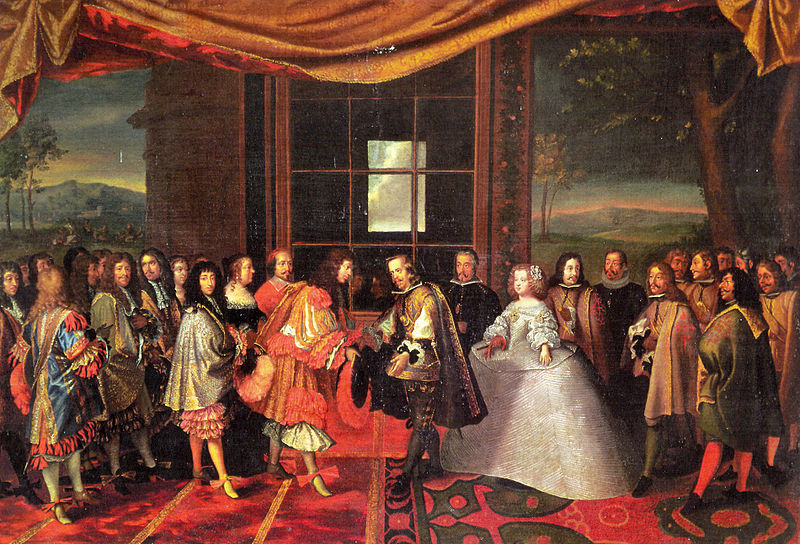
imagen: Commons.wikimedia.org  artista: Laumosnier Entrevista de Luis XIV de Francia y Felipe IV de España en la Isla de los Faisanes en 1659

imagen: Commons.wikimedia.org     artista: Laumosnier       Entrevista de Luis XIV de Francia y Felipe IV de España en la Isla de los Faisanes en 1659

Fleur de Louis es la contraparte masculina del encantador Infanta en Flor. Ambas fragancias brotan de la misma historia: el casamiento por poder de la Infanta María Teresa de España con Luis XIV en 1660. El primer encuentro entre los prometidos tuvo lugar en la Isla de los Faisanes, en la frontera entre Francia y España.

El nariz Rodrigo Flores-Roux,de Givaudan,colaboró con Carlos Huber– fundador de Arquiste en la creación de Fleur de Louis. Sería difícil imaginar un perfume más gentil, delicado y refinado que este; sin embargo resulta perfectamente apto para hombres o, mejor dicho, caballeros.

Fleur de Louis está inspirado en fórmulas de perfume del siglo XVII (aunque reconstruido, desde luego, con materias primas modernas) y compuesto alrededor de las notas favoritas de Luis XIV. En Versailles el perfume formaba parte importante de la vida cotidiana: guantes, pañuelos, abanicos, pelucas e incluso el tabaco eran perfumados con los aromas que estaban de moda en ese entonces (flor  de naranjo, jazmín, rosaalmizcle, ámbar y civet). Tan grande era la afición de Luis por el perfume que su exceso le provocó alergia hasta tal punto que sólo el olor del azahar le resultaba tolerable.

Este luminoso floral amaderado  chispea en la salida con neroli y bergamota, pero revela, casi en seguida, un corazón de flor de naranjo y jazmín. Los matices de violeta del orris están resaltados y la raíz no transmite su polvorosidad característica. Es más complejo que Infanta en Flor, con el cual comparte una base almizclada similar (aunque ligeramente amaderada). Fleur de Louis emana una elegancia discreta y aplomada que los plebeyos también podemos disfrutar.

Caro

Origen de la muestra: Muestra gentileza de Arquiste
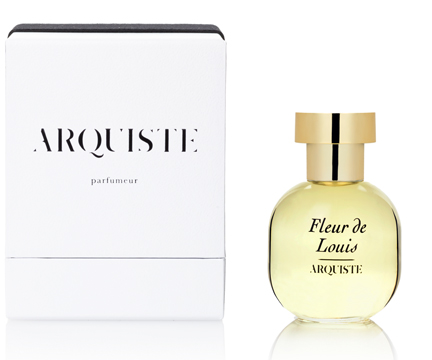
foto: Arquiste.com

foto: Arquiste.com

Arquiste Fleur de Louis – A refined gentleman

Fleur de Louis is the masculine counterpart to  the lovely Infanta en Flor. Both fragrances stem from the same story: the marriage by proxy of the Infanta María Teresa of Spain with Louis XIV in 1660.The meeting between bride and groom took place at the Isle of Pheasants on the French-Spanish border.

Givaudan nose Rodrigo Flores-Roux collaborated with Carlos Huber -founder of Arquiste in the creation of Fleur de Louis. It would be difficult to imagine a gentler, more delicate and refined fragrance than this one, yet it is perfectly fitting for a man or, better put, a gentleman.

Fleur de Louis is inspired on perfume formulas from the XVIIth century (reconstructed, of course, with modern raw materials) and composed around Louis XIV‘s favorite notes. At Versailles perfume was an important part of everyday life: gloves, handkerchiefs, fans, wigs and even tobacco were perfumed with the fashionable aromas of orange blossom, jasmine, rosemusk, amber and civet. So great was Louis‘ love for perfume that the excess of it made him allergic to the extent that he could only tolerate the scent of orange blossom.

This luminous woody floral sparkles at the opening with bergamot and neroli but almost immediately reveals a heart of orange blossom and jasmine. The violet hues of orris are highlighted and the root doesn’t convey its characteristic powderiness. It is more complex than Infanta en Flor, with which it shares a similar musky (although woodier) base. Fleur de Louis exudes a discreet and poised elegance that we commoners can enjoy too.

Caro

Origin of sample: Sample courtesy of Arquiste


Eau d’Italie Graine de Joie – Primer amor

foto: Underthepomegranatetree.com

foto: Underthepomegranatetree.com

De cuando en cuando algo que llega desde fuera de nuestra zona de confort resulta ser una agradable sorpresa. “Amoroso” y “lindo” no son palabras que usualmente asocie a mis perfumes preferidos, pero en la práctica me encuentro usando Graine de Joie día tras día. Siempre consideré a los florales frutados y a los gourmands como familias menores y un tanto indignas, pero mejorarle el ánimo a una es tarea que no debe ser subestimada y, al fin del día ¿no queremos sentirnos contentos y oler bien?

Creada como tributo a Italia y al amor, Graine de Joie oscila entre gourmand y floral frutado y apunta a conjurar “el mareo que se siente al enamorarse”.  Compuesta por Daphne Bugey (Firmenich) es -a la manera de Acqua Decima– una vuelta inteligente en un género que suele pecar de trillado. A pesar de las diferencias de notas y carácter, percibo un fuerte air de famille entre estas dos.  Alejadas del intelectual Sienne l’Hiver y el magnífico pero caprichoso Bois d’Ombrie, las propuestas recientes de Eau d’Italie parecen transmitir alegría y despreocupación. Carecen también de la nota avinagrada que era el sello de las primeras creaciones de la Casa.

Graine de Joie es el resumen olfativo perfecto de una primera cita: postre, ramo de flores, caja de bombones y, si somos afortunados, un beso. La unión de manzanafrutos rojos torna la salida dulce y acidulada a la vez. Una nítida  granada suma equilibrio (y -¿por qué no?- diversión) a la mezcla prestando la astringencia característica de sus suculentas semillas. Quizás no sea fortuito que en muchas culturas esta apetitosa fruta se considere símbolo de fertilidad, abundancia y matrimonio. Matices azucarados de praliné (¿etil maltol?) dan una arista acaramelada a la mezcla, pero la presencia discreta de la fresia mantiene este perfume aireado y ligeramente verde. Graine de Joie resulta coquetón, pero no pueril o remilgado, probando que no hay edad para lo bonito y el amor.

Caro

Origen de la muestra: muestra gentileza de Eau d’Italie

foto: Eauditalie.com

foto: Eauditalie.com

Eau d’Italie Graine de Joie – First love

Once in a while something that comes from outside one’s confort zone might prove a pleasant surprise. “Lovely” and “pretty” are not words usually associated with my favorite fragrances but I find myself wearing Graine de Joie day after day. I have always regarded fruity florals and gourmands as minor and somewhat undignified families but improving one’s mood is no small feat and, in the end of the day, don’t we just want to feel happy and smell good?

Created as an tribute to Italy and love, Graine de Joie oscillates between gourmand and fruity floral and aims to conjure “the lightheadedness of when you fall in love”. Composed by Daphne Bugey (Firmenich) it is -much like Acqua Decima– a clever twist on an usually unoriginal genre. Despite the differences in notes and character, I sense a strong air de famille between  these two. Far from the  intellectual  Sienne l’Hiver and the magnificent but moody Bois d’Ombrie, the recent offerings from Eau d’Italie seem to convey joy and nonchalance. They also lack the sour picklish note that was a trademark on the house’s first creations.

Graine de Joie is the perfect olfactory summary of a first date: dessert, a bunch of flowers, a box of bonbons and, if we are lucky, a kiss. The union of apple and berries renders the opening sweet and tart at a time. A bright pomegranate adds balance (and -why not?- fun) to the blend lending the characteristic  astringency of its succulent seeds. Perhaps the fact that this mouthwatering fruit symbolizes fertility, abundance and marriage in many cultures is not fortuitous. Sugary nuances of praliné (ethyl maltol?) give a candied edge to the mix, but the discreet presence of freesia keeps this perfume airy and slightly green. Graine de Joie feels flirty but not prim or puerile proving there’s no age for prettiness and love.

Caro

Origin of sample: sample courtesy of Eau d’Italie

imagen: Commons.wikimedia.org artista: Pierre Mignard, "El Tiempo recortando las alas de Cupido", 1694

imagen: Commons.wikimedia.org    artista: Pierre Mignard,    “El Tiempo recortando las alas de Cupido”, 1694

Mikmoi Element Of Escape – Naturaleza en estado sólido

5elements

En el último SF Artisan Fragrance Salon, advertí un marcado retorno de los perfumes sólidos. El reverdecer de este formato puede verse en muchas marcas, especialmente en las artesanales (aquellas “hechas a mano”, que se ocupan de todo el proceso de producción) e indies (quienes tercerizan la producción en laboratorios, pero no pertenecen a grandes firmas).

En el nicho de lo artesanal se encuentra la marca Mikmoi, con una perspectiva multicultural pero radicada en San Francisco. Michael Coyle –su creador y perfumista- celebró el primer aniversario de la casa con una línea compuesta por 5 cologne sticks que recrean olfativamente a los elementos y es “inspirada por artistas del graffiti, temerarios y ninjas.”

Metal -金 (KIN): inicia con una dulzura casi frutal pero poco a poco se hace menos jugoso, hasta convertirse en una textura seca y fría. Sus notas son petitgrain, ron, azafrán y almizcle mineral.

Wood – 木 (KI): se abre con la imagen de un frondoso bosque ante nuestras narices. Una sensación alcanforada, verde y profunda es seguida por el picor casi pelusiento del aroma de la madera recién salida de un aserradero. Tiene palo rosa, álamo, pino y un refuerzo de acorde de madera.

Water – 水 (SUI): este perfume rebate la definición del agua como inodora. el agua sí tiene un olor y ese dependerá de muchos factores ambientales. El Agua de Mikmoi es transparente, veraniega y casi tropical. Nos sumerge en una límpida piscina con la combinación de yuzu, iris, vapor y ámbargris.

Fire – 火 (KA): con una intensidad ahumada pocas veces desplegada en la perfumería, el calor y la energía del fuego toman formas diversas: leña crepitando en la chimenea, un fósforo recién encendido o brasas ardientes. Esta fogosidad se debe al té Lapsang Souchong, pimienta rosa, sequoia y fósforo.

Earth – 土 (DO): es un suelo fértil y húmedo; huele a verduras, a frutas y a materia orgánica. Es como estar recostado sobre un césped salpicado de rocío y sentir que la tierra blanda nos toca la piel, nos embarra. Esta fría oscuridad está moldeada con damasco, ciruela, opoponax, heno y cúrcuma.

Una curiosidad: Como una de las inspiraciones para esta línea fueron los ninjas, hice la prueba de ver un clásico del género – 5 Element Ninja (1982) de Cheh Chang– y en cada batalla contra los elementos, oler el perfume correspondiente. El resultado fue una experiencia en 4D maravillosa.

Virginia

Origen de las muestras: Gentileza de la marca.

foto: http://codexapocrypha.blogspot.com Escena de la batalla contra el agua de "5 Element Ninja" (1982)

foto: http://codexapocrypha.blogspot.com Escena de la batalla contra el agua de “5 Element Ninja” (1982)

Mikmoi Element Of Escape – Nature in solid state

In the latest SF Artisan Fragrance Salon, I noticed a marked return toward solid perfumes. The blooming of this format can be appreciated in many brands, especially artisanal ones (those “handmade”, which are involved throughout the whole process of production) and indies (which might outsource production in labs, but do not belong to large firms) .

Mikmoi is an artisan niche brand, based in San Francisco but with a multicultural perspective. Michael Coyle –its creator and perfumer- celebrated the first anniversary of the house with a collection which consists of 5 cologne sticks that recreate the scent of the elements and is “inspired by Graffiti Artists, Daredevils & Ninjas.”

Metal -金 (KIN): it begins with a fruity sweetness but gradually becomes less juicy and acquire a dry, cool texture. Its notes are petitgrain, rhum, saffron and mineral musk.

Wood – 木 (KI): it opens with the landscape of a lush forest under our noses. A camphoraceus, green and deep feel is followed by the itchy almost fuzzy aroma of fresh sawmill dust. It has notes of bois de rose (rosewood), poplar, pine and a timber accord that acts as a reinforcement.

Water – 水 (SUI): this perfume disputes the definition of water as odorless. Water actually does have a smell and that will depend on many environmental factors. This Mikmoi Water is transparent, summery and almost tropical. It submerges us into a limpid pool with a combination of yuzu, iris, vapor and ambergris notes.

Fire – 火 (KA): with a smoky intensity rarely displayed in perfumery, the heat and energy of fire take many forms: wood sizzling in the fireplace, a freshly lit match or burning embers. This is due to the impetuosity of Lapsang Souchong tea, pink pepper, redwood and phosphorus.

Earth – 土 (DO): it is a fertile, moist soil that smells like vegetables, fruits and organic matter. It’s like lying down on a dew sprinkled lawn and feeling the soft ground touching our skin; making us muddy. This cold darkness is molded with peach, plum, opoponax, hay and turmeric.

A curiosity: As ninjas were one of the inspirations for this collection, I experimented a bit by watching a classic of the genre – 5 Element Ninja (1982) by Cheh Chang and smelling the corresponding cologne during each battle against a natural element. The result was a wonderful 4D experience.

Virginia

Origin of samples: Courtesy of Mikmoi.

foto: Mikmoi.com

foto: Mikmoi.com

Letras Perfumadas – “Ramo de violetas” de Pablo Neruda

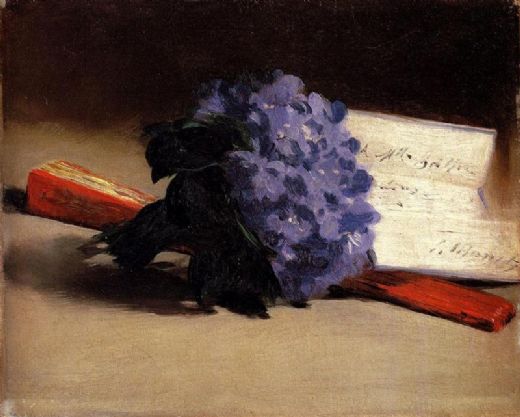
imagen: Oilpaintings-sales.com "Bouquet Of Violets"  artista: Edouard Manet  (1872)

imagen: Oilpaintings-sales.com “Bouquet de violetas” artista: Edouard Manet (1872)

Crespo ramo en la sombra sumergido:
gotas de agua violeta
y luz salvaje
subieron con tu aroma:
una fresca hermosura
subterránea*
trepó con tus capullos
y estremeció mis ojos y mi vida.

Una por una, flores
que alargaron
metálicos pedúnculos,
acercando en la sombra
rayo tras rayo de una luz oscura
hasta que coronaron
el misterio
con su masa profunda de perfume,
y unidas
fueron una sola estrella
de olor remoto y corazón morado.

Ramo profundo,
íntimo
olor
de la naturaleza,
pareces
la onda, la cabellera,
la mirada
de una náyade rota
y submarina,
pero de cerca,
en plena
temeridad azul de tu fragancia,
tierra, flor de la tierra,
olor terrestre
desprendes, y tu rayo
ultravioleta
es combustión lejana de volcanes.

Sumerjo en tu hermosura
mi viejo rostro tantas
veces hostilizado por el polvo
y algo desde la tierra
me transmites,
y no es sólo un perfume,
no es sólo el grito puro
de tu color total, es más bien
una palabra con rocío,
una humedad florida con raíces.

Frágil haz de violetas
estrelladas,
pequeño, misterioso
planetario
de fósforo marino,
nocturno ramo entre las hojas verdes,
la verdad es
que no hay palabra azul para expresarte:

más que toda palabra
te describe un latido de tu aroma.

Pablo Neruda (1956)

“Tercer libro de las odas“ Buenos Aires, Losada, 1957.

Desde siempre, las violetas han sido mis flores favoritas. En mi primera infancia viví en una casa sin jardín, en el centro de la ciudad. Sin embargo, teníamos un patio trasero con un cantero mullido de violetas (Viola odorata). Durante el invierno me gustaba buscar las flores, olerlas y cortarlas para hacer ramitos y adornar la mesa.

Unos años después nos mudamos a las afueras. Si bien la nueva casa contaba con un gran jardín, nunca plantamos violetas. Pero no tardé en descubrir que a unas cuadras de distancia había un extenso terreno baldío tapizado de violetas silvestres, bordeado por frondosos árboles y un estrecho arroyito. Las caminatas de fin de semana por allí, al resplandor del sol invernal, eran casi de ensueño.

Hace muchos años que no huelo una violeta. Ya no se ven en los jardines, ni siquiera vendedores ofreciendo ramitos por la calle como cuando yo era niña. Aquellos recuerdos sólo pueden cobrar vida mediante los perfumes que evocan su fragancia. Y también mediante las figuras retóricas empleadas en un poema como el de Neruda: las violetas son una “humedad florida con raíces”.

Virginia

(*)Nota bene: en la primera estrofa el autor estaría aludiendo al mito de Perséfone o Proserpina, quien fue raptada y llevada al Inframundo por Hades o Dis, mientras recogía flores (entre ellas, violetas).

foto: Riochico.wordpress.com "El Rapto de Perséfone" artista: Gian Lorenzo Bernini (1622)

foto: Riochico.wordpress.com “El Rapto de Perséfone” artista: Gian Lorenzo Bernini (1622)

Scented Letters – “Ode to a Cluster of Violets” by Pablo Neruda

Crisp cluster
plunged in shadow.
Drops of violet water
and raw sunlight
floated up with your scent.
A fresh
subterranean beauty*
climbed up from your buds
thrilling my eyes and my life.

One at a time, flowers
that stretched forward
silvery stalks,
creeping closer to an obscure light
shoot by shoot in the shadows,
till they crowned
the mysterious mass
with an intense weight of perfume
and together
formed a single star
with a far-off scent and a purple center.

Poignant cluster
intimate
scent
of nature,
you resemble
a wave, or a head of hair,
or the gaze
of a ruined water nymph
sunk in the depths.
But up close,
in your fragrance’s
blue brazenness,
you exhale the earth,
an earthly flower, an earthen
smell and your ultraviolet
gleam
in volcanoes’ faraway fires.

Into your loveliness I sink
a weathered face,
a face that dust has often abused.
You deliver
something out of the soil.
It isn’t simply perfume,
nor simply the perfect cry
of your entire color, no: it’s
a word sprinkled with dew,
a flowering wetness with roots.

Fragile cluster of starry
violets,
tiny, mysterious
planet
of marine phosphorescence,
nocturnal bouquet nestled in green leaves:
the truth is
there is no blue word to express you.

Better than any word
is the pulse of your scent.

Pablo Neruda (1956)

From “Odes to Common Things”. Translated by Ken Krabbenhoft, Bullfinch Press, 1994. Source: http://memoryanddesire.typepad.com

Violets have always been my favorite flowers. In my early childhood I lived in a house without a garden, in the center of the town. However, we had a little backyard with a kind of fluffy bed of violets (Viola odorata). During Winter I enjoyed looking for the flowers, enjoying their smell, making bouquets and decorating the table with them.

A few years later we moved to the suburbs. Although the new house had a large garden, we never planted violets. But I discovered very soon that there was a vast pasture land carpeted with wild violets, just a few blocks away; it was bordered by lush trees and a narrow stream. Weekend walks around there, under the glow of the Winter sun, were almost dreamlike.

For many years afterwards I did not smell fresh violets again. The tiny flower is no longer seen in the gardens; clusters of violets are seldom offered by street vendors nowadays (it was very common when I was a child). Those memories can now only come to life through evocative perfumes and also by rhetorical figures employed in certain poems. As Neruda wrote: Violets are “a flowering wetness with roots.”

Virginia

(* ) NB : in the first stanza the author is probably referring to the myth of Persephone or Proserpine, who was picking flowers (among them, violets) when Hades or Dis kidnapped her and took her to the Underworld.

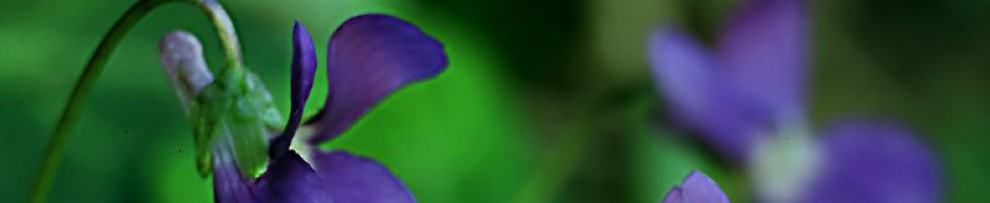
foto: Flickr.com "Violets in the dark" ph: Mikkashar

foto: Flickr.com “Violets in the dark” ph: Mikkashar

Laura Tonatto Sandalo Per Teti – El dulzor del limón y el té

Colaboración de Esperanza van der Zon

foto: Esperanza van der Zon

foto: Esperanza van der Zon

Luego de leer las notas oficiales de  Sandalo Per Teti en el sitio web de Laura Tonatto, su suavidad y dulzor me resultaron una agradable sorpresa. Estas notas son: (salida) naranja fresca, limón; (medias) té negro; (base) maderas, especias. Podría esperarse más amargor debido al limón y al , pero parece que la perfumista italiana prefirió hacer foco en los aspectos más dulces y cálidos de estos aromas interrumpiéndolos con un dulzor fresco que viene del limón. Al usar en la cocina jugo o cáscara de este fruto, se realzan los sabores de los demás ingredientes del plato y se añade frescura. Intenten comer una paella española con y sin jugo de limón y entenderán la diferencia. El limón en Sandalo Per Teti da el mismo efecto: resalta las otras notas a la par que agrega dulzor y vivacidad.

Algunas personas describen a Sandalo Per Teti como un perfume para amantes del sándalo. Yo no detecto el sándalo aquí, pero no me sorprendería que esté presente ya que me encantan los perfumes con esta nota. La fragancia abre sobre mi piel con fresco limón y una mezcla de especias. Luego de pocos minutos, el dulzor cítrico y un olor amaderado -casi medicinal- entran en escena. En este punto, el hace su aparición. No huelo los matices ahumados de un lapsang souchong ni tampoco un muy amargo, más un soplo suave y sofisticado de té de Darjeeling, mezclado con el dulzor del limón. Entonces llega mi parte favorita: una nota licorosa que recuerda el olor de las pasas remojadas en brandy. Las notas se entremezclan sin fisuras, de una manera hermosa.

Sandalo Per Teti resulta muy adecuado tanto para hombres como para mujeres. No es demasiado dulce o gourmand para los caballeros de gustos tradicionales debido a las maderas, pero tampoco demasiado amaderado para las damas, gracias al dulce limón.

No la llamaría una fragancia de muchas capas ni muy cambiante. Sandalo Per Teti es muy conveniente en los momentos en que uno quiere usar un perfume accesible y sin complicaciones. El usarlo me brinda una sensación de confort como de casual Friday, pero la vivacidad del limón siempre me mantiene alerta.

Chandler Burr comparó a Sandalo per Teti con una pintura de Rothko:

“Dos cuadrados de color amorfo se desplazan uno cerca del otro. Uno es un sándalo, dulce y cremoso y tan suave como el terciopelo y (típico del material) difícil de discernir claramente. El cítrico es una soprano con una melodía. El sándalo es un zumbido bajo de cellos”

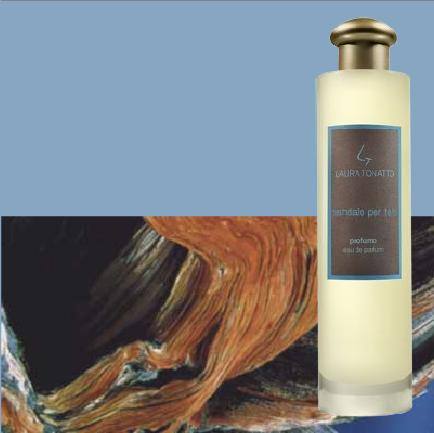
Como todos los acordes están entretejidos de una manera tan bella, la imagen que personalmente elegí es la pintura Going Home de la serie Spiritlands, realizada por mi buena amiga Henriette Hackenberg. Los pequeños acentos marrones me mantienen tan alerta como el limón.

Esperanza

Origen de la muestra: Botella comprada por la autora

artista: Henriette Hackenberg     “Going home”, Spiritland series

Laura Tonatto Sandalo Per Teti – The sweetness of lemon and tea

Guest post by Esperanza van der Zon

After reading the official notes in Sandalo Per Teti on the Laura Tonatto website I found its actual softness and sweetness pleasantly surprising. These notes are: (top) fresh orange, lemon; (middle) black tea; (base) woody, woody spicy. One would expect more bitterness due to the lemon and tea, but it looks like the Italian perfumer focused on the sweeter and warmer aspects of these fragrances interrupting them by a fresh sweetness coming from the lemon. Using the juice or zest of this fruit in the kitchen lifts the flavors of other ingredients in a dish and adds freshness. Try eating a Spanish paella rice dish with and without lemon juice and notice the difference. The lemon in Sandalo Per Teti has the same effect: it lifts all other notes with its dulcitude and brightness.

Some people called Sandalo Per Teti a fragrance for sandalwood lovers. I do not detect the sandalwood here but it wouldn’t surprise if it was present me as I love this note in perfumes. The fragrance opens on my skin with fresh lemon and a mix of spices. After a few minutes the citrusy sweetness and a woody -almost medicinal- scent appear. At this point the tea makes its entrance. I do not smell smoked lapsang souchong tea or very bitter black tea, more a whiff of soft sophisticated Darjeeling tea which is blended with the sweetness of the lemon. Then my favorite part arrives: a boozy note which smells like raisins soaked in brandy. The notes are blended together in a beautiful way.

Sandalo Per Teti is very well suited for both men and women. It is not too sweet or gourmand for gentlemen with traditional tastes due to the woods, and not too woody for ladies due to the sweet lemon.

I would not call it a very layered fragrance, changing very much while wearing it. Sandalo Per Teti is very apt when you want to wear an uncomplicated and accessible fragrance. Wearing it gives me a comfortable feeling like on a casual Friday, the brightness of the lemon still keeping me alert.

Chandler Burr compared Sandalo per Teti with a Rothko painting:

“Two squares of amorphous color hover near each other. One is a sandalwood, sweet and creamy and soft as velvet and (typical of the material) difficult to discern distinctly. Citrus is a soprano with a melody. Sandalwood is a low hum of cellos”

As all accords are so beautifully interwoven, the image I personally choose is the painting Going Home from the Spiritlands series made by my good friend Henriette Hackenberg. The little brown accents keep me alert as the lemon does.

Esperanza

Origin of sample: Bottle purchased by the author

foto: Senesi.net

foto: Senesi.net