Tag Archives: incienso – frankincense

Olivier Durbano Amethyst – Neblina púrpura

foto: Elogedelart.canalblog.com  Apolo, talla en amatista atribuída a Solón (30-20 AC), The J. Paul Getty Museum

foto: Elogedelart.canalblog.com     Apolo, talla en amatista atribuída a Solón (30-20 AC), The J. Paul Getty Museum

Ya había disfrutado del vivaz Rose Quartz, había recibido elogios de completos desconocidos sobre Rock Crystal y me había asombrado ante -¡oh, humo sagrado!- Black Tourmaline. Por alguna causa fortuita, mi muestra de Amethyst en cambio había encontrado el camino al fondo de un cajón y quedó olvidada allí por un año y medio. Olivier Durbano, como quizás recuerden, es un joyero francés. Sus creaciones, las fragantes y las que no, parecen permeadas de una cruda poesía. Sus eaux de parfum tienen una adecuada sensación mineral y el incienso y otras resinas son notas recurrentes en su obra perfumada.

Ayer tuve que hacer parada en boxes en mi joyería preferida para hacer arreglos a una pulsera. Mientras esperaba vi un despampanante collar de plata y amatistas -corto, dramático, con grandes piedras irregulares- y me encapriché con él.  Aunque (¡ay!) no lo compré, de regreso me puse a divagar sobre las amatistas,  que siempre se contaron entre mis piedras preferidas, sus correspondencias y simbología. Por supuesto, Olivier Durbano Amethyste fue el primer perfume que busqué apenas llegué a casa.

La amatista era usada por los Griegos para prevenir la embriaguez y proteger contra envenenamientos. Más tarde, Leonardo Da Vinci sostuvo que pdía mejorar la inteligencia y  mantener alejados los malos pensamientos. La amatista era también la piedra preferida de Catalina la Grande (era mucho más escasa, por ende más preciada, en esos tiempos). Hoy los monjes tibetanos emplean en su meditación rosarios hechos con cuentas de amatista.En la astrología occidental la gema se asocia al planeta Júpiter y a los signos de Sagitario y Piscis.

Volviendo al tributo de Durbano: el perfume gravita alrededor de una nota de incienso; este incienso es bonito y amigable, ni solemne ni austero, pero aún así lleva la característica “aspereza”de las creaciones de Olivier.Una nota transparente de pimienta en la salida pronto se aúna con palo rosa, cuyo aroma dulzón y especiado recuerda las virutas de madera que quedan después de afilar los lápices. Amethyst es amaderado y especiado, sí, pero atravesado por un suave matiz frutado que le es dado por delicadas notas de uva y frambuesa (énfasis en “delicadas”). Luego de le explosión pimentosa y amaderada del comienzo no quedan asperezas.  Almizcle, sándalo y vainilla hacen que la fragancia mute lentamente en un capullo acogedor. De sillage discreto y longevidad moderada, Amethyst huele agradablemente natural y mucho más suave que las otras opciones de la colección Pierres Poèmes .

Caro

Origen de la muestra: muestra gentileza de Olivier Durbano

Si les agrada el Arte en general, los instamos a visitar el interesante blog www.alaintruong.com

foto: Olivierdurbano.com

foto: Olivierdurbano.com

Olivier Durbano Amethyst – Purple haze

I had already enjoyed the lively Rose Quartz, I been complimented by perfect strangers on Rock Crystal and was stunned by -holy smoke!- Black Tourmaline. Due to unknown and fortuitous reasons, my sample of Amethyst had found its way to the back of a drawer and remained forgotten for a year and a half. Olivier Durbano, as you may remember, is a French jeweler. His creations, perfumed and otherwise, seem infused with raw poetry. His eaux de parfum have a befitting mineral feel to them and frankincense and other resins are recurrent notes in his fragrant oeuvre.
Yesterday I had to make a pit stop at my favorite jeweler’s in order to have a bracelet repaired. While I waited I saw the most imposing amethyst and silver necklace -short, dramatic, with big tumbled stones- and became infatuated with it. Although (alas!) I didn’t purchase it, on my way back I mused about amethysts,  which have always been among my favorite stones, their correspondences and symbology. Of course, Olivier Durbano Amethyste was the first fragrance I reached for as soon as I got home.

Amethyst was used by the Greeks to prevent drunkenness and as protection against poisoning. Later, Leonardo Da Vinci sustained that it could improve intelligence and keep evil thoughts at bay. Amethyst was also Catherine the Great‘s favorite stone ( it was much scarcer thus more valuable in those days). Today Tibetan monks use rosaries made of amethyst beads in their meditation. In Western astrology the gem is associated with the planet Jupiter and the signs of Sagittarius and Pisces.

Back to Durbano‘s tribute: the perfume gravitates around a frankincense note; this incense is pretty and friendly, not solemn or austere, but it still bears the characteristic “roughness”of  Olivier‘s creations. A sheer pepper note in the opening is soon joined by rosewood, whose sweet and spicy aroma is reminiscent of pencil shavings. Amethyst is woody and spicy, yes, but pervaded by a soft fruitiness via delicate notes of grape and raspberry (emphasis on “delicate”). After the initial woody peppery burst, no sharp edges remain.  Musk, sandalwood and vanilla help the fragrance morph slowly into a cozy cocoon.With discreet sillage and moderate longevity, Amethyst smells pleasantly natural and softer than the other offerings in the Pierres Poèmes collection.

Caro

Origin of sample: sample courtesy of Olivier Durbano

If you enjoy Art in general, we strongly encourage you to visit  the beautiful blog www.alaintruong.com

Oliver & Co. Resina – Bálsamo hipnótico

imagen: Bookworkschicago.blogspot.com

imagen: Bookworkschicago.blogspot.com

Entiendo los perfumes de Oliver Valverde no como meras fragancias sino también como creadores o potenciadores de estados de ánimo y clima. El joven nariz español ha ganado mi respeto con sus creaciones de autor, que resultan tan originales como fáciles de llevar.

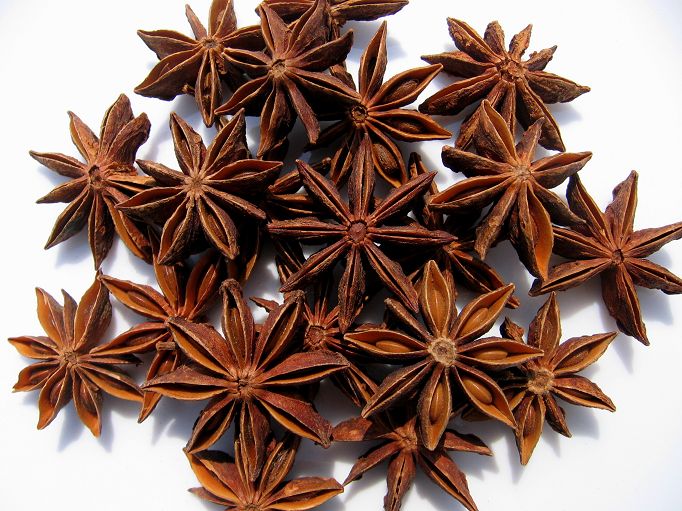
Resina es ambarado y balsámico, pero no denso. La salida se siente tan picante que la nariz puede arder si se inhala desde muy cerca: nuez moscada, anís estrellado jengibre  parecen envueltas en una cáscara gomosa, con reminiscencias de látex. Luego de unos pocos minutos los bordes filosos se suavizan, la mezcla se dulcifica y adquiere matices otoñales que me recuerdan un poco al extraordinario Vetiverus de Oliver & Co.. Extrañamente hipnótica, la frialdad plateada del incienso pinta trazos contrastantes sobre un fondo cálido y mullido de bálsamo de Tolu, benjuí y opopanax. Acogedor, envolvente y aun así liviano, Resina tiene una persistencia notable.

A pesar de haberlo probado en varias ocasiones, no me he formado una opinión cabal del elusivo Resina –es posible que prefiera al más terso Vetiverus– pero esconde algo atractivo, algo que me hace oler las muñecas una y  otra vez, y otra vez más. Horas más tarde, a lo largo del día, sigo detectando un olorcillo especiado y carnal que parece jugar a las escondidas.

Puede que no sea tan necesario definir mi opinión sobre Resina después de todo. Su aura de misterio y su condición esquiva constituyen la fascinación más grande.

Caro

Origen de la muestra: Muestra gentileza de Oliver & Co.

foto: Oliverandco.es

foto: Oliverandco.es

Oliver & Co. Resina – Hypnotic balsam

I understand Oliver Valverde‘s fragrances not as mere perfumes but also as mood and atmosphere creators or enhancers. The young Spanish nose has earned my respect with his auteur creations, which are as original as they are wearable.

Resina is ambery and balsamic but not dense. The opening feels so spicy that nostrils may burn if inhaled from too short a distance: nutmeg, star anise and ginger seem enveloped in a rubbery wrapping, reminiscent of latex. After a few minutes, the sharp edges become smoother,the blend turns sweeter and acquires autumnal hues that remind me of Oliver & Co.‘s extraordinary Vetiverus. Strangely hypnotic, the silvery coldness of frankincense paints contrasting brushstrokes on a warm, plush background of tolu, benzoin and opopanax. Cozy, cocooning but still lightweight has outstanding tenacity.

Despite having road-tested it several times, I have not fully made up my mind about the elusive Resina –I might prefer the smoother Vetiverus– but there’s something compelling about it, something that makes me smell my wrists again and again and yet again. Hours later, into the day, I keep catching these mysterious whiffs, spicy and carnal at a time, that seem to play hide and seek. There might be no need to make my mind about Resina after all. Its aura of mystery and its evasive condition constitute its greater fascination.

Caro

Origin of sample: Sample courtesy of Oliver & Co.

foto: Meridianbotanicals.com

foto: Meridianbotanicals.com

Chanel Les Exclusifs Cuir de Russie – Entre estepas y salones

foto: encspb.ru  Sargento cosaco del Regimiento de Guardias Cosacos, 1913

foto: encspb.ru Sargento cosaco del Regimiento de Guardias Cosacos, 1913

Aunque muchas marcas ofrecen perfumes basados en un motivo de Cuero de Rusia, el más celebre es sin dudas Chanel. Quizás porque la mayoría de los otros (a excepción de L.T. Piver) no vivieron lo suficiente para llegar a nuestros días.

El cuero de Rusia -originariamente de caballo o cabra- difiere de otros cueros (marroquí, cuero de España) en la manera en que ha sido tratado y su rasgo más saliente es una característica nota de alquitrán de abedul. Los soldados rusos  usaban el alquitrán de abedul para impermeabilizar sus botas. Las joyas valiosas solían guardarse envueltas en una pieza de cuir de Russie; éste también era un material valioso para la encuadernación de libros debido a su resistencia a la humedad y su efecto repelente de insectos.

Chanel Cuir de Russie fue compuesto por Ernest Beaux,ruso de nacimiento,  quien también habría de crear No. 22 y el icónico No. 5. Antes de trasladarse a Francia, Beaux había estado empleado en Rallet & Co.,la casa de perfumería más eminente de toda Rusia y proveedor oficial de la Corte Imperial. Alrededor de 1919, Beaux y parte del personal de Rallet se mudaron a Francia  después de que el gobierno soviético nacionalizara la compañía.

Aunque el tema cuir de Russie en perfumería era considerado moderno en el siglo XIX, fue la década de 1920 la que vio prosperar las fragancias de cuero: Caron Tabac Blond (1919), Guerlain Djedi (1926), Lanvin Scandal (1933) eran apreciados por las audaces mujeres emancipadas de los años locos. Las materias primas sintéticas, que ya habían estado en uso por unos 40 años, se manifestaban más ostensiblemente y no con el único propósito de reconstruir el aroma natural de las flores.

Chanel Cuir de Russie es mi favorito de la serie Les Exclusifs y quizás el más difícil en términos de accesibilidad olfativa, aunque definitivamente ha sido modernizado. No he olido nunca la versión original de Cuir de Russie y me estoy acotando al eau de toilette y parfum que están disponibles actualmente.

 La salida aldehídica es más notoria en el eau de toilette. El parentesco con No.5 y No. 22 es evidente en esta etapa y en el uso pródigo de ylang ylang. Cuir de Russie es un cóctel mágico de humo, sudor de caballo y flores. Resulta celestial para los amantes de los caballos y para quienes aborrecen los llamados perfumes limpios; celestial por partida doble para quien suscribe. La fragancia es suave, cálida y florece con el calor corporal. Cuero, tabaco y un bouquet  indólico donde el  jazmín, la flor de naranjo y el ylang ylang reinan supremos hacen brillar este perfume. Huelga decir que al momento de su nacimiento estaba dirigido hacia las mujeres más aventureras e independientes. Con el correr de las horas, Cuir de Russie va tornándose más floral y se tiñe de una cierta jabonosidad que suma una agradable dosis de contradicción a las sucias notas animales.

Aunque la longevidad es, por supuesto, mejor en el parfum, no resulta sobresaliente. El eau de toilette es muy bueno, pero el extracto es sublime: lujo con modales impecables.

Caro

Origen de la muestra: Eau de toilette comprada en la boutique Chanel, Galerías Pacífico, Buenos Aires; parfum comprado a través de Chanel.com

Otros perfumes que me dan este amado carácter caballuno son Amouage Opus III, Vero Profumo Onda y Heeley Cuir Pleine Fleur

foto: Chanel.com

foto: Chanel.com

Chanel Les Exclusifs Cuir de Russie – Between steppes and salons

Although many brands offer fragrances based on a Russian leather motif, the most celebrated one is Chanel. Perhaps because most others (with the exception of L.T. Piver) didn’t live long enough to see our day.

Russian leather  -originally horse or goat- differs from other leathers (Moroccan, Spanish) in the way it has been treated, its main trait being a characteristic birch tar note. Russian soldiers used birch tar to weatherproof their  boots. Valuable jewels were kept wrapped in a piece of cuir de Russie  which was also a preferred material for book binding due to its resistence to humidity  and insect repellent properties.

Chanel Cuir de Russie was composed by Russian born Ernest Beaux, who would also create No. 22 and the iconic No. 5. Before relocating to France, Beaux had been employed at Rallet & Co., official supplier to the Imperial Court and the most eminent house of perfumery in Russia. Around 1919, Beaux and other Rallet staff moved to France after the Soviet government nationalized the company.

Although the cuir de Russie motif in fragrances was considered modern by the XIX century, it was the 1920s that saw leather fragrances flourish: Caron Tabac Blond (1919), Guerlain Djedi (1926), Lanvin Scandal (1933) were appreciated by the bold emancipated women of les années folles. Synthetic raw materials, which had already been in use for some 40 years, were showcased more ostensibly and not with the sole aim of  reconstructing the natural aroma of flowers.

Chanel Cuir de Russie is my favorite from the Les Exclusifs series and perhaps the most difficult in terms of olfactory accesibility although it has definitely  been modernised. I have never smelled the original version of Cuir de Russie and must circuscribe myself to the currently available eau de toilette and parfum.

The aldehydic opening is more noticeable in the eau de toilette. The resemblance with both No.5 and No. 22 is evident in this stage and in the prodigal use of ylang ylang. Cuir de Russie is a magical cocktail of smoke, horse sweat and flowers. Pure heaven for horse lovers and for those who abhor so-called clean scents; thus double heaven for yours truly. The fragrance is soft, warm and blooms with body heat. Leather, tobacco and an indolic bouquet where  jasmine, orange blossom and ylang ylang reign supreme shine in this  fragrance. It goes without saying that, at the time of its birth, it was aimed at the most adventurous and independent of women. Over the course of hours, Cuir de Russie  becomes increasingly floral and tinged with a certain soapiness which adds a pleasant dose of contradiction to the dirty animalic notes.

Although longevity is, of course, better in the parfum, it doesn’t appear to be outstanding. The eau de toilette is very good, but the extrait is sublime: luxury with impeccable manners.

Caro

Origin of sample: Eau de toilette purchased at Chanel boutique, Galerías Pacífico, Buenos Aires; parfum purchased from Chanel.com

Other fragrances from which I get my beloved horsey vibe are Amouage Opus III, Vero Profumo Onda and Heeley Cuir Pleine Fleur

Amouage Fate Woman – Tejido en rayos de sol

imagen: Artseverydayliving.com artista: Caspar David Friedrich "Frau vor der untergehenden Sonne", 1818, Museo Folkwang

imagen: Artseverydayliving.com       artista: Caspar David Friedrich
“Frau vor der untergehenden Sonne”, 1818,   Museo Folkwang

Cuando Sheila, la prolífica escritora tras The Alembicated Genie, se ofreció generosamente a enviarme una muestra de Fate Woman, me sentí eufórica. Mi fetiche con Amouage es un secreto a voces y huelga decir que ansiaba probar el último lanzamiento de la casa omaní.

Como Fate está clasificado bajo la etiqueta de chipre oriental,  esperaba una mezcla oscura, barroca y grandilocuente. Menos operático que otras creaciones de la misma casa y por ende, quizás, con un atractivo más amplio, me impresionó con su levedad. Levedad para los estándares de Amouage, claro. Fate es considerablemente más sustancial y complejo que el 95% de los perfumes que se encuentran actualmente en el mercado.

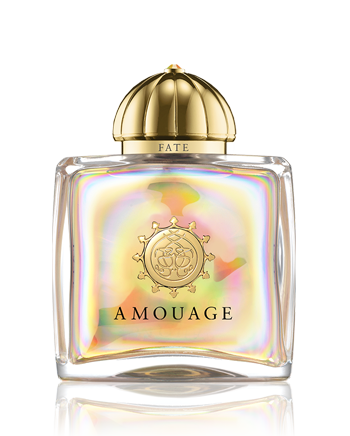
Fate Woman parece irradiar una luz dorada que hace brillar todo lo que entra en contacto con ella. La salida es dulce y jugosa. Aunque la bergamota está listada entre las notas, me queda una impresión como de naranja dulce. La bergamota/naranja aparece especiada con canela y ají chile, lo que hace la mezcla aún más cálida. Entonces se torna más suave que un suavísimo sweater de cachemira doble. No me impresionó al principio, pero con sucesivos usos, Fate Woman tejió lentamente su red dorada y antes de poder siquiera darme cuenta, ya no logré desenredarme.

El rico corazón floral está entremezclado con incienso y vainillaCuero y castóreo suman una cualidad animal que, lejos de bestial o cruda, resulta tan reconfortante como abrazar a una mascota querida. Fate huele muy clásico y extrañamente familiar pero, al mismo tiempo, innegablemente moderno. Es Romanticismo sin el drama; un parfum de peau al estilo de Amouage.

Este perfume fue compuesto por la talentosa Dorothée Piot (Robertet) -bajo dirección creativa de Christopher Chong– y presentado en 2013. Encuentro su proyección discreta y la longevidad, buena.

Caro

Origen de la muestra: Muestra gentileza de Sheila Eggenberger, The Alembicated Genie

foto: Amouage.com

foto: Amouage.com

Amouage Fate Woman – Woven in sunshine

When Sheila, the prolific writer behind The Alembicated Genie, generously offered to send me a sample of Fate Woman, I was elated. My fetish for  Amouage is no secret and I most certainly wanted to try the latest release from the Omani house.

Since Fate Woman is  classified as an Oriental chypre, I had come to expect a dark and bombastic baroque blend. Less operatic than other creations from the same  house and thus, perhaps, with a wider appeal, it struck me as lightweight. Lightweight by Amouage standards, that is. Fate is considerably more substantial and complex than 95% of the fragrances currently on the market.

Fate Woman seems to radiate a golden light that sets aglow everything that comes in contact with it. The opening is sweet and juicy. Although bergamot is listed among the notes, I am left with an impression of sweet orange. The bergamot/orange is spiced up by cinnamon and chili pepper, what makes the blend even warmer. It then becomes softer than the softest double cashmere sweater. I was unimpressed at first, but with subsequent wearings, Fate Woman slowly wove its golden web around me and before I could even realise it, I was unable to disentangle myself.

The rich floral heart is intermingled with frankincense and vanillaLeather and castoreum add an animalic quality that, far from raw or beastly, is as reassuring as cuddling up with a dear pet. Fate smells very classic and strangely familiar but, at the same time, undeniably modern. It is Romanticism minus the drama; a skin fragrance, Amouage style.

This fragrance was composed by the talented Dorothée Piot (Robertet) -under creative direction of Christopher Chong– and introduced in 2013. I find the projection discreet and its longevity, good.

Caro

Origin of sample: Sample courtesy of Sheila Eggenberger, The Alembicated Genie

Amouage Fate Man – La irresistible fuerza de Fate

imagen: Wikimedia.org artista: Jacob Matham? "Las tres parcas", 1587

imagen: Wikimedia.org    artista: Jacob Matham?    “Las tres parcas”, 1587

Decidimos que nuestra amiga Melina sería la persona adecuada para reseñar el último lanzamiento masculino de Amouage. Melina -que conoce una cosita o dos sobre hado y destino- es una conversa de la casa Omaní desde aquella fatídica tarde en que la alentamos a olisquear algunas de nuestras botellas.

La muestra que se empleó para esta reseña fue obtenida en la boutique  Amouage en Dubai.

Amouage Fate Man – La irresistible fuerza de Fate

Los griegos hablaban del katarche, ese momento primigenio, del comienzo de todo y de cada una de las empresas humanas. Los astrólogos helenísticos y los posteriores se concentraban en ese principio para identificar los tiempos auspiciosos para iniciar un viaje, una siembra, un negocio, un matrimonio. Una aparente contradicción en términos: querer elegir algo dentro de un orden cósmico establecido, tratar de dominar un momento dentro de un tiempo que se rige por normas matemáticas, donde una gran estructura celeste nos expulsa de la participación humana. En ese complejo debate se inscribe la cuestión del destino y del sino, que es una traducción más acertada para el término fate. Necesitamos ser dueños de nuestro futuro, pero hay una vorágine que parece vapulearnos a su antojo. En esta rueda de la fortuna de naturaleza impredecible, se inscribe el Fate Man de nuestra adorada maison Amouage, con una resolución sorprendentemente optimista de la paradoja del libre albedrío y el destino.

Fate abre de manera dulcemente embriagadora, hasta picante, con ajenjo amargo y dulce, cítrica mandarina, comino, jengibre y azafrán. A pesar de la potencia de la fragancia, no es invasiva, sugiere más bien algo más íntimo que un secreto, un viaje individual al encuentro con un adivino, con su misterio y su peligro. Eran también los griegos quienes castigaban a los hombres por el pecado de hybris, el de creerse más grandes que los dioses, y hay mucho de hybris en querer escudriñar el futuro. Por eso Fate es un perfume para los valientes y los arriesgados, como siempre propone Amouage. Las notas medias son el clásico incienso de la casa, immortelle y una rosa que genera un gran confort, dentro del exotismo de la fragancia… Una sensación de control después de la explosión aromática del comienzo, la idea de que por fin somos dueños de algo de lo que nos toca transitar. Fate termina otra vez dulce, ahora sobre una base de sándalo y algo de regaliz… Un final feliz después de la incertidumbre de la máquina del Destino, la comprensión de que estamos inmersos en un viaje que dominamos poco, pero que nos es familiar y por momentos hasta feliz, que el katarche es el comienzo, pero también el tiempo preciso y purificador para poner en marcha nuestros deseos.

Por supuesto, Fate tiene una longevidad extraordinaria, a mi modo de ver es el más acabado de los perfumes de Amouage en ese sentido. Es un perfume que se sostiene durante todo el día de manera cómoda, cambiando en sus notas y acompañándonos cálidamente. Por otra parte, me da la impresión de ser uno de los perfumes más “occidentales” de la maison… Siento algo muy reconocible en su obvio exotismo, es quizás esa fuerza irresistible del destino, una experiencia tan humana y tan privada, tan magnética y tan irremediablemente imparable.

Melina Graves

foto: Amouage.com

foto: Amouage.com

Amouage Fate Man – The irresistible force of Fate

We decided our friend Melina would be the right person to review the latest masculine release from  AmouageMelina -who knows a thing or two about fate and destiny- became a convert of the Omani house on that fateful (no pun intended) evening when we urged her to smell some of our bottles.

The sample used for this review was obtained at the Amouage boutique in Dubai.

Amouage Fate Man – The irresistible force of Fate

The Ancient Greek spoke of katarche, that primal moment when everything begins, and when each one of our human ventures take off. The Hellenistic astrologers, and the ones that later followed, focused on that starting point in order to identify the auspicious time to begin a journey, a sowing, a business, a marriage. A sort of contradiction in terms: the desire to choose something that is constrained by mathematical rules, where a giant celestial structure casts us away from human participation. It is this complex debate, between destiny and fate: we need to own our future, but there is a maelstrom that beats us to its liking. In this wheel of fortune of unpredictable nature, comes Fate Man, from our beloved maison Amouage, to solve the issue of free will and destiny with a surprising optimism.

Fate Man opens in a sweet and intoxicating way, almost spicy, with bitter sweet absinth, citrusy mandarin, cumin, ginger and saffron. In spite of the power ingredients of the fragrance, it is not invasive. On the contrary, it suggests something more intimate than a secret, an individual journey to meet a clairvoyant, with its mystery and danger.

The Greek also punished men for the sin of hybris, to believe oneself greater than the gods. And there is a great deal of hybris when we try to scrutinize the future. That is why Fate is a perfume for the brave and the daring, as it is (almost) always the case with Amouage. The middle notes are the classic frankincense of the house, everlasting flower and a rose that creates an atmosphere of comfort, within the exoticism of the fragrance… A sense of control after the aromatic explosion of the beginning, the idea of being the owners, at long last, of part of the journey that has been laid out for us. Fate Man finishes again sweet, now on a base of sandalwood and liquorice… A happy ending after the uncertainty of the Machine of Destiny, the understanding of us being immersed in a trip that we can´t dominate, but that is familiar to us, and sometimes even pleasant. The katarché is the beginning, but also the right and purifying time to put our desires into motion.

Naturally, Fate has an outstanding longevity. In my opinion it is the most accomplished Amouage perfume in that sense. Fate is a fragrance that accompanies us throughout the day in a comfortable way, changing its notes with a warm rhythm. Moreover, I have the feeling this is one of the most “Westernized” perfumes of the maison… There is something very recognizable in its obvious exoticism. It is, perhaps, that irresistible force of fate, an experience so human and so private, so magnetic and so irremediably unstoppable.

Melina Graves