Tour olfativo constante – Una mañana en el museo

foto: Virginia Blanco

foto: Virginia Blanco

El domingo pasado, la perfumista, maestra y escritora Mandy Aftel tomó parte en la muestra The Possible, en el Berkeley Art Museum And Pacific Film Archive. El sitio web del museo explica: “Como una plataforma abierta para creatividad compartida y la exploración de diversas técnicas artísticas, The Possible combina taller,salón de clases, biblioteca, galería y escenario.”

Mandy compartió con los asistentes un adelanto de su próximo libro “Fragrant: The Life Of Scent”(“Fragrante: La vida del aroma”), el cual será lanzado en octubre (tal como ella misma mencionó en una entrevista previa para Té de Violetas). Leyó fragmentos acerca de la historia detrás de 5 aromas icónicos: canela, incienso, menta, ambargris y jazmín.

En cada uno de ellos, ella iba destacando su relación con los apetitos humanos y con cuestiones filosóficas. Y en búsqueda de proveer una experiencia más significativa, la autora ofreció las respectivas esencias empapadas en blotters de papel (e incluso hasta el ingrediente en sí mismo iba de mano en mano). De esta manera, el público podía ir oliendo el relato mientras escuchaban la lectura.

Además del taller ofrecido, estaba (y continúa estando) el “Fragrant Cabinet Of Curiosities”(Gabinete Fragante de Curiosidades), integrado por piezas históricas únicas,así como también raros libros de perfumería y las fuentes de donde se originan algunas esencias.

Virginia

Nota bene: The Possible continuará en exhibición con las participaciones de otros artistas y artesanos hasta el día domingo 25 de mayo. 
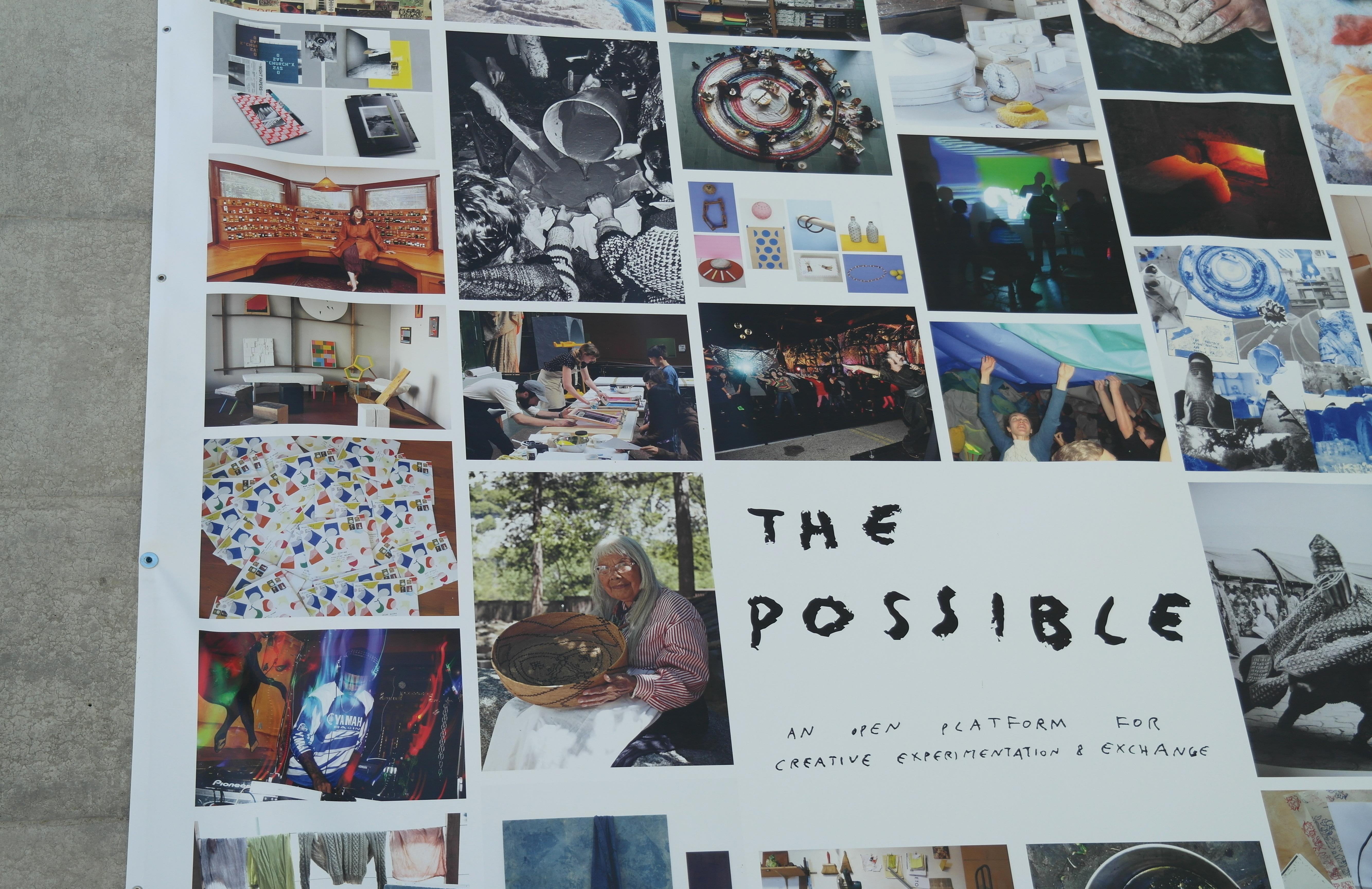
foto: Virginia Blanco

foto: Virginia Blanco

Continuous olfactory tour – Morning in the Museum

Last Sunday morning, perfumer, teacher and writer Mandy Aftel took part of the The Possible exhibition at the Berkeley Art  Museum And Pacific Film Archive. The museum website explains: As an open platform for shared creativity and the exploration of diverse artistic techniques,The Possible combines studio, classroom, library, gallery, and stage.”

Mandy shared a preview of her next book “Fragrant:The Life Of Scent” with the participants. The book will be released  in October (as she has mentioned in a previous Q&A for Té de Violetas). She read a few fragments on the story behind 5 iconic fragrances: cinnamon, frankincense, mint, ambergris and jasmine.

In each of these, she highlighted its connection with human appetites and philosophical issues. And in search of providing a more meaningful experience, the author offered the respective essences on paper blotters (or the ingredient itself) to the public so they could be able to smell the story along with its explanation.

Besides the workshop, a “Fragrant Cabinet Of Curiosities”was (and still is) available, integrating unique historical pieces as well as rare perfumery books and the sources of some raw materials.

Virginia

Nota bene: The Possible exhibition continues with other workshops until Sunday, May 25.

foto: Virginia Blanco

foto: Virginia Blanco

foto: Virginia Blanco

foto: Virginia Blanco

foto: Virginia Blanco

foto: Virginia Blanco
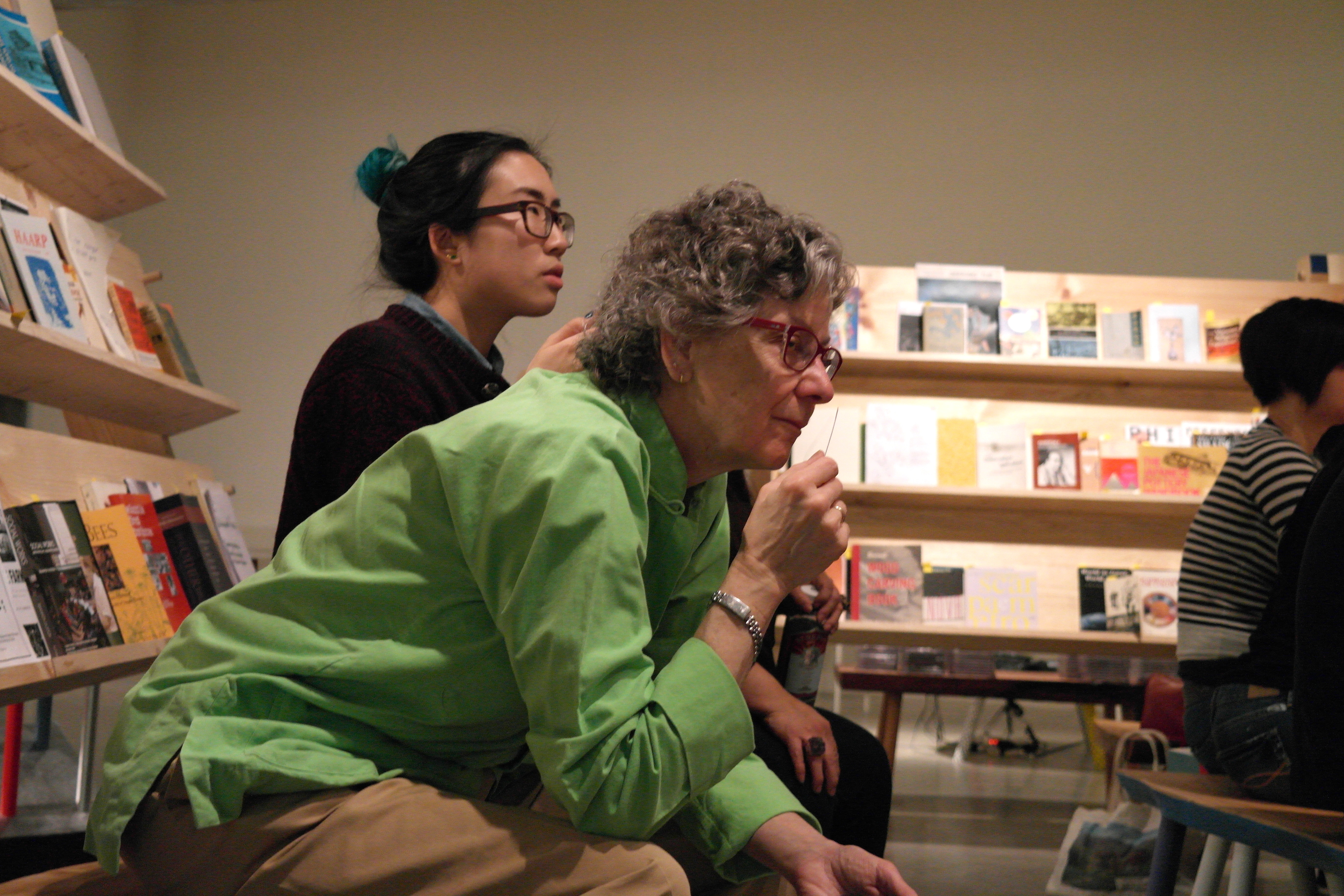
foto: Virginia Blanco
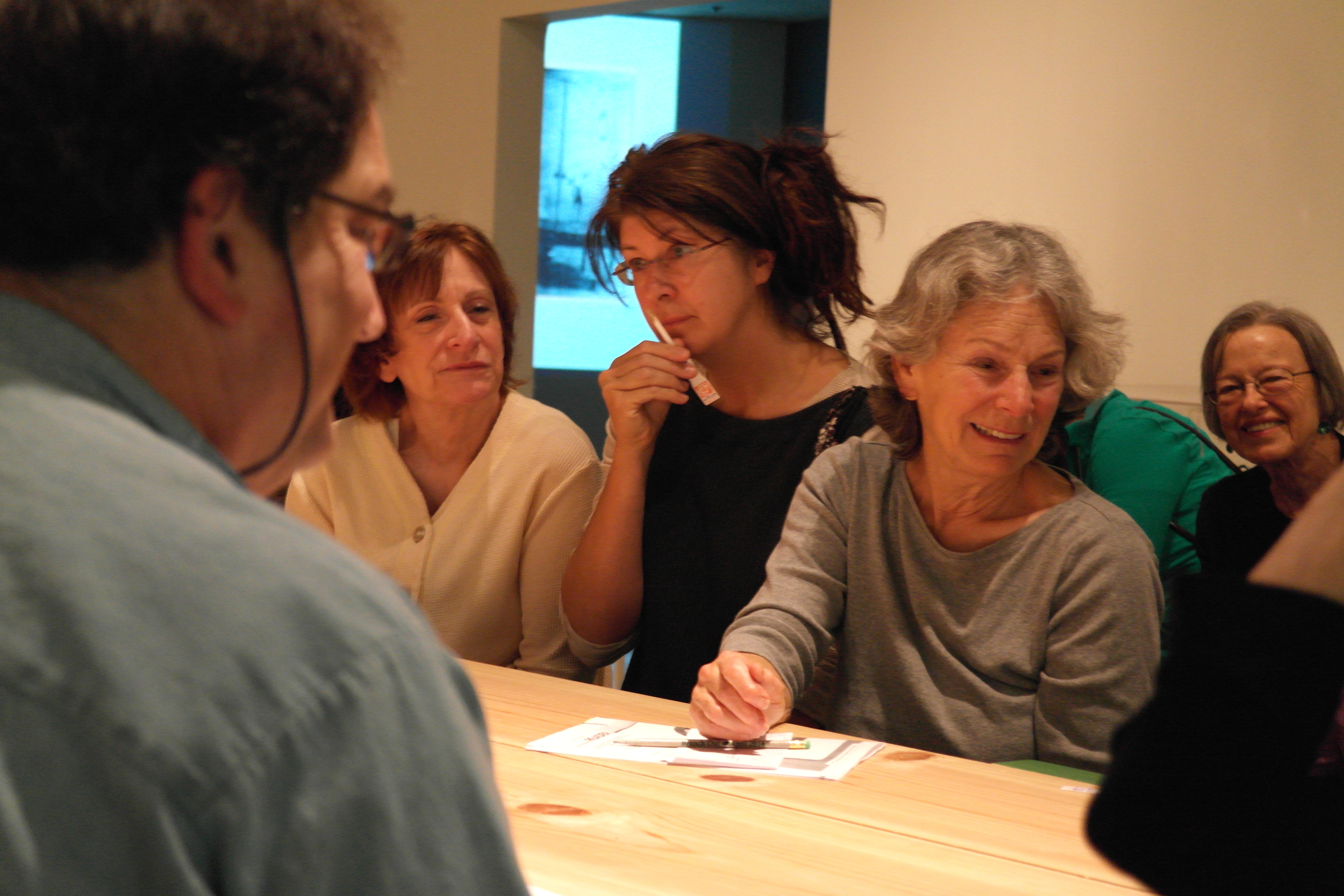
foto: Virginia Blanco
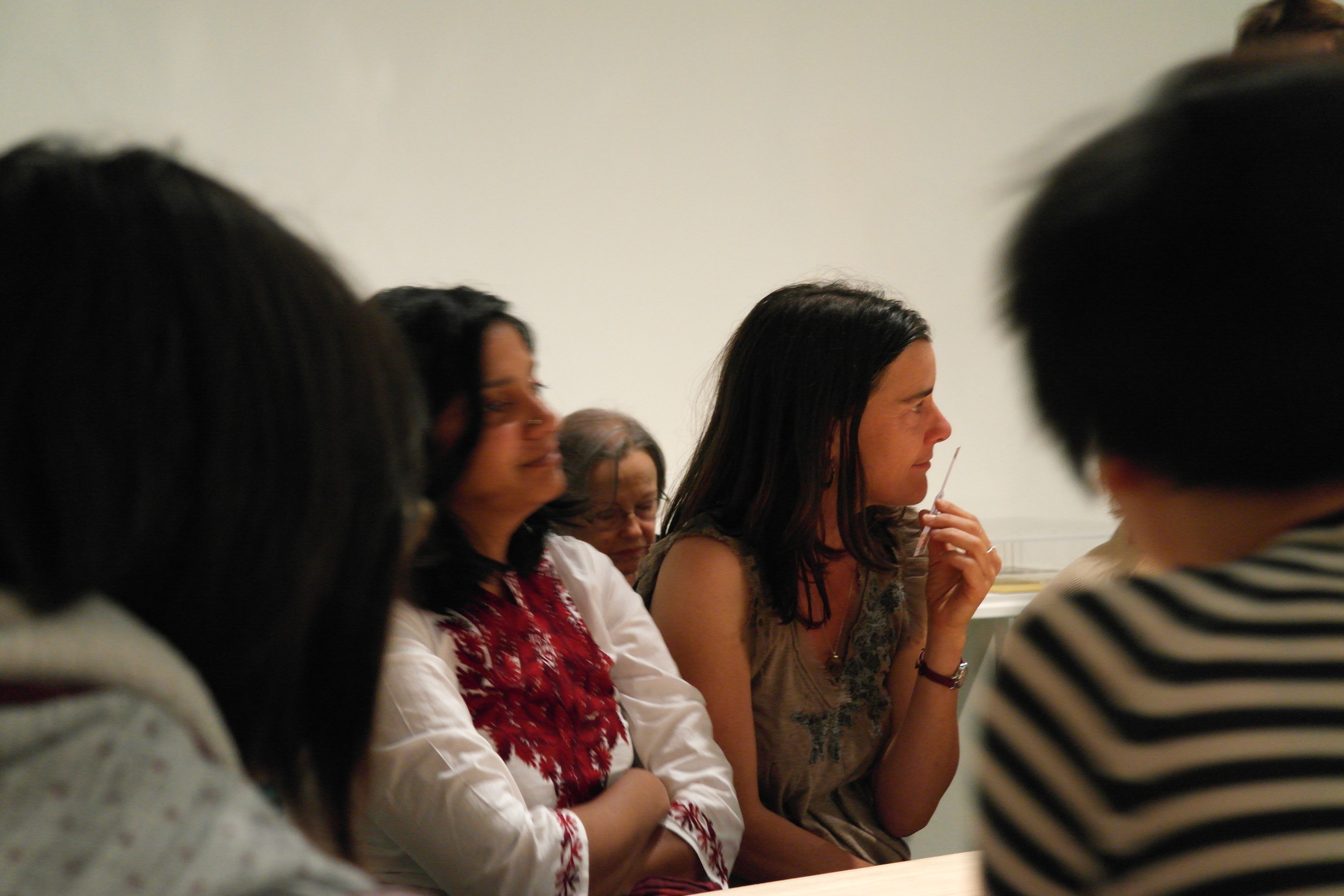
foto: Virginia Blanco

foto: Virginia Blanco

foto: Virginia Blanco

foto: Virginia Blanco

foto: Virginia Blanco

foto: Virginia Blanco

foto: Virginia Blanco

foto: Virginia Blanco

foto: Virginia Blanco

foto: Virginia Blanco

foto: Virginia Blanco

foto: Virginia Blanco

Blotters y pequeñas piezas de incienso sobre la mesa  foto: Virginia Blanco

Blotters y pequeñas piezas de incienso sobre la mesa      foto: Virginia Blanco

foto: Virginia Blanco
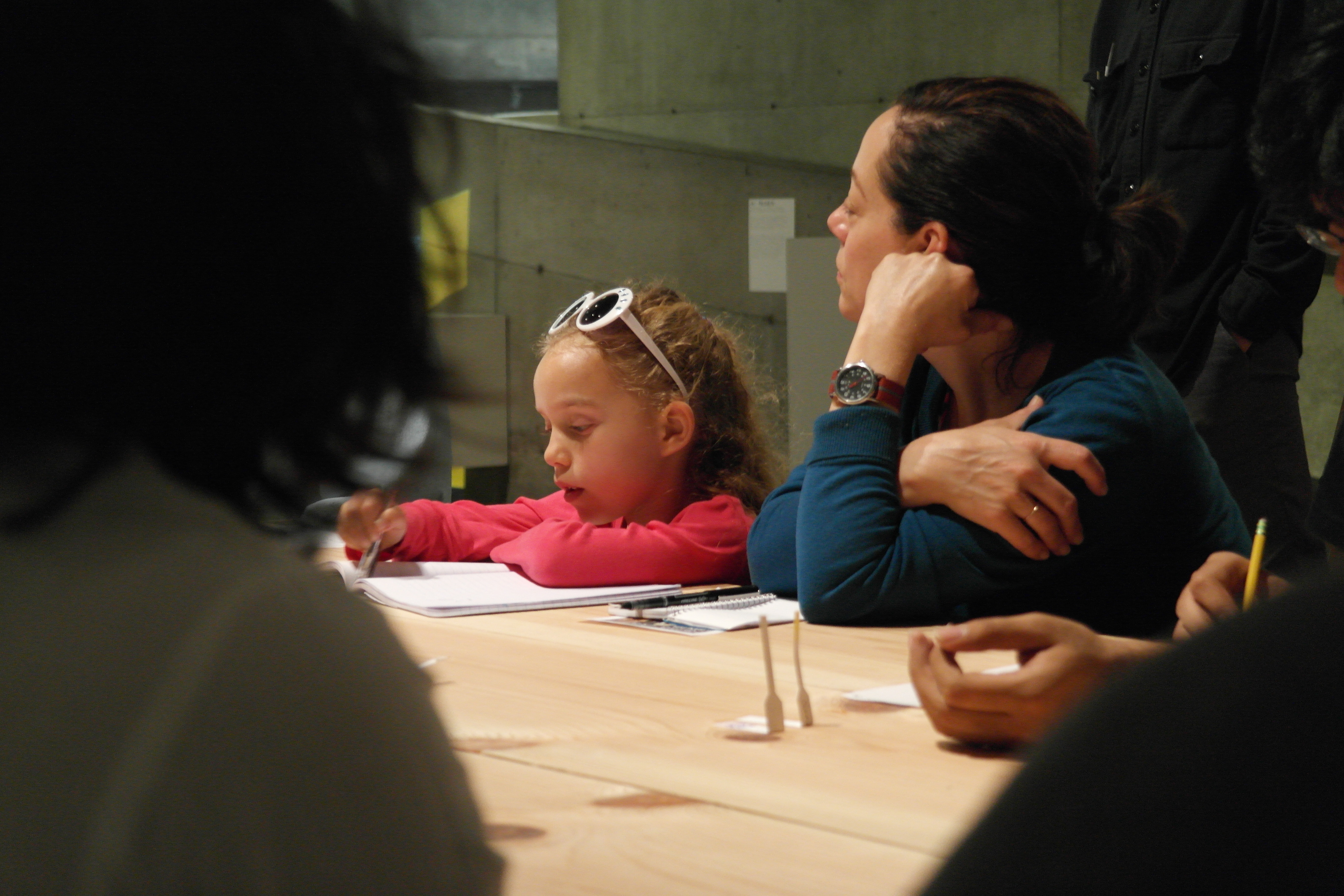
foto: Virginia Blanco
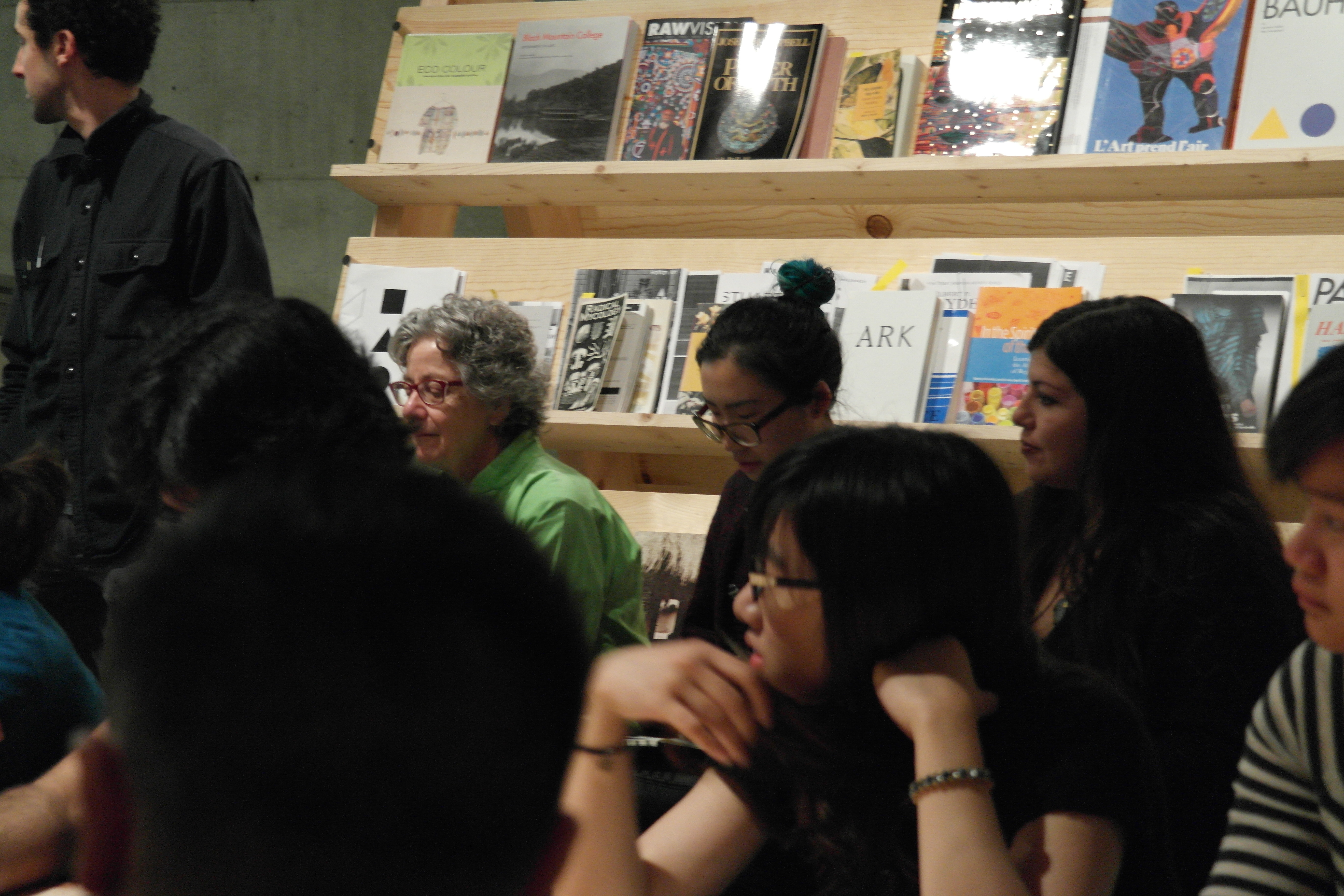
foto: Virginia Blanco
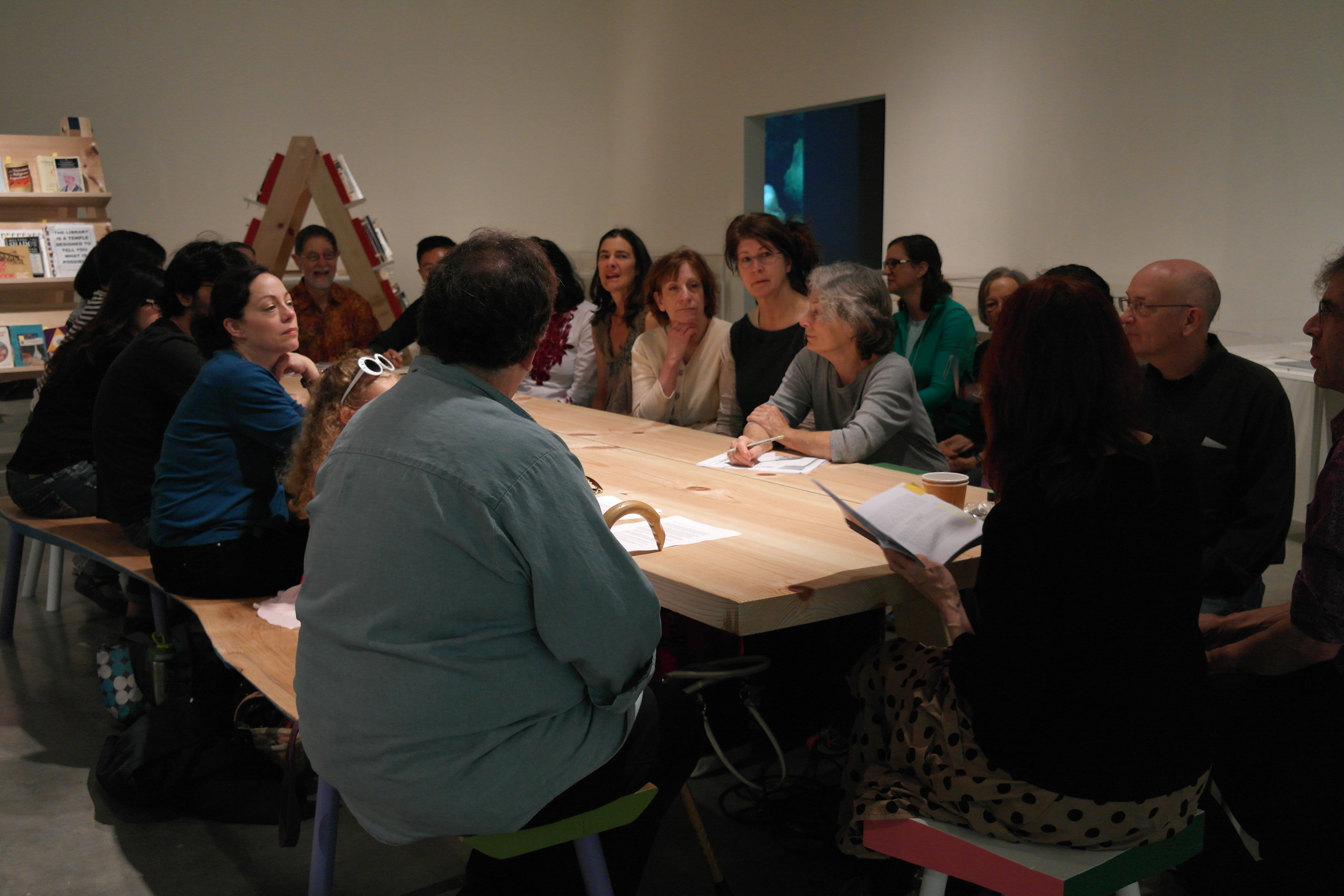
foto: Virginia Blanco

foto: Virginia Blanco

foto: Virginia Blanco

foto: Virginia Blanco

foto: Virginia Blanco

foto: Virginia Blanco

foto: Virginia Blanco           “The Fragrant Cabinet Of Curiosities”
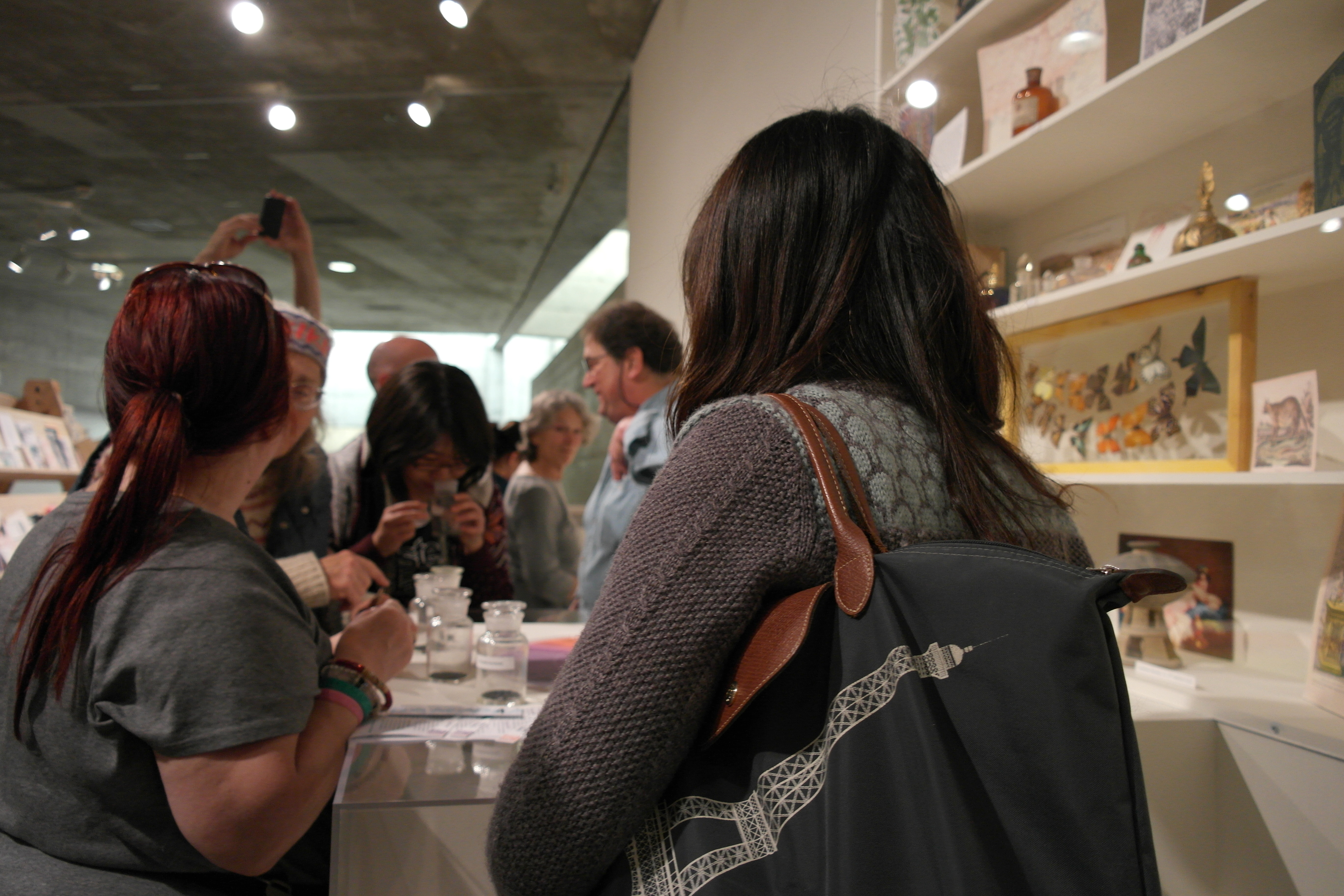
foto: Virginia Blanco

foto: Virginia Blanco
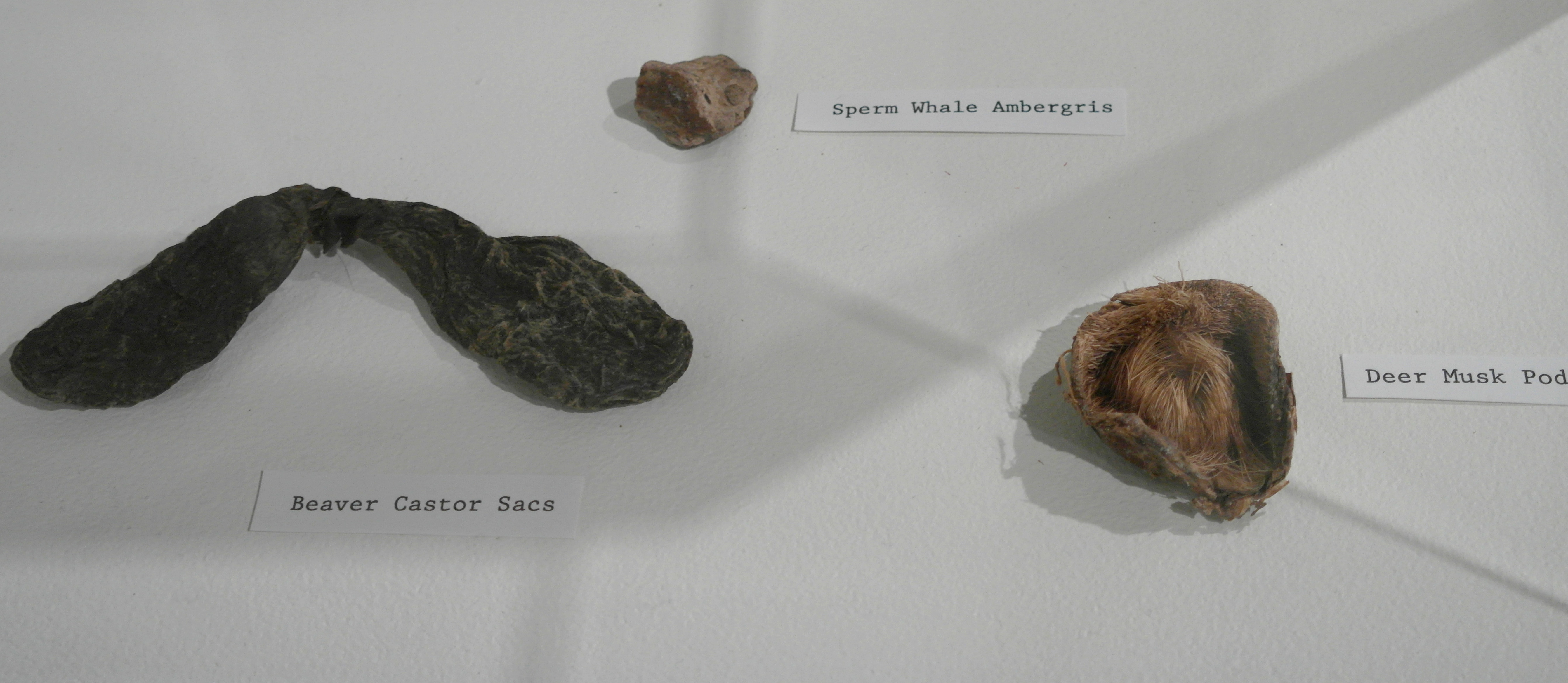
foto: Virginia Blanco

foto: Virginia Blanco

foto: Virginia Blanco
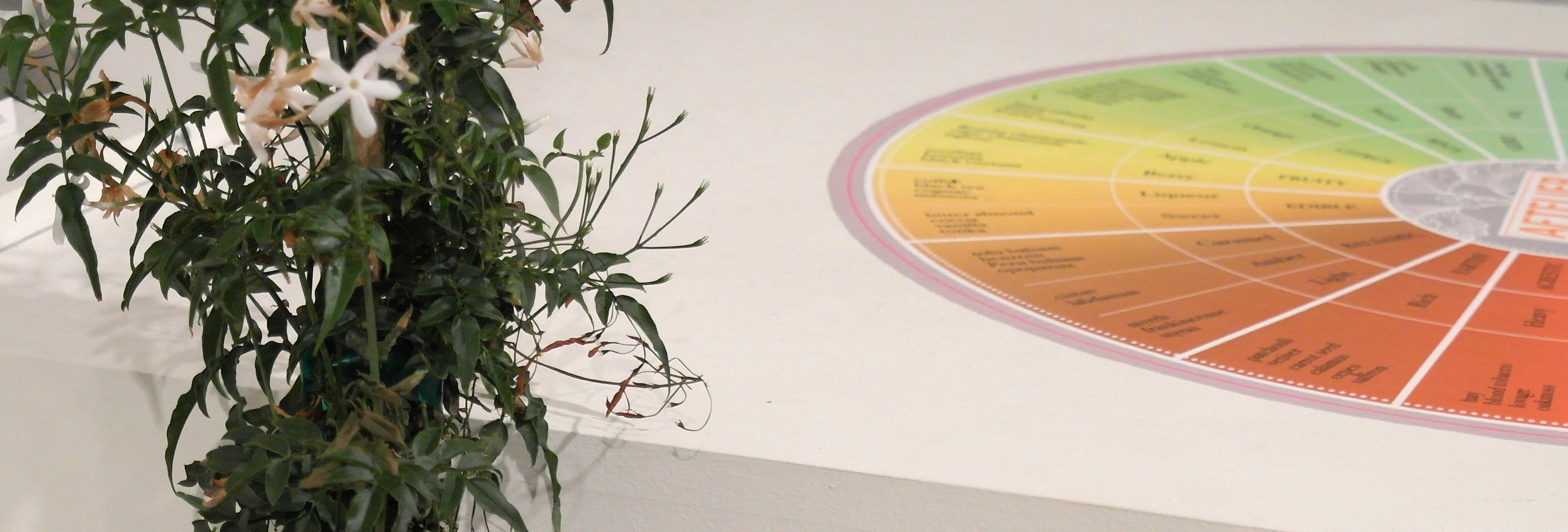
foto: Virginia Blanco

foto: Virginia Blanco

foto: Virginia Blanco
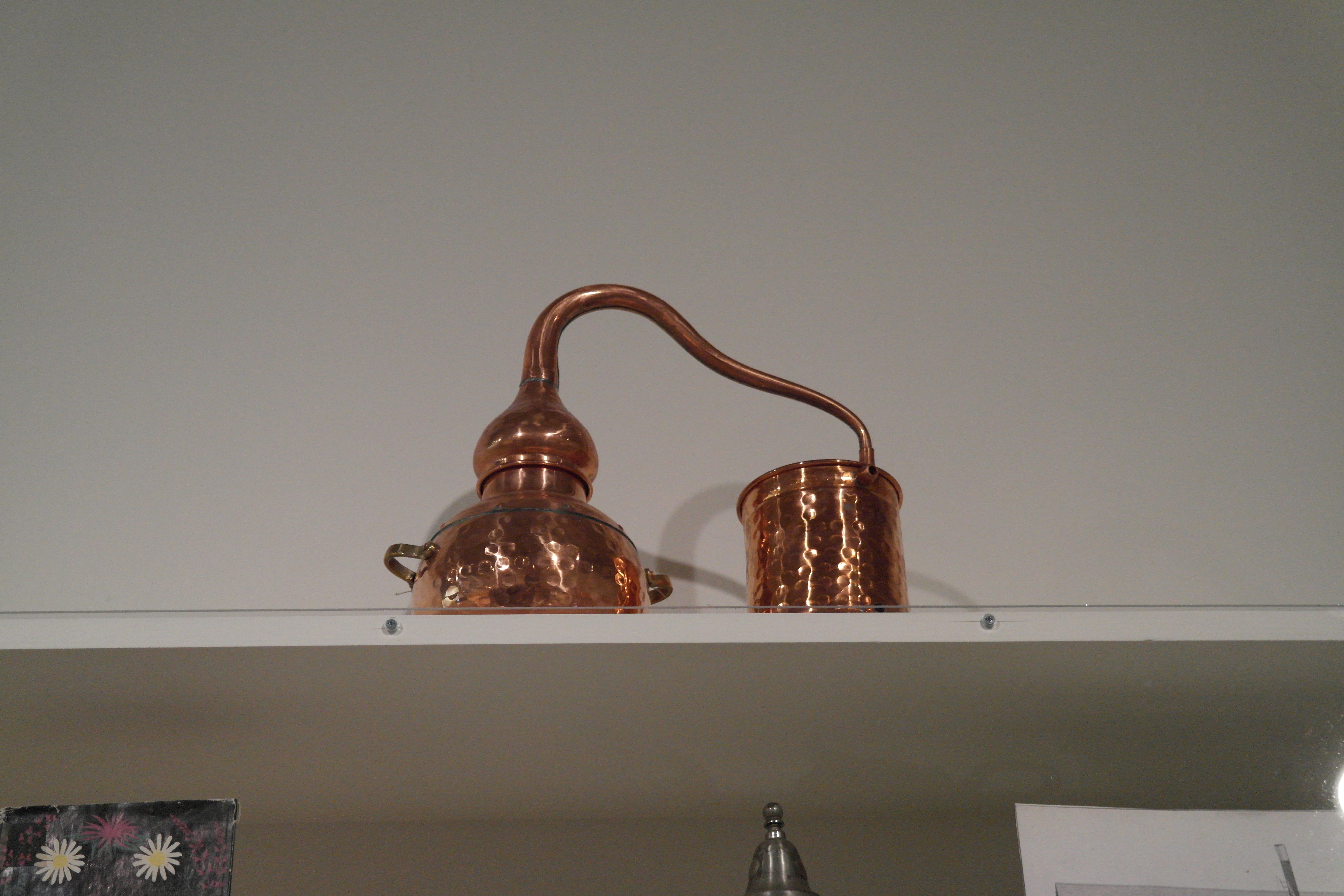
foto: Virginia Blanco

foto: Virginia Blanco

foto: Virginia Blanco

foto: Virginia Blanco

foto: Virginia Blanco

foto: Virginia Blanco

foto: Virginia Blanco

foto: Virginia Blanco

foto: Virginia Blanco

foto: Virginia Blanco Pequeño alambique de cobre
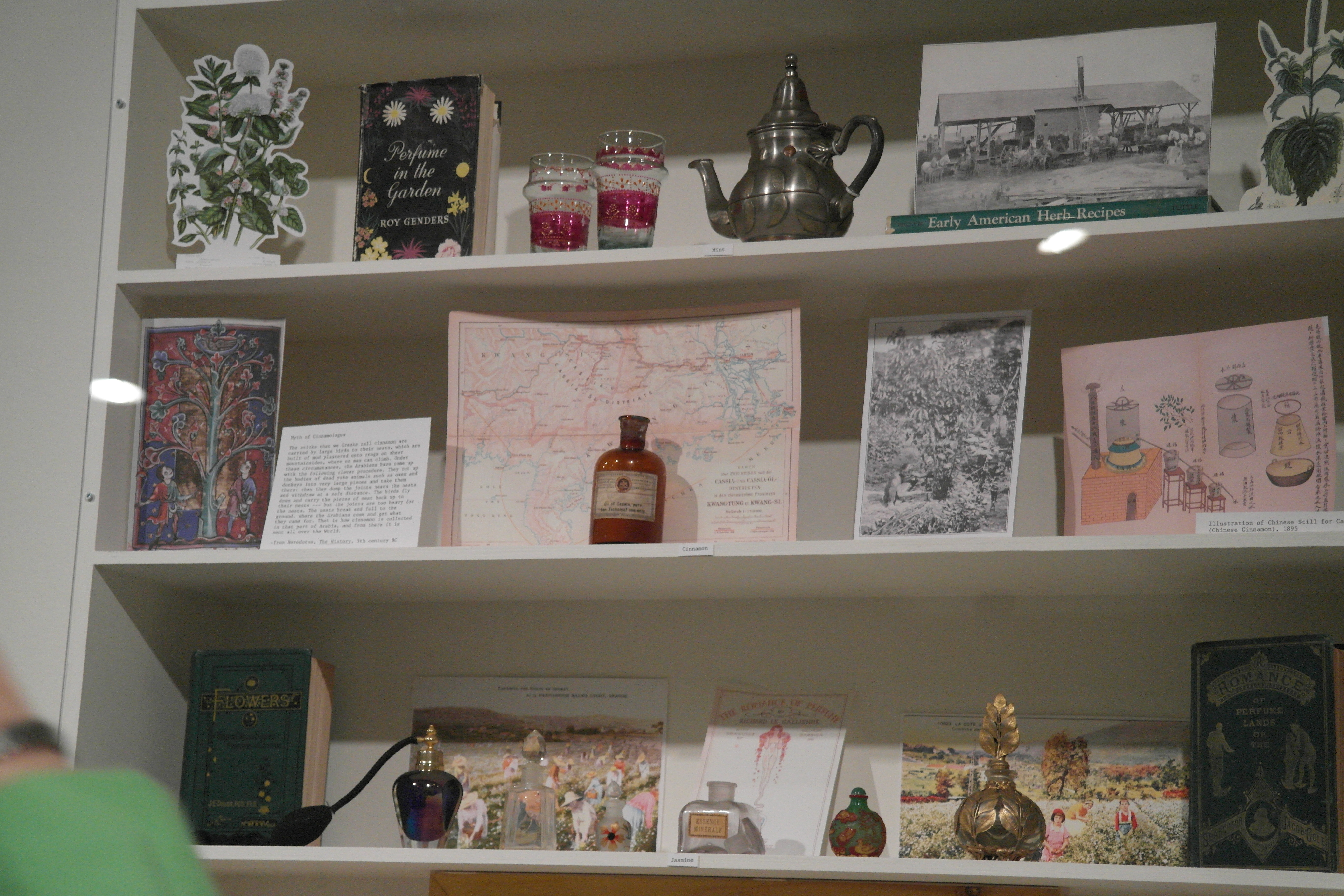
foto: Virginia Blanco

foto: Virginia Blanco


Vero Profumo Rozy – La rosa tatuada

foto: Emma Livingston

foto: Emma Livingston

Durante los meses previos a su lanzamiento en Esxence, Vero Kern estimuló la curiosidad de sus devotos admiradores con imágenes que transmitían sensaciones relacionadas con la nueva fragancia: rosas purpúreas,  casi negras;capullos convirtiéndose en cenizas; Dame Barbara Cartland; (el artista anteriormente conocido como) Prince y, finalmente, Anna Magnani, a quien este perfume homenajea.

Cuando nos encontramos el último mes de julio, la Srta. Kern me había  contado que el extrait sería una rosa muy oscura -si bien no literal- y  que el eau de parfum tendría un aspecto más rosado, pero eso era todo lo que yo sabía al respecto. Frívolo, iridiscente, aterciopelado y erótico eran algunos de los adjetivos que flotaban en el aire. De acuerdo con la tradición de Vero Profumo, la nueva creación recibió un nombre de cuatro letras: Rozy.

Rozy hace un guiño a ciertos grandes clásicos y no es tan “rosado” como su nombre permitiría suponer, así que aquellos que no tienen una afición especial por las rosas podrían disfrutarlo también. Ambos eau de parfum and voile d’extrait son complejos y dinámicos.

Rozy Eau de Parfum es definitivamente digno de Lolita: todo duraznos y crema, rosas y satén rosado.Me recuerda un poco a Nahéma pero Nahéma es caleidoscópico, mientras que Rozy es iridiscente y mucho más sutil; como una acuarela opuesta a la densa pintura al óleo de Nahéma. Un delicado velo aldehídico cubre una rosa aduraznada que, en el transcurso de las horas, se desvanece en una estela de polvo de sándalo. Coqueto, provocativo y tentador, prácticamente me obliga a pestañear con la velocidad de las alas de un colibrí.

Rozy Voile d’Extrait es una mujer con pasado. Es rosas y transpiración y cigarrillos y sexo. El característico olor frutado-urinoso de los bourgeons de cassis en la salida trae a la mente a los gatos que Magnani tanto adoraba. La rosa aquí está mezclada magistralmente con una tuberosa de excelente calidad (estoy casi segura de que es el mismo absoluto de tuberosa que la Srta. Kern usó en Mito).  Algo crudo y primitivo acecha por debajo de este exterior sofisticado; quizás el aroma de la fruta muy madura, nectarina y casi pasada, como la que Edmond Roudnitska hizo brillar en Femme, Diorella y Le Parfum de Thérèse. Pero Diorella y Thérèse parecen castos en comparación y sólo la versión vintage de Femme podría competir con la aplomada sensualidad de Rozy. La rosa y la tuberosa cobran progresivamente tonalidades de miel hasta que la sensación acuerada del cistus, como una voz ronca, manifiesta su presencia.

El mejor elogio para Rozy vino de parte de mi marido quien -cansado de que le pida su opinión sobre cada perfume que pruebo- desarrolló dos respuestas standard que alterna aleatoriamente: “jabonoso” y “atalcado”. Cuando le pedí que por favor probara Rozy, exclamó “¡Es muy Anna Magnani!”.

Caro

Origen de las muestras: Muestras gentileza de Campomarzio 70

foto: Toutceciestmagnifique.com  fotógrafo: John Phillips  Anna magnani, Roma, 1947

foto: Toutceciestmagnifique.com    fotógrafo: John Phillips   Anna Magnani, Roma, 1947

Vero Profumo Rozy – The rose tattoo

During the months prior to its launching at Esxence,Vero Kern kept teasing her devout admirers with images that conveyed the feel of the upcoming  fragrance: blackish purple roses, blooms turning to ashes, Dame Barbara Cartland, (the artist formerly known as) Prince and, finally, Anna Magnani,to whom this perfume pays tribute.

When we met last July, Ms. Kern had told me the extrait would be a very dark -although not literal- rose and the eau de parfum  would be pinkier in appearance, but that was all I knew about it. Frivolous, iridescent, velvety and erotic were some of the adjectives that floated around. In accordance to the Vero Profumo tradition, the new creation received a four letter name: Rozy. Rozy nods at some of the great classics and it is not as rosy as its name might suggest, so those who are not especially fond of roses might enjoy it too. Both eau de parfum and voile d’extrait are complex and dynamic.

Rozy Eau de Parfum is definitely Lolita-esque: all peaches and cream, pink satin and roses. It reminds me a bit of Nahéma but whereas Nahéma is kaleidoscopic, Rozy is iridescent and much more subtle; like a watercolor opposed to Nahéma’s dense oil. A delicate aldehydic veil covers a peachy rose which, over the course of hours, fades into a trail of sandalwood dust. Flirty, provocative and enticing, it almost forces me to bat my eyelashes at the speed of hummingbird wings.

Rozy Voile d’Extrait is a woman with a past. It’s roses and sweat and cigarettes and sex. The characteristic fruity-urinous smell of the bourgeons de cassisin the openingbrings to mindthe cats Magnani adoreded so much. Rose is here masterfully blended with a tuberose of excellent quality (I am almost sure it is the same tuberose absolute Ms. Kern used in Mito).  Something very raw and primal lurks underneath the sophisticated exterior; perhaps the scent of overripe fruits, nectarous and just past its prime, like the ones Edmond Roudnitska made shine in Femme, Diorella and Le Parfum de Thérèse. But Diorella and Thérèse seem chaste in comparison and only vintage Femme could compete with Rozy‘s  mature sensuality. The rose and tuberose become progressively honeyed until the leathery feel of labdanum, much like a raspy voice, manifests its presence.

The best compliment for Rozy came from my  husband, who -tired of my asking his opinion on every single fragrance I  try- has  developed two standard answers which he randomly alternates: “soapy” and “powdery”. When I asked him to please sniff Rozy, he declared “This is totally Anna Magnani!”.

Caro

Origin of sample: samples courtesy of Campomarzio 70


Meshaz Natural Perfumes Ozmanthus – Soñando bajo el sol

imagen: English.cguardian.com  Osmanto y Abeja artista: Qi Baishi

imagen: English.cguardian.com    Osmanto y Abeja    artista: Qi Baishi

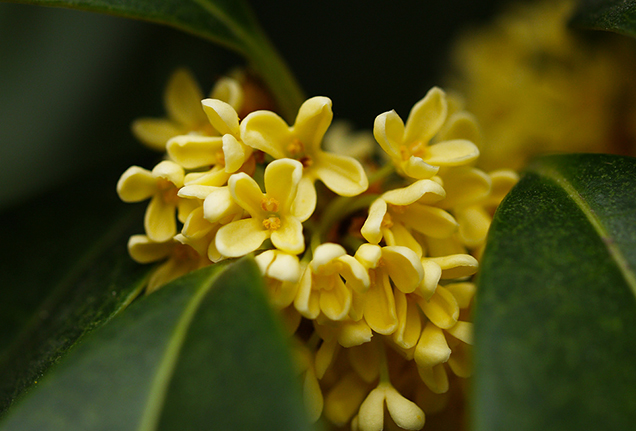
Uno de los aromas florales más cautivantes sobre la tierra es el del osmanto. Es tan tierno, enigmático y cálido que uno puede caer hipnotizado sin darse cuenta de ello. Esta exótica flor ostenta una particular combinación de floral blanco cremoso que es a la vez terroso, dulce y apetitoso.

Sin embargo, trabajar con este costoso ingrediente natural no es para nada sencillo (si alguien no muy avezado se excede con la dosis de osmanto, o la combina con los ingredientes menos indicados, él/ella probablemente arruinará la composición obteniendo como resultado un olor muy cercano al que tienen los pañales de bebé usados…). Es por eso que cuando encuentro una excelente ejecución de esta nota no puedo evitar admirar semejante pieza maestra.

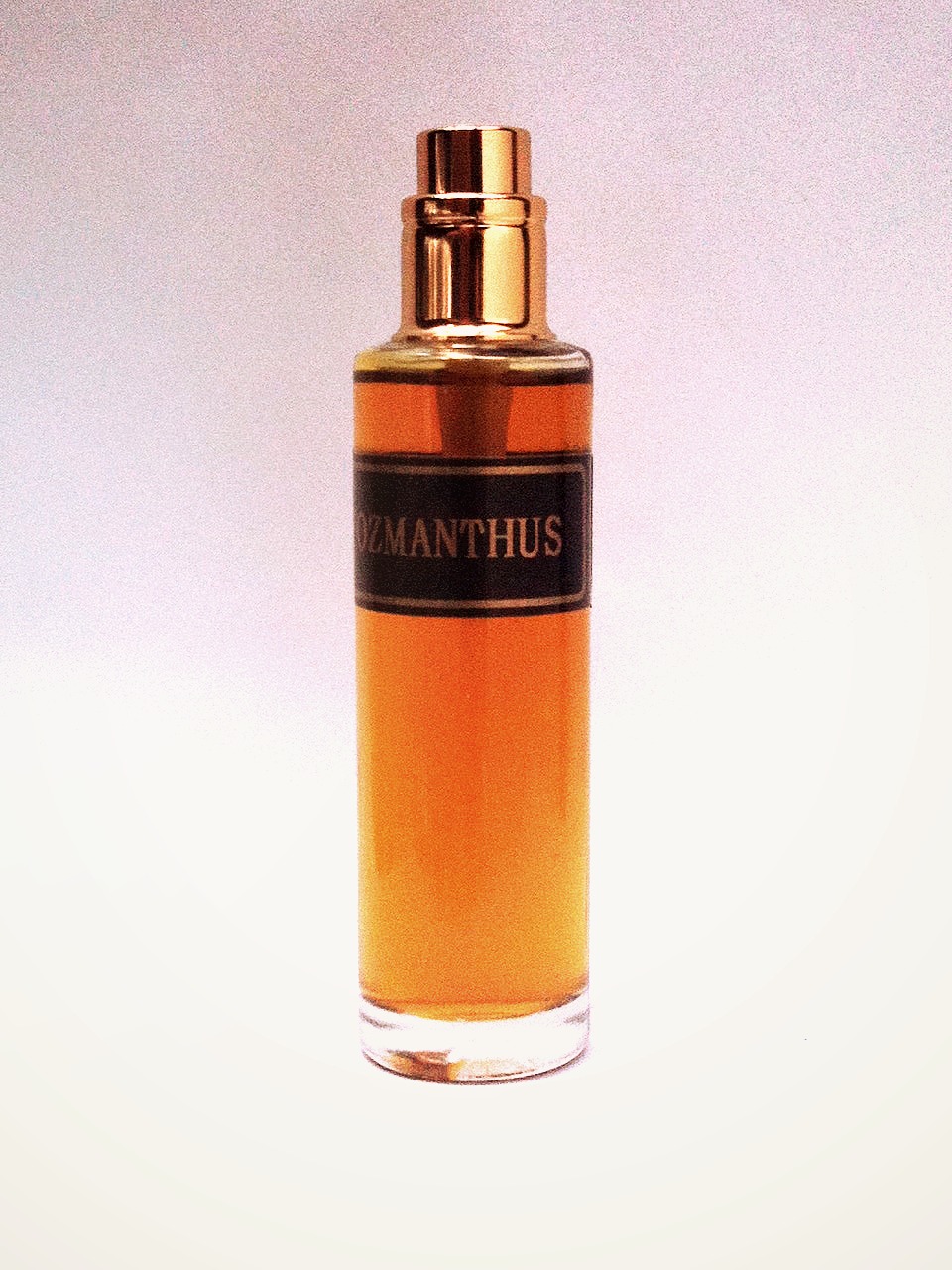
Conocí a la perfumista Mesha Munyan y a su Ozmanthus en el últino SF Artisan Fragrance Salon. Esta increíble fragancia me conecta con los momentos felices, llenos de risa, energía y paz. Casi todas sus notas se relacionan de alguna manera -conceptual y olfativamente- con el: la mandarina -vivaz y vibrante-; el jazmín Sambac -dulce y afrutado-; rosa -astringente y suave-; cistus -oscuro y licoroso, utilizado en recetas del incienso Nariko para la ceremonia japonesa del té.

Un par de horas más tarde, todos los trazos de y los matices frutales aduraznados se han ido casi por completo, pero la piel absorbió el aspecto más untuoso del osmanto y del sándalo: acogedor, ambarado y cremoso. Queda  la sensación de haber despertado de una plácida siesta tomada bajo la tibieza radiante del sol otoñal.

Virginia

Origen de la muestra: Cortesía de la marca.

foto: Magazine.fourseasons.com  PH: VinWim

foto: Magazine.fourseasons.com       ph: vinwim

Meshaz Natural Perfumes Ozmanthus – Dreaming under the sun

One of the most captivating floral smells on earth is that of osmanthus. It’s so tender, enigmatic and warm that one can become mesmerized without even realizing it. This exotic flower displays a creamy white floral feature that it is earthy, sweet and edible at once.

However, working with this expensive natural ingredient is not easy (if someone not seasoned enough adds too much osmanthus or combines it with the wrong raw materials, he/she could probably ruin a composition by obtaining a smell similar to that of used baby diapers…). So when I find an excellent execution of this note I can’t help but admire such a masterpiece.

I’ve met perfumer Mesha Munyan and her Ozmanthus at the latest SF Artisan Fragrance Salon. This amazing perfume reminds me of happy times with plentiful of laughter, energy and peace. Almost all its notes are somehow -in a conceptual and an olfactory way- linked to tea: mandarin -vivacious and vibrant-; jasmine Sambac -sweet and fruity-; rose -astringent and soft-; labdanum -dark and liquorous,used for Neriko incense recipes in the Japanese Tea Ceremony.

A couple of hours later all the tea hints and fruity peachy hues have almost gone but the skin has absoberd the most unctuous aspect of osmanthus and sandalwood: cozy,ambery and creamy. One has the sensation of awaking from a restorative nap taken under the autumnal warm and bright sunshine.

Virginia

Origin of sample: Vial courtesy of the brand.

foto: Cortesía de Mesha Munyan

foto: Cortesía de Mesha Munyan

Bruno Fazzolari Jimmy – Sofisticación y sencillez

imagen: Thegraphicsfairy.com

imagen: Thegraphicsfairy.com

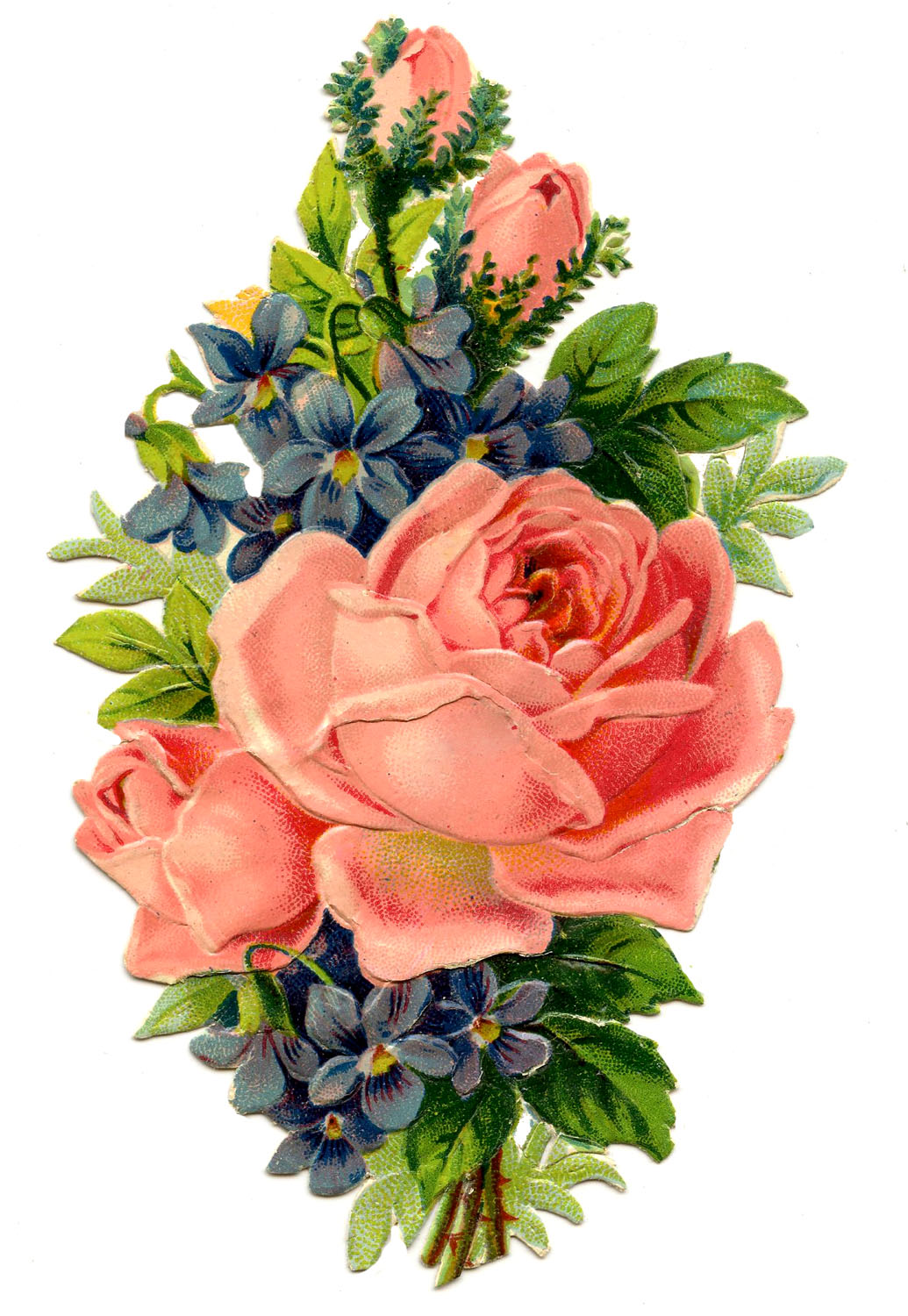
Dicen que los opuestos se atraen. En este caso, más bien diría que se complementan de maravillas. La rosa, “reina de las flores”, con su glamour y atavíos pomposos se adorna con delicadas y silvestres violetas, a las que -según la tradición cristiana- San Bernardo apodó “las flores de la humildad”.

Se trata de Jimmy, eau de toilette que integra la colección de Bruno Fazzolari. En ella florece dominante una bella rosa otto, cuyos pétalos carnosos se erizan con una crujiente nota de geranio. Los ribetes almendrados de heliotropo sugieren un rostro aniñado, pero el ylang ylang le vuelve a dibujar un carácter adulto.

Una pátina de sándalo -entre amaderada y jabonosa- se ilumina con la faceta más frutada de la violeta, fresca y aterciopelada a la vez, como una frambuesa recién cortada. Minutos después, una tibia bruma de ambargris amalgama los ingredientes sobre la piel, como si fuera el listón que reúne las flores de un ramo. El resultado es un resplandeciente pero sobrio parfum de peau.

Jimmy es un homenaje al poeta estadounidense ganador del Premio Pulitzer -y amante de las violetas- James Schuyler (1923-1991).

Virginia

Origen de la muestra: gentileza de la marca.

foto: Brunofazzolari.com

foto: Brunofazzolari.com

Bruno Fazzolari Jimmy – Simplicity and sophistication

Many people say that opposites attract. In this case, I would rather say that they complement each other wonderfully. Rose, “the Queen of flowers ” with its glamour and pompous attire is decorated with delicate wild violets, which -according to Christian tradition-  were nicknamed “the flowers of humbleness” by St. Bernard.

This is Jimmy, an eau de toilette that integrates the Bruno Fazzolari‘s fragrance collection. On it, a dominant rose otto note blooms, its fleshy petals ruffled with a crispy geranium note. Almondy trims of heliotrope suggest a childish face , but the ylang ylang will paint an adult nature over it.

A patina of sandalwood -between woody and soapy – is illuminated by the most fruity facet of violet, fresh and velvety at once, like a freshly cut raspberry. Minutes later, a warm mist of ambergris amalgamates all the ingredients on the skin, like the ribbon that ties a bouquet of flowers all together. The result is a glowing but sober parfum de peau .

Jimmy is an homage to American Pulitzer Prize winning poet -and lover of violets- James Schuyler (1923-1991).

Virginia

Origin of sample: Vial courtesy of the brand.

Profumi del Forte Vittoria Apuana – De sol y de mar

foto: Commons.wikimedia.org fotógrafo: Krdan

foto: Commons.wikimedia.org       fotógrafo: Krdan

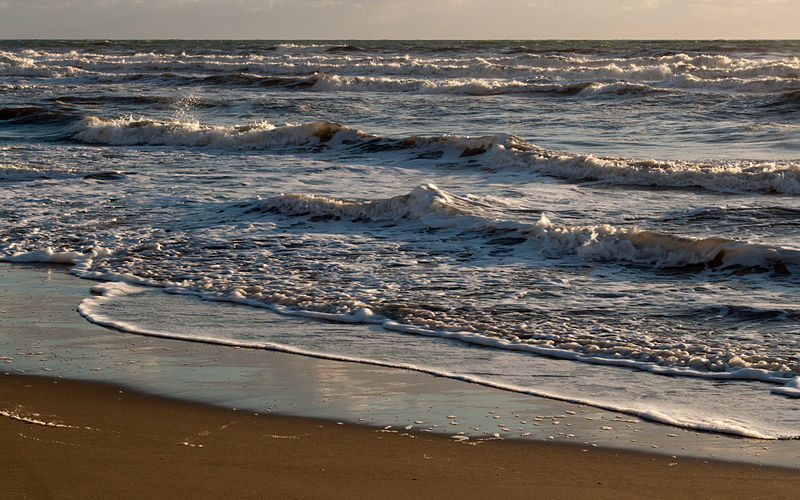
Profumi del Forte es una casa italiana radicada en Forte dei Marmi  (“fuerte de los mármoles”), elegante balneario de la costa tirrena que se puso de modaal ser favorecido por la nobleza toscana  a fines del siglo XIX. Narices tales como Bertrand Duchaufour, Arturetto Landi y Maria Candida Gentile han estado involucrados en la creación de las fragancias Profumi del Forte.

Vittoria Apuana, nuestro parfum du jour o, mejor dicho, profumo del giorno), fue compuesto por Maria Candida Gentile, una dama cuyo trabajo admiro enormemente. Es un perfume de sol y mar, de confort y evasión, que toma prestado su nombre del poblado luqués epónimo. Abre con un  jugoso dúo de naranja dulce y mandarina, seguido casi inmediatamente por una suave nota de coco. Este coco no es alimentario, sino más bien reminiscente de aceite bronceador, cálido y acariciador como el sol de la mañana. La sensación tropical se realza con el narcótico aroma del tiaré (gardenia de Tahití) y una vainilla que se presenta inocente al comienzo, pero gradualmente se va tornando más oscura hasta volverse profunda y ahumada.

Vittoria Apuana está trabajado con buen gusto alrededor de notas que manos menos hábiles quizás harían oler vulgares; aunque definitivamente apetitosa, no termina oliendo a obleas o galletas. Esta no es una vacación ochocentista, sino una muy actual.

Caro

Origen de la muestra: muestra por compra obtenida en Luckyscent

foto: Profumidelforte.com

foto: Profumidelforte.com

Profumi del Forte Vittoria Apuana –  Of sun and sea

Profumi del Forte is an Italian house based in Forte dei Marmi  (“fort of the marbles”), an elegant resort on the Thyrrhenian coast which became fashionable in the late 19th century when it was favored by Tuscan nobility. Noses such as Bertrand Duchaufour, Arturetto Landi and Maria Candida Gentile have been involved in the creation of Profumi del  Forte fragrances .

Vittoria Apuana, our parfum du jour (or should I say profumo del giorno?) was composed by Maria Candida Gentile,a lady whose work I greatly admire. It is a fragrance of sun and sea, of comfort and evasion, that borrows its name from the eponymous Luccan village. It opens with a juicy pairing of sweet-orange and tangerine, followed almost immediately by a soft coconut note. This coconut is not foody but more reminiscent of tanning oil, warm and caressing like the morning sun. The tropical feel is heightened by the narcotic scent of tiaré (Taihitian gardenia) and a vanilla which appears innocent at first but becomes increasingly dark, deep and smoky.

Vittoria Apuana is tastefully worked around notes that less skillful hands might make smell vulgar; although definitely mouthwatering, it doesn’t end up smelling like biscuits or wafers.  This is not a turn of the century holiday but a very current one.

Caro

Origin of sample: simple with purchased obtained from Luckyscent