Tag Archives: almizcle – musk

Eau d’Italie Eau d’Italie – Mirando al Mediterráneo

foto: Acrossrome.com

foto: Acrossrome.com

Quienes me conocen saben bien que Italia es uno de mis destinos de viaje preferidos….está bien, no voy a tratar de mentirles: ES absolutamente mi destino preferido, sin lugar a dudas ni discusiones.  Sicilia  representa el paraíso en la tierra y la sola mención de Roma me acelera el corazón. Los aromas de Italia me han impresionado con la misma fuerza que sus sabores, su arte y la belleza de sus habitantes. Eau d’Italie, como tal vez recuerden, rinde tributo a la geografía, historia y flora de la península.

Fundada por Marina Sersale -cuya familia es propietaria del hotel Le Sirenuse, en Positano– y Sebastián Álvarez Murena la marca ha recorrido un largo camino desde que lanzara su primera fragancia, hace más de diez años.
Eau d’Italie (el perfume) fue compuesto por Bertrand Duchaufour en ocasión del aniversario número 50 de Le Sirenuse. Su éxito fue tan resonante que derivó en el subsecuente lanzamiento de otras doce creaciones. Apenas dos meses atrás, Eau d’Italie abrió las puertas de una nueva boutique en Via dei Coronari, en Rome. Pequeña y encantadora, la tienda alberga el espectro completo de productos en una atmósfera mediterránea que remite a Le Sirenuse.

Volviendo a la creación originaria, Sersale y Álvarez Murena decidieron que no querían que fuera un cliché, por ese motivo evitaron la sobredosis de cítricos frecuente en las eaux de toilette italianas. Recién una década más tarde accederían a lanzar una fragancia cítrica teñida de menta (Acqua Decima). Mi percepción de Eau d’Italie es como si mirara al sol a través de una hoja de higuera; aunque la hoja de higuera no está listada entre las notas oficiales, siento el mismo ligero dulzor amaderado y  una luminosidad intensa que asoma por detrás…como un vitral hecho por la naturaleza. Eau d’Italie chispea con serenidad: notas de bergamota y flores blancas se intercalan con frescos destellos de verde sobre la sequedad que brindan el incienso y un magistral “acorde de arcilla“, evocador del olor de las baldosas de terracotta de Positano cuando calienta el sol (este acorde mineral seco “inspiraría” más tarde a otras marcas).El blend se agría ligeramente, como una insinuación de salmuera,con brotes de grosella y patchouli; esta característica  se presenta en la mayoría de las primeras creaciones de la casa. La longevidad es muy buena, no sólo en el eau de toilette sino también en los demás productos de la línea de extensión. Casual, pero discreto y refinado, se consagra como clásico moderno y una de las propuestas más sólidas de la marca.

Caro

Origen de la muestra: gentileza de Eau d’Italie

foto: Eauditalie.com

foto: Eauditalie.com

Eau d’Italie Eau d’Italie –  Looking onto the Mediterranean

Those acquainted with me know that Italy is one of my favorite  travel destinations….oh, ok, I will not try to fool you: it IS my absolute favorite destination ever.  Sicily  represents heaven on earth and the sole mention of Rome makes my heart beat faster. The scents of Italy have impressed me as strongly as its flavors, its art and the beauty of its people. Eau d’Italie, as you might remember, pays tribute to peninsular geography, flora and history with its fragrances.

Founded by Marina Sersale -whose family owns the hotel Le Sirenuse, in Positano– and Sebastián Álvarez Murena the brand has come a long way since they launched their first fragrance, more than ten years ago.
Eau d’Italie (the fragrance) was composed by Bertrand Duchaufour on the occasion of  Le Sirenuse‘s 50th anniversary. Its success was so resounding that it derived in the subsequent launching of other eleven creations. Barely two months ago, Eau d’Italie opened the doors of a new boutique on Via dei Coronari, in Rome. Small and charming, the store houses the entire range of products in a Mediterranean setting, evocative of Le Sirenuse.

Back to the original fragrance, Sersale and Álvarez Murena accorded that they didn’t want it to become a cliché, thus they avoided the citrus overdose so common in Italian eaux de toilette. They would only agree to launch a mint-tinged citrusy fragrance a decade later (Acqua Decima). My perception of Eau d’Italie is a bit like looking at the sun through a fig leaf; although fig leaf is not listed among the official notes, I get the same mild woody sweetness from it and an intense luminosity that peeks from behind…like a vitrail made by nature. Eau d’Italie sparkles quietly: notes of bergamot and white flowers are interspersed with fresh glints of green over a dryness given by incense and a masterful “clay accord” which intentionally evokes the sun-warmed terracotta tiles of Positano (this dry mineral accord would later “inspire”other brands. The blend appears slightly soured, like a hint of brine, with the presence of blackcurrant bud and patchouli; this characteristic is present in most of the house’s earlier creations. The longevity is very good, not only in the eau de toilette but also in the ancillary products. Relaxed yet discreet and refined, it is already established as a modern classic and as one of the brand’s most solid offerings.

Caro

Origin of sample: courtesy of Eau d’Italie

foto: gentileza de Eau d'Italie

foto: gentileza de Eau d’Italie        Boutique de la marca en Roma


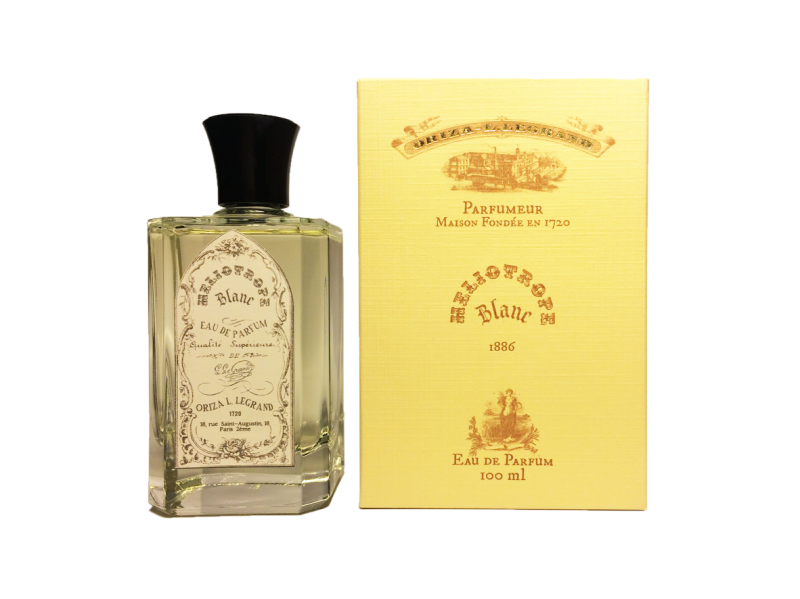
Oriza L. Legrand Hèliotrope Blanc – Dulce compañía

imagen: Weshare.hk  De La Mode Illustrée

imagen: Weshare.hk     de La Mode Illustrée

Luego de los sucesos de las últimas semanas, sentí la necesidad de escribir sobre un perfume que transmitiera una sensación de paz y pureza, el de hoy es especialmente significativo porque proviene de una casa parisina varias veces centenaria. Oriza L. Legrand vio la luz del día por primera vez durante el reinado de Luis XV y brilló con especial intensidad durante la segunda mitad del siglo XIX (los artículos y menciones sobre la casa abundan en las publicaciones de la época). Cerrada durante la década de 1930, fue puesta nuevamente en marcha por los messieurs Hugo Lambert y Franck Belaiche.

Hèliotrope Blanc es la reorquestación de una fragancia que Oriza L. Legrand lanzó por primera vez en 1886. En el mismo tono que otras creaciones de la casa, resulta atractiva al gusto moderno a la vez que permite un vistazo al pasado para nosotros los nostálgicos. En la segunda mitad del siglo XIX los soliflorales delicados eran los perfumes que las mujeres respetables preferían.  Los florales intensos y las notas animales como almizcle y civeta se asociaban con mujeres de baja moral, pero los tímidos pimpollos no dejaban lugar a malentendidos : heliotropo, violeta, muguet, reseda causaban furor. Así y todo, las damas ni soñaban en aplicarse el perfume sobre la piel; lo usaban, sí, para perfumar pañuelos, encaje y cintas para el cabello.

Las diminutas flores del heliotropo -en caso de que no estén muy familiarizados con ellas- están agrupadas en racimos; exhalan un olor ligeramente avainillado  y almendrado, dado en parte por su contenido natural de benzaldehído (el benzaldehído también se da de manera natural en el aceite de almendras amargas y suele emplearse en perfumería para recrear el olor de las almendras).

¿Es posible lograr calidez y frescura a la vez?  Sí, y Hèliotrope Blanc lo consigue. Acuarela floral con alusiones gourmand, es tan limpio y puro que roza lo virginal (creo, en efecto, que sería maravilloso en una novia). Mitad crema a la almendra, mitad tierno abrazo, se siente más como una presencia etérea y tranquilizadora que como un perfume.  Mimosa, violeta, iris (la flor, no la raíz) y, por supuesto, heliotropo se agrupan en armonía; la única nota que por momentos suena en otro registro es la almendra, que parece entretejerse por dentro y fuera de la composición tratando de encontrar su lugar definitivo. Una cualidad láctea que recuerda la madera de sándalo ancla las notas florales. No obstante  su ligereza, Hèliotrope es tenaz: a la mañana siguiente, un tenue aroma de almendras y violetas persiste en la ropa.

Caro

Origen de la muestra: Gentileza de Oriza L. Legrand

foto: Orizaparfums.com

foto: Orizaparfums.com

Oriza L. Legrand Hèliotrope Blanc –  Sweet companion

After the events of the past few weeks, I felt the need to write about a  fragrance that conveyed a feel of peace and purity, the parfum du jour is especially meaningful because it comes from a several times centenary Parisian house. Oriza L. Legrand first saw the light of day during the reign of Louis XV and shone with particular intensity during the second half of the XIXth century (articles and mentions to the house abound in newspapers from the epoch). Closed down  during the 1930s, it was resurrected a few years ago by messieurs Hugo Lambert and Franck Belaiche.

Hèliotrope Blanc is the reorchestration of a fragrance which Oriza L. Legrand launched for the first time in 1886. In the same vein as other creations from the house, it appeals to modern tastes while still providing us nostalgics with a glimpse of the past. In the second half of the XIX century respectable women preferred delicate soliflores. Strong florals and animal notes like musk and civet were associated with women of low morals but demure blossoms  left no place for misunderstandings: heliotrope, violet, muguet, mignonette were all the rage. Still, ladies wouldn’t even dream of applying fragrance to their skin, using it instead to scent handkerchiefs, lace and hair ribbons.

The tiny heliotrope flowers -in case you are not too familiar with them- are grouped in clusters; they exhale a lightly vanillic and almondy odor, given partly by their natural benzaldehyde content (benzaldehyde also occurs naturally in bitter almond oil and is generally used in perfumery to recreate the smell of almonds).

Is it possible to attain warmth and freshness at the same time? Yes, and  Hèliotrope Blanc succeeds at this. A floral watercolour with gourmand allusions, it is so clean and pure it verges on virginal (I think, in fact, it would work wonders on a bride). Part almond flavored cream, part tender embrace, it feels more like a reassuring ethereal presence than like perfume. Mimosa, violet, iris (the flower, not the root) and, of course, heliotrope are harmoniously arranged together; the only note that plays slightly louder is almond, which seems to weave in and out of the composition, trying to find its definive place. A milkiness that reminds of sandalwood anchors the floral notes. Notwithstanding its lightness, Hèliotrope is tenacious: the following morning, the muted scent of almond and violets lingers on clothes.

Caro

Origin of sample: courtesy of Oriza L. Legrand

foto: Commons.wikimedia.org fotógrafo: Cody Hough

foto: Commons.wikimedia.org fotógrafo: Cody Hough

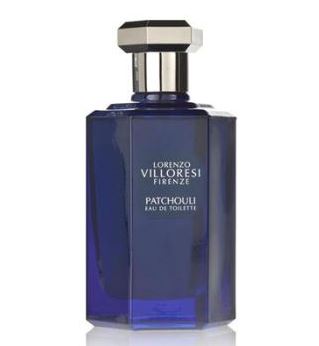
Lorenzo Villoresi Patchouli – Para caballeros curtidos y muñecas de porcelana

imagen: Payer.de  "Hooker's journal of Botany and Kew Garden Miscellany", 1849

imagen: Payer.de “Hooker’s journal of Botany and Kew Garden Miscellany”, 1849

Una actriz a quien conozco estaba preparándose para una fiesta glamorosa a la que llevaría un delicado vestido de seda blanca. Mientras me ocupaba de su maquillaje, una débil estela de patchouli me tomó por sorpresa. “Qué perfume es?” pregunté; “patchouli” fue su vaga respuesta. La nota -alcanforada y algunas veces acre- olía dulce y singular en ella, un verdadero aroma distintivo.

Una tarde, dos años después, nuestra conversación viró hacia la perfumería y, una vez más, inquirí sobre su patchouli, que resultó ser el de Lorenzo Villoresi. Esta eau de toilette nunca me había impresionado antes como dulzona ni la habría asociado con los rasgos de una belleza de porcelana. De hecho, siempre he pensado que debe adaptarse de maravillas a un caballero.

El patchouli (pogostemon patchouli) –como hemos mencionado en reseñas anteriores– se popularizó en Europa a comienzos del siglo XIX century y se usaba para perfumar los chales indios que estaban de moda en esa época. Las hojas de patchouli mantenían alejadas a las polillas a la vez que prestaban su aroma a los chales mientras eran transportados de India a Europa. Según Robert Tisserand en su excelente El Arte de la Aromaterapia,  las personas se negaban a comprar los chales si éstos no olían a patchouli. Incluso cuando empezaron a producirse en Gran Bretaña, perduró la costumbre de perfumarlos de esta manera. Los chales eventualmente pasaron de moda, pero el patchouli se quedó. Era también un ingrediente clásico en la tinta india ya que ayudaba a fijar el color y aceleraba el tiempo de secado del líquido.

La aproximación de Villoresi al patchouli es honesta y desprovista de adornos; bastante lineal y de estilo clásico. Estoy segura de que no convertirá a aquellos que sienten aversión por el patchouli, pero es una opción excelente y fácil de llevar para quienes apreciamos esta nota. Fresco, ligeramente verde y tan terroso que evoca el suelo húmedo de un bosque, no está endulzado con vainilla o tonka (como Classic Patchouli) ni benjuí (como es el caso de Coromandel). Huele como una versión más aireada y chispeante de un buen aceite esencial de patchouli y resalta las mismas facetas: the el cosquilleo mentolado, la cualidad mohosa, la astringencia, antes de volverse uno con la piel. Casi olvido mencionar que el patchouli ha sido empleado durante siglos como afrodisíaco; quizás debería haber empezado por allí.

Lorenzo Villoresi Patchouli tiene proyección y tenacidad excelentes para un eau de toilette. La casa ofrece esta fragancia también en forma de perfume al aceite.

Caro

Origen de la muestra: Muestra gentileza de Lorenzo Villoresi


foto: Lorenzovilloresi.it

foto: Lorenzovilloresi.it

Lorenzo Villoresi Patchouli – For rugged gents and porcelain dolls

An actress I know was getting ready for a glamorous party in which she would wear a delicate white silk gown. As I was doing her makeup, a faint trail of patchouli caught me by surprise. “What are you wearing?” I asked; “patchouli“was her vague answer. The camphoraceous and sometimes acrid note smelled sweetly unique on her, a true signature scent.

One afternoon some two years later, our conversation switched towards  fragrance and  I inquired again about her patchouli, which turned out to be Lorenzo Villoresi‘s . This eau de toilette had never struck me as sweet before, nor would I have associated it with the features of a porcelain beauty. In fact, I had always thought it would nicely befit a gentleman.

Patchouli (pogostemon patchouli) –as we have mentioned in previous reviews– became popular in Europe at the beginning of the XIX century and was used to scent the Indian shawls which were in vogue at the time. The patchouli leaves would keep moths at bay and lend their aroma to the shawls  while they were transported from India to Europe. According to Robert Tisserand in his excellent The Art of  Aromatherapy,  people wouldn’t buy the shawls if they were not scented with patchouli. Even when they started being woven in Britain, the custom of scenting them in this manner remained. The shawls eventually went out of fashion but patchouli stayed. It was also a classic ingredient in Indian ink as it helped set the color and speed the liquid’s drying time.

Villoresi‘s approach to patchouli is honest and devoid of frills; classic in style and pretty linear. I am quite sure this will not convert  those who have an aversion to patchouli, but it is an excellent and wearable option for those of us who appreciate the note. Fresh, slightly green and so earthy it evokes the damp soil of a forest, it is not sweetened by vanilla and tonka (like Classic Patchouli) or benzoin (like Coromandel). It smells very much like an airier sparklier version of good patchouli essential oil and highlights the same facets: the minty tingle, the mustiness, the astringency, before becoming one with the skin. I almost forgot to mention that patchouli has been used for centuries as an aphrodisiac; perhaps that’s where I should have started.

Lorenzo Villoresi Patchouli has excellent projection and tenacity for an eau de toilette. The house also offers this fragrance in the form of perfume oil.

Caro

Origin of sample: Sample courtesy of Lorenzo Villoresi

Rochas Femme parfum (vintage) – Objeto de deseo

foto: Nymag.com  (Getty Images)

foto: Nymag.com (Getty Images)

La segunda guerra mundial no terminaba aún; era 1943 y Edmond Roudnitska había estado trabajando en un edificio que tenía un basurero a un lado y una fábrica de pintura al otro. En medio de este contexto brutal estaba a punto  de crear una de las obras maestras del siglo: Rochas Femme.

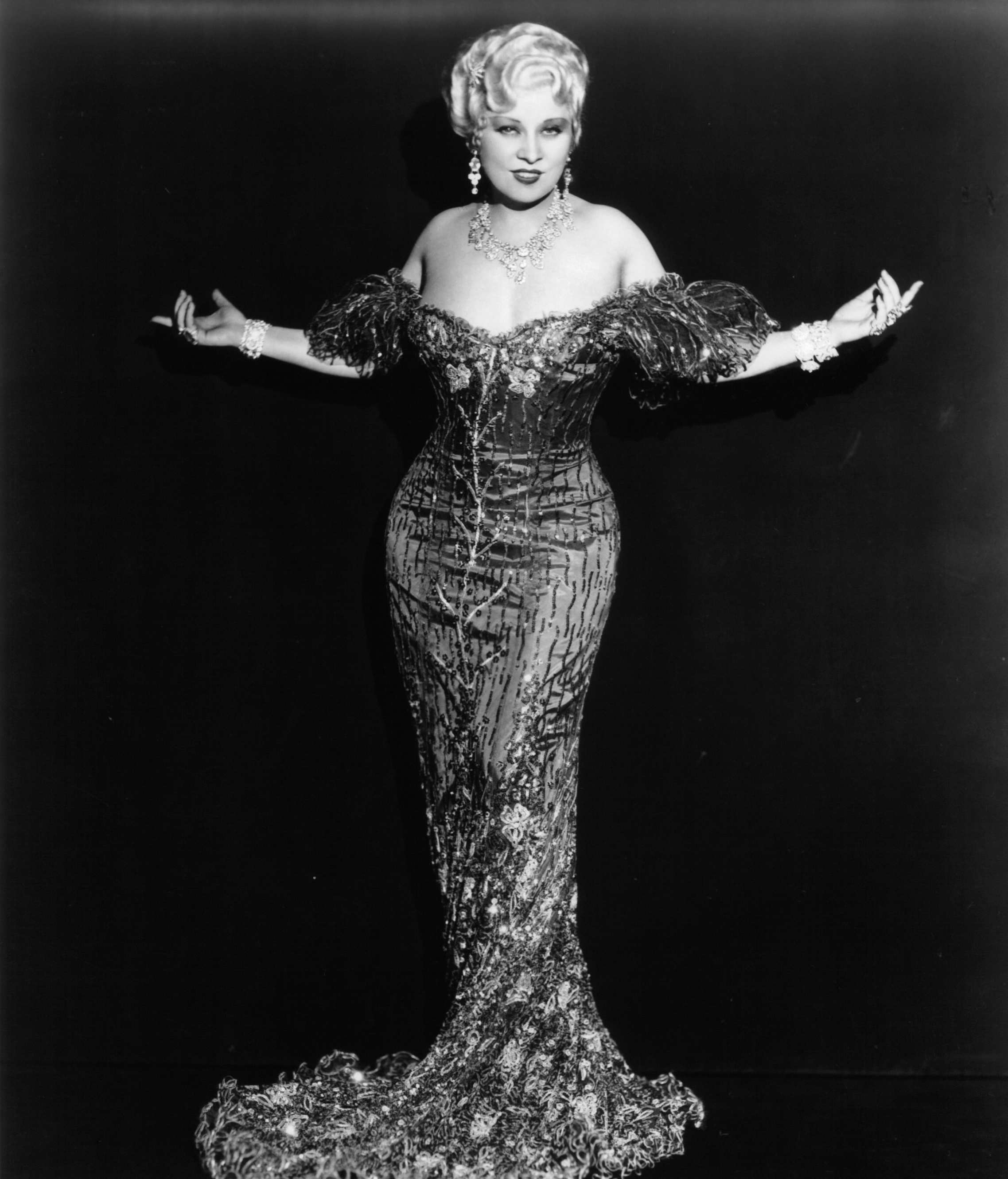
La fragancia había sido encargada por Marcel Rochas como regalo de bodas para su joven esposa Hélène y sería presentada un año más tarde. La botella original -cuyas curvas, dicen, fueron modeladas según las de Mae West fue firmada por Lalique. El motivo de encaje negro, emblemático de Femme, fue también inspirado por la Srta. West.

“Cualquiera puede hacer un rico olor. El truco es crear un perfume que tenga alma” diría el legendario Roudnitska muchos años más tarde, pero su voluptuoso elixir tenía tanto de cuerpo como de alma. Femme resultaría tan trascendente que su influencia puede apreciarse con claridad en perfumes que aparecieron en escena mucho, mucho más tarde  (Balenciaga Quadrille, Shiseido Feminité du Bois, The Party in Manhattan, Amouage Jubilation 25, Vero Profumo Mito).

Un chipre frutado superlativo, evocador de sudor y retozos de alcoba, Femme en versión vintage huele tan íntimo que es capaz de sobresaltar incluso a quien lo lleva. El acorde de fruta demasiado madura, hilo rojo en la obra de Roudnitska, no podía estar ausente en esta creación. Su cualidad frutada es densa y nectárea, como si se tratara de un espeso licor imaginario de ciruela, durazno, rosa, jazmín (indólico) y cuero. Una base animal intensifica la sensación de opulencia, que bordea lo barroco. Resulta inevitable pensar que la mejor manera de lucirlo es entre las sábanas, en buena compañía.

Femme es un perfume que no envejece particularmente bien; si logran encontrar un frasco cuyo contenido esté en buenas condiciones, se sentirán inmensamente recompensados.

Caro

Origen de la muestra: frasco regalo de un familiar

Nota bene: Rochas Parfums es actualmente propiedad de Procter & Gamble. No hemos probado Femme en su formulación actual.

foto: Caro Fernandez

foto: Caro Fernandez

Rochas Femme parfum (vintage) –  Object of desire

WWII was not yet over; it was 1943 and Edmond Roudnitska had been  working in a building that had a rubbish dump on one side and paint factory on the other. Amidst this brutal context he was  about to create one of the masterpieces of the century: Rochas Femme.

The fragrance had been commissioned by Marcel Rochas as a wedding gift for his young wife Hélène and would be launched a year later. The original bottle -whose curves are said to have been modeled after Mae West’s- was signed by Lalique. The emblematic black lace motif was also inspired by Ms. West.

“Anyone can make a nice smell. The trick is to create a fragrance that has a soul” said the legendary Roudnitska many years later, but his voluptuous elixir had as much of a body as it had a soul. Femme would prove so transcendent that its influence shines clear in fragrances that arrived into the scene much, much later (Balenciaga Quadrille, Shiseido Feminité du Bois, The Party in Manhattan, Amouage Jubilation 25, Vero Profumo Mito).

A superlative fruity chypre evocative of sweat and bedroom romps, vintage Femme smells so intimate it might startle even its wearer. An accord of overripe fruit, the red thread in Roudnitska‘s oeuvre, couldn’t be absent from this creation. Its fruitiness is dense and nectarous, like a thick imaginary liquor of plum, peachrose, (indolic) jasmine and leather. An animalic base increases the feel of opulence, which borders on baroque.  One cannot help but think it should be best worn between the sheets, in good company.

Femme is a fragrance that doesn’t age particularly well; if you can find a bottle whose contents are in good condition, you will feel immensely rewarded.

Caro

Origin of sample: bottle gifted by a relative

Nota bene: Rochas Parfums is nowadays owned by Procter & Gamble. We haven’t sniffed Femme in its current formulation.

Mona di Orio Parfums Vanille – El mundo en una chaucha de vainilla

imagen: Commons.wikimedia.org  artista: John Thomas Serres  "Una fragata inglesa en aguas turbulentas en el Tajo pasando la Torre de Belén", 1823

imagen: Commons.wikimedia.org       artista: John Thomas Serres      “Una fragata inglesa en aguas turbulentas en el Tajo pasando la Torre de Belén”, 1823

Hay perfumes que hablan. Algunos de ellos,raras criaturas,  no sólo hablan sino que cuentan -u ocultan- historias. Cuando Mona di Orio compuso Vanille para su colección Les Nombres d’Or, imaginó “un viejo barco de antaño, en camino a Madagascar o hacia las Islas Comoros, llevando su preciosa carga: barriles de ron, naranjas, vainas de vainilla, ylang-ylang, clavos de olor y sándalo “. La imagen está retratada tan vívidamente que Vanille parece latir.  

Notas realistas de corteza de naranja amarga y petitgrain conforman una salida fresca y vibrante que pronto se ve salpicada con el dulzor alcohólico del ron.  Antes de poder siquiera darse cuenta, uno se zambulle en las profundidades de la vainilla, explorando sus luces y sombras. Aun si les disgustan las vainillas azucaradas con connotaciones de postre, necesitan probar este perfume; o, mejor dicho, especialmente si ese el es caso. No sólo el dulzor de este eau de parfum es mesurado, sino que la nota que da nombre al perfume -lejos de la chata y trillada etilvainillina- ostenta las redondeces y la suave cualidad ahumada del absoluto.El ylang-ylang -compañero habitual de la vainilla en composiciones  de temática exótica- exhala su aliento narcótico sobre la mezcla infundiéndole sus celebrados poderes afrodisíacos.  Ámbar, almizcle y los matices lácteos del sándalo prolongan la suave cremosidad por horas.  Opulencia relajada y atractivo romántico suman al encanto de esta vainilla de ensueño: una verdadera belleza.

Vanille tiene proyección mediana y excelente longevidad.

Origen de la muestra: botella comprada en Skinlife, Lisboa

foto: Monadiorio.com

foto: Monadiorio.com

Mona di Orio Parfums Vanille – The world in a vanilla pod

stories. When Mona di Orio composed Vanille for her Les Nombres d’Or collection , she imagined “an old ship from long ago, on its way to Madagascar or the Comoros Islands, carrying precious cargo: rum barrels, oranges, vanilla beans, ylang-ylang, cloves and sandalwood “. The image is portrayed so vividly that Vanille seems to pulsate. 

Realistic notes of bitter orange rind and petitgrain make for a fresh vibrant opening which is soon splashed with the sweet booziness of rum. Before even realising it one plunges into the depths of vanilla, exploring its lights and shadows. If you are put off by sugary vanillas with dessert connotations you still need to try this one; or, better said, especially if that is the case. Not only the sweetness in this eau de parfum is restrained, but the note that gives its name to the fragrance -far from the flat and well trodden ethyl vanillin- boasts the roundness and slight smokiness of the absolute. Ylang-ylang -an usual pairing for vanilla in compositions which are built around an exotic motif exhales its narcotic breath over the blend infusing it with its celebrated aphrodisiac powers. Amber, musk and the milky hues of sandalwood prolong the soft creaminess for hours. Relaxed opulence and romantic appeal add to the charm of this dreamy vanilla: a true beauty.

Vanille boasts medium projection and excellent longevity.

Caro

Origin of sample: bottle purchased at Skinlife, Lisbon